Arkansas College of Osteopathic Medicine, Fort Smith, AR, USA.
All American Institute of Medical Sciences, Black River, Jamaica.
Nitric Oxide. 2020 Sep 1;102:52-73. doi: 10.1016/j.niox.2020.06.004. Epub 2020 Jun 23.
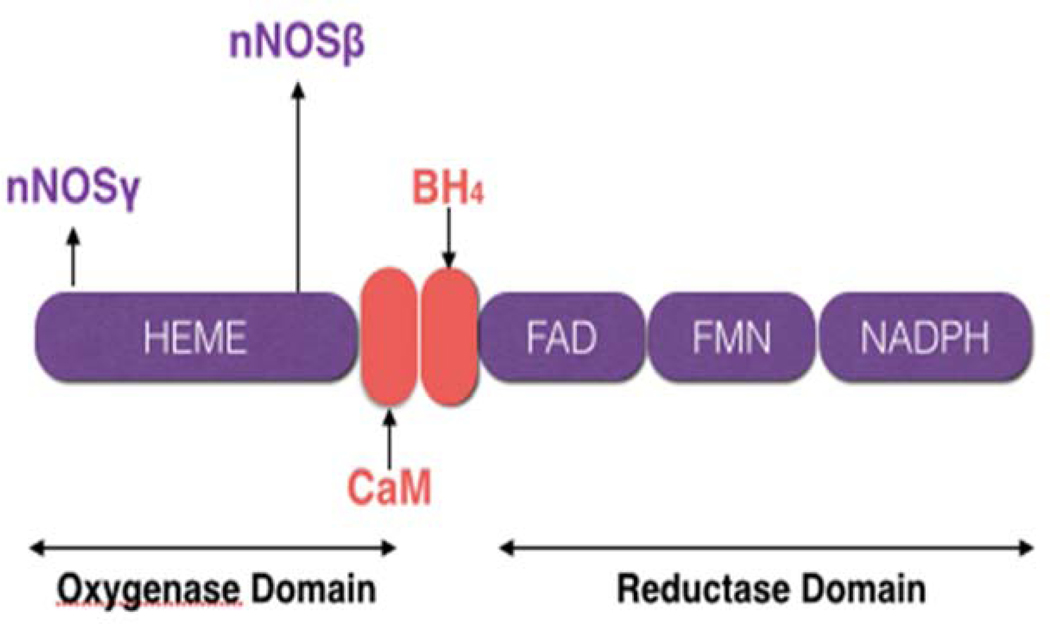
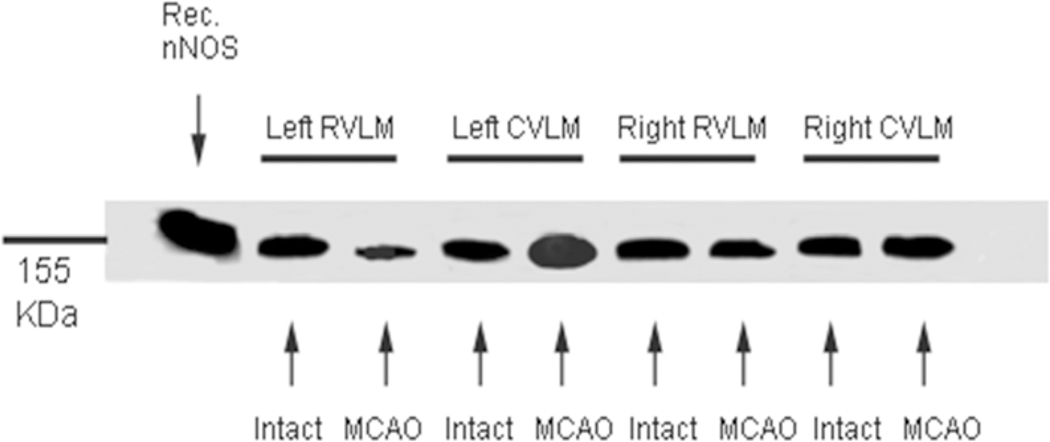
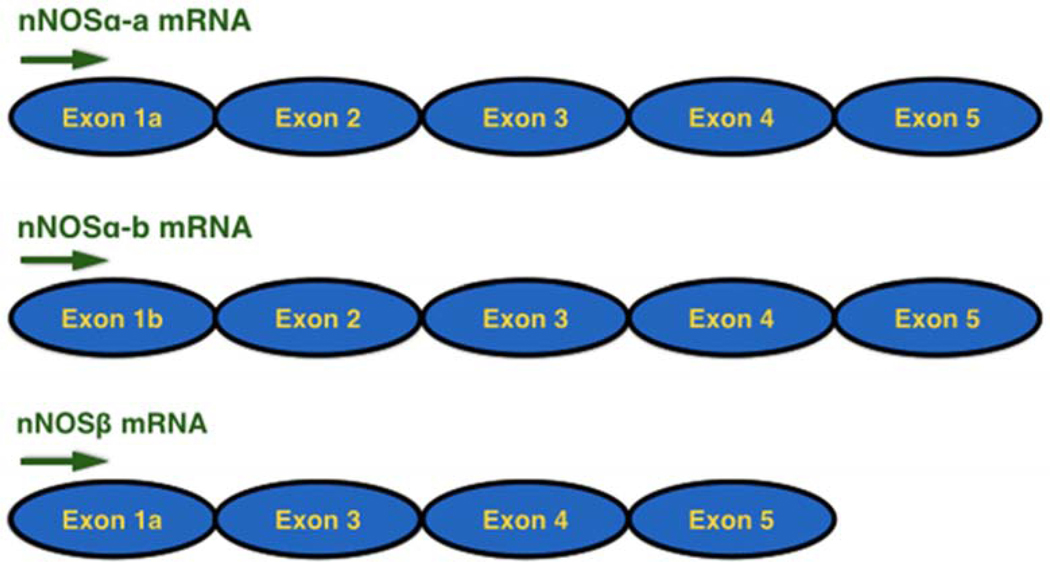
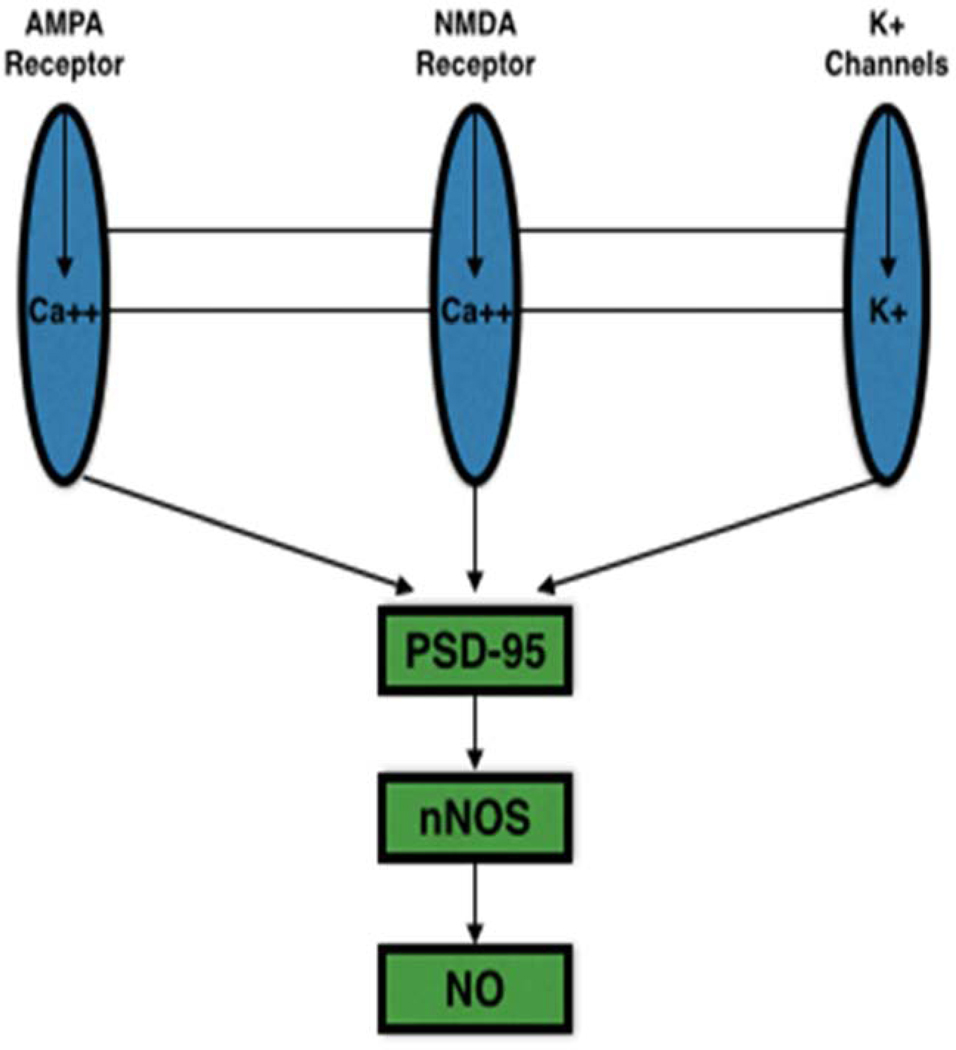
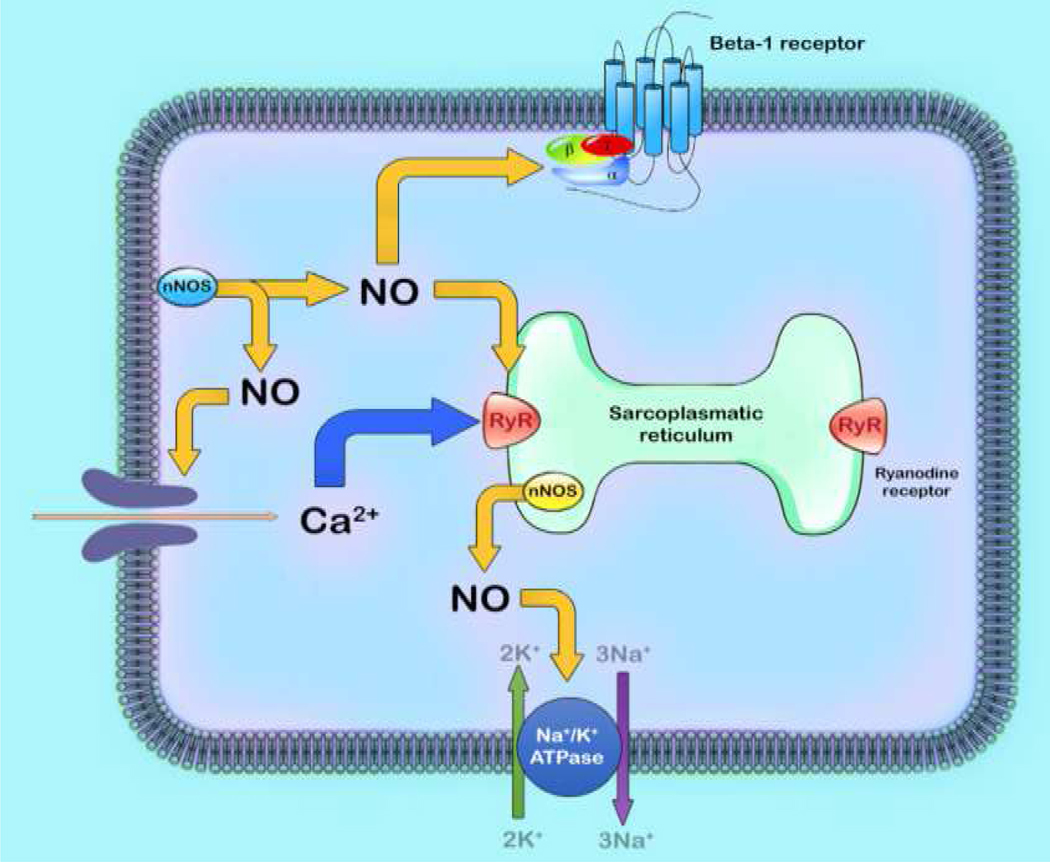
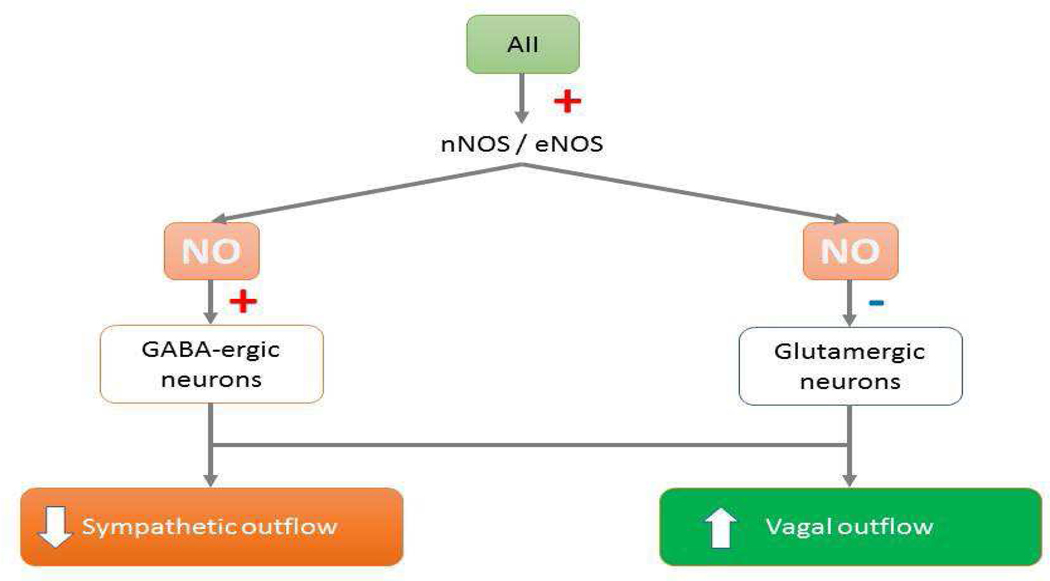
This review describes and summarizes the role of neuronal nitric oxide synthase (nNOS) on the central nervous system, particularly on brain regions such as the ventrolateral medulla (VLM) and the periaqueductal gray matter (PAG), and on blood vessels and the heart that are involved in the regulation and control of the cardiovascular system (CVS). Furthermore, we shall also review the functional aspects of nNOS during several physiological, pathophysiological, and clinical conditions such as exercise, pain, cerebral vascular accidents or stroke and hypertension. For example, during stroke, a cascade of molecular, neurochemical, and cellular changes occur that affect the nervous system as elicited by generation of free radicals and nitric oxide (NO) from vulnerable neurons, peroxide formation, superoxides, apoptosis, and the differential activation of three isoforms of nitric oxide synthases (NOSs), and can exert profound effects on the CVS. Neuronal NOS is one of the three isoforms of NOSs, the others being endothelial (eNOS) and inducible (iNOS) enzymes. Neuronal NOS is a critical homeostatic component of the CVS and plays an important role in regulation of different systems and disease process including nociception. The functional and physiological roles of NO and nNOS are described at the beginning of this review. We also elaborate the structure, gene, domain, and regulation of the nNOS protein. Both inhibitory and excitatory role of nNOS on the sympathetic autonomic nervous system (SANS) and parasympathetic autonomic nervous system (PANS) as mediated via different neurotransmitters/signal transduction processes will be explored, particularly its effects on the CVS. Because the VLM plays a crucial function in cardiovascular homeostatic mechanisms, the neuroanatomy and cardiovascular regulation of the VLM will be discussed in conjunction with the actions of nNOS. Thereafter, we shall discuss the up-to-date developments that are related to the interaction between nNOS and cardiovascular diseases such as hypertension and stroke. Finally, we shall focus on the role of nNOS, particularly within the PAG in cardiovascular regulation and neurotransmission during different types of pain stimulus. Overall, this review focuses on our current understanding of the nNOS protein, and provides further insights on how nNOS modulates, regulates, and controls cardiovascular function during both physiological activity such as exercise, and pathophysiological conditions such as stroke and hypertension.
本文综述了神经元型一氧化氮合酶(nNOS)在中枢神经系统中的作用,特别是在下丘脑腹外侧区(VLM)和导水管周围灰质(PAG)等脑区以及参与心血管系统(CVS)调节和控制的血管和心脏中的作用。此外,我们还将回顾 nNOS 在运动、疼痛、脑血管意外或中风和高血压等几种生理、病理生理和临床情况下的功能方面。例如,在中风期间,会发生一系列分子、神经化学和细胞变化,这些变化会通过易损神经元产生自由基和一氧化氮(NO)、过氧化物形成、超氧化物、细胞凋亡以及三种一氧化氮合酶(NOSs)同工型的差异激活,对神经系统产生深远影响,从而影响心血管系统。神经元型 NOS 是 NOSs 的三种同工型之一,另外两种是内皮型(eNOS)和诱导型(iNOS)酶。神经元型 NOS 是心血管系统的重要内稳态组成部分,在包括痛觉在内的不同系统和疾病过程的调节中发挥重要作用。本文开头描述了 NO 和 nNOS 的功能和生理作用。我们还详细阐述了 nNOS 蛋白的结构、基因、结构域和调节。将探讨 nNOS 通过不同的神经递质/信号转导过程对交感自主神经系统(SANS)和副交感自主神经系统(PANS)的抑制和兴奋作用,特别是其对心血管系统的影响。由于 VLM 在心血管稳态机制中起着至关重要的作用,因此将讨论 VLM 的神经解剖学和心血管调节以及 nNOS 的作用。此后,我们将讨论与高血压和中风等心血管疾病相关的 nNOS 最新发展。最后,我们将重点讨论 nNOS 在不同类型疼痛刺激下心血管调节和神经传递中的作用,特别是在 PAG 中的作用。总的来说,本综述侧重于我们对 nNOS 蛋白的当前认识,并提供了更多关于 nNOS 如何在运动等生理活动以及中风和高血压等病理生理条件下调节、调节和控制心血管功能的见解。