College of Food and Bioengineering, Henan University of Science and Technology, No. 263, Kaiyuan Avenue, Luolong District, Luoyang city, 471023, Henan, China.
State Key Laboratory of Cotton Biology, Henan University, Kaifeng, 455000, China.
BMC Genomics. 2020 Jun 26;21(1):437. doi: 10.1186/s12864-020-06850-1.
It was demonstrated in our previous research that trypsin scavenges superoxide anions. In this study, the mechanisms of storage quality improvement by trypsin were evaluated in H. undatus.
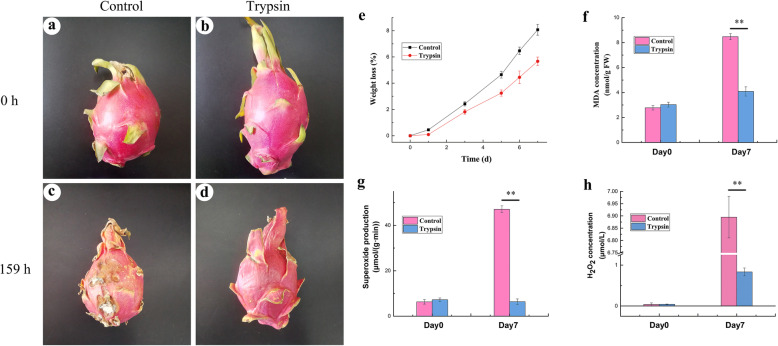
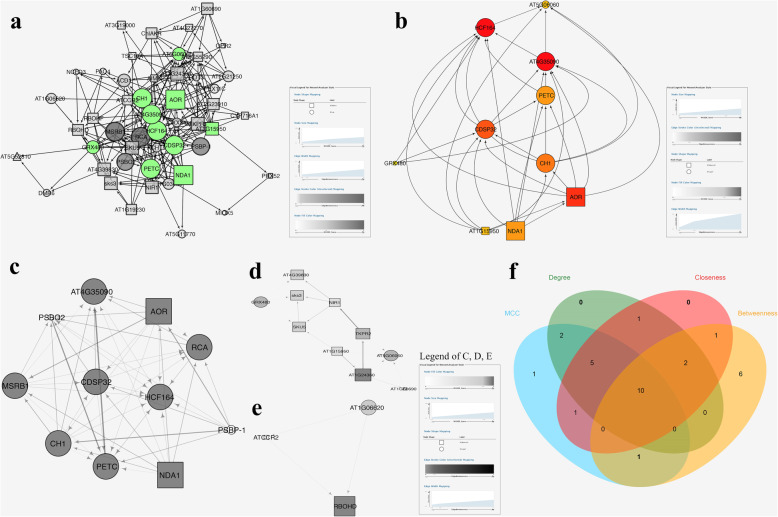
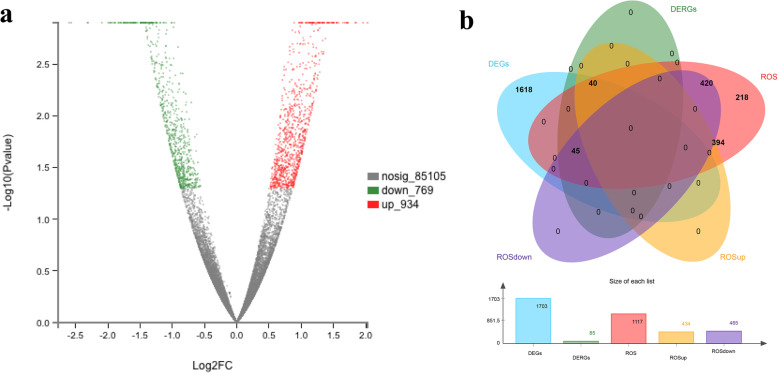
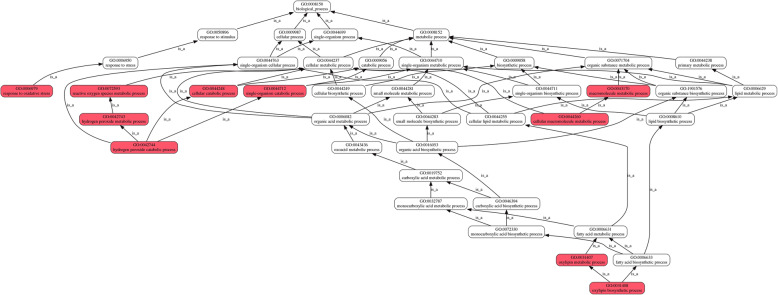
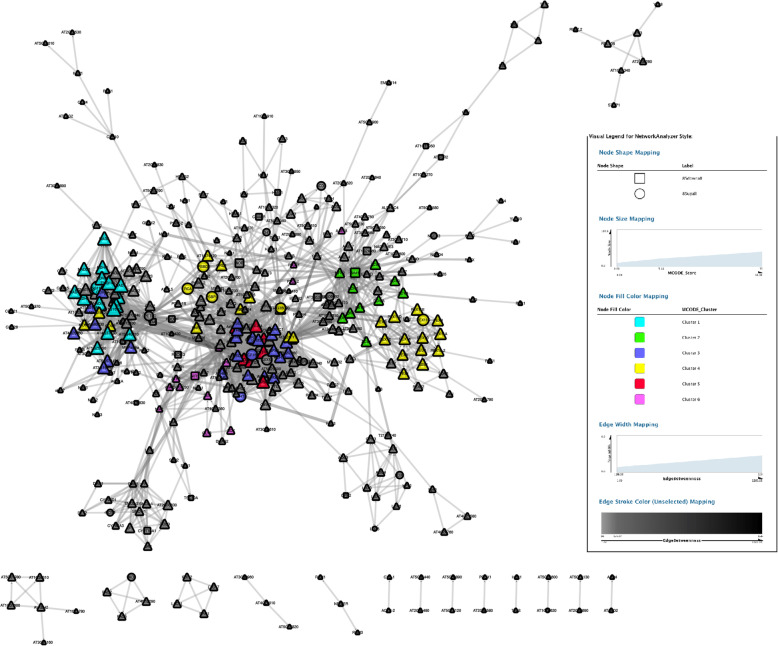
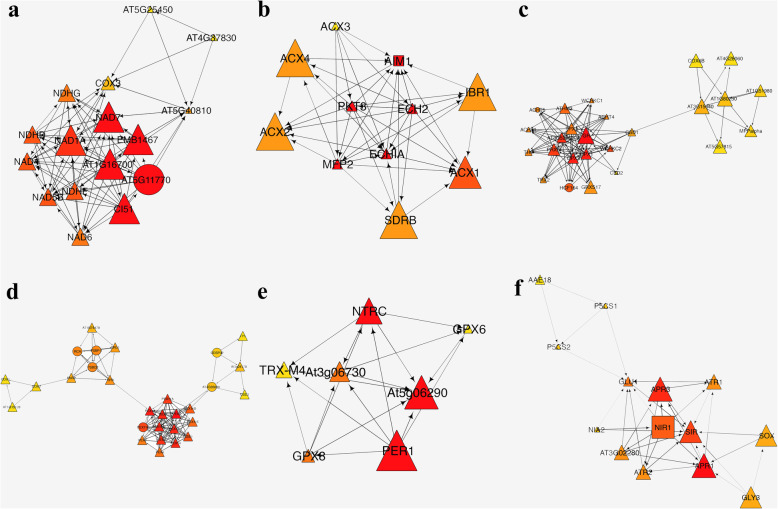
Trypsin significantly delayed the weight loss and decreased the levels of ROS and membrane lipid peroxidation. Transcriptome profiles of H. undatus treated with trypsin revealed the pathways and regulatory mechanisms of ROS genes that were up- or downregulated following trypsin treatment by gene ontology (GO) and Kyoto Encyclopedia of Genes and Genomes pathway (KEGG) enrichment analyses. The current results showed that through the regulation of the expression of hub redox enzymes, especially thioredoxin-related proteins, trypsin can maintain low levels of endogenous active oxygen species, reduce malondialdehyde content and delay fruit aging. In addition, the results of protein-protein interaction networks suggested that the downregulated NAD(P) H and lignin pathways might be the key regulatory mechanisms governed by trypsin.
Trypsin significantly prolonged the storage life of H. undatus through regulatory on the endogenous ROS metabolism. As a new biopreservative, trypsin is highly efficient, safe and economical. Therefore, trypsin possesses technical feasibility for the quality control of fruit storage.
在我们之前的研究中已经证明,胰蛋白酶可以清除超氧阴离子。在这项研究中,我们评估了胰蛋白酶在中华绒螯蟹中的贮藏品质改善机制。
胰蛋白酶显著延缓了体重下降,并降低了活性氧(ROS)和膜脂质过氧化水平。经胰蛋白酶处理的中华绒螯蟹的转录组图谱显示,通过基因本体论(GO)和京都基因与基因组百科全书(KEGG)途径富集分析,ROS 基因的上调或下调的途径和调控机制。目前的结果表明,通过调节枢纽氧化还原酶的表达,特别是硫氧还蛋白相关蛋白,胰蛋白酶可以维持低水平的内源性活性氧,降低丙二醛含量并延缓果实衰老。此外,蛋白质-蛋白质相互作用网络的结果表明,下调的 NAD(P)H 和木质素途径可能是受胰蛋白酶调控的关键调节机制。
胰蛋白酶通过调节内源性 ROS 代谢,显著延长了中华绒螯蟹的贮藏寿命。作为一种新型生物防腐剂,胰蛋白酶高效、安全、经济。因此,胰蛋白酶在水果贮藏的质量控制方面具有技术可行性。