NeuroSpin, Frédéric Joliot Life Sciences Institute, CEA, Paris-Saclay University, Gif-sur-Yvette, France.
Department of Neurology, RWTH Aachen University, Aachen, Germany.
Alzheimers Res Ther. 2020 Jun 26;12(1):77. doi: 10.1186/s13195-020-00642-1.
Current demographic trends point towards an aging society entailing increasing occurrence and burden of neurodegenerative diseases. In this context, understanding physiological aging and its turning point into neurodegeneration is essential for the development of possible biomarkers and future therapeutics of brain disease.
The SENIOR study represents a longitudinal, observational study including cognitively healthy elderlies aged between 50 and 70 years old at the time of inclusion, being followed annually over 10 years. Our multimodal protocol includes structural, diffusion, functional, and sodium magnetic resonance imaging (MRI) at 3 T and 7 T, positron emission tomography (PET), blood samples, genetics, audiometry, and neuropsychological and neurological examinations as well as assessment of neuronal risk factors.
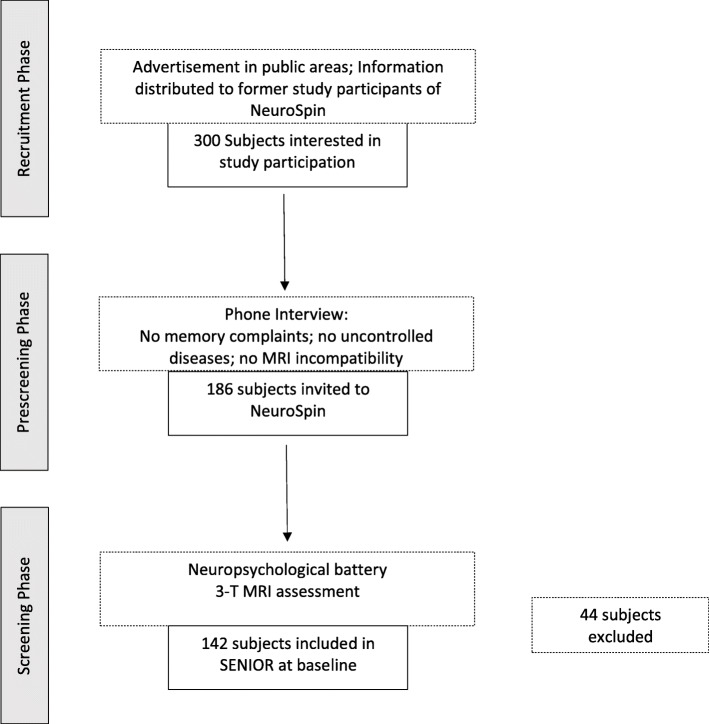
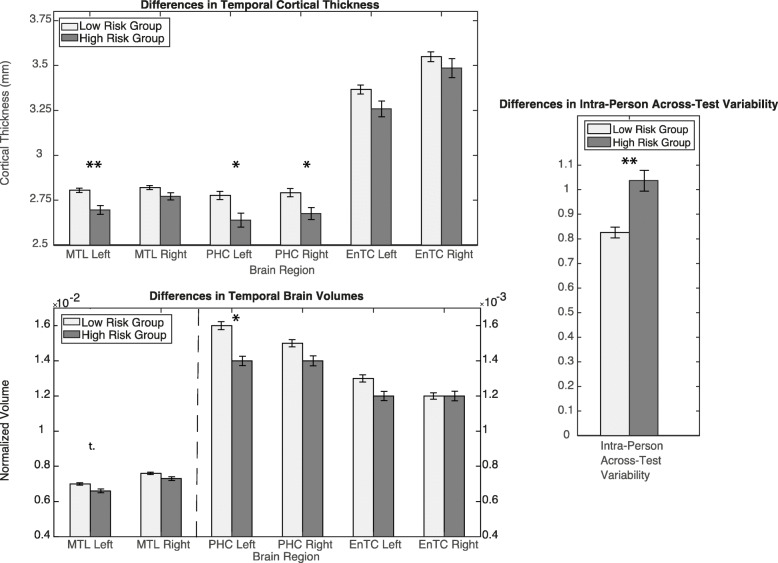
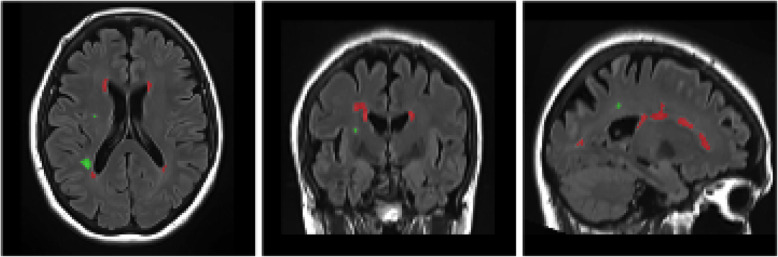
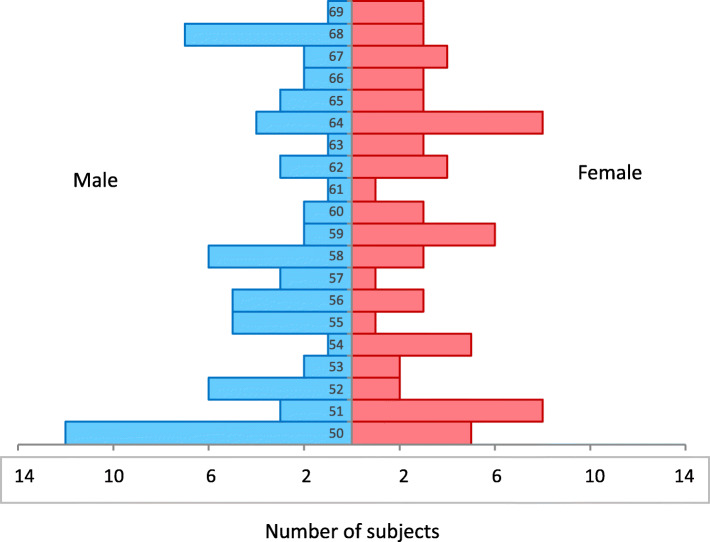
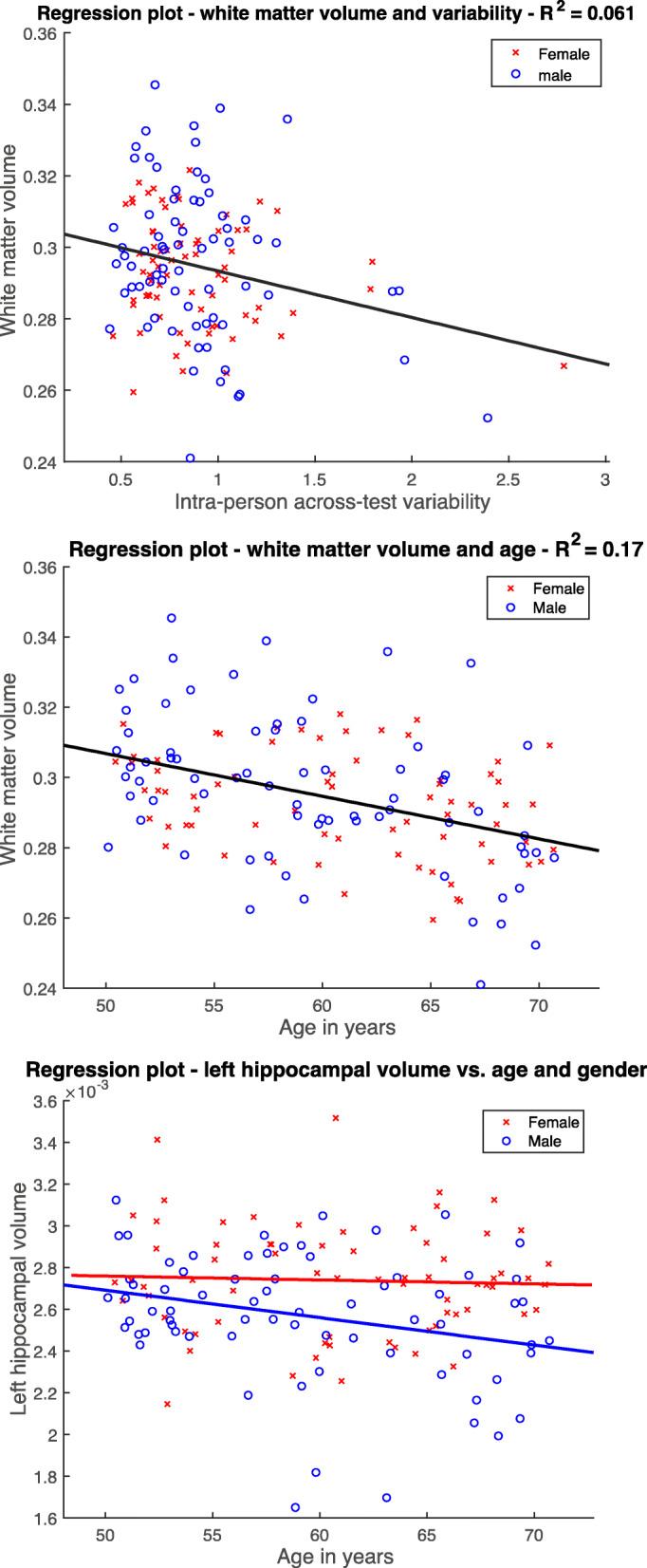
One hundred forty-two participants (50% females) were enrolled in the SENIOR cohort with a mean age of 60 (SD 6.3) years at baseline. Baseline results with multiple regression analyses reveal that cerebral white matter lesions can be predicted by cardiovascular and cognitive risk factors and age. Cardiovascular risk factors were strongly associated with juxtacortical and periventricular lesions. Intra-subject across-test variability as a measure of neuropsychological test performance and possible cognitive marker predicts white matter volume and is significantly associated with risk profile. Division of the cohort into subjects with a higher and lower risk profile shows significant differences in intra-subject across-test variability and volumes as well as cortical thickness of brain regions of the temporal lobe. There is no difference between the lower- and higher-risk groups in amyloid load using PET data from a subset of 81 subjects.
We here describe the study protocol and baseline findings of the SENIOR observational study which aim is the establishment of integrated, multiparametric maps of normal aging and the identification of early biomarkers for neurodegeneration. We show that intra-subject across-test variability as a marker of neuropsychological test performance as well as age, gender, and combined risk factors influence neuronal decline as represented by decrease in brain volume, cortical thickness, and increase in white matter lesions. Baseline findings will be used as underlying basis for the further implications of aging and neuronal degeneration as well as examination of brain aging under different aspects of brain pathology versus physiological aging.
当前的人口趋势表明,社会正在老龄化,这导致神经退行性疾病的发病率和负担不断增加。在这种情况下,了解生理衰老及其向神经退行性病变转变的过程对于开发可能的生物标志物和未来的脑部疾病治疗方法至关重要。
SENIOR 研究是一项纵向观察性研究,纳入了年龄在 50 至 70 岁之间的认知健康老年人,在纳入时进行了为期 10 年的每年随访。我们的多模态方案包括结构、扩散、功能和钠磁共振成像(MRI)在 3T 和 7T、正电子发射断层扫描(PET)、血液样本、遗传学、听力测试、神经心理学和神经学检查以及神经元危险因素评估。
SENIOR 队列纳入了 142 名参与者(50%为女性),平均年龄为 60(SD 6.3)岁。基线的多回归分析结果显示,脑白质病变可以通过心血管和认知危险因素以及年龄来预测。心血管危险因素与皮质下和脑室周围病变密切相关。作为神经心理学测试表现和可能的认知标志物的跨测试个体内变异性可以预测白质体积,并与风险状况显著相关。将队列分为风险较高和较低的亚组,发现跨测试个体内变异性和体积以及颞叶脑区的皮质厚度存在显著差异。在使用 81 名参与者的 PET 数据的亚组中,淀粉样蛋白负荷在低风险和高风险组之间没有差异。
我们在这里描述了 SENIOR 观察性研究的研究方案和基线结果,该研究的目的是建立正常衰老的综合多参数图谱,并确定神经退行性变的早期生物标志物。我们表明,作为神经心理学测试表现的标志物的跨测试个体内变异性以及年龄、性别和综合危险因素会影响神经元衰退,表现为脑体积、皮质厚度和白质病变的减少。基线结果将作为衰老和神经元变性进一步影响的基础,以及在不同脑病理学与生理衰老方面检查脑老化的基础。