Zerbini Giulia, Ebigbo Alanna, Reicherts Philipp, Kunz Miriam, Messman Helmut
Department of Medical Psychology and Sociology, Medical Faculty, University of Augsburg, Germany.
Medical Clinic III, University Hospital Augsburg, Germany.
Ger Med Sci. 2020 Jun 22;18:Doc05. doi: 10.3205/000281. eCollection 2020.
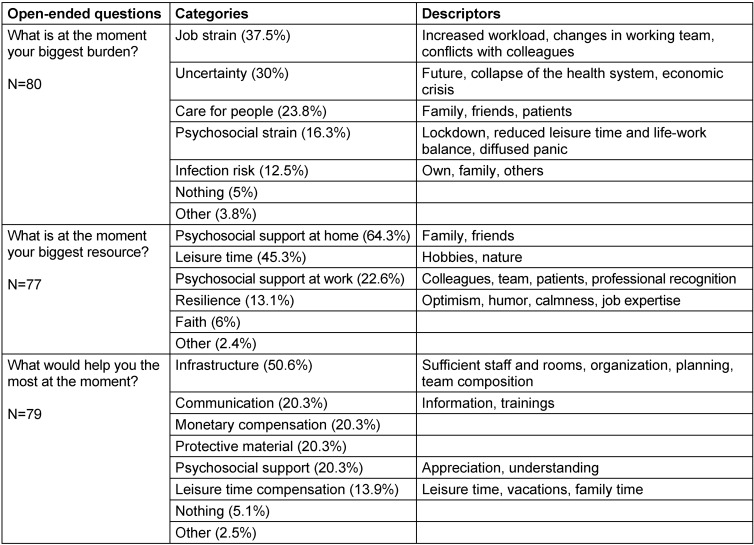
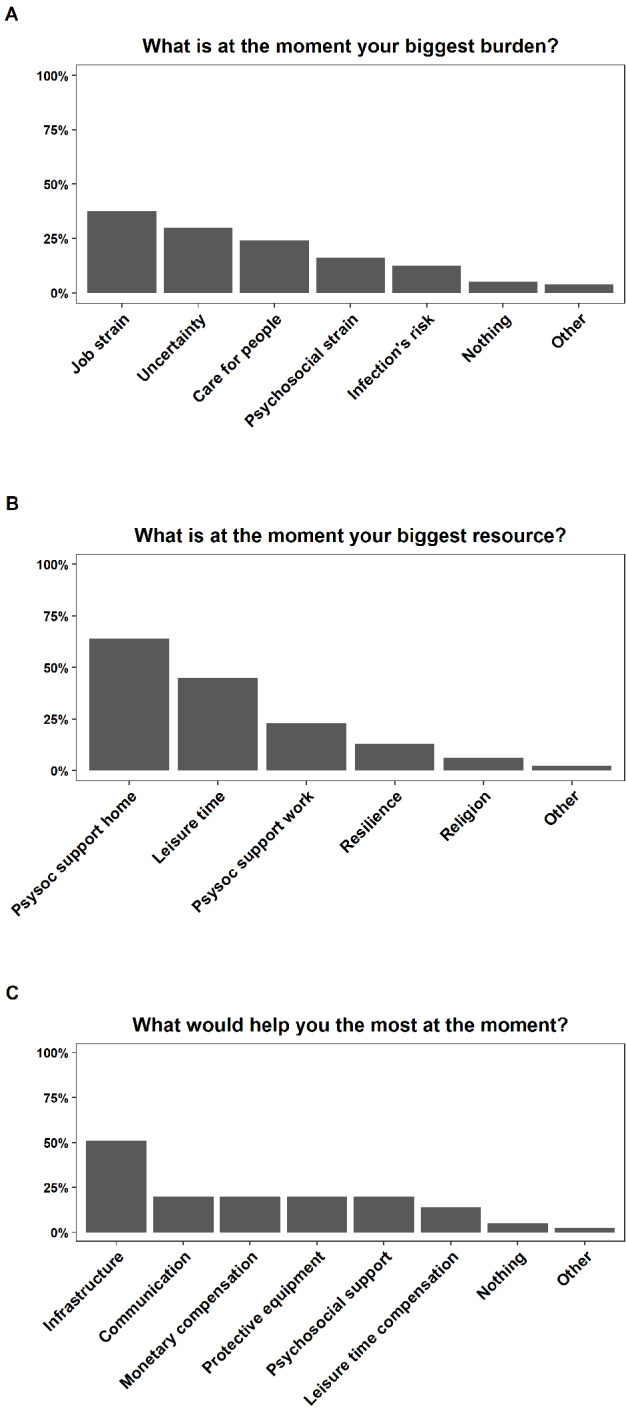
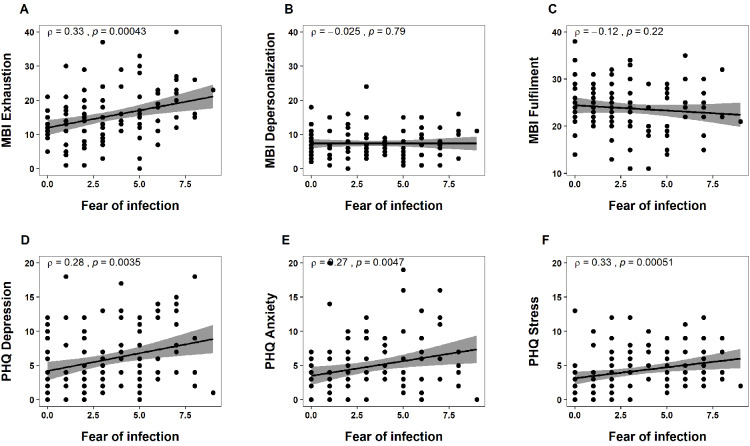
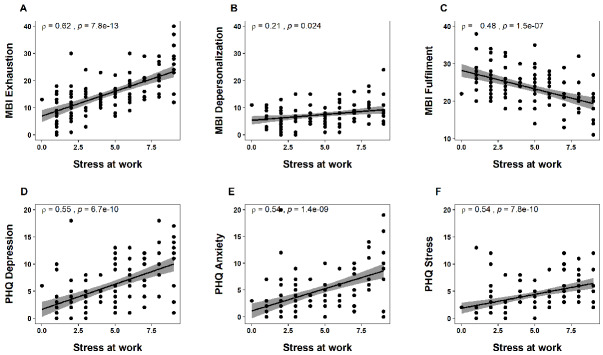
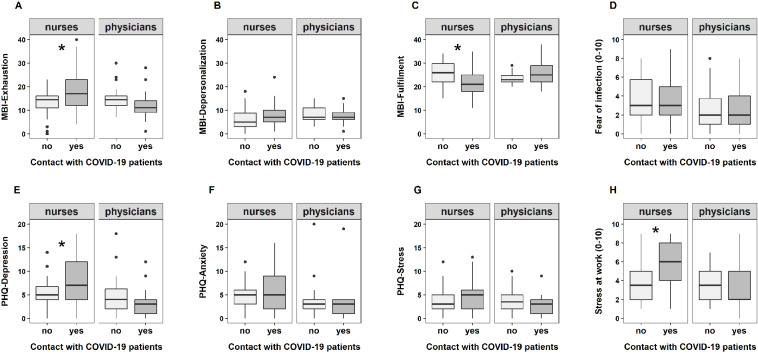
The outbreak of COVID-19 was declared a pandemic by the WHO in March 2020. Studies from China, where the virus first spread, have reported increased psychological strain in healthcare professionals. The aim of this study was to investigate the psychosocial burden of physicians and nurses depending on their degree of contact with COVID-19 patients. In addition, we explored which supportive resources they used and which supportive needs they experienced during the crisis. Data were collected between March and April 2020 at the University Hospital Augsburg. A total of 75 nurses and 35 physicians, working either in a special COVID-19 ward or in a regular ward, took part in the survey. The participants filled in two standardized questionnaires (the Patient Health Questionnaire, PHQ; and the Maslach Burnout Inventory, MBI), and reported their fear of a COVID-19 infection and stress at work on a 10-point Likert scale. Finally, they answered three open-ended questions about causes of burden, supportive resources and needs during the crisis. Nurses working in the COVID-19 wards reported higher levels of stress, exhaustion, and depressive mood, as well as lower levels of work-related fulfilment compared to their colleagues in the regular wards. Physicians reported similar scores independent of their contact with COVID-19 patients. The most common causes for burden were job strain and uncertainty about the future. Psychosocial support as well as leisure time were listed as important resources, and a better infrastructure adjustment to COVID-19 at the hospital (e.g. sufficient staff, keeping teams and working schedules stable) as suggestion for improvement. Our findings indicate that especially nurses working in COVID-19 wards are affected psychologically by the consequences of the pandemic. This might be due to a higher workload and longer time in direct contact with COVID-19 patients, compared to physicians.
2020年3月,世界卫生组织宣布新型冠状病毒肺炎(COVID-19)疫情为大流行。来自病毒最初传播地中国的研究报告称,医护人员的心理压力有所增加。本研究的目的是调查医生和护士的心理社会负担,具体取决于他们与COVID-19患者的接触程度。此外,我们还探讨了他们在危机期间使用了哪些支持资源以及经历了哪些支持需求。2020年3月至4月期间,在奥格斯堡大学医院收集了数据。共有75名护士和35名医生参与了调查,他们分别在COVID-19专科病房或普通病房工作。参与者填写了两份标准化问卷(患者健康问卷,PHQ;以及马氏职业倦怠量表,MBI),并在10分制李克特量表上报告了他们对感染COVID-19的恐惧以及工作压力。最后,他们回答了三个关于负担原因、支持资源和危机期间需求的开放式问题。与普通病房的同事相比,在COVID-19病房工作的护士报告的压力、疲惫和抑郁情绪水平更高,而与工作相关的成就感水平更低。医生报告的分数相似,与他们是否接触COVID-19患者无关。负担的最常见原因是工作压力和对未来的不确定性。心理社会支持以及休闲时间被列为重要资源,医院对COVID-19进行更好的基础设施调整(例如充足的工作人员、保持团队和工作时间表稳定)被列为改进建议。我们的研究结果表明,特别是在COVID-19病房工作的护士在心理上受到了疫情后果的影响。这可能是因为与医生相比,他们的工作量更大,与COVID-19患者直接接触的时间更长。