Pyle Madeline P, Hoa Michael
Division of Intramural Research, Section on Auditory Development and Restoration, National Institute on Deafness and Other Communication Disorders (NIDCD) Otolaryngology Surgeon-Scientist Program National Institutes of Health Bethesda Maryland USA.
Laryngoscope Investig Otolaryngol. 2020 Apr 27;5(3):404-431. doi: 10.1002/lio2.388. eCollection 2020 Jun.
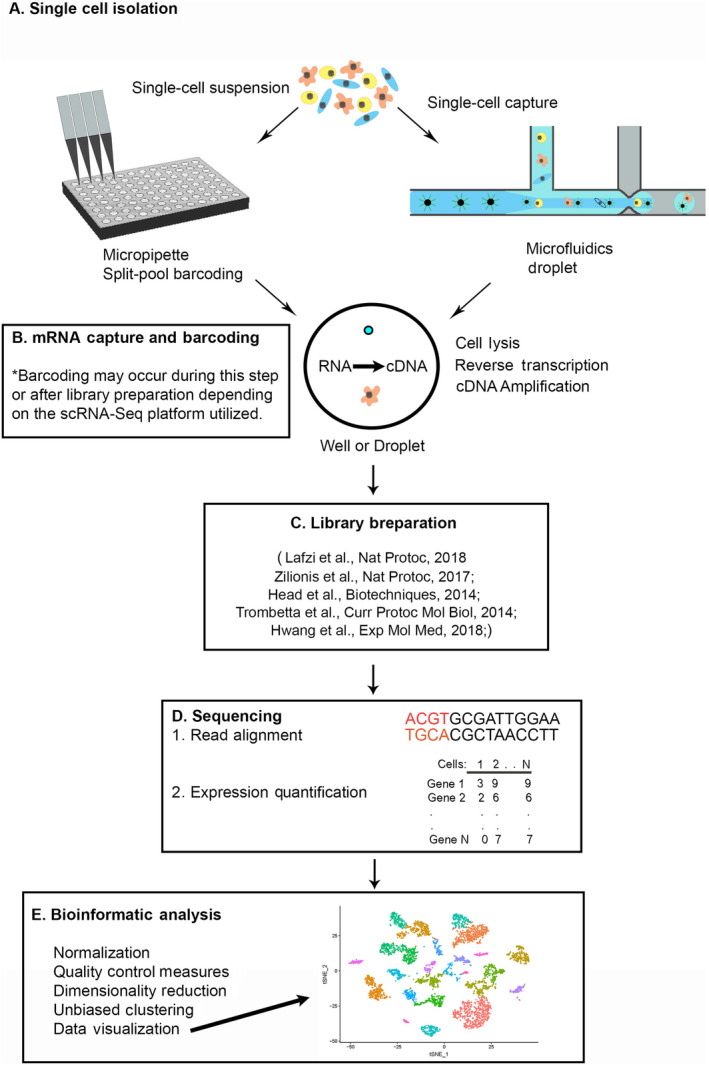
Single-cell RNA sequencing (scRNA-Seq) is a new technique used to interrogate the transcriptome of individual cells within native tissues that have already resulted in key discoveries in auditory basic science research. Rapid advances in scRNA-Seq make it likely that it will soon be translated into clinical medicine. The goal of this review is to inspire the use of scRNA-Seq in otolaryngology by giving examples of how it can be applied to patient samples and how this information can be used clinically.
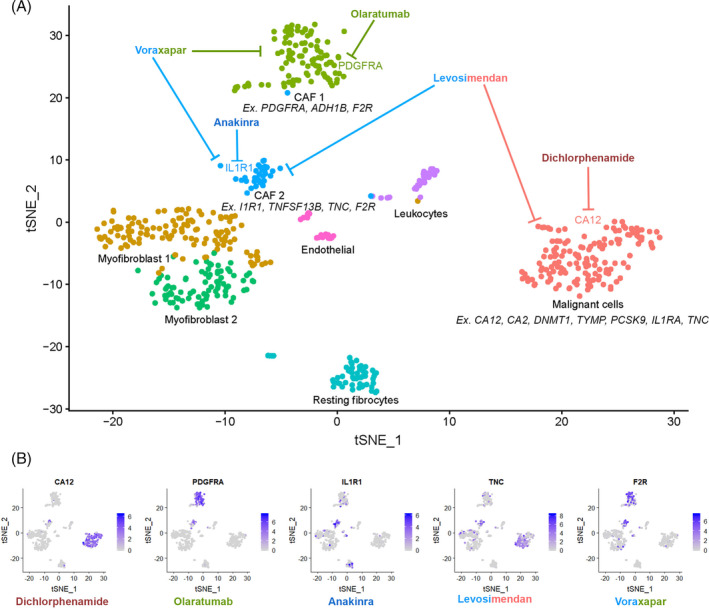
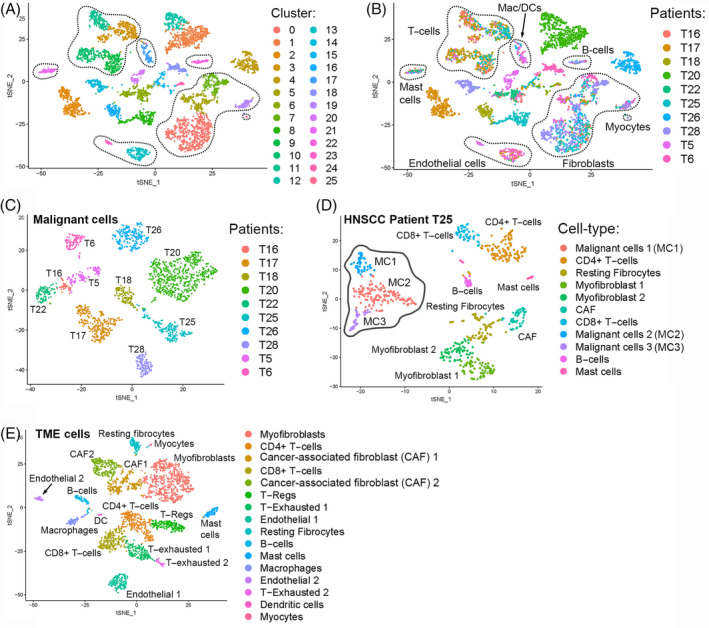
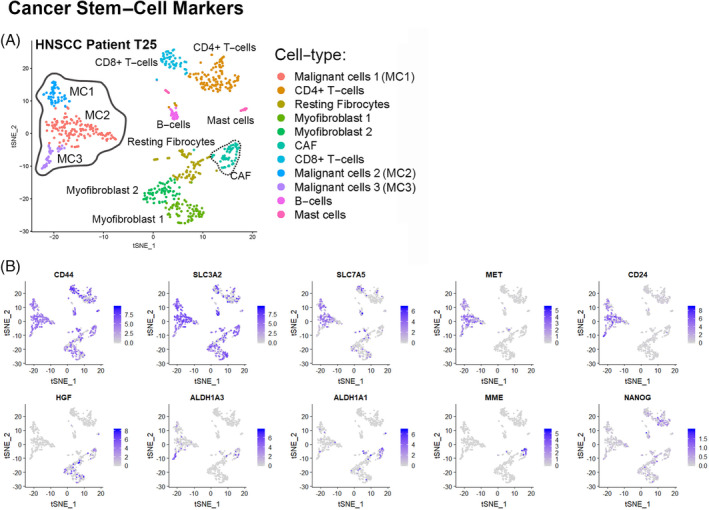
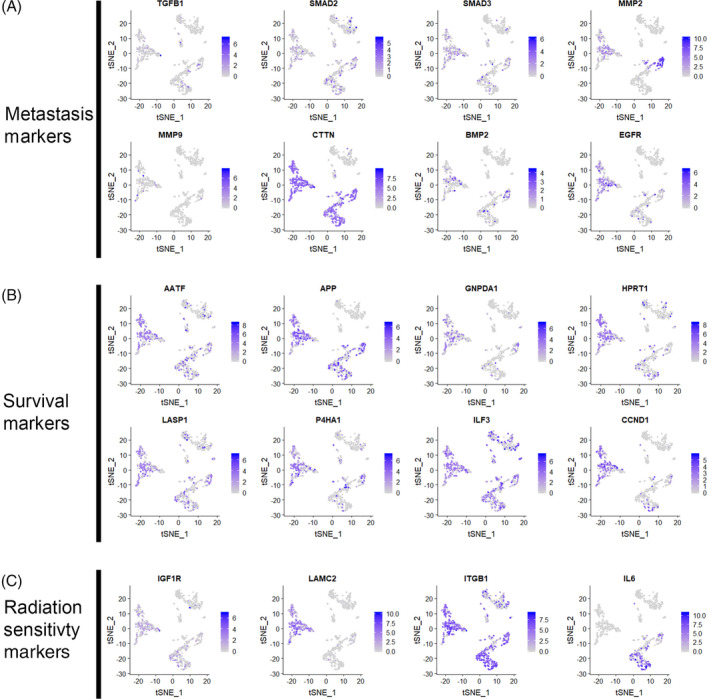
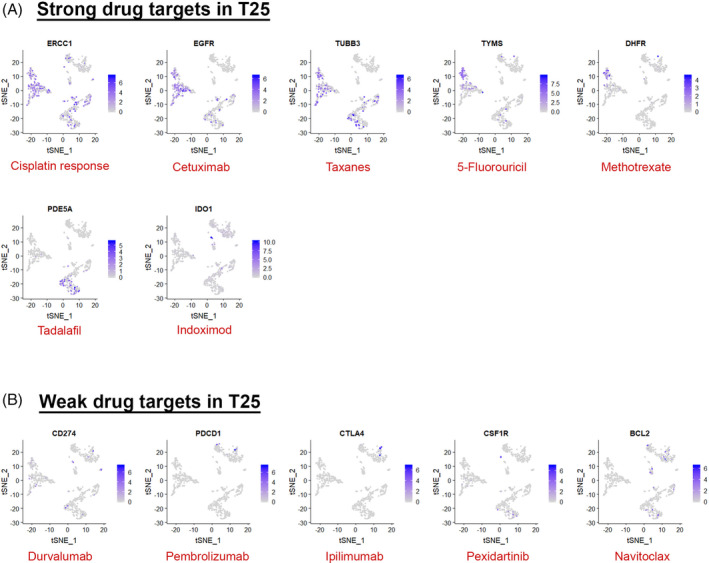
Studies were selected based on the scientific quality and relevance to scRNA-Seq. In addition to mouse auditory system (inner ear including hair cells and supporting cells, spiral ganglion neurons, and inner ear organoids), recent studies using human primary cell samples are discussed. We also perform our own analysis on publicly available, published scRNA-Seq data from oral head and neck squamous cell carcinoma (HNSCC) samples to serve as an example of a clinically relevant application of scRNA-Seq.
Studies focusing on patient tissues show that scRNA-Seq reveals tissue heterogeneity and rare-cell types responsible for disease pathogenesis. The heterogeneity detected by scRNA-Seq can result in both the identification of known or novel disease biomarkers and drug targets. Our analysis of HNSCC data gives an example for how otolaryngologists can use scRNA-Seq for clinical use.
Although there are limitations to the translation of scRNA-Seq to the clinic, we show that its use in otolaryngology can give physicians insight into the tissue heterogeneity within their patient's diseased tissue giving them information on disease pathogenesis, novel disease biomarkers or druggable targets, and aid in selecting patient-specific drug cocktails.
单细胞RNA测序(scRNA-Seq)是一种用于研究天然组织中单个细胞转录组的新技术,该技术已在听觉基础科学研究中取得了关键发现。scRNA-Seq的快速发展使其有望很快应用于临床医学。本综述的目的是通过举例说明scRNA-Seq如何应用于患者样本以及如何将这些信息用于临床,来激发其在耳鼻喉科的应用。
根据科学质量和与scRNA-Seq的相关性选择研究。除了小鼠听觉系统(包括毛细胞和支持细胞、螺旋神经节神经元的内耳以及内耳类器官),还讨论了使用人类原代细胞样本的最新研究。我们还对公开可用的、已发表的口腔头颈部鳞状细胞癌(HNSCC)样本的scRNA-Seq数据进行了自己的分析,以作为scRNA-Seq临床相关应用的一个例子。
针对患者组织的研究表明,scRNA-Seq揭示了组织异质性以及导致疾病发病机制的罕见细胞类型。scRNA-Seq检测到的异质性可导致识别已知或新型疾病生物标志物和药物靶点。我们对HNSCC数据的分析为例说明了耳鼻喉科医生如何将scRNA-Seq用于临床。
尽管scRNA-Seq向临床的转化存在局限性,但我们表明其在耳鼻喉科的应用可以让医生深入了解患者患病组织内的组织异质性,为他们提供有关疾病发病机制、新型疾病生物标志物或可药物化靶点的信息,并有助于选择患者特异性药物组合。