University of Ljubljana, Faculty of Medicine, Department of Pharmacology and Experimental Toxicology, Ljubljana, Slovenia.
Agency for Medicinal Products and Medical Devices of the Republic of Slovenia, Ljubljana, Slovenia.
Arh Hig Rada Toksikol. 2020 Mar 1;71(1):12-18. doi: 10.2478/aiht-2020-71-3302.
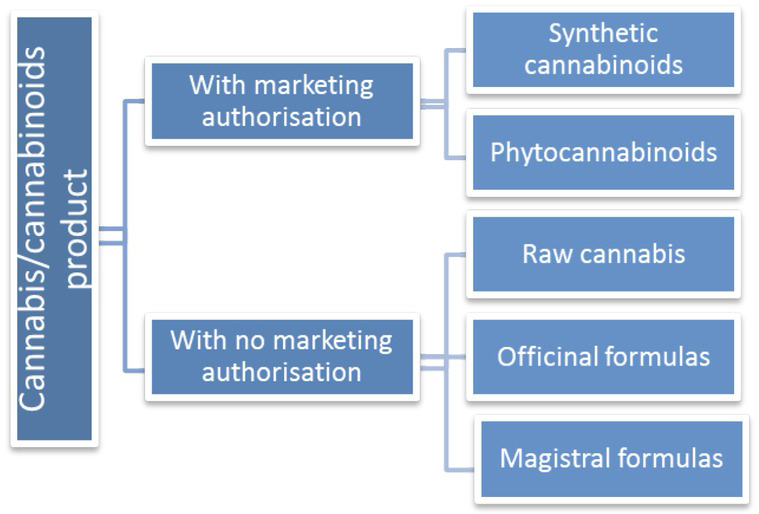
The discovery of the endocannabinoid system has raised public interest in the medicinal use of cannabis, phytocannabinoids, and synthetic cannabinoids, which has always been closely regulated due to their psychotropic effects and potential abuse. The review takes a quick look at the current legal framework in the European Union, which regulates cannabis use and cultivation for medicinal purposes in line with the United Nations Conventions on the production, trade, and use of cannabis, phytocannabinoids, and synthetic cannabinoids. And while the EU legislation precisely defines requirements and marketing authorisation procedures for medicinal products for all EU member states, there is no common regulatory framework for magistral and officinal preparations containing cannabinoids, as they are exempt from marketing authorisation. Instead, their regulation is left to each member state, and it is quite uneven at this point, mainly due to cultural and historical differences between the countries, leading to different access to non-authorised medicinal products. Therefore, to meet great public interest, harmonised approaches on cannabinoid-containing products without marketing authorisation would be welcome to level the playing field in the EU.
内源性大麻素系统的发现引起了公众对大麻、植物大麻素和合成大麻素药用的兴趣,由于其精神活性作用和潜在滥用的可能性,这些物质的使用一直受到严格监管。该综述快速回顾了欧盟目前的法律框架,该框架根据联合国关于大麻、植物大麻素和合成大麻素的生产、贸易和使用的公约,对药用大麻的使用和种植进行了监管。虽然欧盟立法为所有欧盟成员国的医药产品精确地定义了要求和上市许可程序,但含有大麻素的顺势疗法和法定制剂没有共同的监管框架,因为它们不需要上市许可。相反,对它们的监管留给每个成员国,而目前成员国之间的监管非常不均衡,这主要是由于各国之间的文化和历史差异,导致对非授权医药产品的获取程度不同。因此,为了满足公众的巨大兴趣,欢迎在欧盟采用不含上市许可的大麻素产品的协调方法,以实现公平竞争。