Institute of Epigenetics and Stem Cells, Helmholtz Zentrum München, München, Germany.
Université Paris-Saclay, INRAE, ENVA, BREED U1198, Jouy-en-Josas, France.
Nat Cell Biol. 2020 Jul;22(7):767-778. doi: 10.1038/s41556-020-0536-6. Epub 2020 Jun 29.
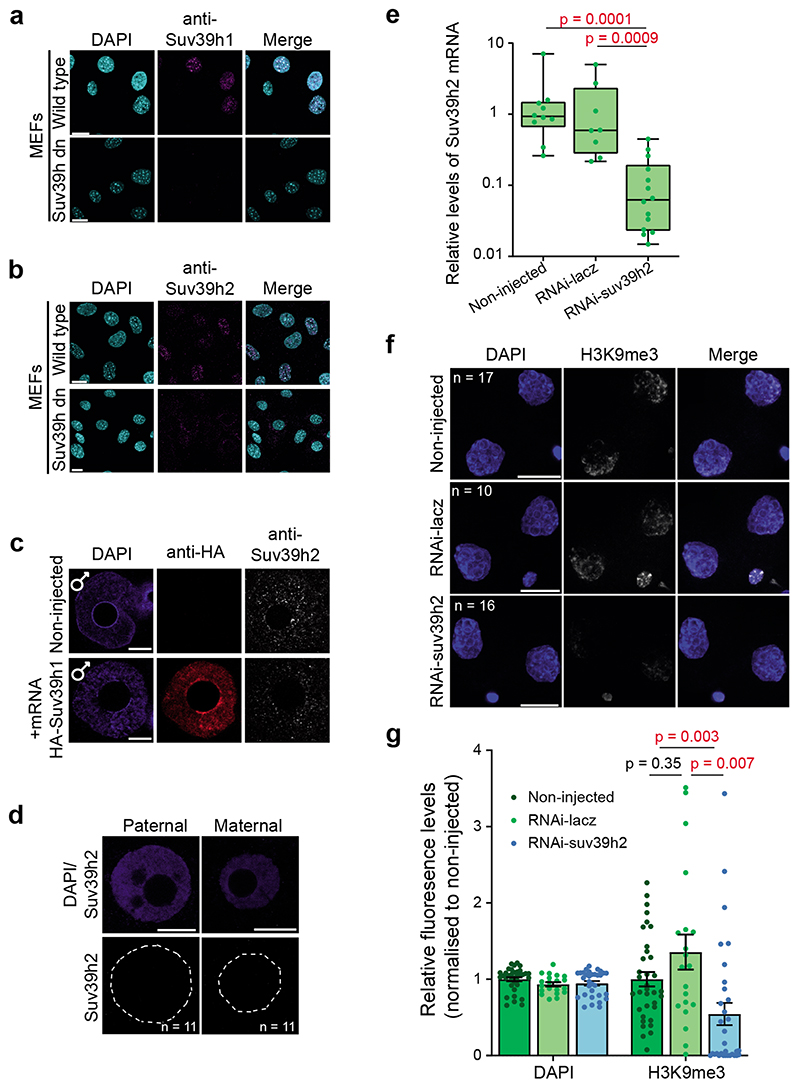
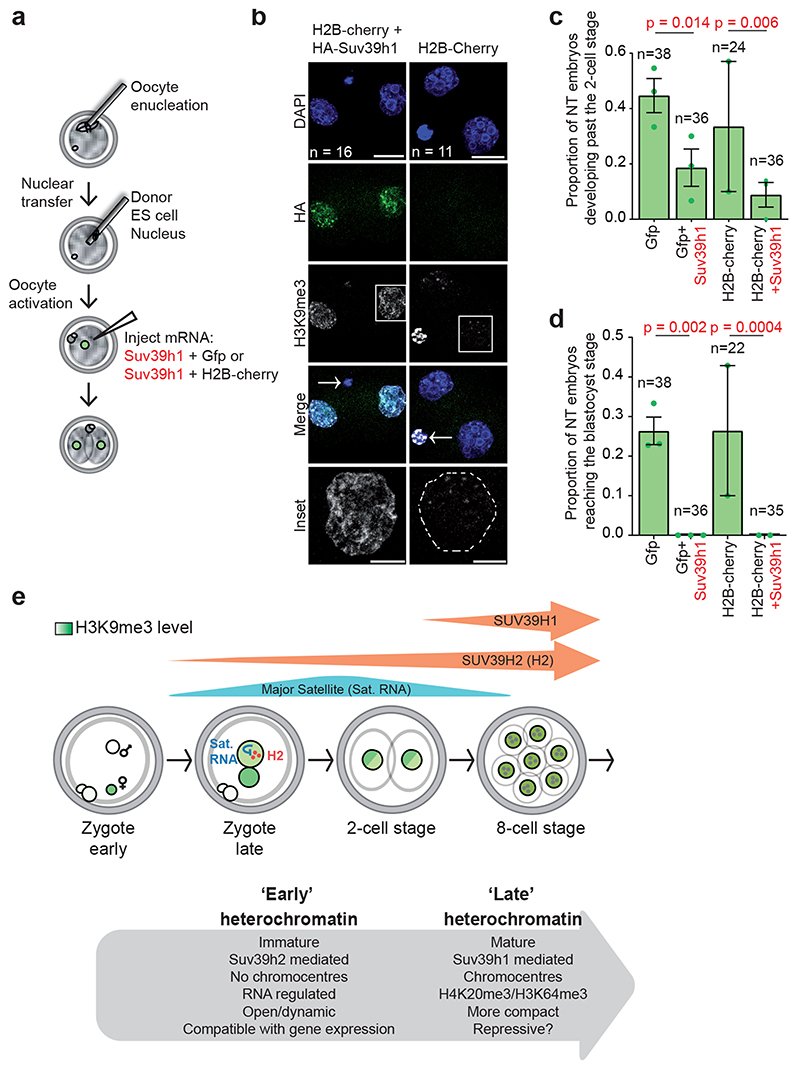
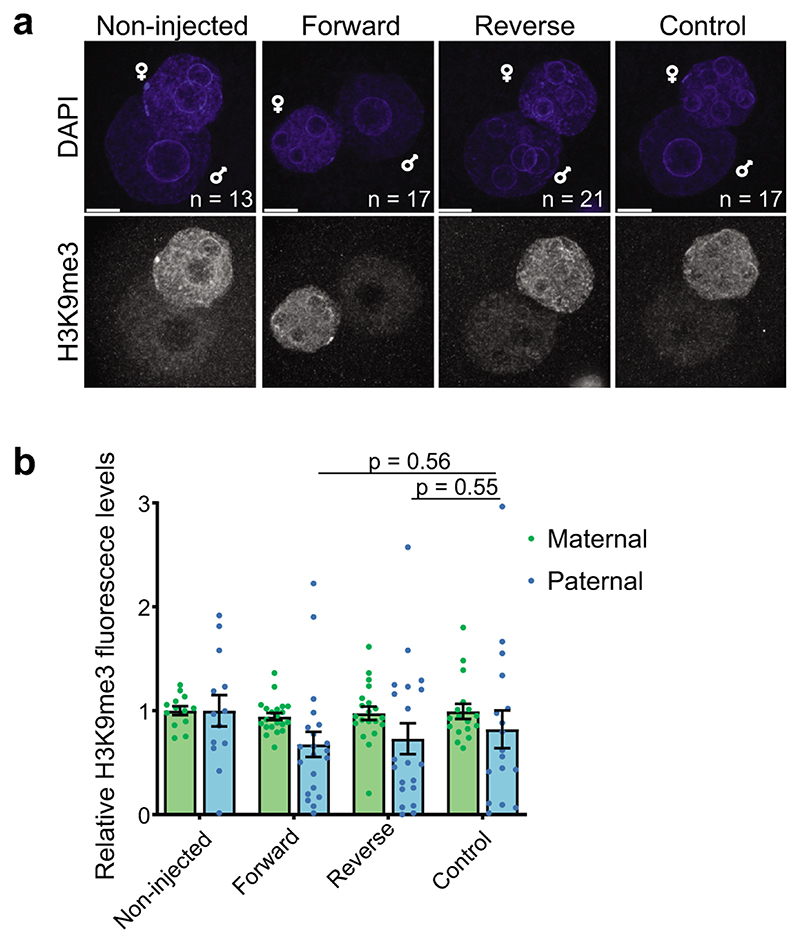
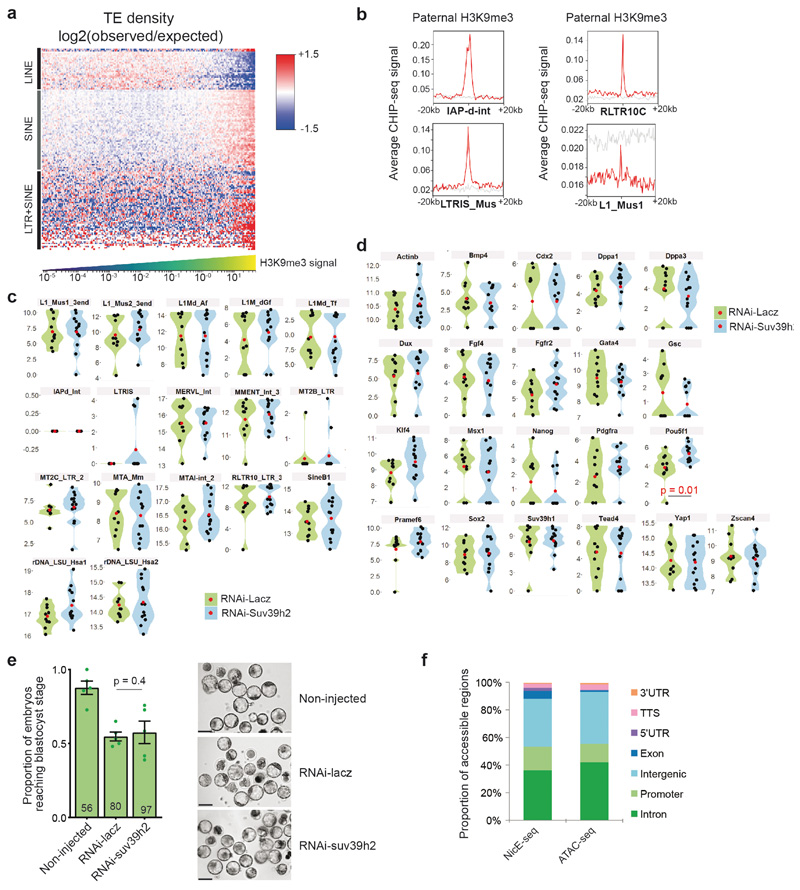
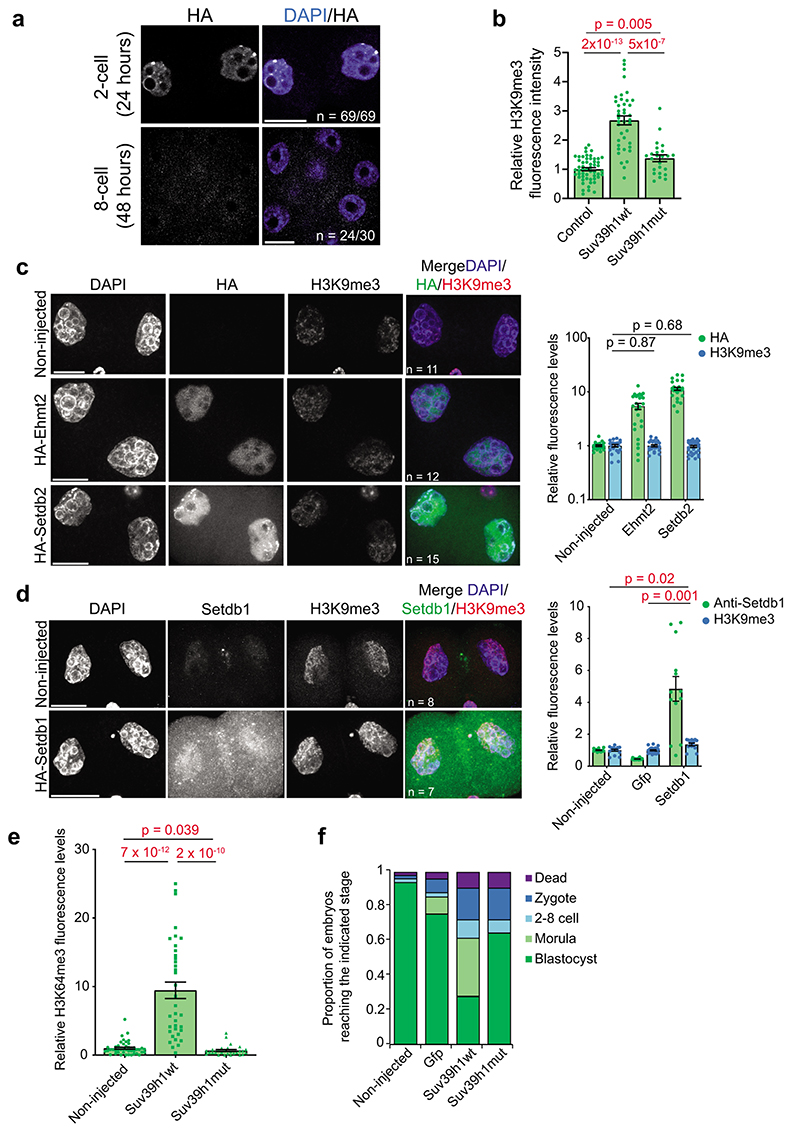
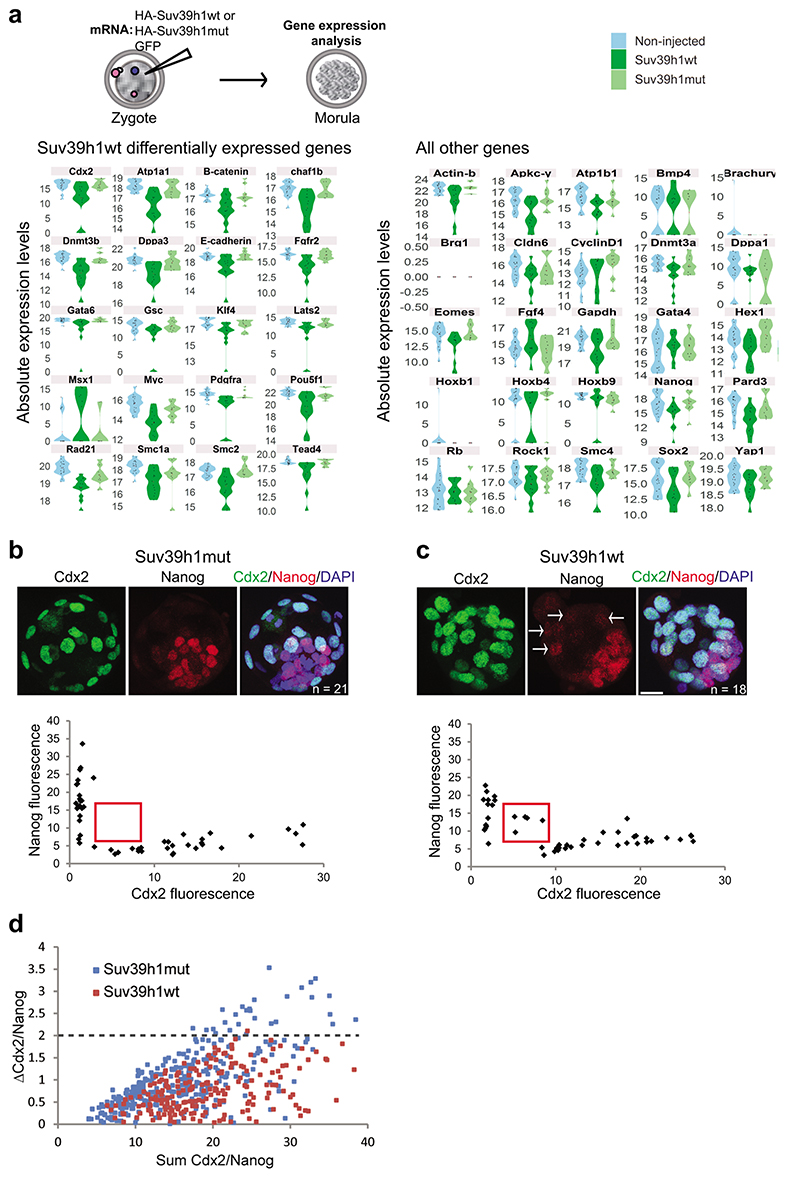
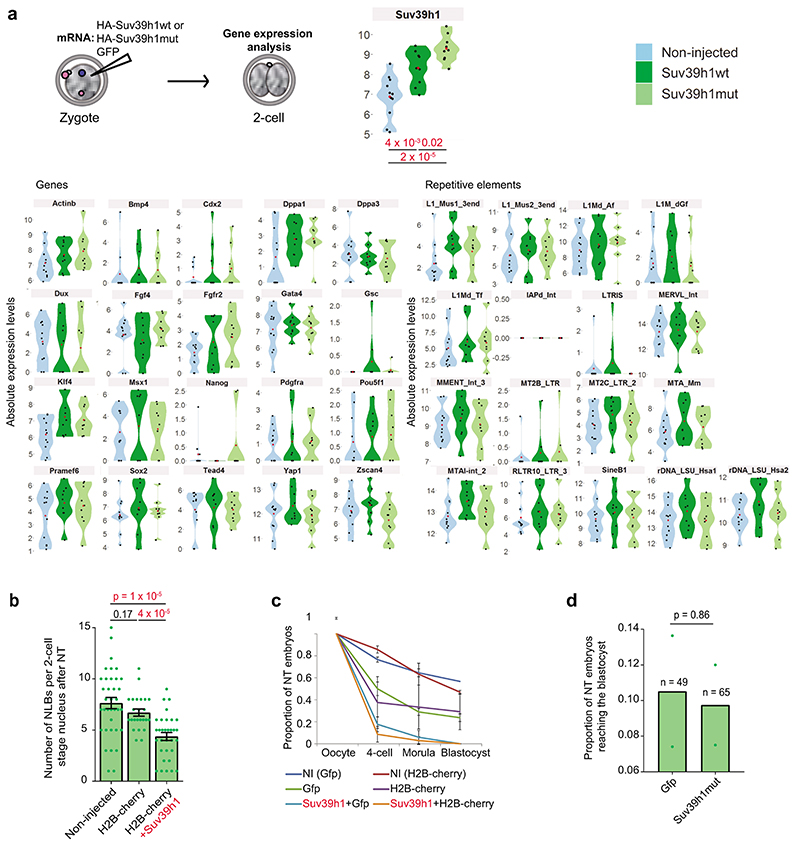
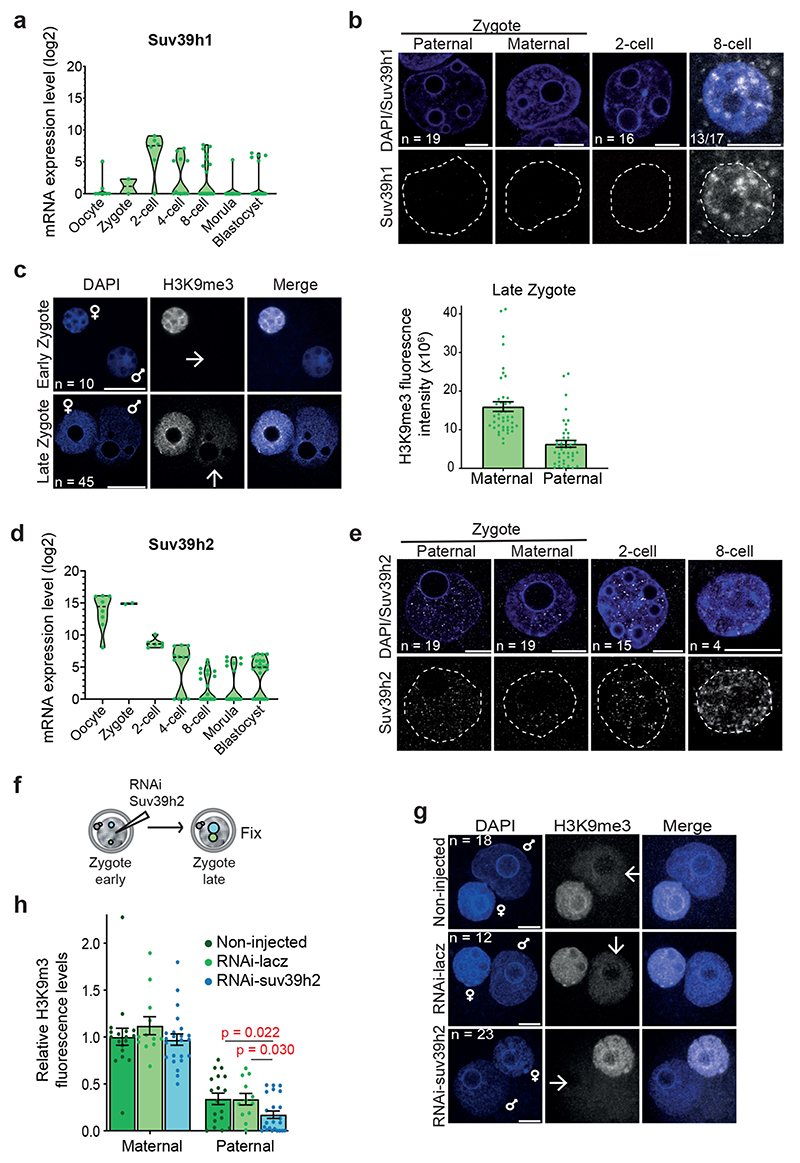
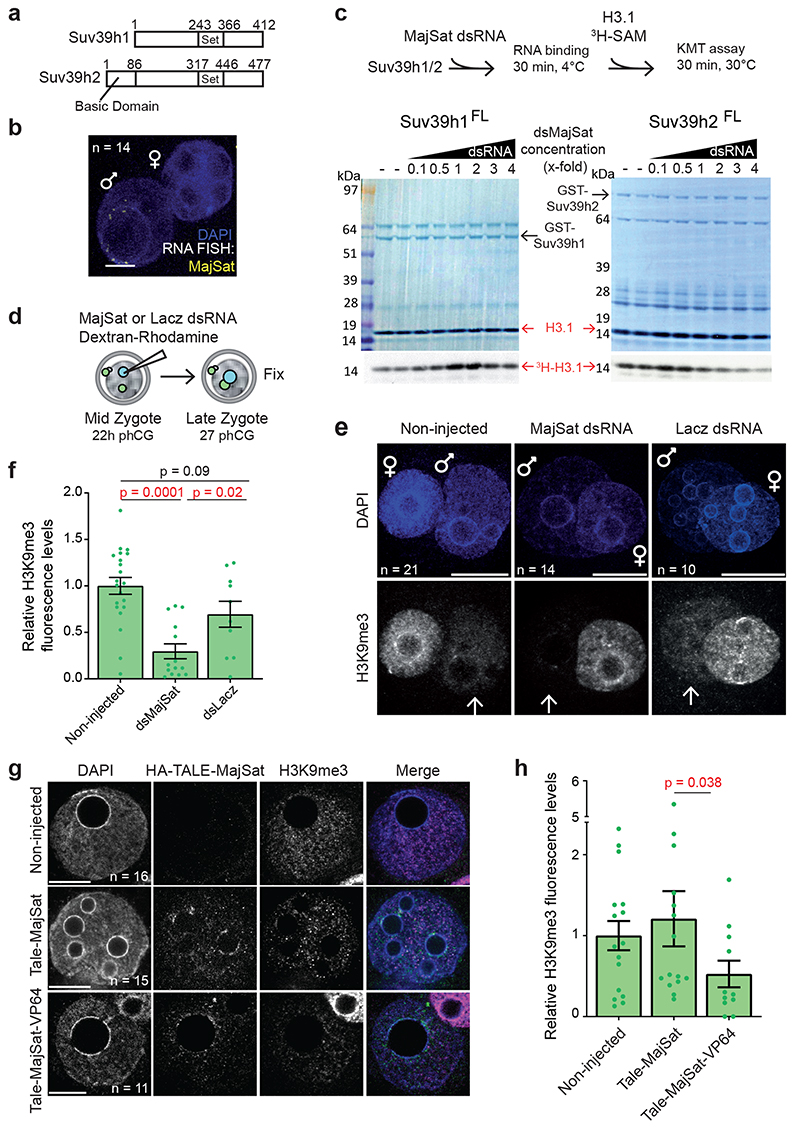
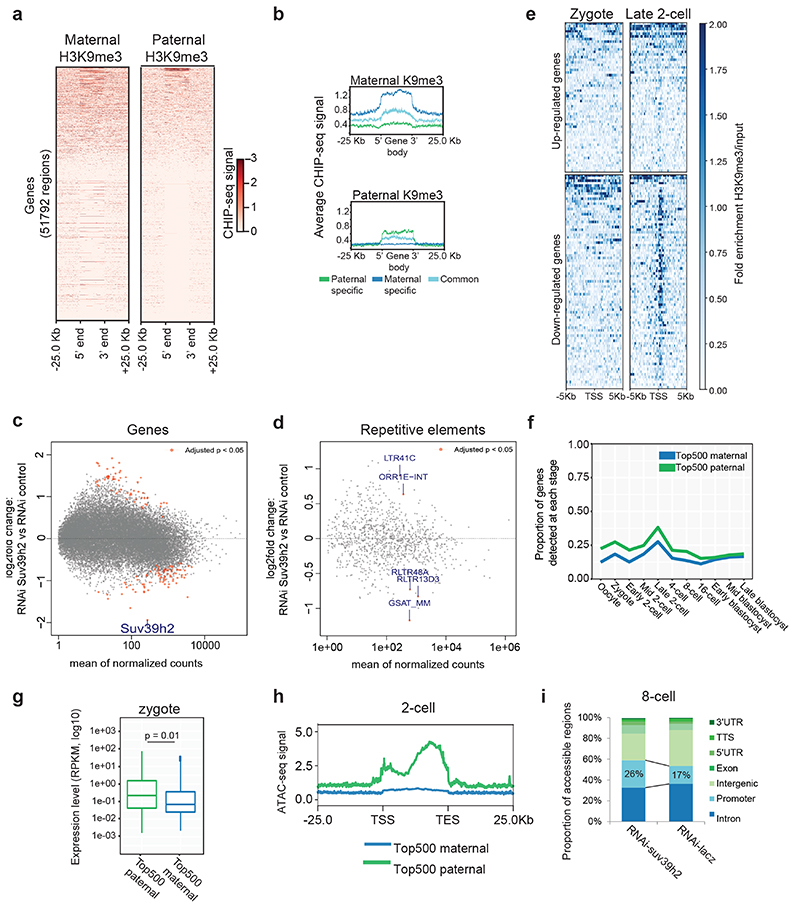
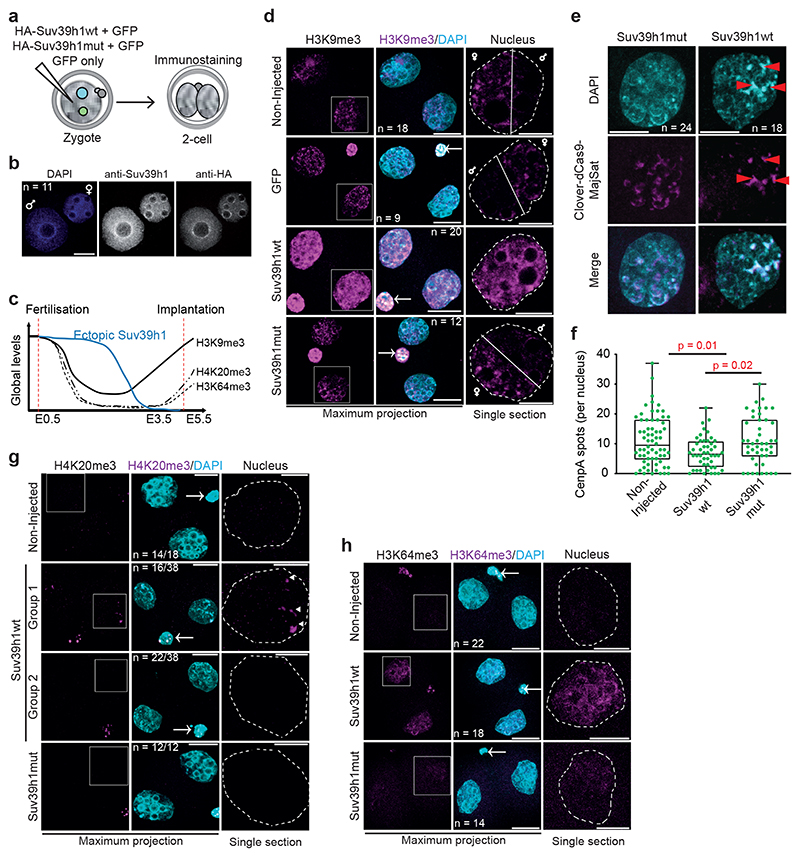
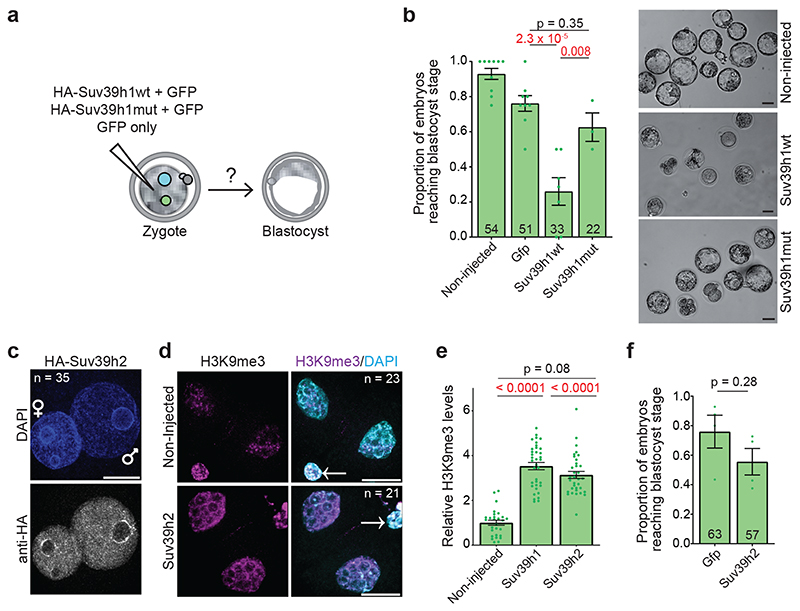
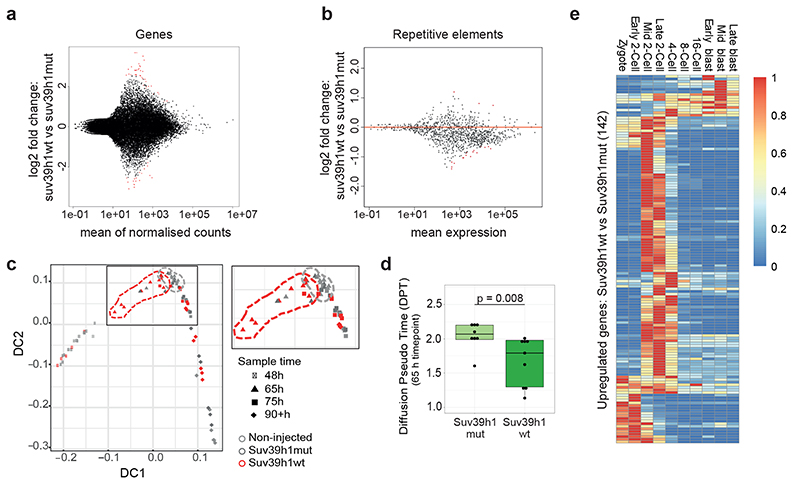
Following fertilization in mammals, the gametes are reprogrammed to create a totipotent zygote, a process that involves de novo establishment of chromatin domains. A major feature occurring during preimplantation development is the dramatic remodelling of constitutive heterochromatin, although the functional relevance of this is unknown. Here, we show that heterochromatin establishment relies on the stepwise expression and regulated activity of SUV39H enzymes. Enforcing precocious acquisition of constitutive heterochromatin results in compromised development and epigenetic reprogramming, which demonstrates that heterochromatin remodelling is essential for natural reprogramming at fertilization. We find that de novo H3K9 trimethylation (H3K9me3) in the paternal pronucleus after fertilization is catalysed by SUV39H2 and that pericentromeric RNAs inhibit SUV39H2 activity and reduce H3K9me3. De novo H3K9me3 is initially non-repressive for gene expression, but instead bookmarks promoters for compaction. Overall, we uncover the functional importance for the restricted transmission of constitutive heterochromatin during reprogramming and a non-repressive role for H3K9me3.
哺乳动物受精后,配子被重新编程以产生全能性合子,这一过程涉及染色质结构域的从头建立。在植入前胚胎发育过程中发生的一个主要特征是组成型异染色质的剧烈重塑,尽管其功能相关性尚不清楚。在这里,我们表明异染色质的建立依赖于 SUV39H 酶的逐步表达和调节活性。强制提前获得组成型异染色质会导致发育不良和表观遗传重编程,这表明异染色质重塑对于受精时的自然重编程是必不可少的。我们发现,受精后父本原核中 H3K9 三甲基化(H3K9me3)的从头合成由 SUV39H2 催化,着丝粒 RNA 抑制 SUV39H2 活性并降低 H3K9me3。H3K9me3 的从头合成最初对基因表达没有抑制作用,但它为浓缩标记启动子。总的来说,我们揭示了在重编程过程中组成型异染色质的有限传递的功能重要性,以及 H3K9me3 的非抑制作用。