Department of Environmental Engineering, College of Biology and the Environment, Nanjing Forestry University, Nanjing, 210037, Jiangsu Province, China.
Sci Rep. 2020 Jun 29;10(1):10558. doi: 10.1038/s41598-020-67614-1.
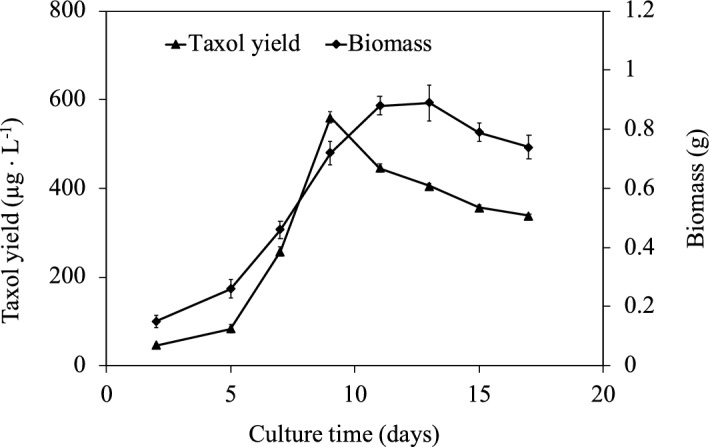
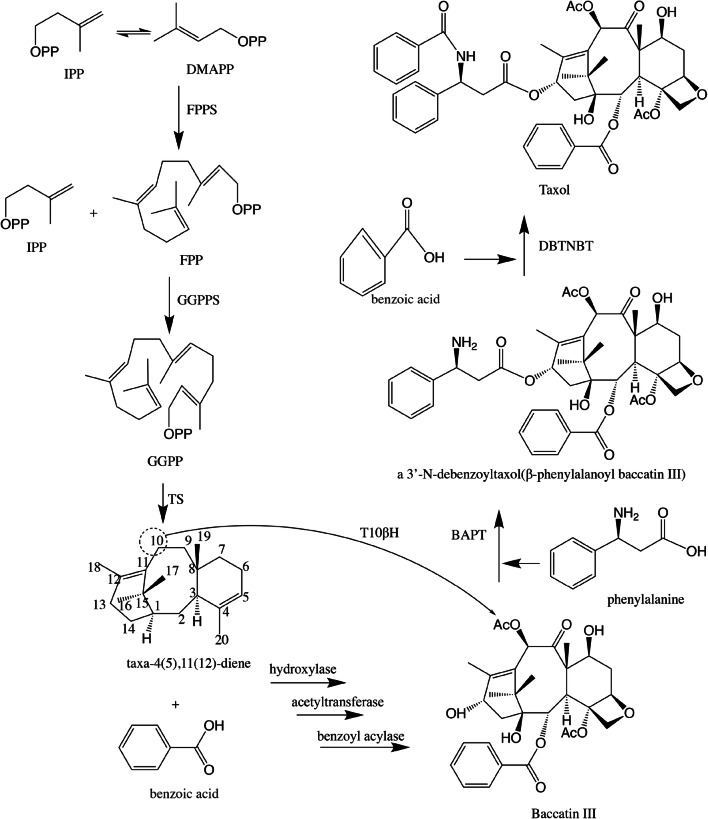
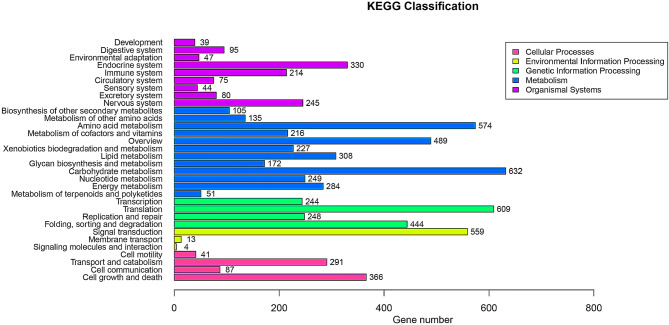
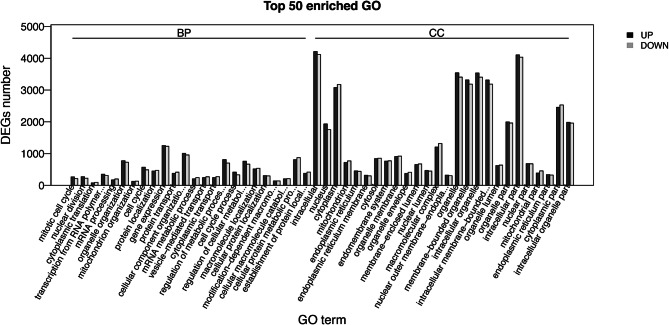
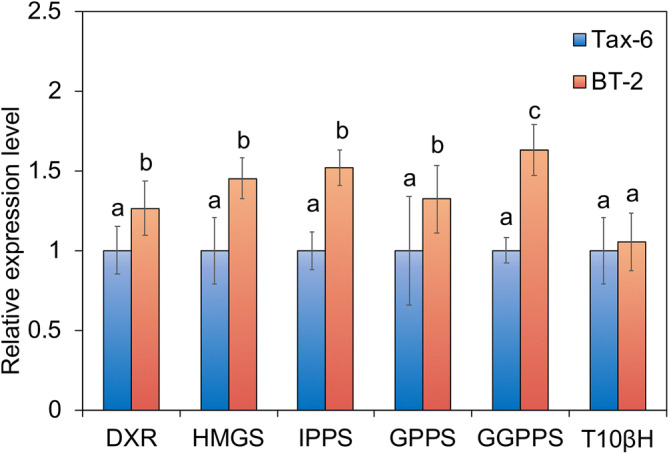
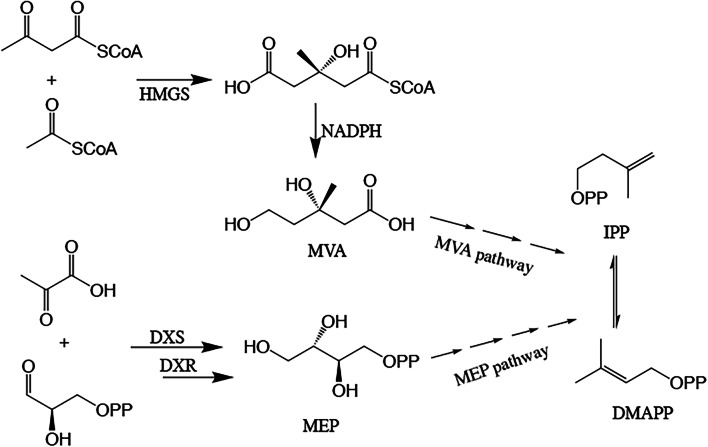
Taxol is a rare but extremely effective antitumor agent extracted from Taxus yew barks. Taxus plants are valuable and rare species, and the production of taxol from them is a complex process. Therefore, taxol-producing endophytic fungi seem to be a promising alternative because of their high practical value and convenient progress. In this study, the transcriptome of an endophytic fungus, Aspergillus aculeatinus Tax-6 was analyzed in order to understand the molecular mechanisms of producing fungal taxol. The results showed that genes involved in the mevalonate (MVA) pathway and non-mevalonate (MEP) pathway were expressed, including isopentenyl pyrophosphate transferase, geranyl pyrophosphate transferase, and geranylgeranyl pyrophosphate synthetase. However, those downstream genes involved in the conversion of taxa-4(5)-11(12)-diene from geranylgeranyl pyrophosphate were not expressed except for taxane 10-beta-hydroxylase. Additionally, a mutant strain, A. aculeatinus BT-2 was obtained from the original strain, A. aculeatinus Tax-6, using fungicidin as the mutagenic agent. The taxol yield of BT-2 was 560 µg L, which was higher than that of Tax-6. To identify the mechanism of the difference in taxol production, we compared the transcriptomes of the two fungi and explored the changes in the gene expression between them. When compared with the original strain, Tax-6, most genes related to the MVA pathway in the mutant strain BT-2 showed upregulation, including GGPPS. Moreover, most of the downstream genes were not expressed in the mutant fungi as well. Overall, the results revealed the pathway and mechanism of taxol synthesis in endophytic fungi and the potential for the construction of taxol-producing genetic engineering strains.
紫杉醇是一种从紫杉树皮中提取的稀有但极其有效的抗肿瘤药物。紫杉植物是有价值和稀有的物种,从它们中生产紫杉醇是一个复杂的过程。因此,产紫杉醇的内生真菌似乎是一种很有前途的替代品,因为它们具有很高的实用价值和方便的进展。在这项研究中,分析了一种内生真菌——细脚拟青霉 Tax-6 的转录组,以了解其产生真菌紫杉醇的分子机制。结果表明,参与甲羟戊酸(MVA)途径和非甲羟戊酸(MEP)途径的基因表达,包括异戊烯基焦磷酸转移酶、香叶基焦磷酸转移酶和香叶基二磷酸合酶。然而,除了紫杉烷 10-β-羟化酶外,那些涉及从香叶基二磷酸转化为紫杉烷 4(5)-11(12)-二烯的下游基因均未表达。此外,从原始菌株细脚拟青霉 Tax-6 中用fungicidin 作为诱变剂获得了突变株 A. aculeatinus BT-2。BT-2 的紫杉醇产量为 560µg/L,高于 Tax-6。为了确定紫杉醇产量差异的机制,我们比较了两种真菌的转录组,并探讨了它们之间基因表达的变化。与原始菌株 Tax-6 相比,突变株 BT-2 中与 MVA 途径相关的大多数基因上调,包括 GGPPS。此外,大多数下游基因在突变真菌中也没有表达。总的来说,这些结果揭示了内生真菌中紫杉醇合成的途径和机制,以及构建产紫杉醇的遗传工程菌株的潜力。