Department of Hepatobiliary Surgery, Affiliated Hospital of Youjiang Medical University for Nationalities, Guangxi Zhuang Autonomous Region, Baise 533000, China.
Clinic Medicine Research Center of Hepatobiliary Diseases, Affiliated Hospital of Youjiang Medical University for Nationalities, Guangxi Zhuang Autonomous Region, Baise 533000, China.
Aging (Albany NY). 2020 Jun 27;12(12):11550-11567. doi: 10.18632/aging.103302.
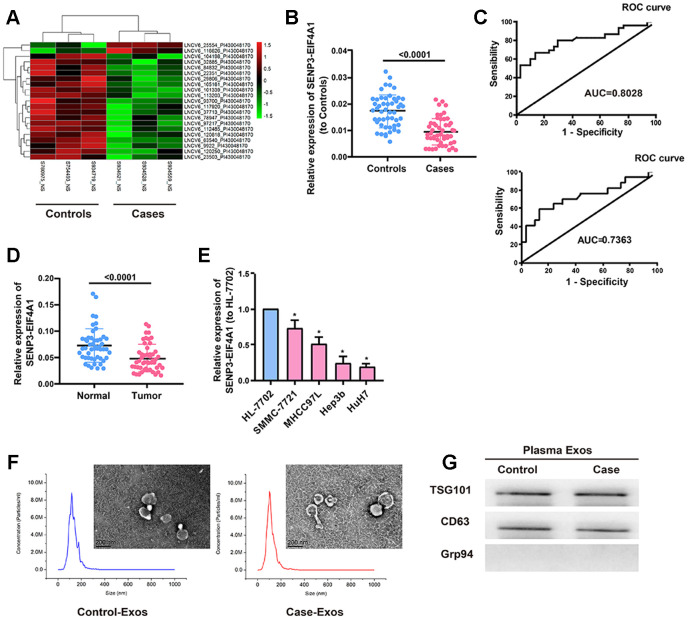
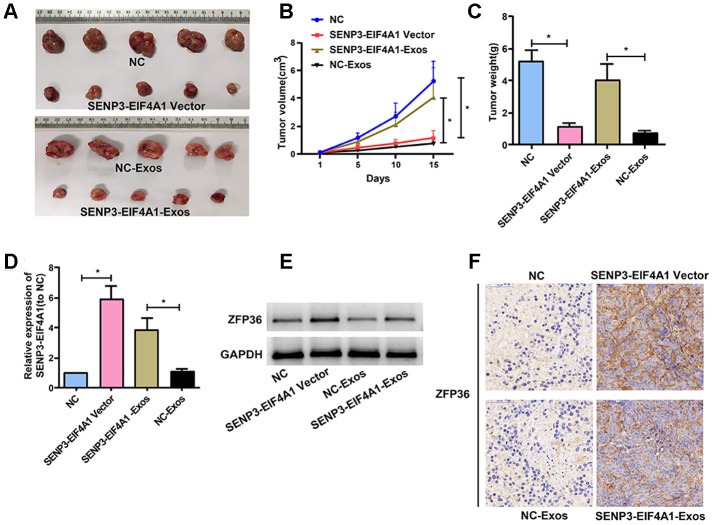
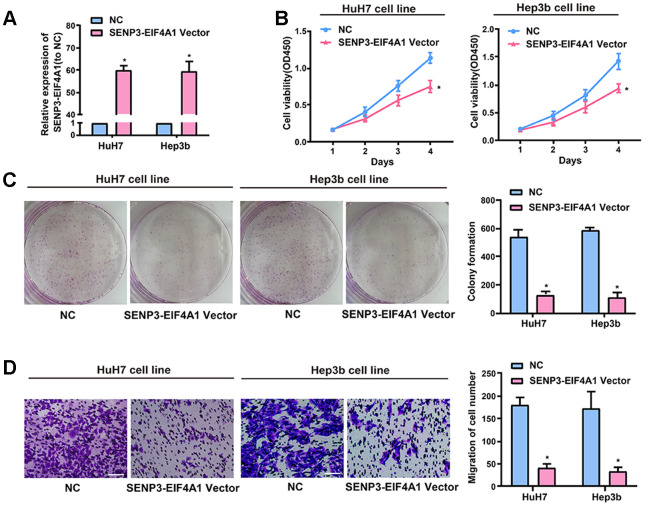
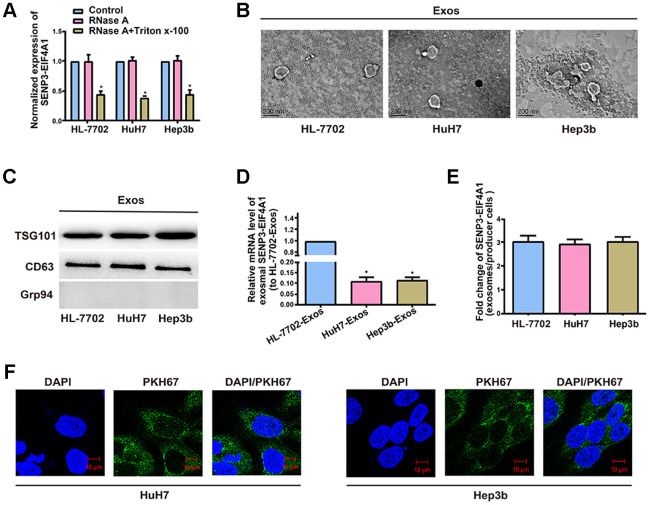
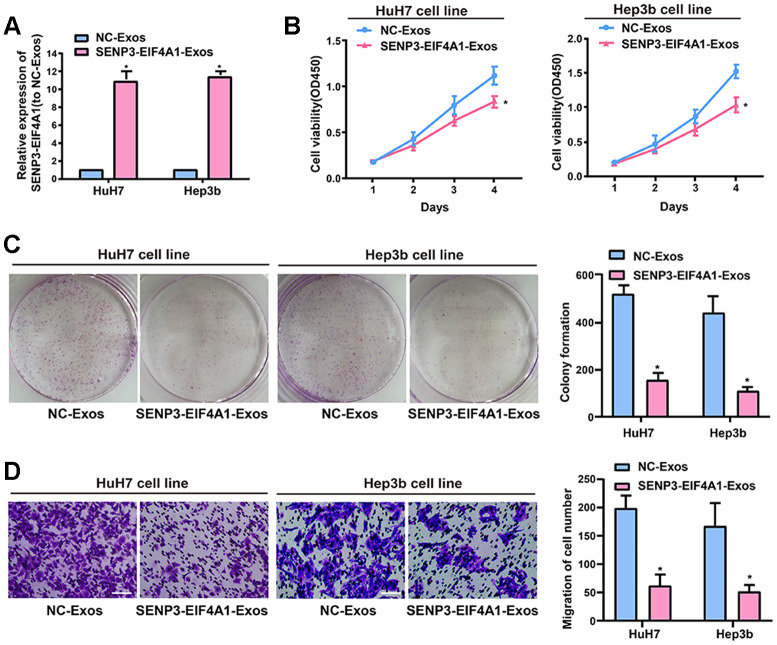
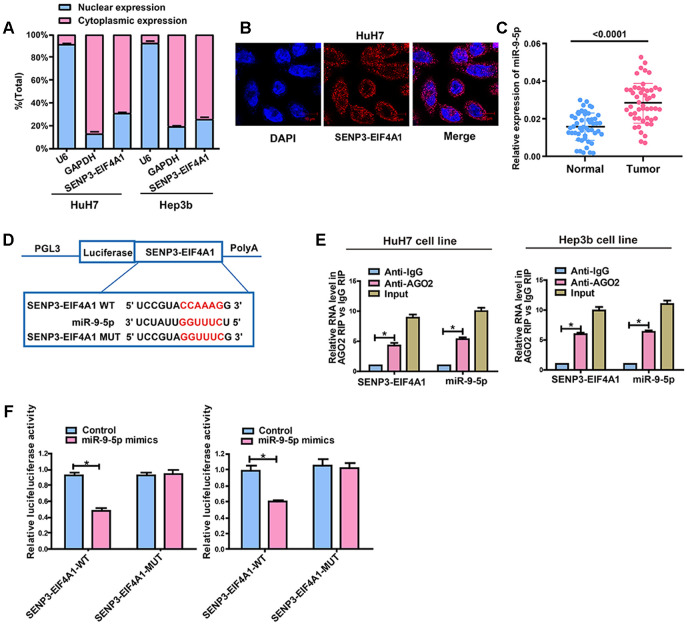
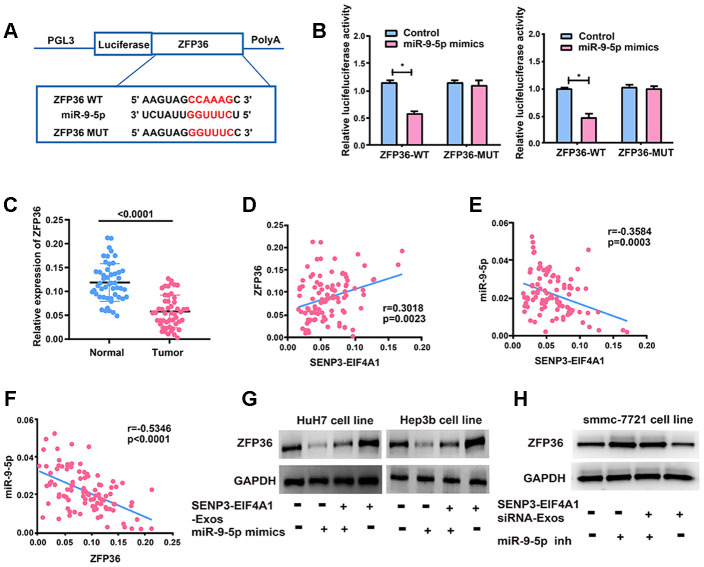
Extracellular communication mediated by exosomes in a tumor microenvironment can substantially affect tumor progression. However, the effect of exosomal long non-coding RNA on hepatocellular carcinoma (HCC) is still unclear. In this study, expressions in patients with HCC and healthy controls were detected and compared. Results showed that was significantly reduced in HCC tissues and exosomes from the plasma of patients with HCC (<0.05) and was primarily encapsulated by exosomes. The patients with HCC and the healthy controls could be distinguished using exosomal (AUC=0.8028). The transfer of exosomal secreted by normal cells to HCC cells stimulated apoptosis and weakened the invasion and migration abilities of HCC cells to suppress their malignant biological behavior (<0.05). Additionally, exosomal was capable of inhibiting tumor growth in vivo and modulating the expression of by competitively binding to miR-9-5p. In conclusion, exosomal is a new favorable biomarker for clinically detecting HCC, and can be transmitted by exosomes from normal cells to HCC cells to inhibit the and development of HCC. Thus, exosomal is involved in the communication between normal cells and HCC cells during the onset of HCC.
细胞外囊泡在肿瘤微环境中介导的细胞外通讯可以显著影响肿瘤的进展。然而,外泌体长非编码 RNA 对肝细胞癌 (HCC) 的影响尚不清楚。在本研究中,检测并比较了 HCC 患者和健康对照者中 的表达。结果表明,HCC 组织和 HCC 患者血浆来源的外泌体中 的表达显著降低(<0.05),主要被外泌体包裹。利用外泌体 (AUC=0.8028)可以区分 HCC 患者和健康对照者。来自正常细胞的外泌体 转移到 HCC 细胞中可刺激细胞凋亡,并减弱 HCC 细胞的侵袭和迁移能力,从而抑制其恶性生物学行为(<0.05)。此外,外泌体 能够在体内抑制肿瘤生长,并通过竞争性结合 miR-9-5p 来调节 的表达。总之,外泌体 是一种用于临床检测 HCC 的新型有利生物标志物,并且 可以通过正常细胞的外泌体传递到 HCC 细胞,从而抑制 HCC 的 和发展。因此,外泌体 在 HCC 发病过程中涉及正常细胞与 HCC 细胞之间的通讯。