Department of Gastroenterological Surgery, Graduate School of Medicine, Osaka University, Suita, Japan.
Department of Surgery, Kansai Rosai Hospital, Amagasaki, Japan.
Cancer Sci. 2021 Mar;112(3):1275-1288. doi: 10.1111/cas.14807. Epub 2021 Jan 29.
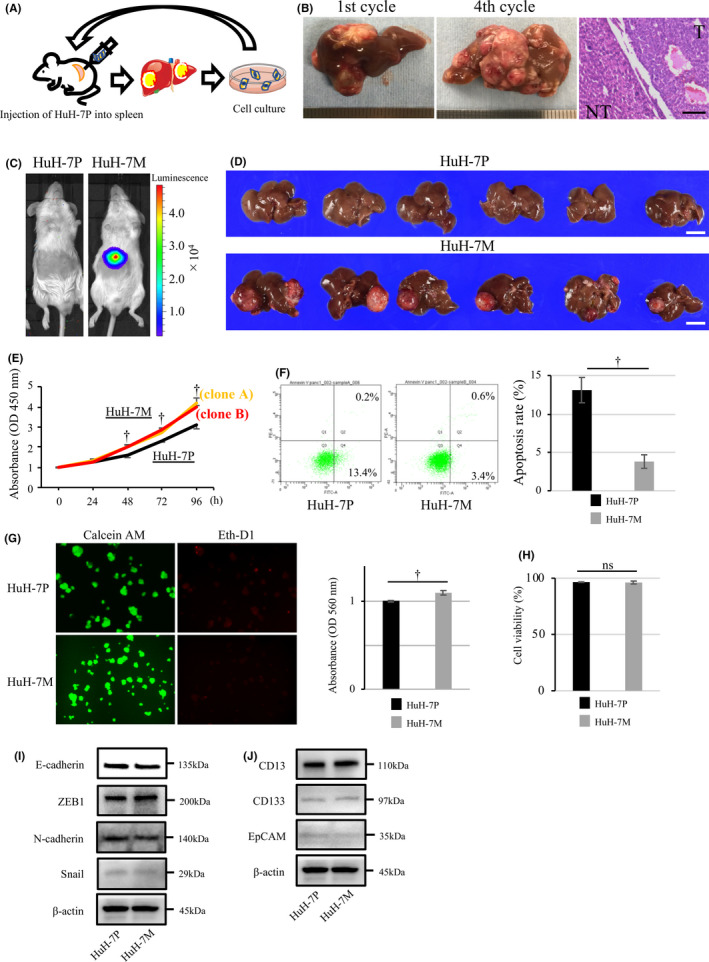
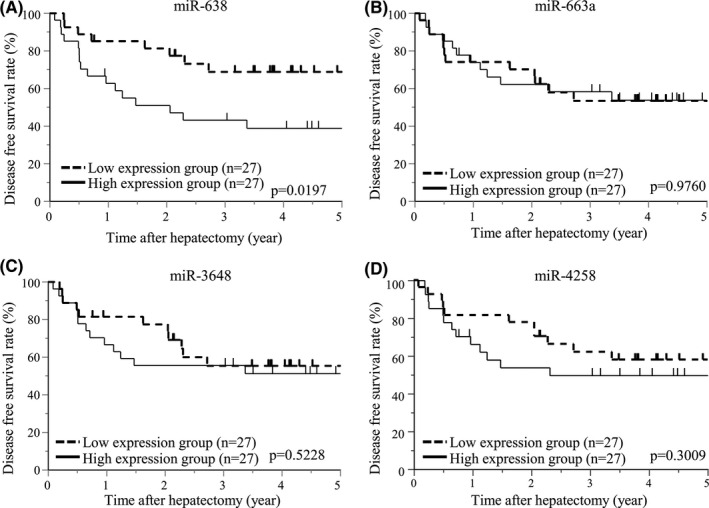
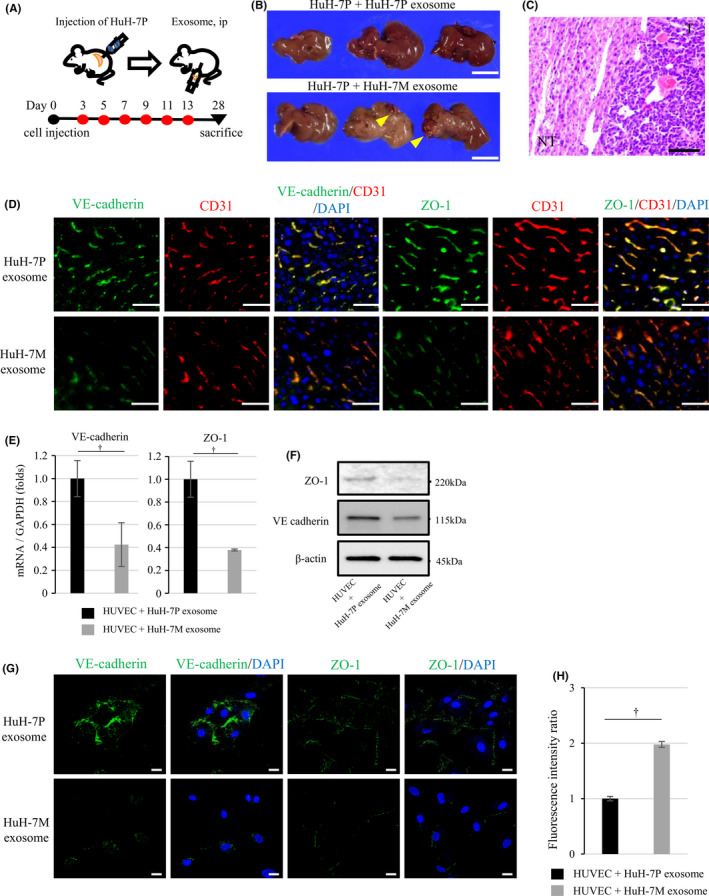
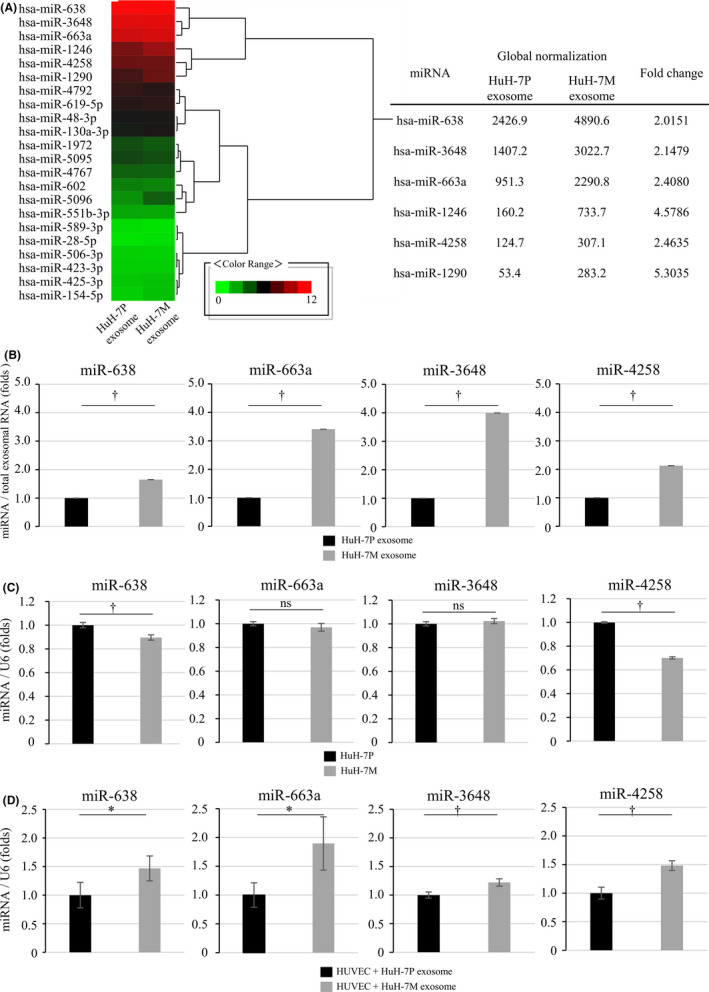
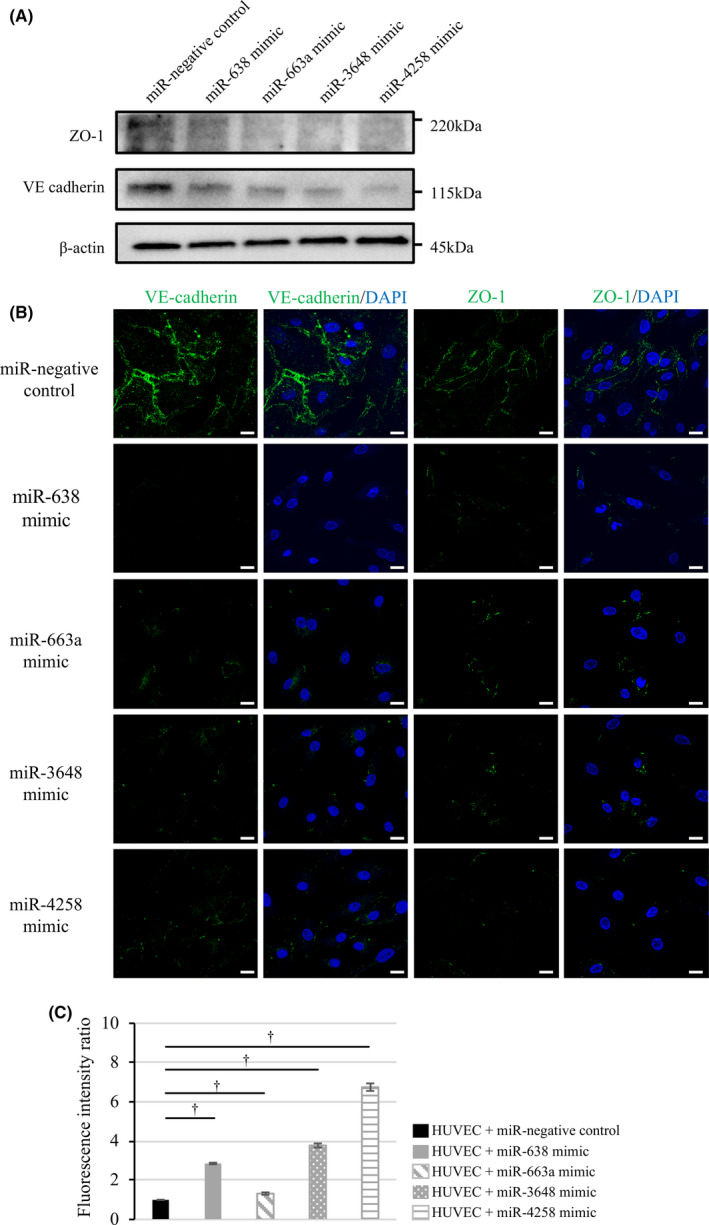
Hepatocellular carcinoma (HCC) is the second leading cause of cancer-related death. High recurrence rates after curative resection and the lack of specific biomarkers for intrahepatic metastases are major clinical problems. Recently, exosomal microRNAs (miRNAs) have been reported to have a role in the formation of the pre-metastatic niche and as promising biomarkers in patients with malignancy. Here we aimed to clarify the molecular mechanisms of intrahepatic metastasis and to identify a novel biomarker miRNA in patients with HCC. A highly intrahepatic metastatic cell line (HuH-7M) was established by in vivo selection. HuH-7M showed increased proliferative ability and suppression of apoptosis and anoikis. HuH-7M and the parental cell (HuH-7P) showed the similar expression of epithelial-mesenchymal transition markers and cancer stem cell markers. In vivo, mice treated with exosomes derived from HuH-7M showed increased tumorigenesis of liver metastases. Exosomes from HuH-7M downregulated endothelial cell expression of vascular endothelial-cadherin (VE-cadherin) and zonula occludens-1 (ZO-1) in non-cancerous regions of liver and increased the permeability of FITC-dextran through the monolayer of endothelial cells. The miRNAs (miR-638, miR-663a, miR-3648, and miR-4258) could attenuate endothelial junction integrity by inhibiting VE-cadherin and ZO-1 expression. In patients with HCC, higher serum exosomal miR-638 expression was associated with tumor recurrence. In conclusion, the miRNAs secreted from a highly metastatic cancer cell can promote vascular permeability via downregulation of endothelial expression of VE-cadherin and ZO-1. Serum exosomal miR-638 expression holds potential for serving as a significant and independent prognostic marker in HCC.
肝细胞癌(HCC)是癌症相关死亡的第二大主要原因。根治性切除术后的高复发率和缺乏肝内转移的特异性生物标志物是主要的临床问题。最近,外泌体 microRNAs(miRNAs)被报道在形成前转移龛位和作为恶性肿瘤患者有前途的生物标志物方面发挥作用。在这里,我们旨在阐明肝内转移的分子机制,并鉴定 HCC 患者中的新型生物标志物 miRNA。通过体内选择建立了高肝内转移性细胞系(HuH-7M)。HuH-7M 表现出增殖能力增强和凋亡及 anoikis 抑制。HuH-7M 和亲本细胞(HuH-7P)表现出类似的上皮-间充质转化标志物和癌症干细胞标志物表达。在体内,用来自 HuH-7M 的外泌体处理的小鼠显示出肝转移肿瘤形成增加。HuH-7M 来源的外泌体下调了非癌性肝区域内皮细胞血管内皮钙黏蛋白(VE-cadherin)和紧密连接蛋白-1(ZO-1)的表达,并增加了 FITC-葡聚糖通过内皮细胞单层的通透性。miRNAs(miR-638、miR-663a、miR-3648 和 miR-4258)可通过抑制 VE-cadherin 和 ZO-1 的表达来减弱内皮连接的完整性。在 HCC 患者中,较高的血清外泌体 miR-638 表达与肿瘤复发相关。总之,高度转移性癌细胞分泌的 miRNAs 可通过下调内皮细胞 VE-cadherin 和 ZO-1 的表达来促进血管通透性。血清外泌体 miR-638 表达可能作为 HCC 的一个重要且独立的预后标志物。