Stern-Tal Dganit, Achache Hanna, Jacobs Catane Liora, Reich Reuven, Tavor Re'em Tali
School of Pharmacy, Institute for Drug Research, The Hebrew University of Jerusalem, 91120 Jerusalem, Israel.
Department of Pharmaceutical Engineering, Azrieli College of Engineering Jerusalem, 26 Yaakov Shreibom Street, 9103501 Jerusalem, Israel.
J Biol Eng. 2020 Jun 30;14:18. doi: 10.1186/s13036-020-00240-7. eCollection 2020.
Implantation failure remains an unsolved obstacle in reproductive medicine. Previous studies have indicated that estrogen responsiveness, specifically by estrogen receptor alpha (ERα), is crucial for proper implantation. There is an utmost need for a reliable in vitro model that mimics the events in the uterine wall during the implantation process for studying the regulatory mechanisms governing the process. The current two-dimensional and hydrogel-based in vitro models provide only short-term endometrial cell culture with partial functionality.
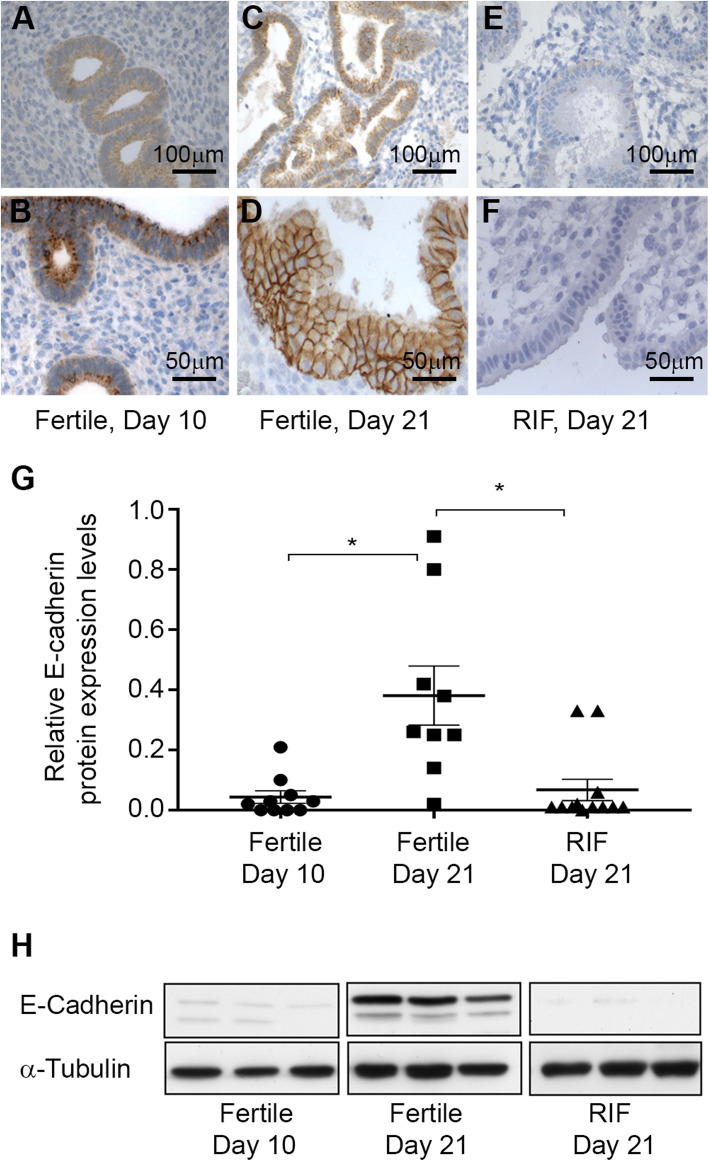
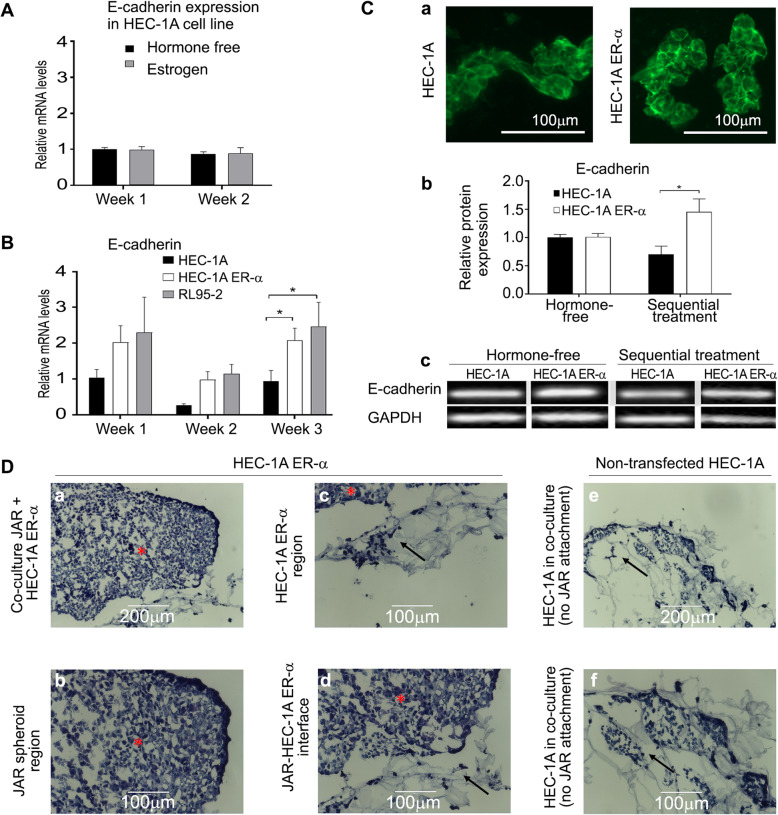
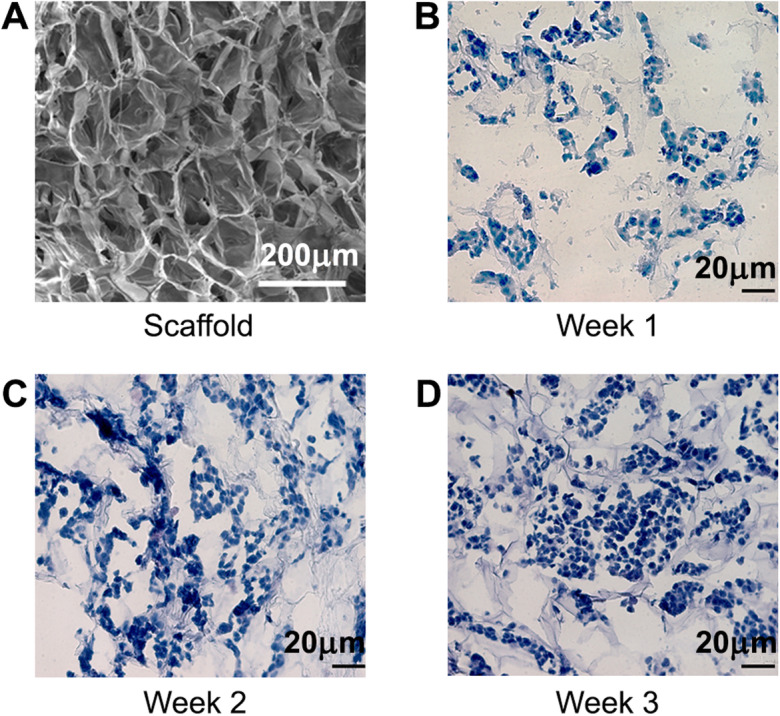
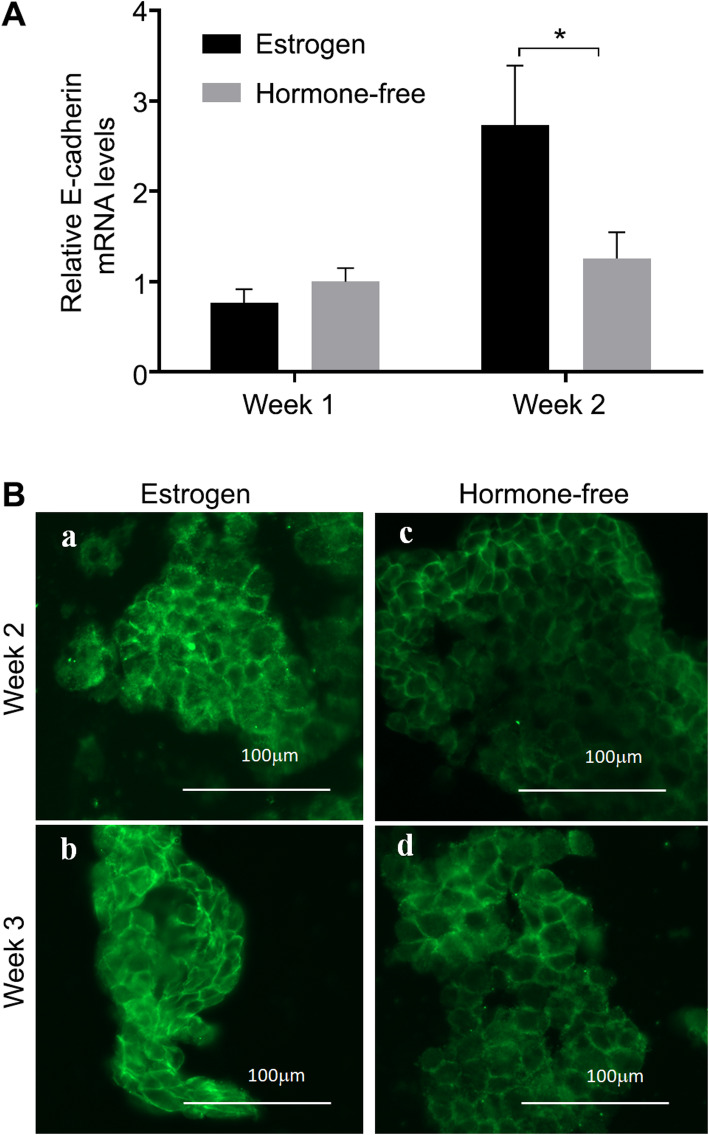
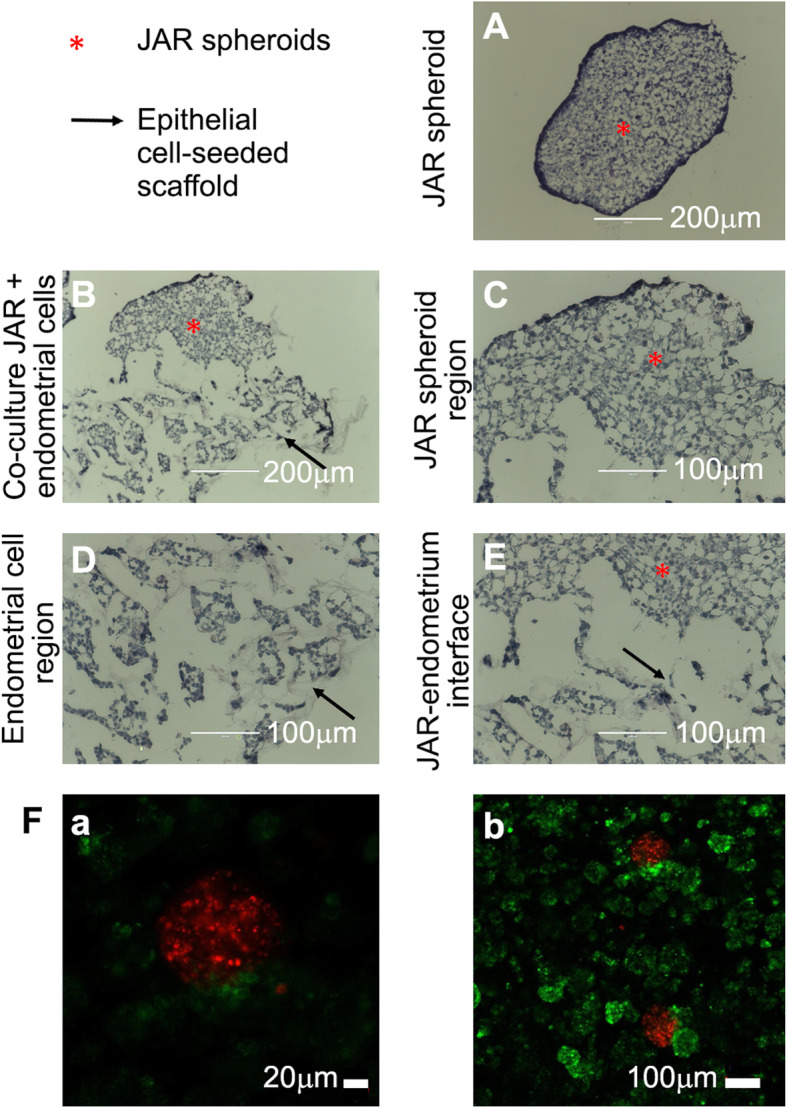
Endometrial biopsies showed an increase in E-cadherin expression on the typical window of implantation of fertile women, compared to negligible expression in recurrent implantation failure (RIF) patients. These clinical results indicated E-cadherin as a marker for receptivity. Three-dimensional (3D) macroporous alginate scaffolds were the base for epithelial endometrial cell-seeding and long-term culture under hormone treatment that mimicked a typical menstrual cycle. The RL95-2 epithelial cell culture in macroporous scaffolds was viable for 3 weeks and showed increased E-cadherin levels in response to estrogen. Human choriocarcinoma (JAR) spheroids were used as embryo models, seeded onto cell constructs and successfully adhered to the RL95-2 cell culture. Moreover, a second model of HEC-1A with low ERα levels, showed lower E-cadherin expression and no JAR attachment. E-cadherin expression and JAR attachment were recovered in HEC-1A cells that were transfected with ERα plasmid.
We present a novel model that enables culturing endometrial cells on a 3D matrix for 3 weeks under hormonal treatment. It confirmed the importance of ERα function and E-cadherin for proper implantation. This platform may serve to elucidate the regulatory mechanisms controlling the implantation process, and for screening and evaluating potential novel therapeutic strategies for RIF.
着床失败仍是生殖医学中一个尚未解决的障碍。先前的研究表明,雌激素反应性,特别是通过雌激素受体α(ERα),对于正常着床至关重要。迫切需要一种可靠的体外模型,该模型能够模拟着床过程中子宫壁的事件,以研究控制该过程的调节机制。当前基于二维和水凝胶的体外模型仅提供具有部分功能的短期子宫内膜细胞培养。
与反复着床失败(RIF)患者中可忽略不计的表达相比,子宫内膜活检显示,在 fertile 女性典型的着床窗口期,E-钙粘蛋白表达增加。这些临床结果表明 E-钙粘蛋白是接受性的标志物。三维(3D)大孔藻酸盐支架是上皮子宫内膜细胞接种和在模拟典型月经周期的激素处理下长期培养的基础。大孔支架中的 RL95-2 上皮细胞培养可持续 3 周,并显示出对雌激素反应的 E-钙粘蛋白水平升高。人绒毛膜癌(JAR)球体用作胚胎模型,接种到细胞构建体上并成功粘附到 RL95-2 细胞培养物上。此外,ERα水平低的 HEC-1A 的第二个模型显示出较低的 E-钙粘蛋白表达且没有 JAR 附着。用 ERα质粒转染的 HEC-1A 细胞中 E-钙粘蛋白表达和 JAR 附着得以恢复。
我们提出了一种新型模型,该模型能够在激素处理下在三维基质上培养子宫内膜细胞 3 周。它证实了 ERα功能和 E-钙粘蛋白对于正常着床的重要性。该平台可用于阐明控制着床过程的调节机制,以及用于筛选和评估针对 RIF 的潜在新型治疗策略。