Department of Immunobiology, School of Medicine, Yale University, New Haven, CT, 06520, USA.
Department of General, Visceral and Thoracic Surgery, University Medical Center Hamburg-Eppendorf, 20246, Hamburg, Germany.
Nat Commun. 2020 Jul 3;11(1):3334. doi: 10.1038/s41467-020-17097-5.
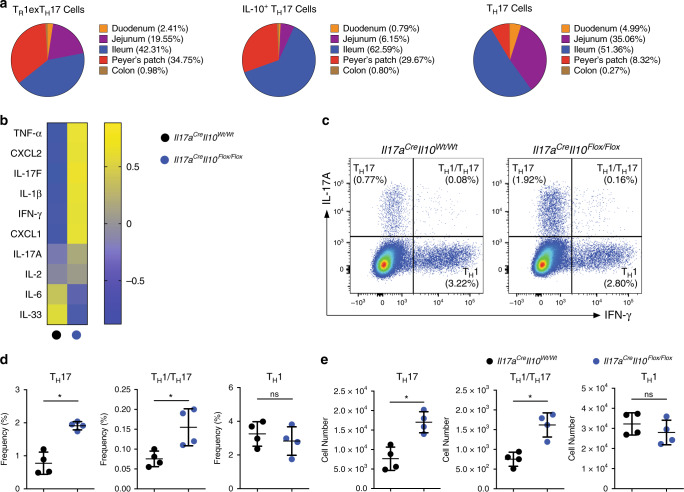
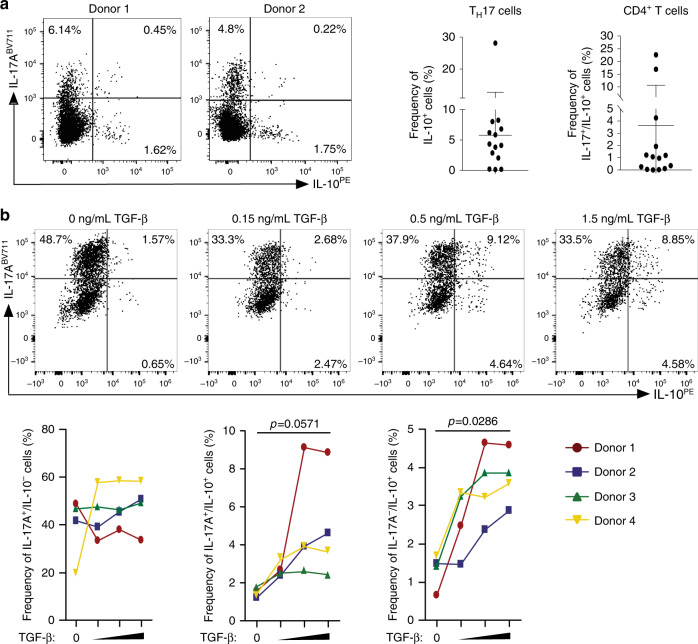
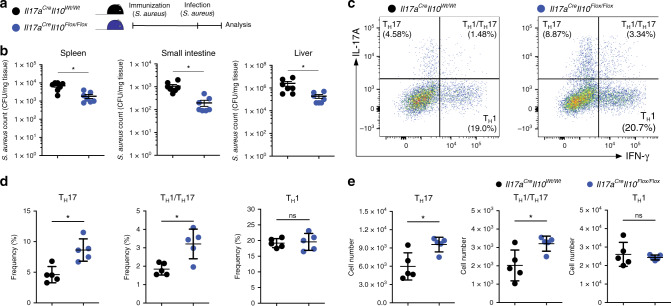
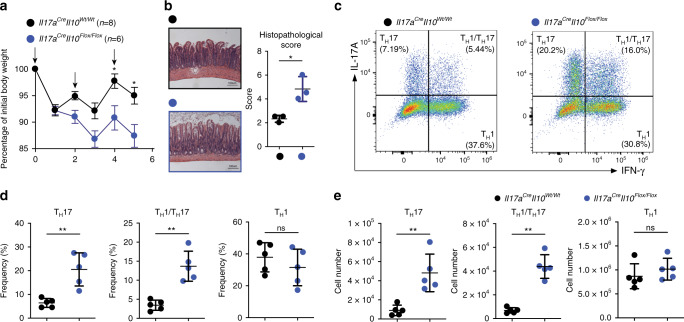
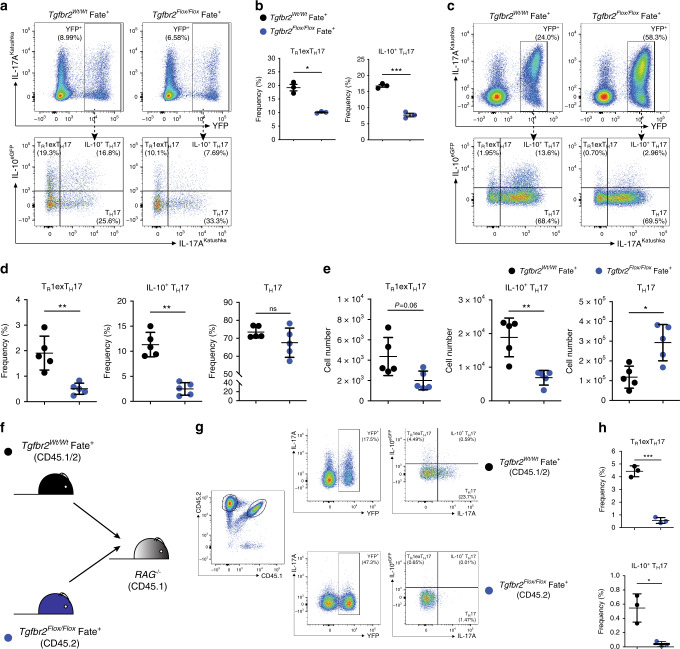
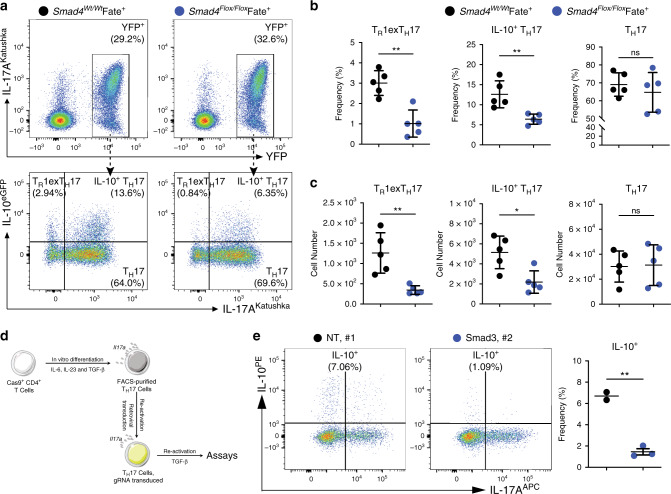
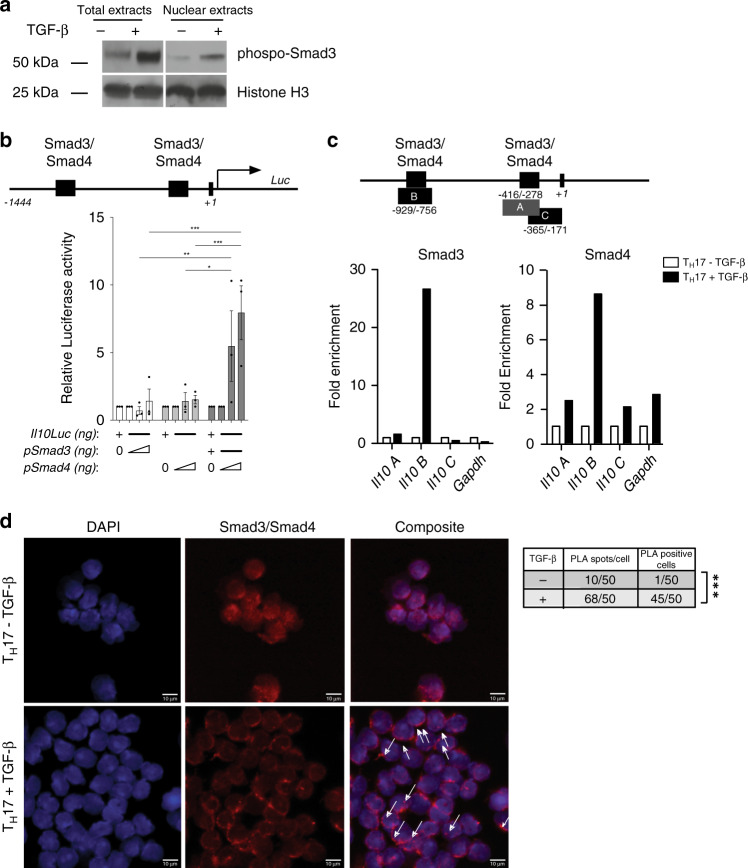
T17 cells exemplify environmental immune adaptation: they can acquire both a pathogenic and an anti-inflammatory fate. However, it is not known whether the anti-inflammatory fate is merely a vestigial trait, or whether it serves to preserve the integrity of the host tissues. Here we show that the capacity of T17 cells to acquire an anti-inflammatory fate is necessary to sustain immunological tolerance, yet it impairs immune protection against S. aureus. Additionally, we find that TGF-β signalling via Smad3/Smad4 is sufficient for the expression of the anti-inflammatory cytokine, IL-10, in T17 cells. Our data thus indicate a key function of T17 cell plasticity in maintaining immune homeostasis, and dissect the molecular mechanisms explaining the functional flexibility of T17 cells with regard to environmental changes.
T17 细胞是环境免疫适应的典范:它们可以获得致病性和抗炎性命运。然而,尚不清楚抗炎性命运仅仅是一种残余特征,还是它有助于维持宿主组织的完整性。在这里,我们表明,T17 细胞获得抗炎性命运的能力对于维持免疫耐受是必要的,但它会损害对金黄色葡萄球菌的免疫保护。此外,我们发现 TGF-β 通过 Smad3/Smad4 信号转导足以在 T17 细胞中表达抗炎细胞因子 IL-10。因此,我们的数据表明 T17 细胞可塑性在维持免疫稳态方面具有关键功能,并阐明了解释 T17 细胞在环境变化方面功能灵活性的分子机制。