Third Affiliated Hospital, Beijing University of Chinese Medicine, Beijing, China.
School of Traditional Chinese Medicine, Beijing University of Chinese Medicine, Beijing, China.
Int J Med Sci. 2020 Jun 1;17(10):1393-1405. doi: 10.7150/ijms.47301. eCollection 2020.
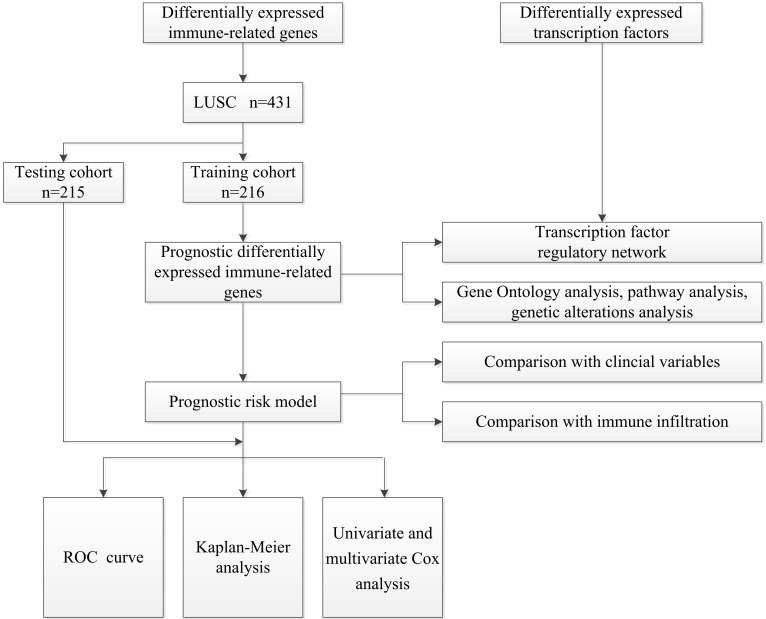
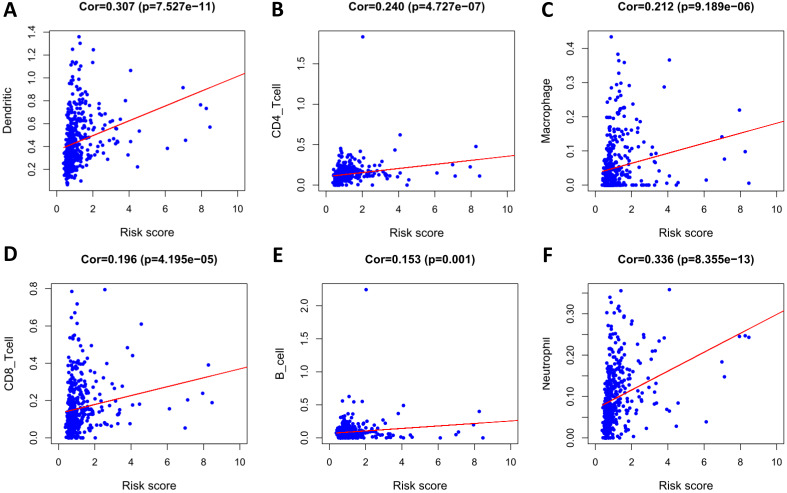
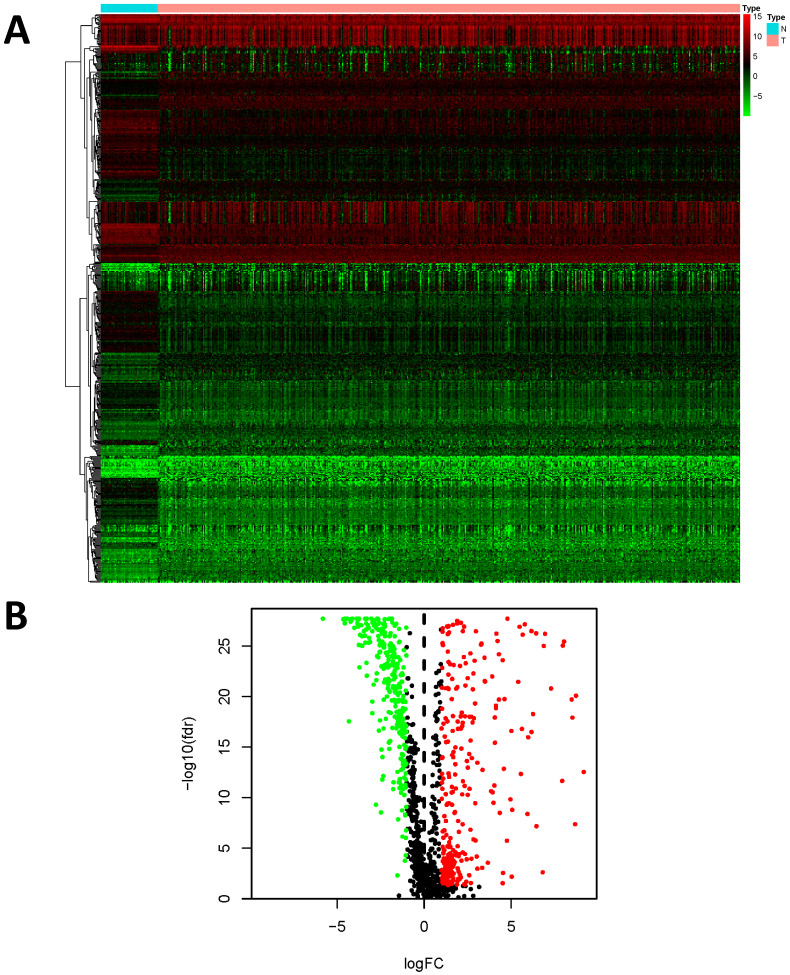
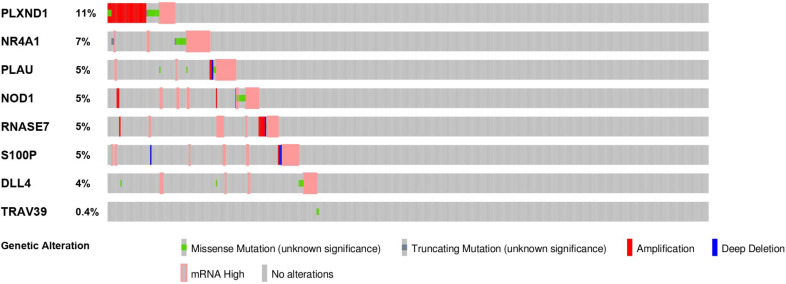
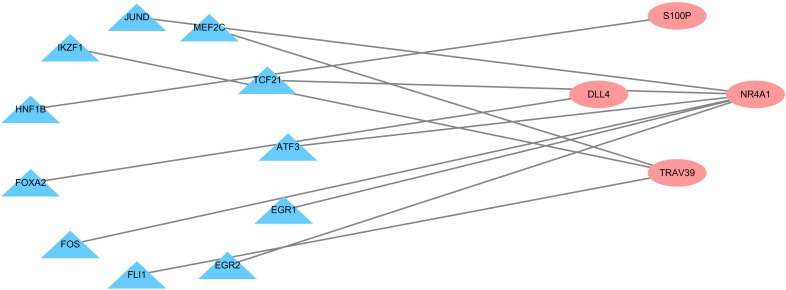
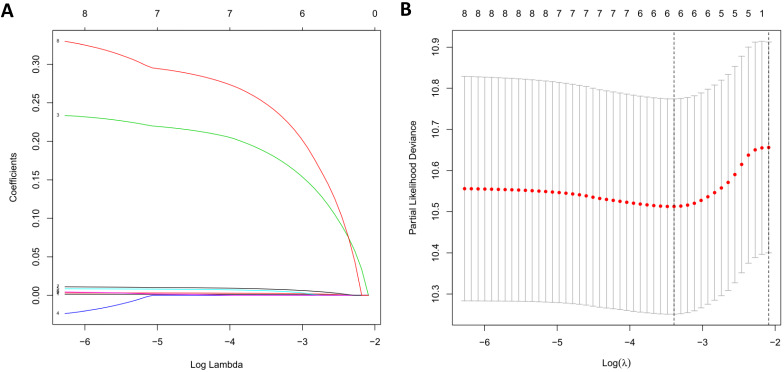
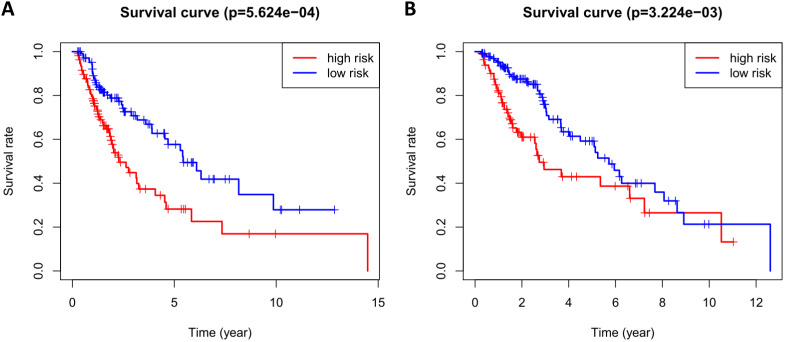
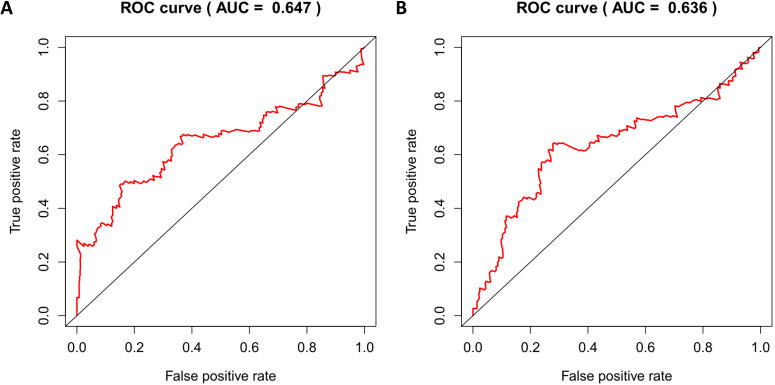
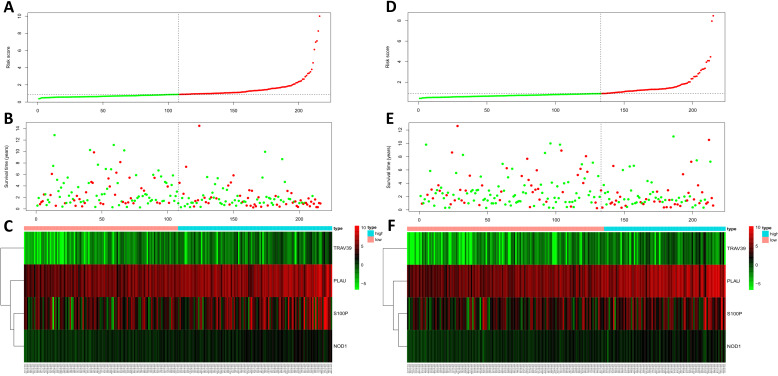
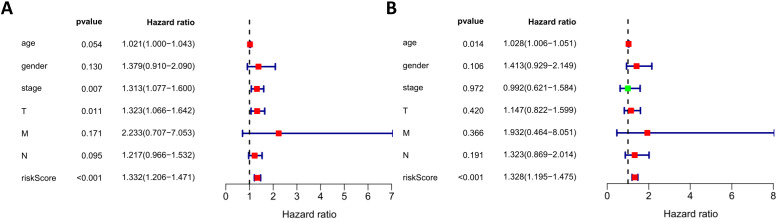
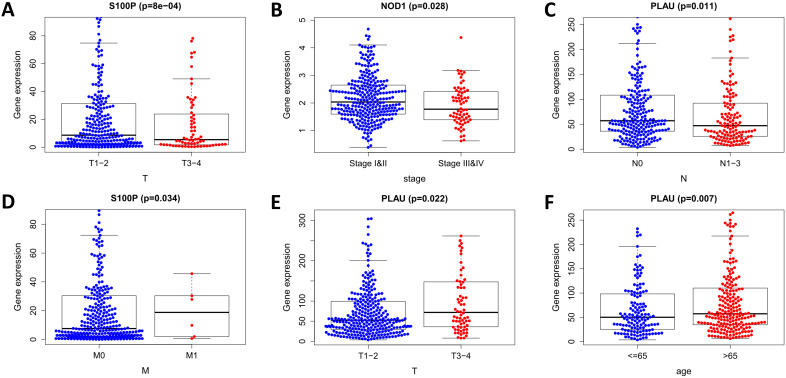
The immune system plays an important role in the development of lung squamous cell carcinoma (LUSC). Therefore, immune-related genes (IRGs) expression may be an important predictor of LUSC prognosis. However, a prognostic model based on IRGs that can systematically assess the prognosis of LUSC patients is still lacking. This study aimed to construct a LUSC immune-related prognostic model by using IRGs. Gene expression data about LUSC were obtained from The Cancer Genome Atlas (TCGA). Differential expression analysis and univariate Cox regression analysis were performed to identify prognostic differentially expressed IRGs. A prognostic model was constructed using the Lasso and multivariate Cox regression analyses. Then we validated the performance of the prognostic model in training and test cohorts. Furthermore, associations with clinical variables and immune infiltration were also analyzed. 593 differentially expressed IRGs were identified, and 8 of them were related to prognosis. Then a transcription factor regulatory network was established. A prognostic model consisted of 4 immune-related genes was constructed by using Lasso and multivariate Cox regression analyses. The prognostic value of this model was successfully validated in training and test cohorts. Further analysis showed that the prognostic model could be used independently to predict the prognosis of LUSC patients. The relationships between the risk score and immune cell infiltration indicated that the model could reflect the status of the tumor immune microenvironment. We constructed a risk model using four PDIRGs that can accurately predict the prognosis of LUSC patients. The risk score generated by this model can be used as an independent prognostic indicator. Moreover, the model can predict the infiltration of immune cells in patients, which is conducive to the prediction of patient sensitivity to immunotherapy.
免疫系统在肺鳞状细胞癌(LUSC)的发展中起着重要作用。因此,免疫相关基因(IRGs)的表达可能是 LUSC 预后的重要预测因子。然而,基于 IRGs 系统评估 LUSC 患者预后的预后模型仍然缺乏。本研究旨在构建基于 IRGs 的 LUSC 免疫相关预后模型。从癌症基因组图谱(TCGA)获得了关于 LUSC 的基因表达数据。进行差异表达分析和单变量 Cox 回归分析,以鉴定与预后相关的差异表达 IRGs。使用 Lasso 和多变量 Cox 回归分析构建预后模型。然后在训练和测试队列中验证预后模型的性能。此外,还分析了与临床变量和免疫浸润的关联。鉴定出 593 个差异表达的 IRGs,其中 8 个与预后相关。然后建立了一个转录因子调控网络。使用 Lasso 和多变量 Cox 回归分析构建了一个由 4 个免疫相关基因组成的预后模型。该模型在训练和测试队列中的预后价值得到了成功验证。进一步分析表明,该预后模型可独立用于预测 LUSC 患者的预后。风险评分与免疫细胞浸润之间的关系表明,该模型可以反映肿瘤免疫微环境的状态。我们构建了一个使用四个 PDIRGs 的风险模型,可以准确预测 LUSC 患者的预后。该模型生成的风险评分可作为独立的预后指标。此外,该模型可以预测患者免疫细胞的浸润情况,有利于预测患者对免疫治疗的敏感性。