School of Life Science, Inner Mongolia University, Hohhot, China.
The Department of Oncology, Affiliated Hospital of Inner Mongolia Medical University, Hohhot, China.
Front Immunol. 2023 Sep 29;14:1236444. doi: 10.3389/fimmu.2023.1236444. eCollection 2023.
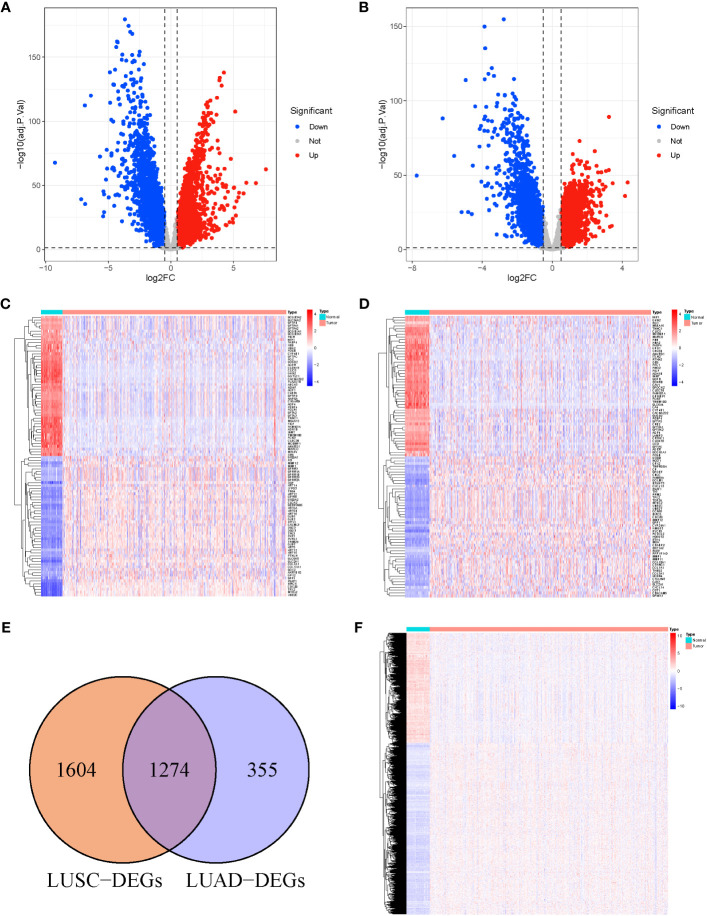
Lung squamous cell carcinoma (LUSC) is a unique subform of nonsmall cell lung cancer (NSCLC). The lack of specific driver genes as therapeutic targets leads to worse prognoses in patients with LUSC, even with chemotherapy, radiotherapy, or immune checkpoint inhibitors. Furthermore, research on the LUSC-specific prognosis genes is lacking. This study aimed to develop a comprehensive LUSC-specific differentially expressed genes (DEGs) signature for prognosis correlated with tumor progression, immune infiltration,and stem index.
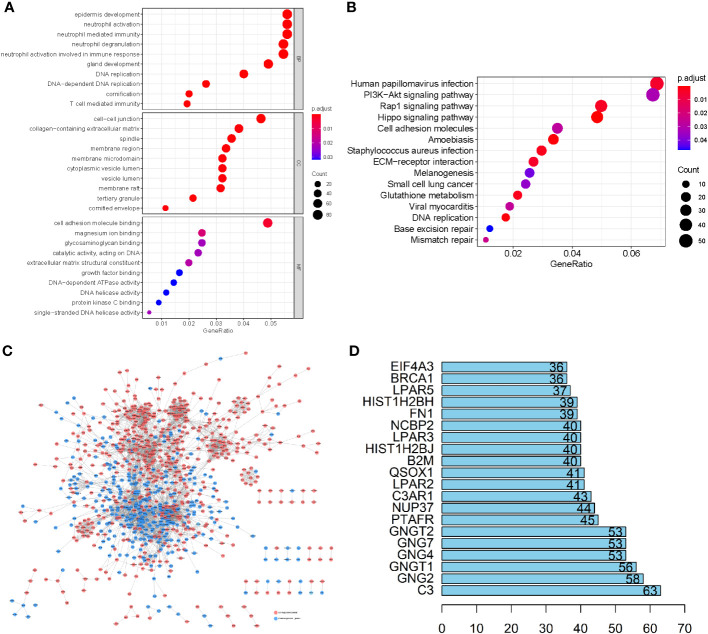
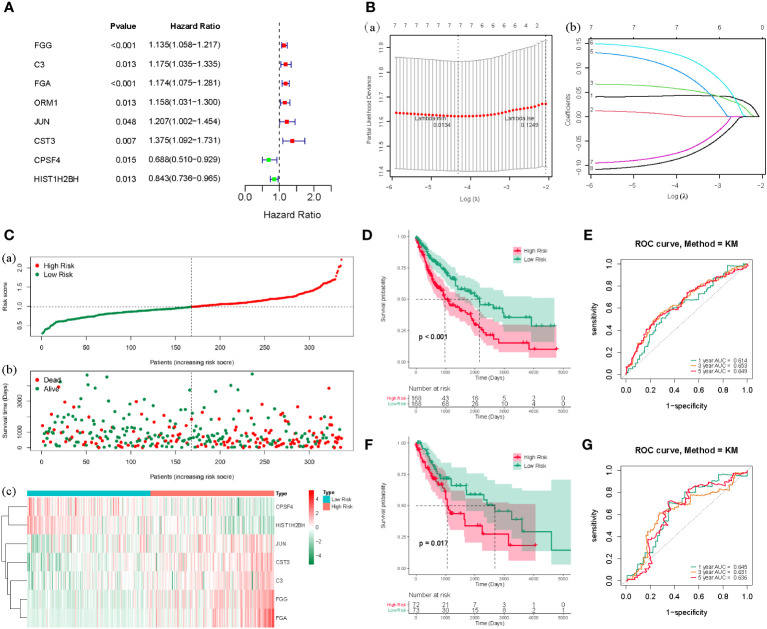
RNA sequencing data for LUSC and lung adenocarcinoma (LUAD) were extracted from The Cancer Genome Atlas (TCGA) data portal, and DEGs analyses were conducted in TCGA-LUSC and TCGA-LUAD cohorts to identify specific DEGs associated with LUSC. Functional analysis and protein-protein interaction network were performed to annotate the roles of LUSC-specific DEGs and select the top 100 LUSC-specific DEGs. Univariate Cox regression and least absolute shrinkage and selection operator regression analyses were performed to select prognosis-related DEGs.
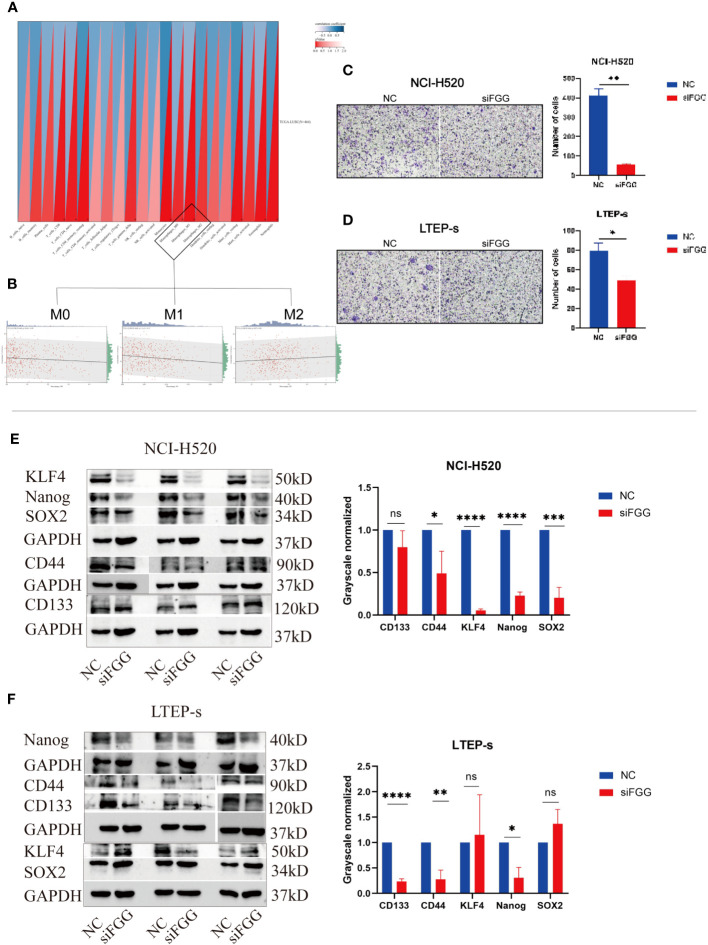
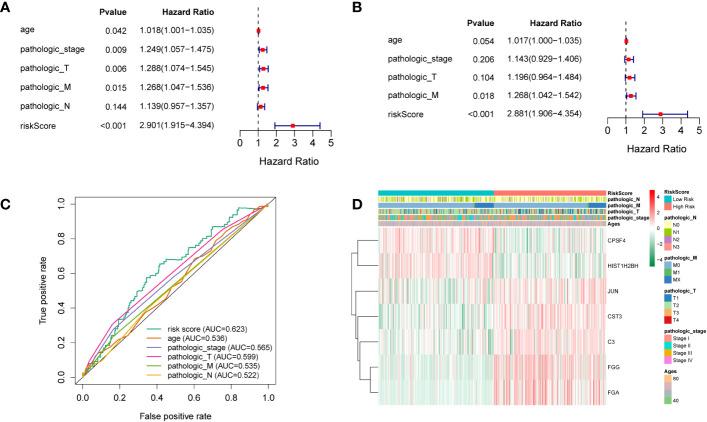
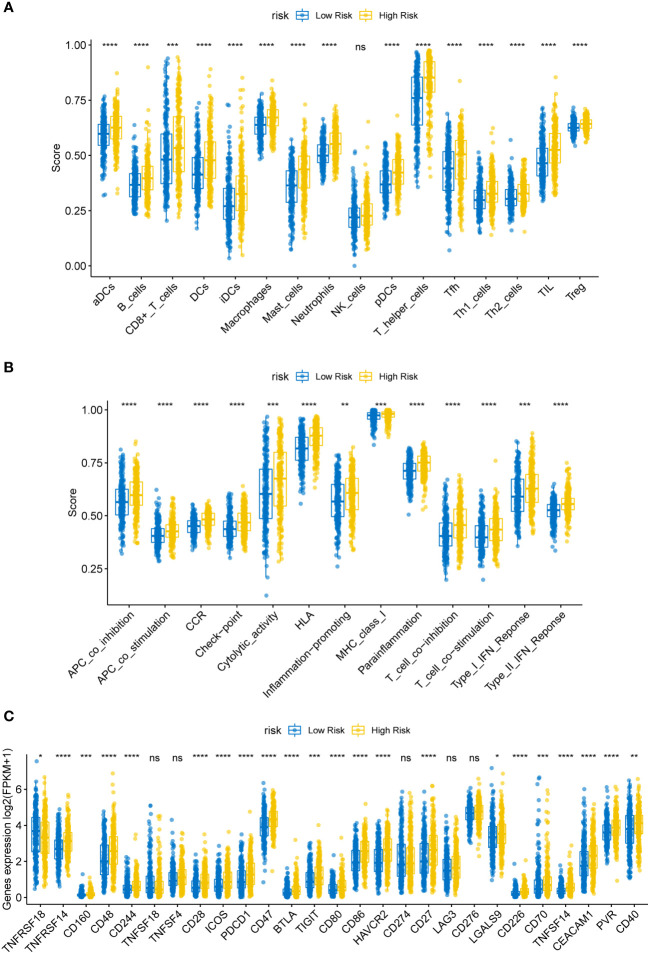
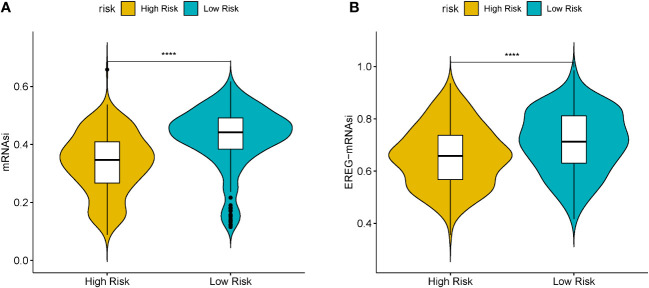
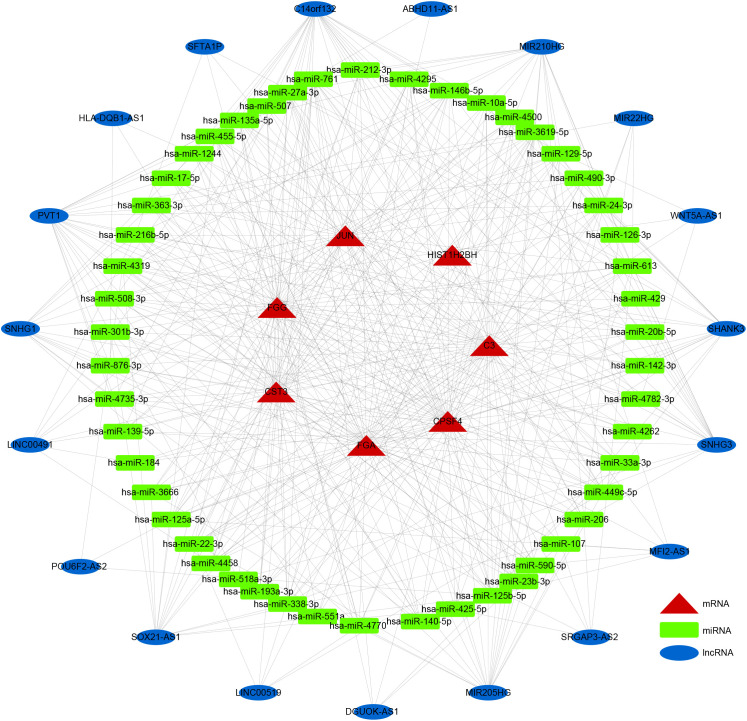
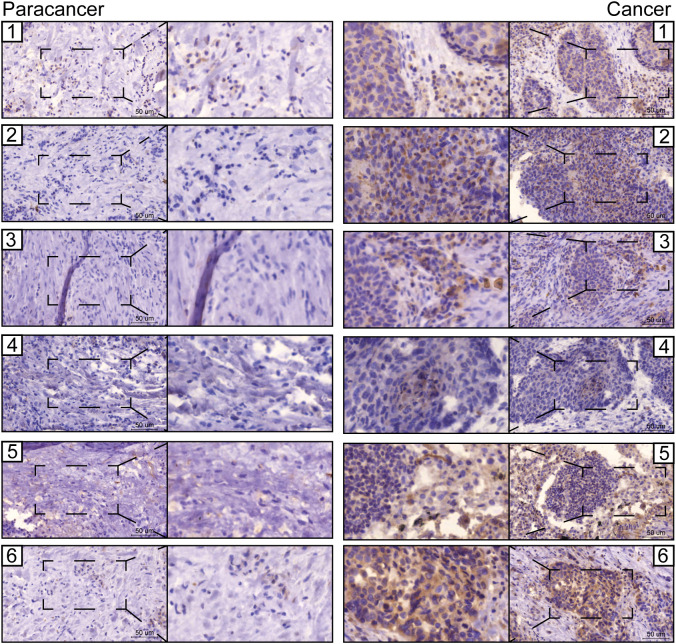
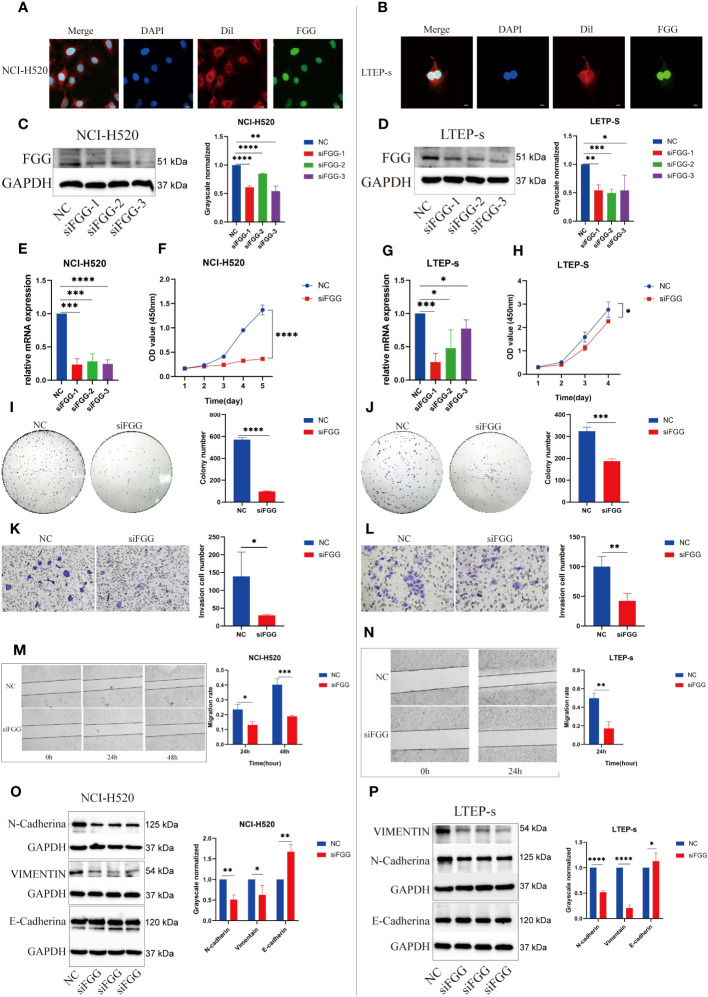
Overall, 1,604 LUSC-specific DEGs were obtained, and a validated seven-gene signature was constructed comprising FGG, C3, FGA, JUN, CST3, CPSF4, and HIST1H2BH. FGG, C3, FGA, JUN, and CST3 were correlated with poor LUSC prognosis, whereas CPSF4 and HIST1H2BH were potential positive prognosis markers in patients with LUSC. Receiver operating characteristic analysis further confirmed that the genetic profile could accurately estimate the overall survival of LUSC patients. Analysis of immune infiltration demonstrated that the high risk (HR) LUSC patients exhibited accelerated tumor infiltration, relative to low risk (LR) LUSC patients. Molecular expressions of immune checkpoint genes differed significantly between the HR and LR cohorts. A ceRNA network containing 19 lncRNAs, 50 miRNAs, and 7 prognostic DEGs was constructed to demonstrate the prognostic value of novel biomarkers of LUSC-specific DEGs based on tumor progression, stemindex, and immune infiltration. In vitro experimental models confirmed that LUSC-specific DEG FGG expression was significantly higher in tumor cells and correlated with immune tumor progression, immune infiltration, and stem index. experimental models confirmed that LUSC-specific DEG FGG expression was significantly higher in tumor cells and correlated with immune tumor progression, immune infiltration, and stem index.
Our study demonstrated the potential clinical implication of the 7- DEGs signature for prognosis prediction of LUSC patients based on tumor progression, immune infiltration, and stem index. And the FGG could be an independent prognostic biomarker of LUSC promoting cell proliferation, migration, invasion, THP-1 cell infiltration, and stem cell maintenance.
肺鳞状细胞癌(LUSC)是一种非小细胞肺癌(NSCLC)的独特亚型。由于缺乏特定的驱动基因作为治疗靶点,即使接受化疗、放疗或免疫检查点抑制剂治疗,LUSC 患者的预后也更差。此外,针对 LUSC 特异性预后基因的研究也很缺乏。本研究旨在建立一个全面的与肿瘤进展、免疫浸润和干细胞指数相关的 LUSC 特异性差异表达基因(DEG)预后特征。
从癌症基因组图谱(TCGA)数据门户提取 LUSC 和肺腺癌(LUAD)的 RNA 测序数据,并在 TCGA-LUSC 和 TCGA-LUAD 队列中进行 DEG 分析,以确定与 LUSC 相关的特异性 DEG。进行功能分析和蛋白质-蛋白质相互作用网络分析,以注释 LUSC 特异性 DEG 的作用,并选择前 100 个 LUSC 特异性 DEG。进行单因素 Cox 回归和最小绝对收缩和选择算子回归分析,以选择与预后相关的 DEG。
总体而言,获得了 1604 个 LUSC 特异性 DEG,并构建了一个经过验证的由 FGG、C3、FGA、JUN、CST3、CPSF4 和 HIST1H2BH 组成的七个基因特征。FGG、C3、FGA、JUN 和 CST3 与 LUSC 不良预后相关,而 CPSF4 和 HIST1H2BH 是 LUSC 患者潜在的阳性预后标志物。受试者工作特征分析进一步证实,该基因谱可以准确估计 LUSC 患者的总生存期。免疫浸润分析表明,高危(HR)LUSC 患者的肿瘤浸润速度相对较快,而低危(LR)LUSC 患者的肿瘤浸润速度较慢。HR 和 LR 队列之间免疫检查点基因的分子表达有显著差异。构建了一个包含 19 个长非编码 RNA、50 个 miRNA 和 7 个预后 DEG 的 ceRNA 网络,以证明基于肿瘤进展、干细胞指数和免疫浸润的 LUSC 特异性 DEG 新型生物标志物的预后价值。体外实验模型证实,肿瘤细胞中 LUSC 特异性 DEG FGG 的表达明显升高,并与免疫肿瘤进展、免疫浸润和干细胞指数相关。
本研究证明了 7 个 DEG 特征在基于肿瘤进展、免疫浸润和干细胞指数的 LUSC 患者预后预测中的潜在临床意义。并且 FGG 可以作为 LUSC 的独立预后生物标志物,促进细胞增殖、迁移、侵袭、THP-1 细胞浸润和干细胞维持。