Maggio Maria Grazia, Naro Antonino, La Rosa Gianluca, Cambria Alice, Lauria Paola, Billeri Luana, Latella Desiree, Manuli Alfredo, Calabrò Rocco Salvatore
Rocco Salvatore Calabrò, IRCCS Centro Neurolesi Bonino Pulejo, via Palermo, SS 113, Ctr. Casazza, 98124 Messina, Italy.
Brain Sci. 2020 Jul 1;10(7):414. doi: 10.3390/brainsci10070414.
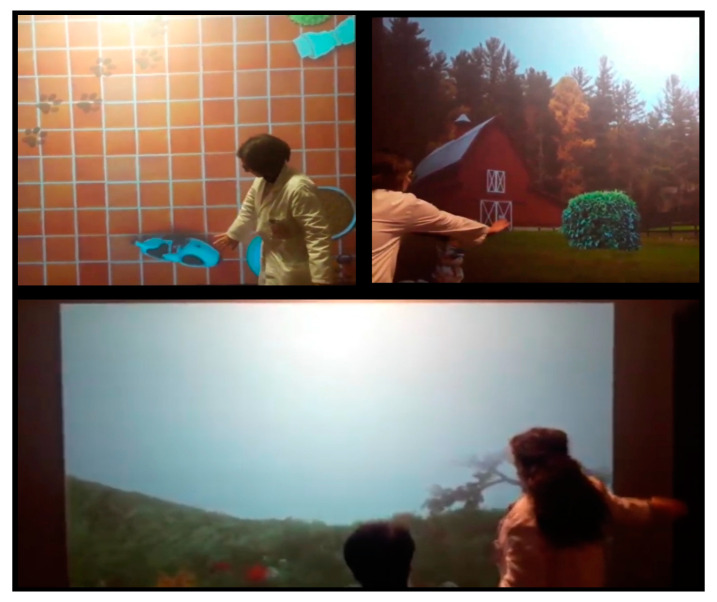
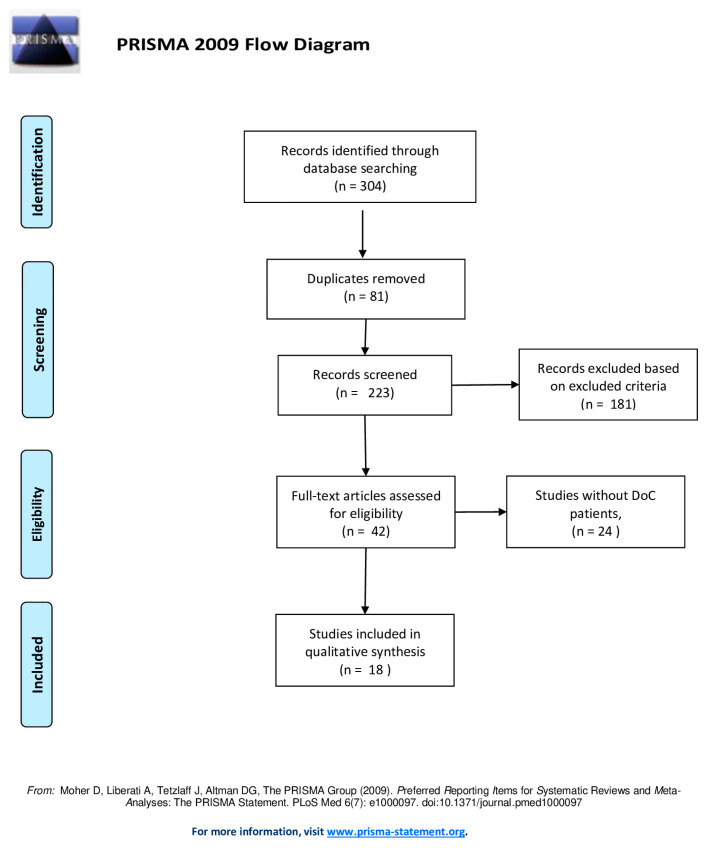
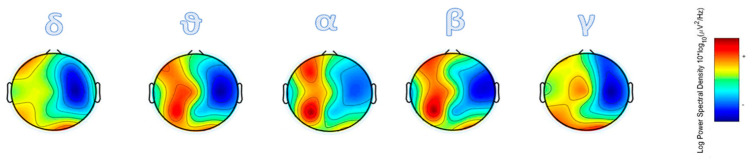
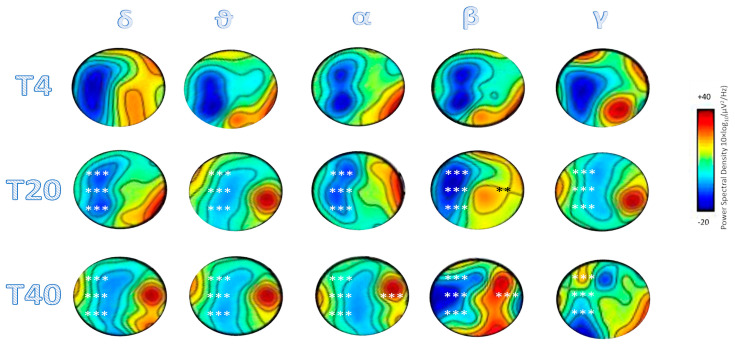
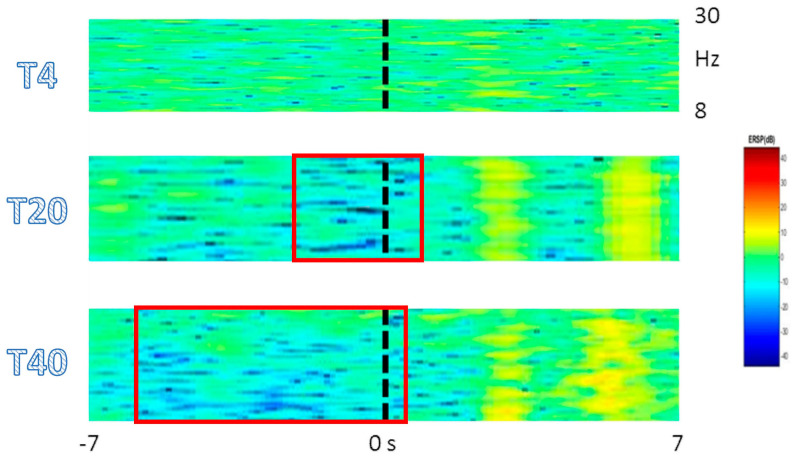
Chronic disorders of consciousness cause a total or partial and fluctuating unawareness of the surrounding environment. Virtual reality (VR) can be useful as a diagnostic and/or a neurorehabilitation tool, and its effects can be monitored by means of both clinical and electroencephalography (EEG) data recording of brain activity. We reported on the case of a 17-year-old patient with a disorder of consciousness (DoC) who was provided with VR training to improve her cognitive-behavioral outcomes, which were assessed using clinical scales (the Coma Recovery Scale-Revised, the Disability Rating Scale, and the Rancho Los Amigos Levels of Cognitive Functioning), as well as EEG recording, during VR training sessions. At the end of the training, significant improvements in both clinical and neurophysiological outcomes were achieved. Then, we carried out a systematic review of the literature to investigate the role of EEG and VR in the management of patients with DoC. A search on PubMed, Web of Science, Scopus, and Google Scholar databases was performed, using the keywords: "disorders of consciousness" and "virtual reality", or "EEG". The results of the literature review suggest that neurophysiological data in combination with VR could be useful in evaluating the reactions induced by different paradigms in DoC patients, helping in the differential diagnosis. In conclusion, the EEG plus VR approach used with our patient could be promising to define the most appropriate stimulation protocol, so as to promote a better personalization of the rehabilitation program. However, further clinical trials, as well as meta-analysis of the literature, are needed to be affirmative on the role of VR in patients with DoC.
慢性意识障碍会导致对周围环境完全或部分、且呈波动状态的无意识。虚拟现实(VR)可作为一种诊断和/或神经康复工具,其效果可通过临床和脑电图(EEG)记录大脑活动数据进行监测。我们报告了一名17岁意识障碍(DoC)患者的病例,该患者接受了VR训练以改善其认知行为结果,在VR训练期间,使用临床量表(修订的昏迷恢复量表、残疾评定量表和兰乔斯阿米戈斯认知功能水平)以及EEG记录对这些结果进行了评估。训练结束时,临床和神经生理结果均取得了显著改善。然后,我们对文献进行了系统综述,以研究EEG和VR在DoC患者管理中的作用。我们在PubMed、科学网、Scopus和谷歌学术数据库中进行了搜索,使用的关键词为:“意识障碍”和“虚拟现实”,或“EEG”。文献综述结果表明,神经生理数据与VR相结合可能有助于评估DoC患者不同范式引起的反应,有助于进行鉴别诊断。总之,我们对患者采用的EEG加VR方法可能有助于确定最合适的刺激方案,从而促进康复计划的更好个性化。然而,需要进一步的临床试验以及对文献的荟萃分析,才能肯定VR在DoC患者中的作用。