Benade Janina, Sher Lucien, De Klerk Sheneez, Deshpande Gaurang, Bester Dirk, Marnewick Jeanine L, Sieck Gary, Laher Ismail, Essop M Faadiel
Center for Cardio-Metabolic Research in Africa (CARMA), Department of Physiological Sciences, Stellenbosch University, Stellenbosch 7600, South Africa.
Applied Microbial and Health Biotechnology Institute, Cape Peninsula University of Technology, Bellville 7535, Cape Town, South Africa.
Antioxidants (Basel). 2020 Jul 1;9(7):569. doi: 10.3390/antiox9070569.
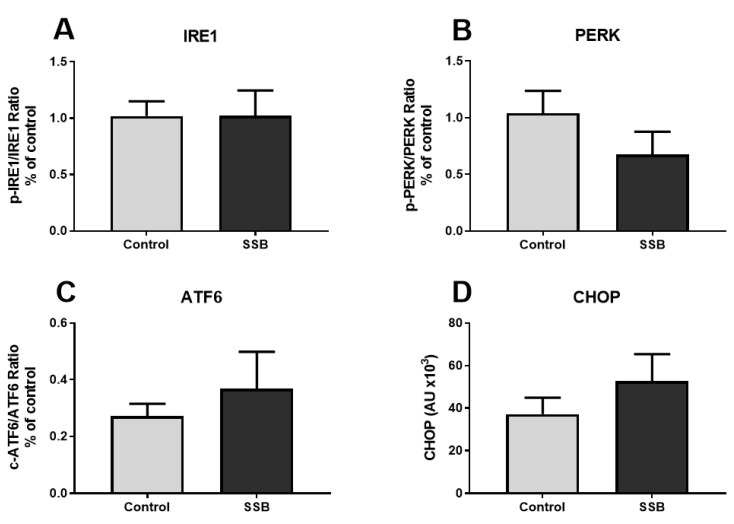
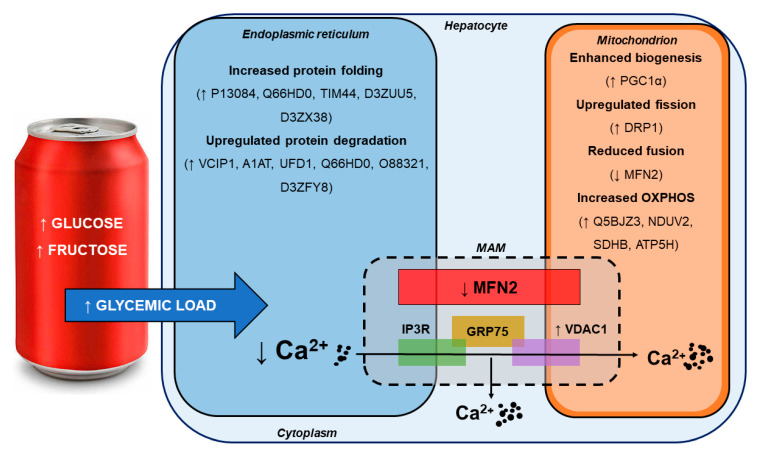
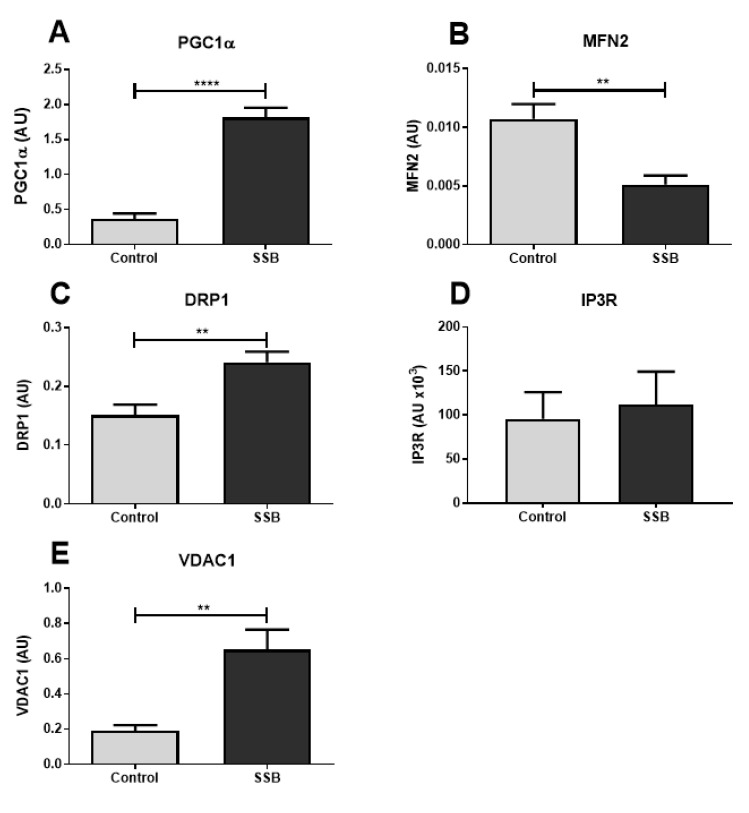
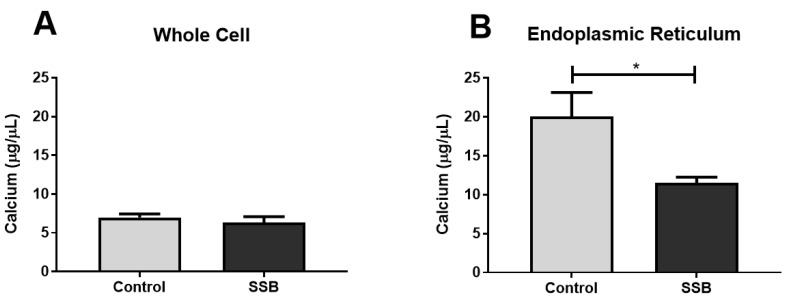
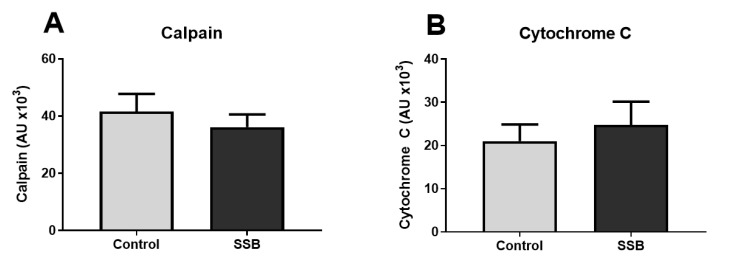
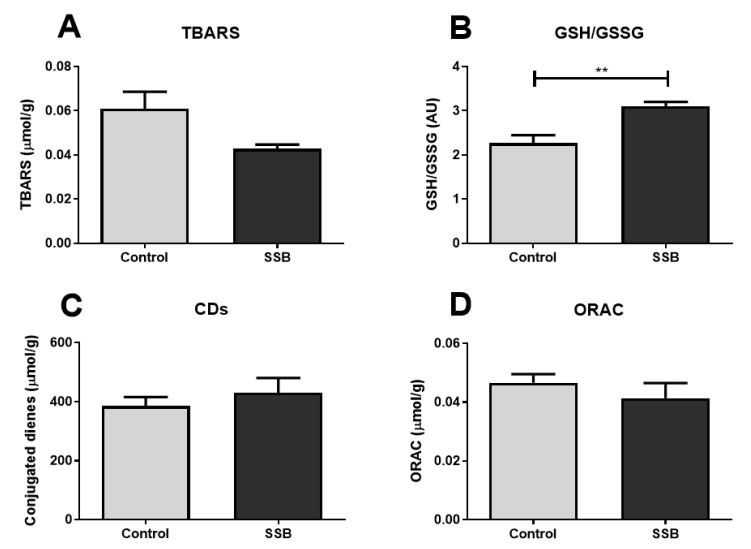
Cardiometabolic complications such as the metabolic syndrome and Type 2 Diabetes Mellitus (T2DM) are major causes of global morbidity and mortality. As sugar-sweetened beverages (SSBs) are implicated in this process, this study aimed to obtain greater mechanistic insights. Male Wistar rats (~200 g) were gavaged with a local SSB every day for a period of six months while the control group was gavaged with an iso-volumetric amount of water. Experimental dosages were calculated according to the surface area-to-volume ratio and were equivalent to 125 mL/day (in human terms). A proteomic analysis was performed on isolated liver samples and thereafter, markers of endoplasmic reticulum (ER) stress, antioxidant/oxidant capacity, calcium regulation, and mitochondrial functionality were assessed. These data show that SSB consumption resulted in (a) the induction of mild hepatic ER stress; (b) altered hepatic mitochondrial dynamics; and (c) perturbed calcium handling across mitochondria-associated ER membranes. Despite significant changes in markers of ER stress, the antioxidant response and calcium handling (proteomics data), the liver is able to initiate adaptive responses to counteract such stressors. However, the mitochondrial data showed increased fission and decreased fusion that may put the organism at risk for developing insulin resistance and T2DM in the longer term.
心血管代谢并发症,如代谢综合征和2型糖尿病(T2DM),是全球发病和死亡的主要原因。由于含糖饮料(SSB)与此过程有关,本研究旨在获得更深入的机制见解。雄性Wistar大鼠(约200克)每天灌胃一种当地的含糖饮料,持续六个月,而对照组则灌胃等量的水。实验剂量根据表面积与体积比计算,相当于125毫升/天(以人类剂量换算)。对分离的肝脏样本进行蛋白质组学分析,然后评估内质网(ER)应激、抗氧化/氧化能力、钙调节和线粒体功能的标志物。这些数据表明,饮用含糖饮料导致(a)轻度肝脏内质网应激的诱导;(b)肝脏线粒体动力学改变;以及(c)跨线粒体相关内质网膜的钙处理受到干扰。尽管内质网应激、抗氧化反应和钙处理的标志物(蛋白质组学数据)发生了显著变化,但肝脏能够启动适应性反应来抵消这些应激源。然而,线粒体数据显示裂变增加和融合减少,这可能使机体在长期内有发展为胰岛素抵抗和2型糖尿病的风险。