Laboratory for Animal Nutrition and Animal Product Quality (LANUPRO), Department of Animal Sciences and Aquatic Ecology, Ghent University, Ghent, Belgium.
Present address: Research Group Marine Biology, Department of Biology, Ghent University, Ghent, Belgium.
BMC Microbiol. 2020 Jul 7;20(1):198. doi: 10.1186/s12866-020-01876-7.
Bacteria involved in ruminal formation of trans-10 intermediates are unclear. Therefore, this study aimed at identifying rumen bacteria that produce trans-10 intermediates from 18-carbon unsaturated fatty acids.
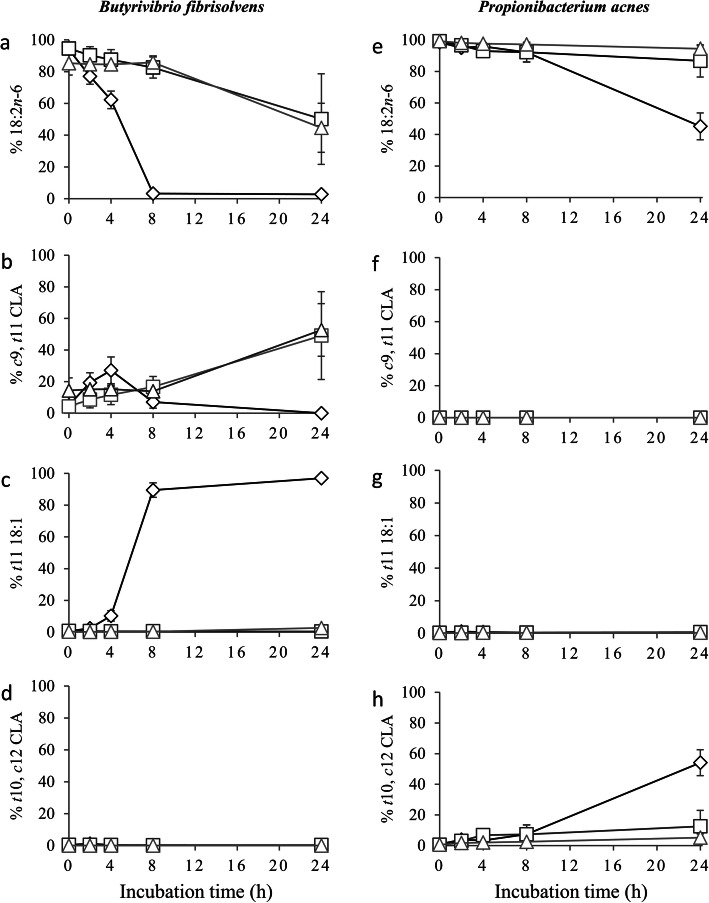
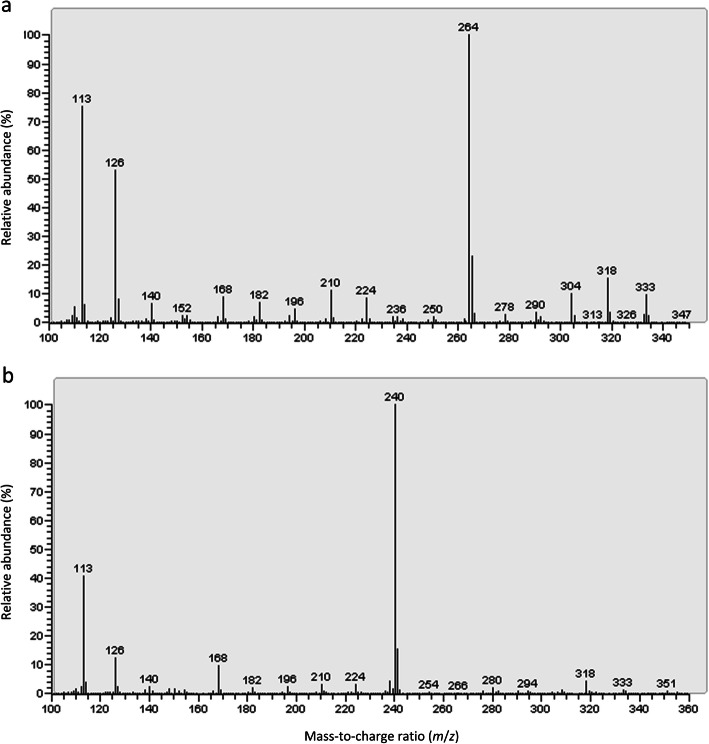
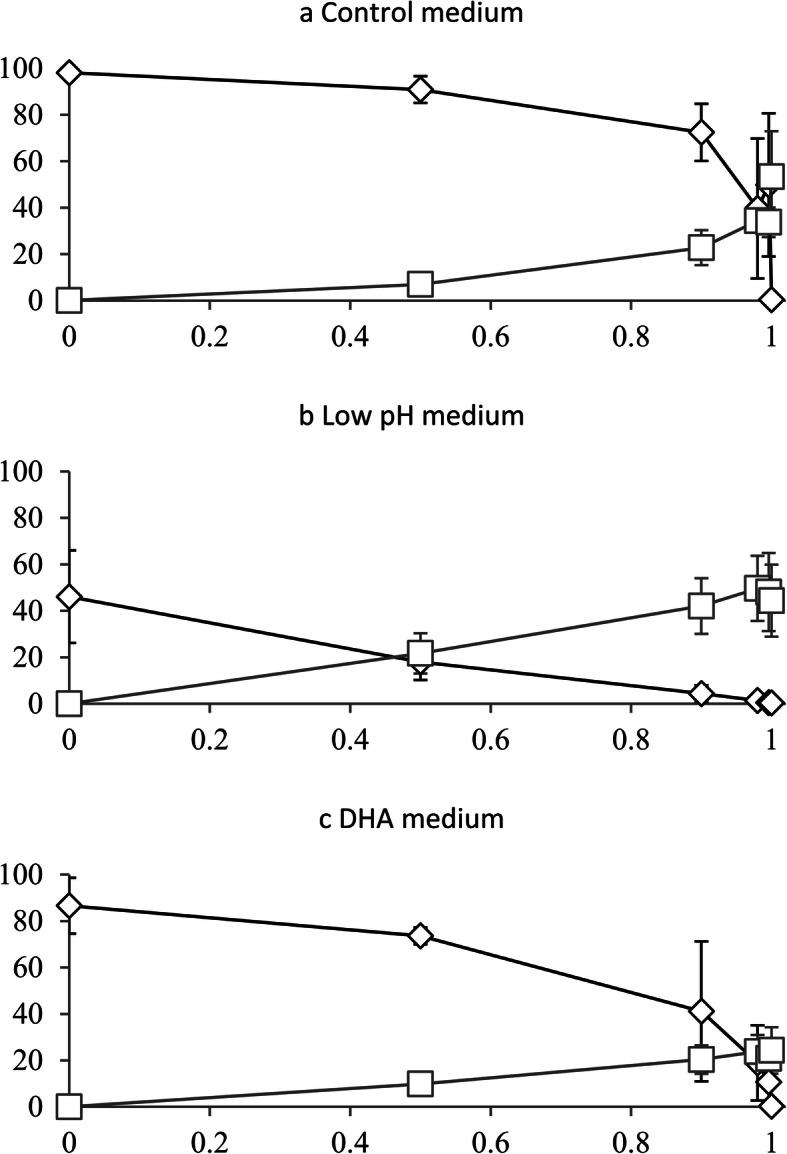
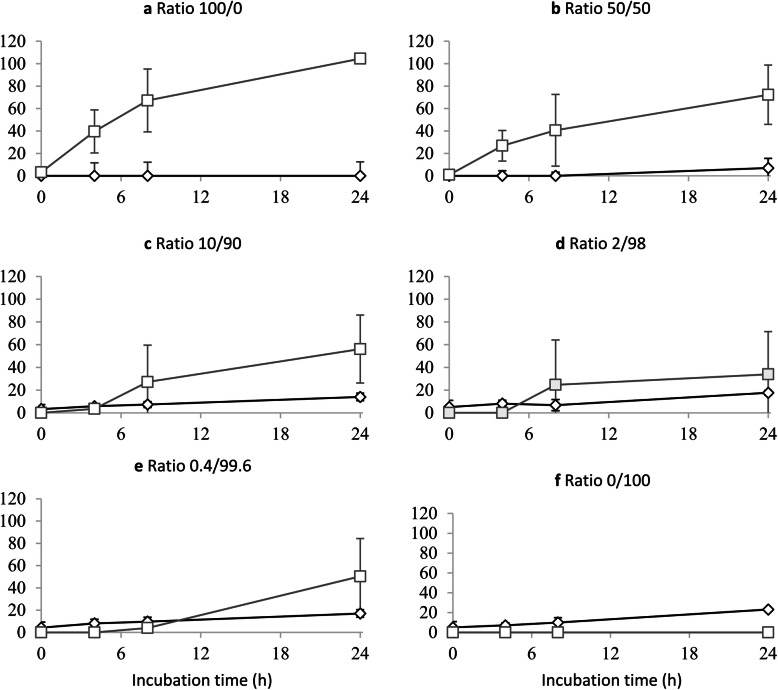
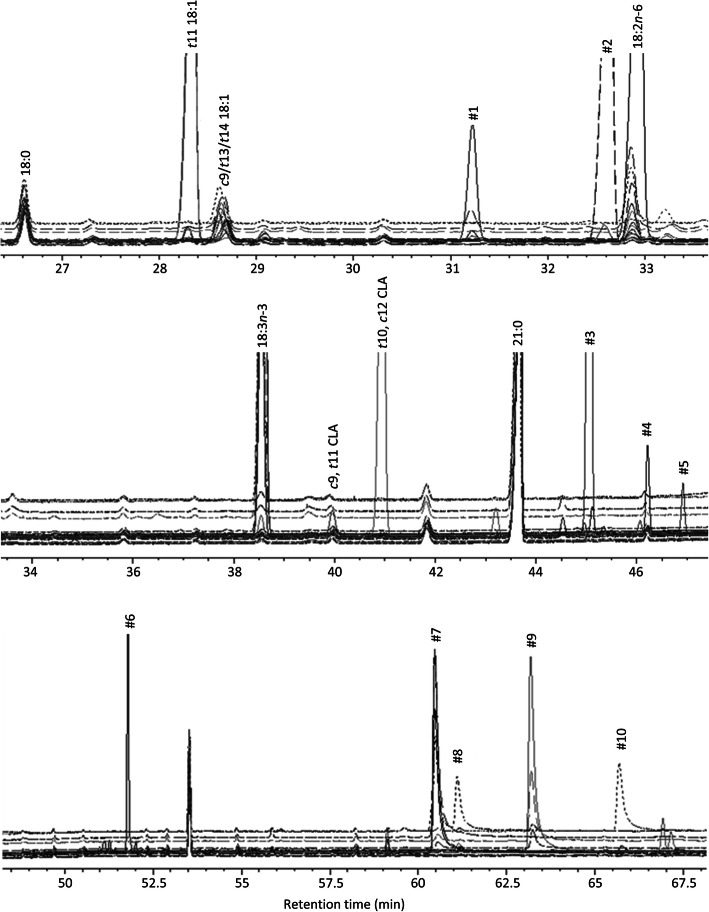
Pure cultures of 28 rumen bacterial species were incubated individually in the presence of 40 μg/mL 18:3n-3, 18:2n-6 or trans-11 18:1 under control or lactate-enriched (200 mM Na lactate) conditions for 24 h. Of the 28 strains, Cutibacterium acnes (formerly Propionibacterium acnes) was the only bacterium found to produce trans-10 intermediates from 18:3n-3 and 18:2n-6, irrespective of the growth condition. To further assess the potential importance of this species in the trans-11 to trans-10 shift, different biomass ratios of Butyrivibrio fibrisolvens (as a trans-11 producer) and C. acnes were incubated in different growth media (control, low pH and 22:6n-3 enriched media) containing 40 μg/mL 18:2n-6. Under control conditions, a trans-10 shift, defined in the current study as trans-10/trans-11 ≥ 0.9, occurred when the biomass of C. acnes represented between 90 and 98% of the inoculum. A low pH or addition of 22:6n-3 inhibited cis-9, trans-11 CLA and trans-10, cis-12 CLA formation by B. fibrisolvens and C. acnes, respectively, whereby C. acnes seemed to be more tolerant. This resulted in a decreased biomass of C. acnes required at inoculation to induce a trans-10 shift to 50% (low pH) and 90% (22:6n-3 addition).
Among the bacterial species studied,C. acnes was the only bacterium that have the metabolic ability to produce trans-10 intermediates from 18:3n-3 and 18:2n-6. Nevertheless, this experiment revealed that it is unlikely that C. acnes is the only or predominant species involved in the trans-11 to trans-10 shift in vivo.
参与反式-10 中间产物瘤胃形成的细菌尚不清楚。因此,本研究旨在鉴定从 18-碳不饱和脂肪酸产生反式-10 中间产物的瘤胃细菌。
在对照或富含乳酸盐(200mM Na 乳酸盐)条件下,将 28 种瘤胃细菌纯培养物分别在 40μg/mL 18:3n-3、18:2n-6 或反式-11 18:1 存在下孵育 24 小时。在 28 株菌株中,痤疮丙酸杆菌(以前称为丙酸杆菌)是唯一一种从 18:3n-3 和 18:2n-6 产生反式-10 中间产物的细菌,无论生长条件如何。为了进一步评估该物种在反式-11 到反式-10 转变中的潜在重要性,将不同生物量比的丁酸纤维梭菌(作为反式-11 生产者)和痤疮丙酸杆菌在不同生长培养基(对照、低 pH 和富含 22:6n-3 的培养基)中孵育,培养基中含有 40μg/mL 18:2n-6。在对照条件下,当痤疮丙酸杆菌的生物量占接种物的 90%至 98%时,会发生反式-10 转变,本研究中定义为反式-10/反式-11≥0.9。低 pH 或添加 22:6n-3 分别抑制了丁酸纤维梭菌和痤疮丙酸杆菌中顺式-9、反式-11 CLA 和反式-10、顺式-12 CLA 的形成,而痤疮丙酸杆菌似乎更耐受。这导致接种时需要更少的痤疮丙酸杆菌生物量才能诱导反式-10 转变达到 50%(低 pH)和 90%(22:6n-3 添加)。
在所研究的细菌种类中,痤疮丙酸杆菌是唯一一种具有从 18:3n-3 和 18:2n-6 产生反式-10 中间产物的代谢能力的细菌。然而,本实验表明,痤疮丙酸杆菌不太可能是体内反式-11 到反式-10 转变中唯一或主要的参与物种。