Sun Hao, Cai Hui, Fu Yue, Wang Qin, Ji Kaihua, Du Liqing, Xu Chang, Tian Lifang, He Ningning, Wang Jinhan, Zhang Manman, Liu Yang, Wang Yan, Li Jia, Liu Qiang
Laboratory of Radiation Medicine and radiation injury effects, Tianjin Institute of Radiology, Chinese Academy of Medical Sciences, Peking Union Medical College, Tianjin, China.
National Accreditation Service for Conformity Assessment, China.
Dose Response. 2020 Jun 26;18(2):1559325820931292. doi: 10.1177/1559325820931292. eCollection 2020 Apr-Jun.
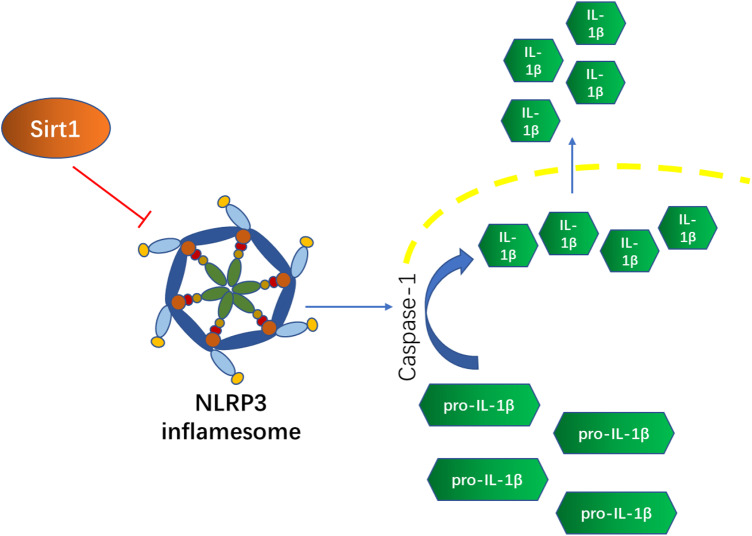
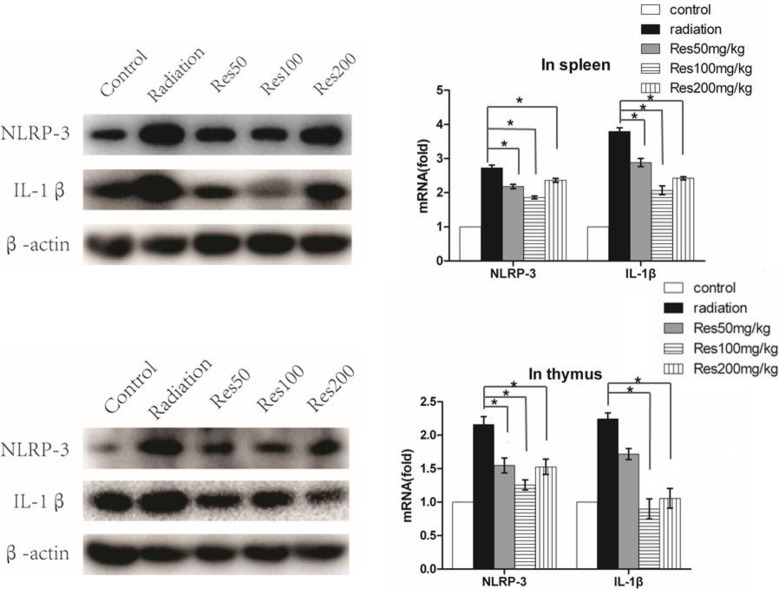
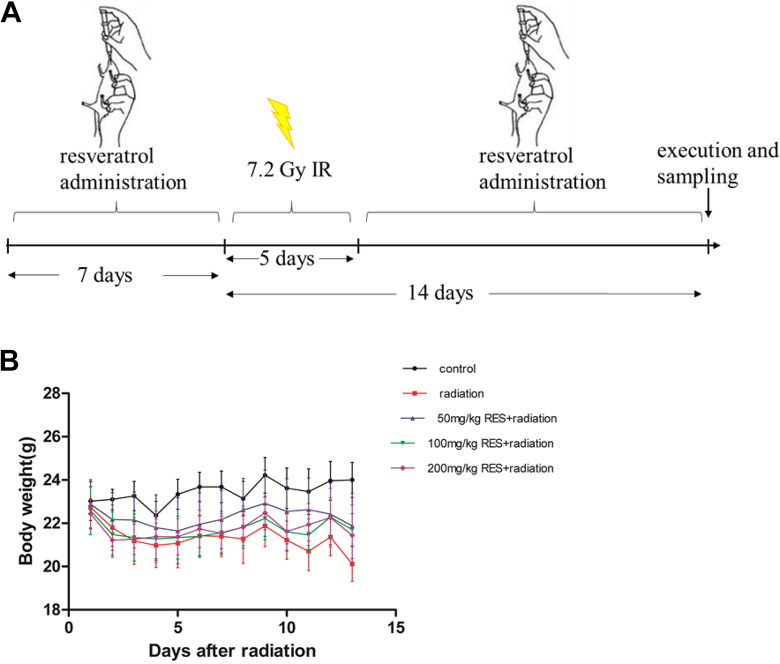
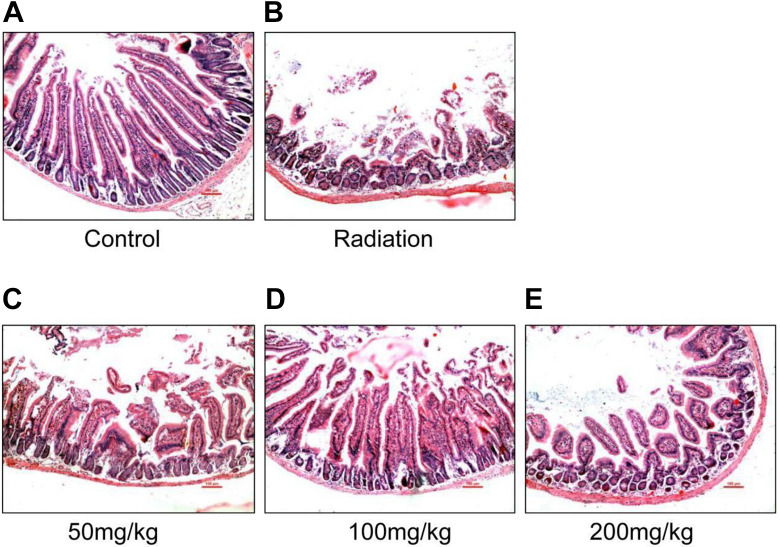
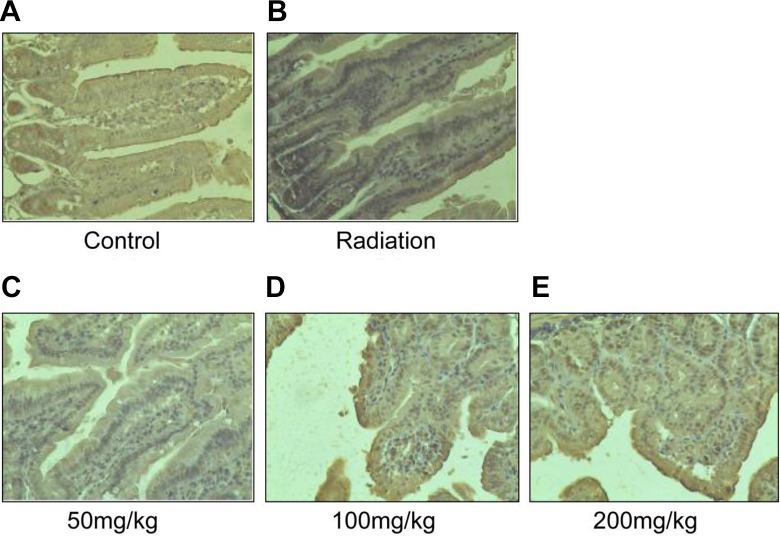
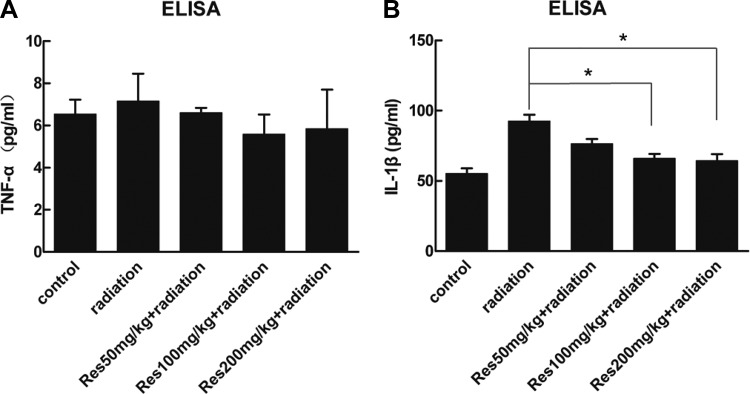
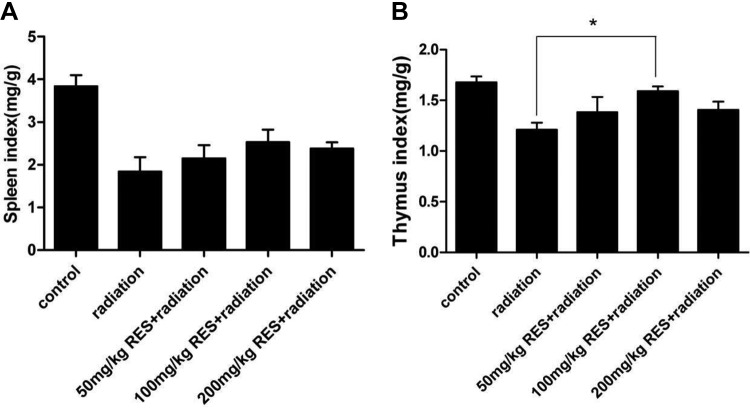
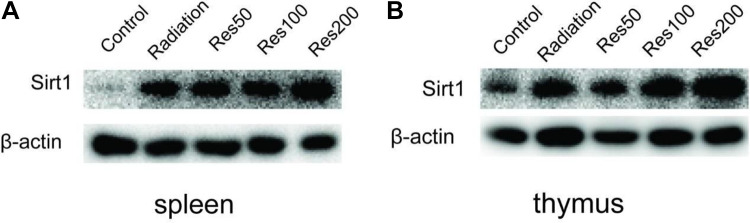
With the extensive application of radiotherapy in various cancers, its side effects in tissues adjacent to cancers are garnering much attention. Intestines are sensitive to irradiation due to its rapid proliferation, and irradiation-induced enteric inflammation is common in patients with pelvic peritoneal tumors. Sirt1, class III protein deacetylase, could lead to transcriptional repression of various inflammation-associated genes, and our previous study has proved its relationship with interleukin (IL)-1β. Here we show that resveratrol, the activator of Sirt1, could alleviate the bowel inflammation induced by irradiation and the expression of Sirt1 is consistent with the inflammation level. We further identified in vivo that Sirt1 repress the expression of IL-1β by the repression of NLR Family, Pyrin Domain Containing protein 3 (NLRP3) expression. In conclusion, this study confirms resveratrol acts against radiation-induced inflammatory bowel disease via NLRP-3 inflammasome repression in mice and supports Sirt1 as a potential biomarker and therapy target in intestinal radiation protection.
随着放射疗法在各种癌症中的广泛应用,其在癌旁组织中的副作用备受关注。肠道因其快速增殖而对辐射敏感,放疗引起的肠道炎症在盆腔腹膜肿瘤患者中很常见。Ⅲ类蛋白去乙酰化酶Sirt1可导致多种炎症相关基因的转录抑制,我们之前的研究已证实其与白细胞介素(IL)-1β的关系。在此我们表明,Sirt1的激活剂白藜芦醇可减轻辐射诱导的肠道炎症,且Sirt1的表达与炎症水平一致。我们进一步在体内证实,Sirt1通过抑制含pyrin结构域的NLR家族蛋白3(NLRP3)的表达来抑制IL-1β的表达。总之,本研究证实白藜芦醇通过抑制小鼠NLRP-3炎性小体来对抗辐射诱导的炎症性肠病,并支持Sirt1作为肠道辐射防护中的潜在生物标志物和治疗靶点。