Department of Chemistry, Vanderbilt University, Nashville, TN, 37235, USA.
BMC Bioinformatics. 2020 Jul 8;21(1):291. doi: 10.1186/s12859-020-03604-4.
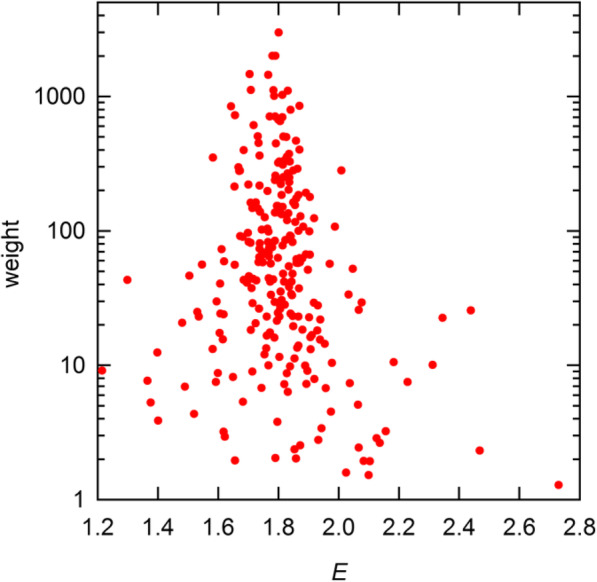
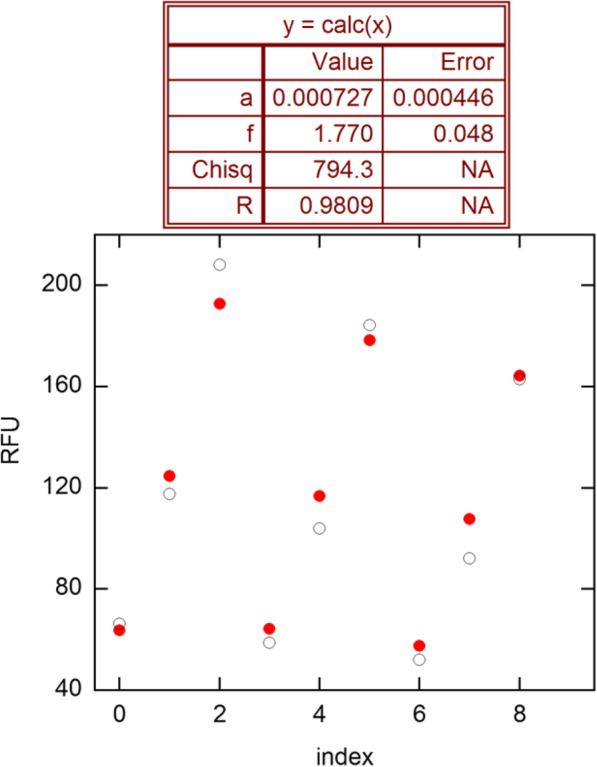
A recently proposed method for estimating qPCR amplification efficiency E analyzes fluorescence intensity ratios from pairs of points deemed to lie in the exponential growth region on the amplification curves for all reactions in a dilution series. This method suffers from a serious problem: The resulting ratios are highly correlated, as they involve multiple use of the raw data, for example, yielding ~ 250 E estimates from ~ 25 intensity readings. The resulting statistics for such estimates are falsely optimistic in their assessment of the estimation precision.
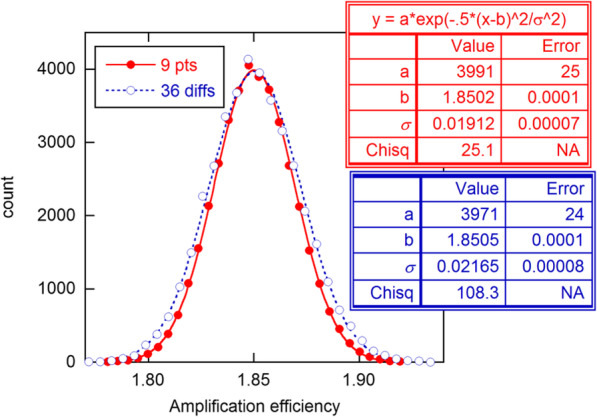
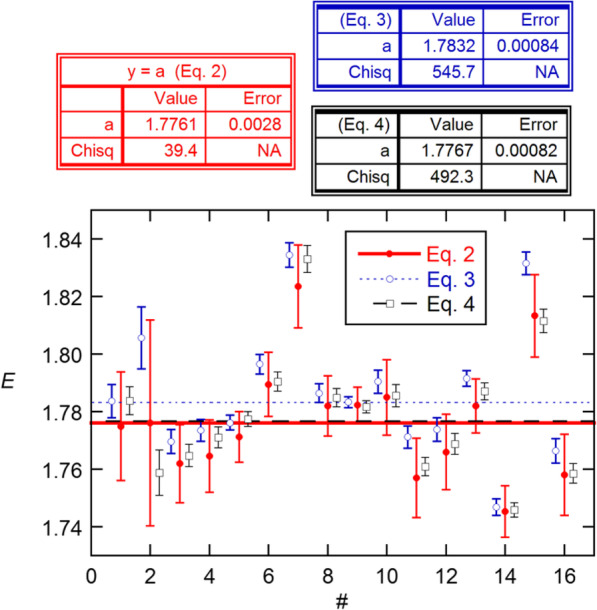
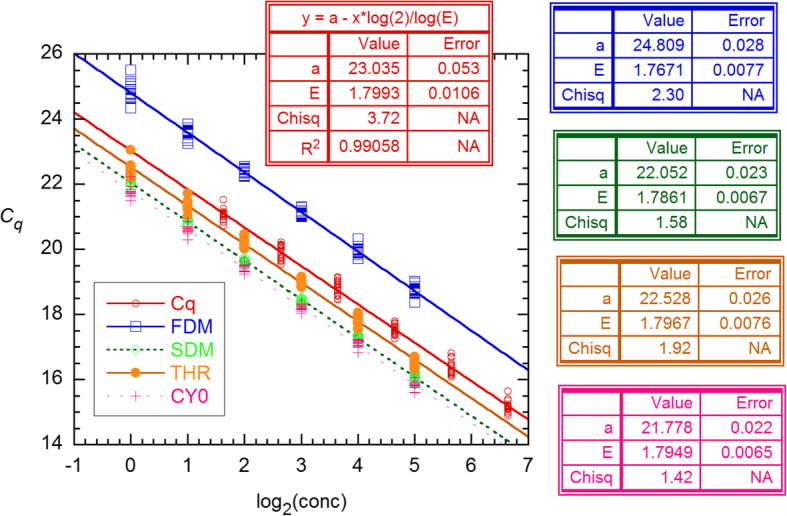
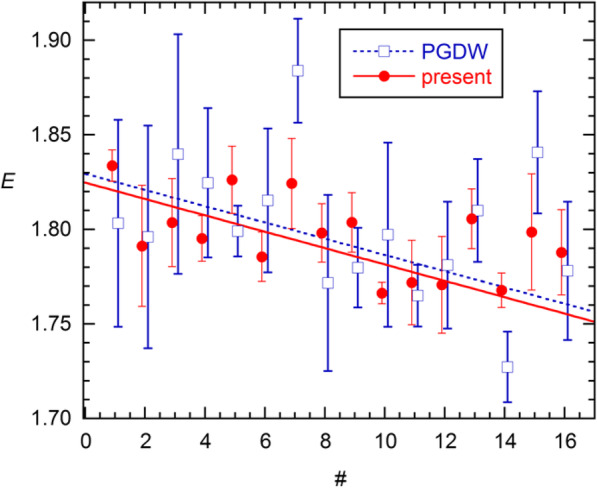
Monte Carlo simulations confirm that the correlated pairs method yields precision estimates that are better than actual by a factor of two or more. This result is further supported by estimating E by both pairwise and C calibration methods for the 16 replicate datasets from the critiqued work, and then comparing the ensemble statistics for these methods.
Contrary to assertions in the proposing work, the pairwise method does not yield E estimates a factor of 2 more precise than estimates from C calibration fitting (the standard curve method). On the other hand, the statistically correct direct fit of the data to the model behind the pairwise method can yield E estimates of comparable precision. Ways in which the approach might be improved are discussed briefly.
一种最近提出的估计 qPCR 扩增效率 E 的方法,分析了在稀释系列中所有反应的扩增曲线的指数增长区域内被认为处于的一对点的荧光强度比。该方法存在一个严重的问题:由于涉及对原始数据的多次使用,例如从大约 250 次强度读数中得出约 250 个 E 估计值,因此得到的比值高度相关。这种估计的统计数据对估计精度的评估过于乐观。
蒙特卡罗模拟证实,相关对方法得出的精度估计值比实际值高出两倍或更多。这一结果得到了进一步支持,通过对来自有争议工作的 16 个重复数据集的 C 校准和成对两种方法来估计 E,然后比较这两种方法的整体统计数据。
与提出工作中的断言相反,成对方法并没有比 C 校准拟合(标准曲线法)得出的 E 估计值更精确两倍。另一方面,数据与成对方法背后的模型的直接拟合可以产生具有可比精度的 E 估计值。简要讨论了改进该方法的方法。