Department of Nephrology, the Key Laboratory for the Prevention and Treatment of Chronic Kidney Disease of Chongqing, Kidney Center of PLA, Xinqiao Hospital, Army Medical University (Third Military Medical University), Chongqing, 400037, China.
Institute of Combined Injury, State Key Laboratory of Trauma, Burns and Combined Injury, Chongqing Engineering Research Center for Nanomedicine, College of Preventive Medicine, Army Medical University, Chongqing 400038, China.
Theranostics. 2020 Jun 5;10(16):7384-7400. doi: 10.7150/thno.45455. eCollection 2020.
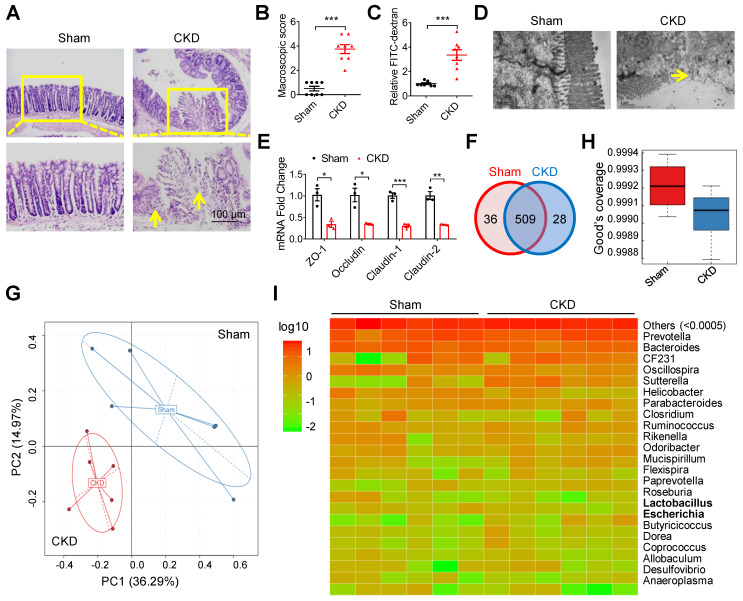
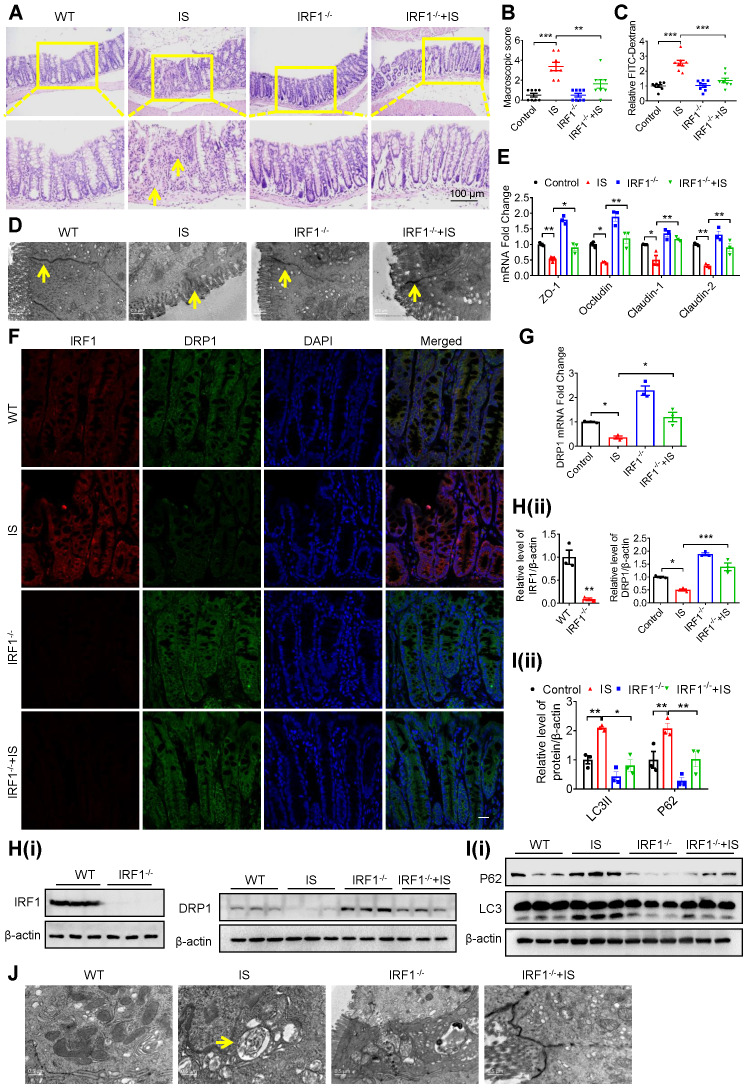
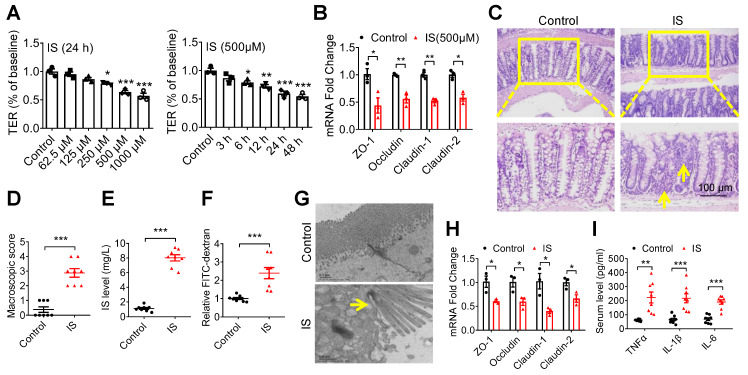
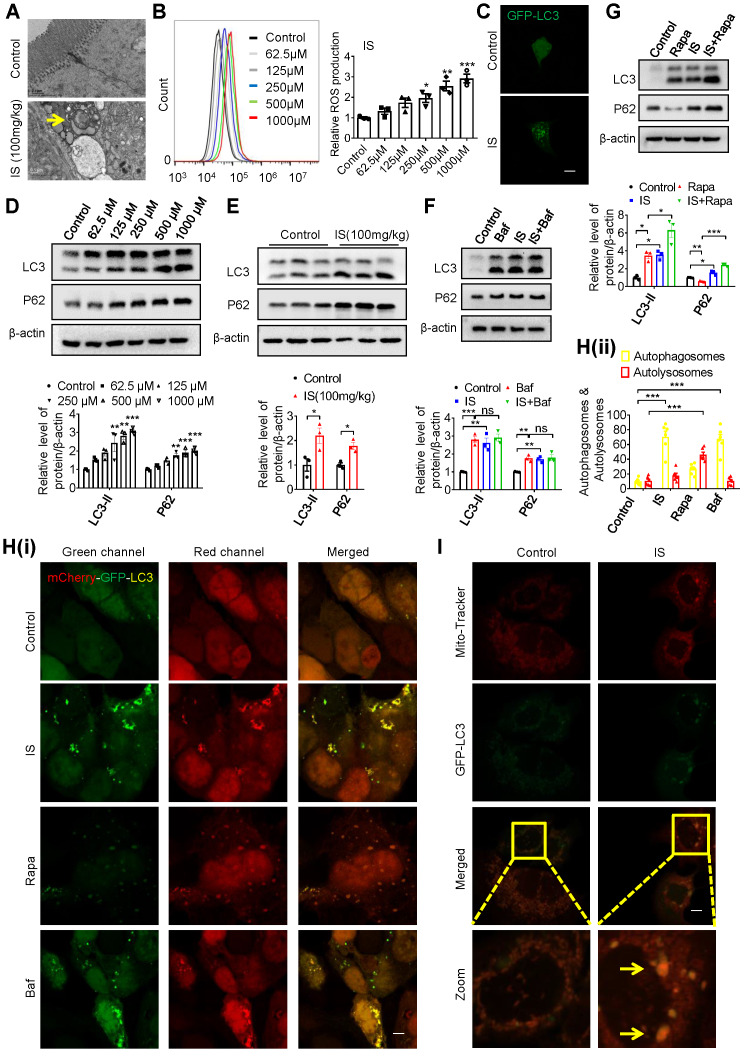
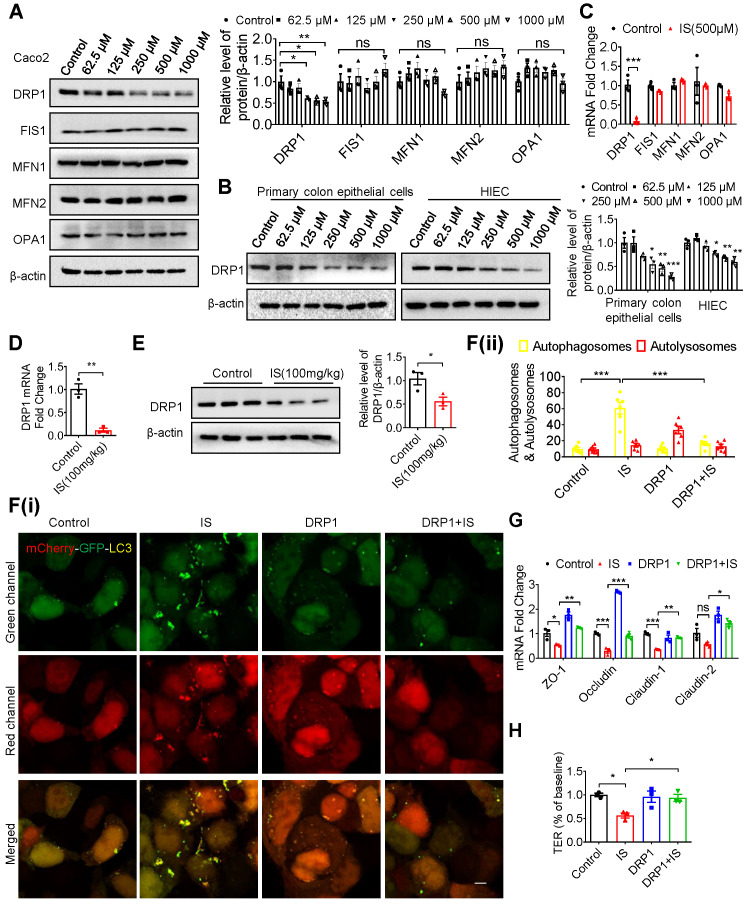
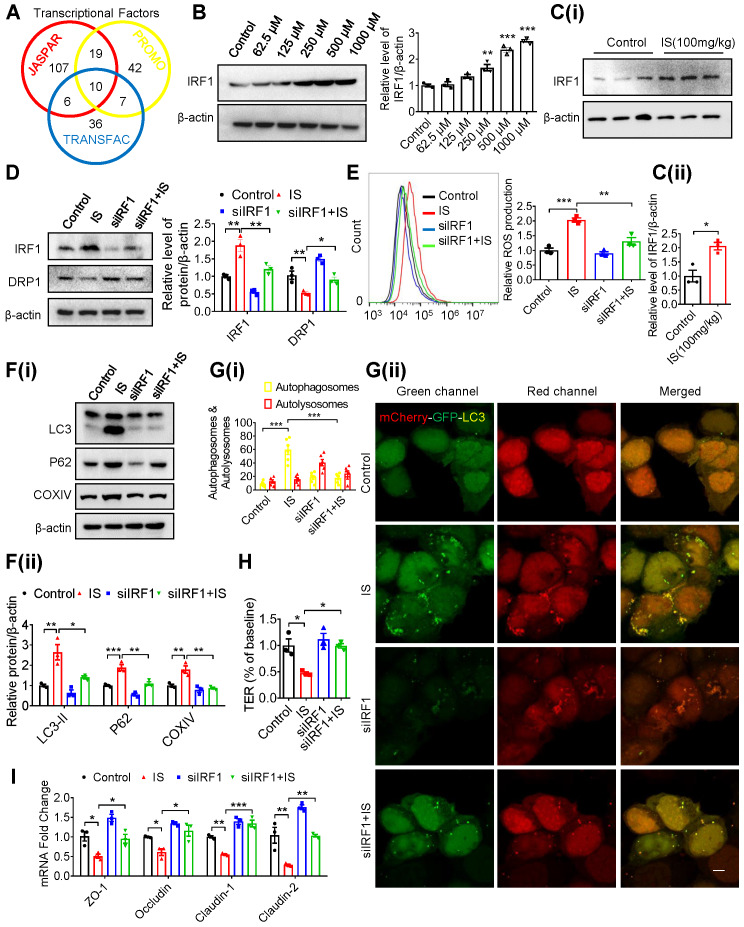
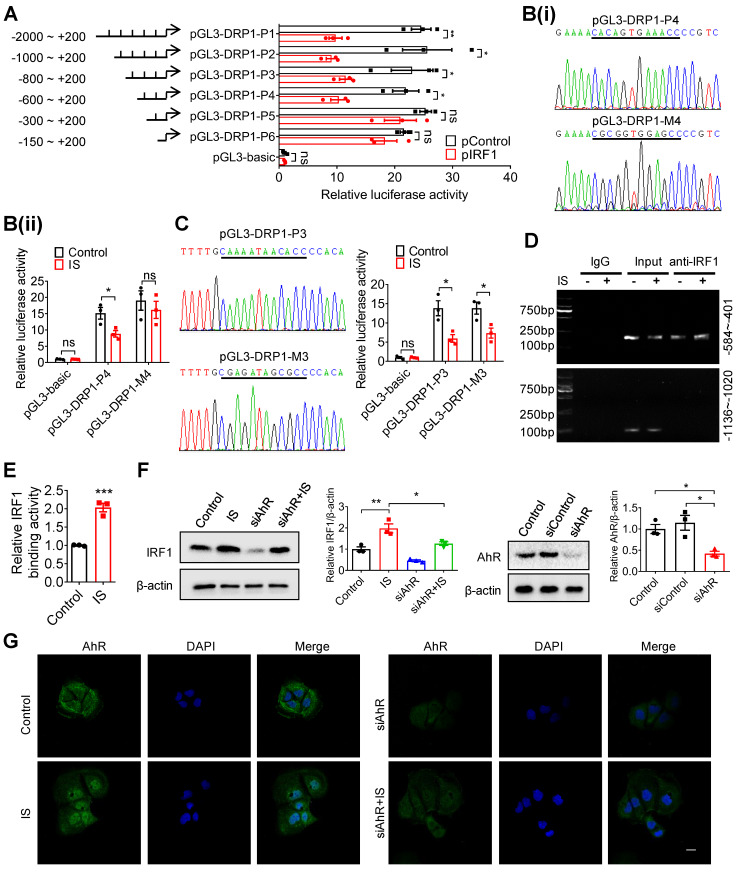
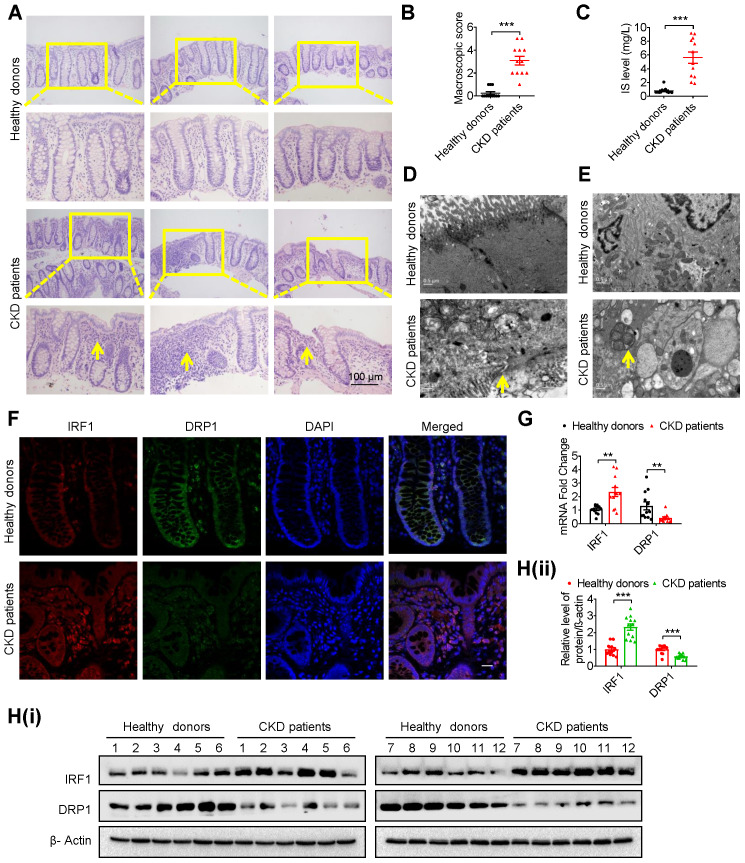
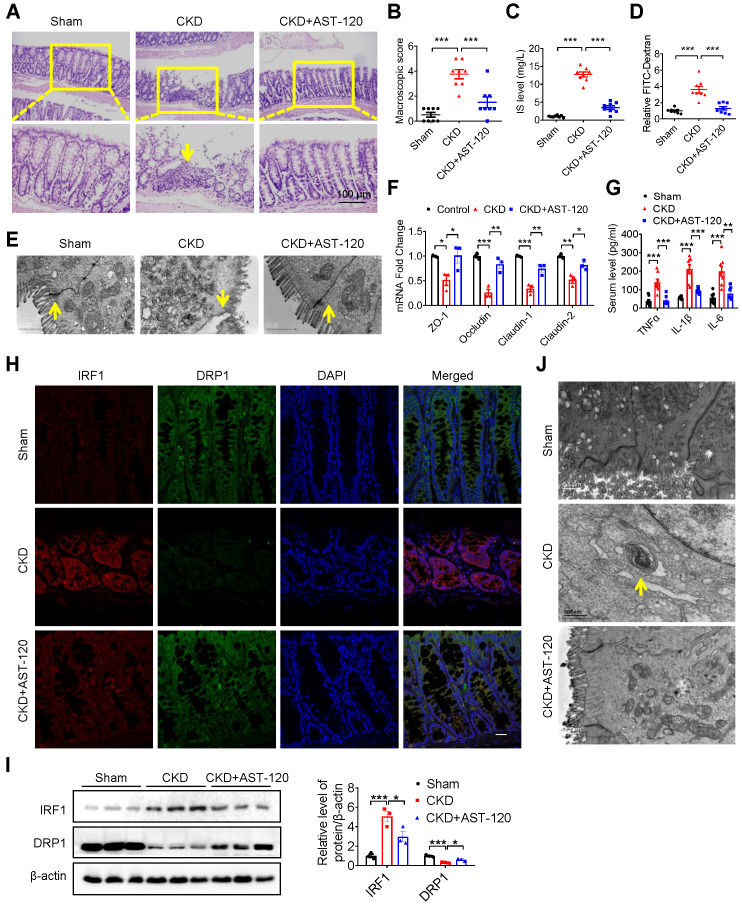
The dysfunctional gut-kidney axis forms a vicious circle, which eventually becomes a catalyst for the progression of chronic kidney disease (CKD) and occurrence of related complications. However, the pathogenic factors of CKD-associated intestinal dysfunction and its mechanism remain elusive. We first identified the protein-bound uremic toxin indoxyl sulfate (IS) as a possible contributor to intestinal barrier injury. Transepithelial electrical resistance, permeability assay and transmission electron microscopy were carried out to evaluate the damaging effect of IS on intestinal barrier in intestinal epithelial cells, IS-injected mice and CKD mice. In vitro and in vivo experiments were performed to investigate the role of IS in intestinal barrier injury and the underlying mechanism. Finally, CKD mice treated with AST-120 (an oral adsorbent for IS) and gene knockout mice were used to verify the mechanism and to explore possible interventions for IS-induced intestinal barrier injury. Transepithelial electrical resistance and the expressions of tight junction-related genes were significantly suppressed by IS in intestinal epithelial cells. In vitro experiments demonstrated that IS inhibited the expression of dynamin-related protein 1 (DRP1) and mitophagic flux, whereas DRP1 overexpression attenuated IS-induced mitophagic inhibition and intestinal epithelial cell damage. Furthermore, IS suppressed DRP1 by upregulating the expression of interferon regulatory factor 1 (IRF1), and IRF1 could directly bind to the promoter region of DRP1. Additionally, the decreased expression of DRP1 and autophagosome-encapsulated mitochondria were observed in the intestinal tissues of CKD patients. Administration of AST-120 or genetic knockout of IRF1 attenuated IS-induced DRP1 reduction, mitophagic impairment and intestinal barrier injury in mice. These findings suggest that reducing IS accumulation or targeting the IRF1-DRP1 axis may be a promising therapeutic strategy for alleviating CKD-associated intestinal dysfunction.
功能失调的肠-肾轴形成恶性循环,最终成为慢性肾脏病(CKD)进展和相关并发症发生的催化剂。然而,CKD 相关肠道功能障碍的发病因素及其机制仍不清楚。我们首先鉴定出蛋白结合尿毒症毒素吲哚硫酸酯(IS)可能是导致肠道屏障损伤的因素之一。通过跨上皮电阻、通透性测定和透射电镜观察,评估 IS 对肠道上皮细胞、IS 注射小鼠和 CKD 小鼠肠道屏障的损伤作用。进行体外和体内实验,研究 IS 在肠道屏障损伤中的作用及其潜在机制。最后,使用 AST-120(一种 IS 的口服吸附剂)和基因敲除小鼠处理 CKD 小鼠,以验证机制并探索可能的干预措施来治疗 IS 诱导的肠道屏障损伤。IS 可显著抑制肠道上皮细胞中紧密连接相关基因的表达和跨上皮电阻。体外实验表明,IS 抑制动力相关蛋白 1(DRP1)和噬作用流的表达,而 DRP1 的过表达可减轻 IS 诱导的噬作用抑制和肠道上皮细胞损伤。此外,IS 通过上调干扰素调节因子 1(IRF1)的表达来抑制 DRP1,IRF1 可直接结合 DRP1 的启动子区域。此外,在 CKD 患者的肠道组织中观察到 DRP1 和自噬体包裹的线粒体表达减少。AST-120 给药或 IRF1 基因敲除可减轻 IS 诱导的 DRP1 减少、噬作用障碍和肠道屏障损伤。这些发现表明,减少 IS 积累或靶向 IRF1-DRP1 轴可能是缓解 CKD 相关肠道功能障碍的一种有前途的治疗策略。