Translational and Clinical Research Institute, Faculty of Medical Sciences, Clinical Ageing Research Unit, Newcastle University , Newcastle upon Tyne, UK.
Northumbria Healthcare NHS Foundation Trust, North Tyneside General Hospital , North Shields, UK.
Exp Aging Res. 2020 Oct-Dec;46(5):367-381. doi: 10.1080/0361073X.2020.1787752. Epub 2020 Jul 8.
Older adults with lower levels of activity can be at risk of poor health outcomes. Wearable technology has improved the acceptability and objectivity of measuring activity for older adults in high-income countries. Nevertheless, the technology is under-utilized in low-to-middle income countries. The aim was to explore feasibility, acceptability and utility of wearable technology to measure walking activity in rural-dwelling, older Tanzanians.
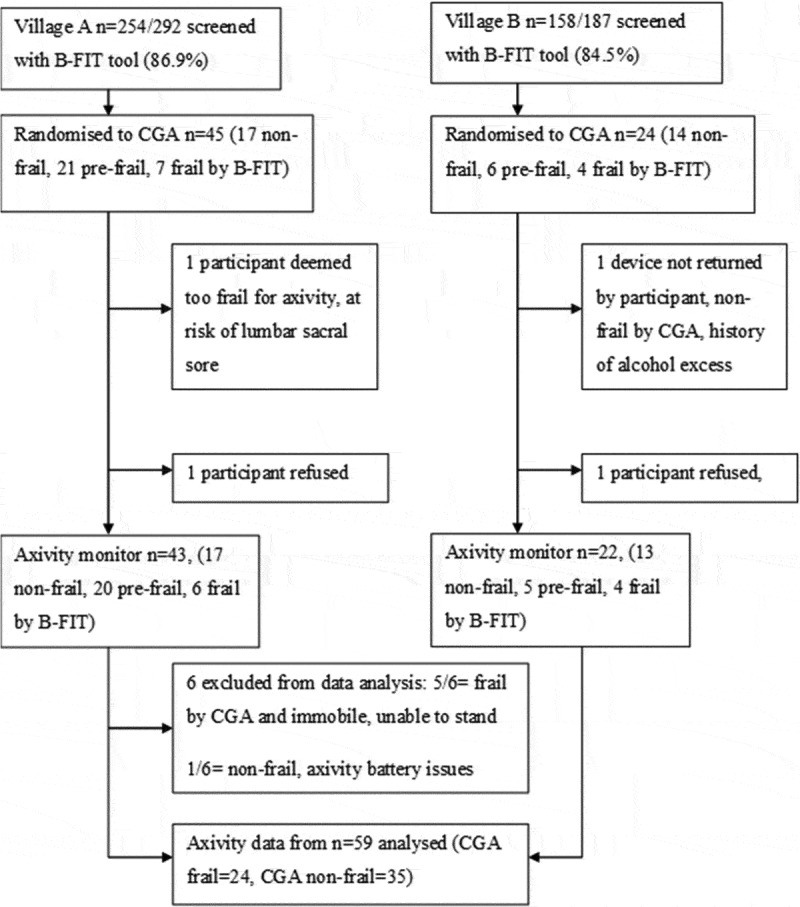
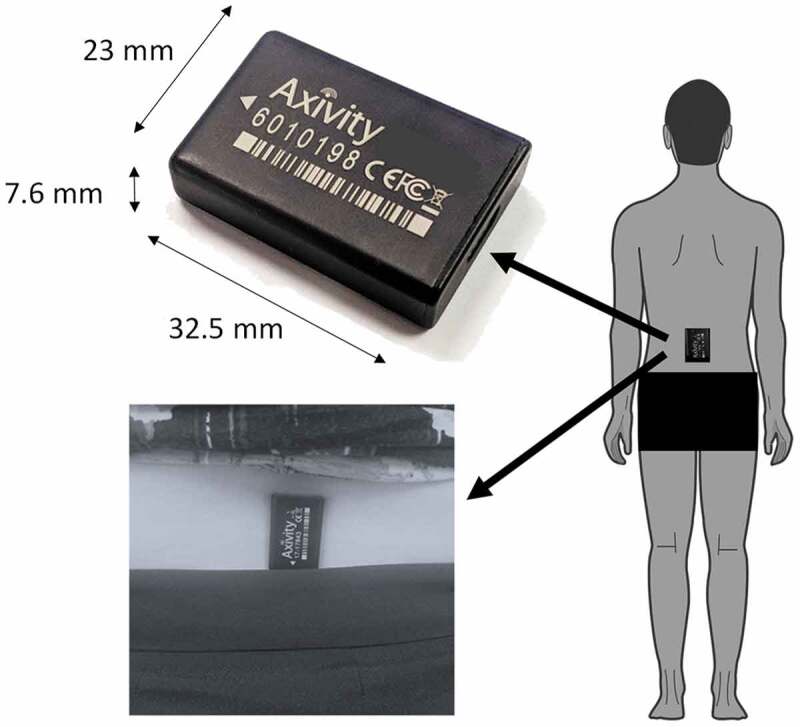
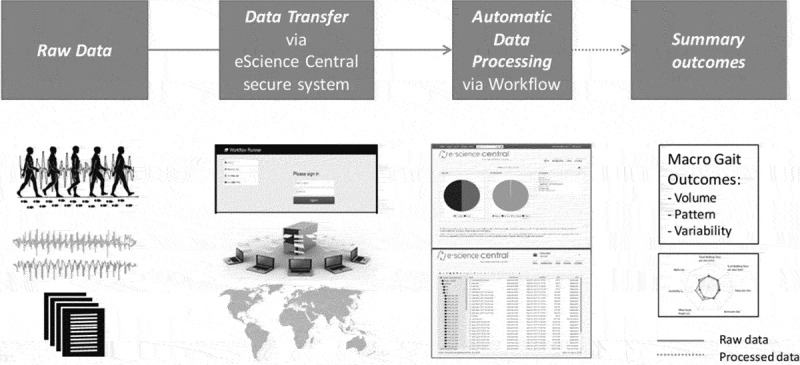
A total of 65 participants (73.9 ± 11.2 years), 36 non-frail and 29 frail, were assessed. Free-living data were recorded for 7 days with an accelerometer on the lower back. Data were analyzed via an automatic cloud-based pipeline: volume, pattern and variability of walking were extracted. Acceptability questionnaires were completed. T-tests were used for comparison between the groups.
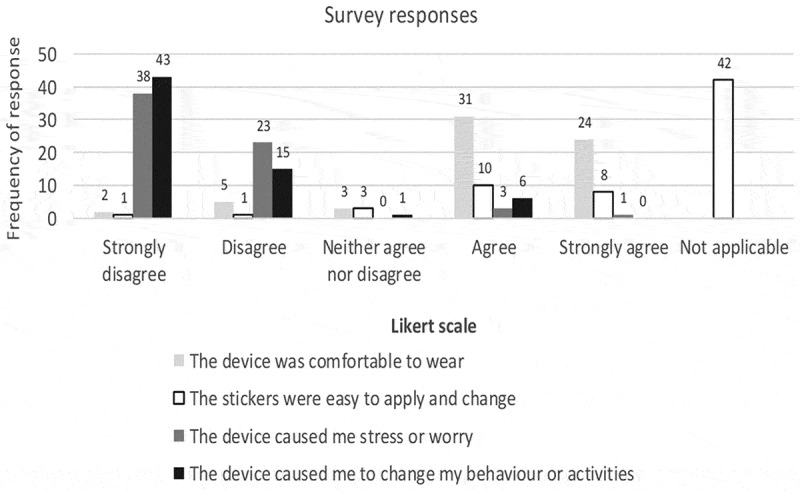
59/65 datasets were analyzed. Questionnaires indicated that 15/65 (23.0%) experienced some therapeutic benefit from the accelerometer, 15/65 (23.0%) expected diagnostic benefit; 16/65 (24.6%) experienced symptoms while wearing the accelerometer (e.g. itching). Frail adults walked significantly less, had less variable walking patterns, and had a greater proportion of shorter walking bouts compared to the non-frail.
This study suggests that important contextual and practical limitations withstanding wearable technology may be feasible for measuring walking activity in older rural-dwelling adults in low-income settings, identifying those with frailty.
活动量较低的老年人可能面临健康状况不佳的风险。可穿戴技术提高了高收入国家老年人测量活动的可接受性和客观性。然而,这项技术在中低收入国家的利用率仍然较低。本研究旨在探索可穿戴技术在测量坦桑尼亚农村老年人步行活动中的可行性、可接受性和实用性。
共有 65 名参与者(73.9±11.2 岁),36 名非虚弱者和 29 名虚弱者接受了评估。使用背部加速度计在 7 天内记录自由活动数据。数据通过自动基于云的管道进行分析:提取步行的量、模式和可变性。完成了可接受性问卷。使用 t 检验比较了两组之间的差异。
分析了 59/65 个数据集。问卷调查表明,15/65(23.0%)人从加速度计中获得了一些治疗益处,15/65(23.0%)人期望获得诊断益处;16/65(24.6%)人在佩戴加速度计时出现了症状(如瘙痒)。虚弱的成年人步行量明显较少,步行模式变化较少,较短的步行回合比例更高。
本研究表明,可穿戴技术在测量低收入环境中农村老年人的步行活动方面可能具有可行性,可识别出虚弱的老年人。