Division of Endocrinology, Diabetes, and Metabolism, Department of Medicine, College of Medicine, University of Illinois at Chicago, Chicago, IL 60612, USA.
Clinical Pathology Laboratory, Children's Cancer Hospital Egypt, Cairo 57357, Egypt.
Nutrients. 2020 Jul 7;12(7):2014. doi: 10.3390/nu12072014.
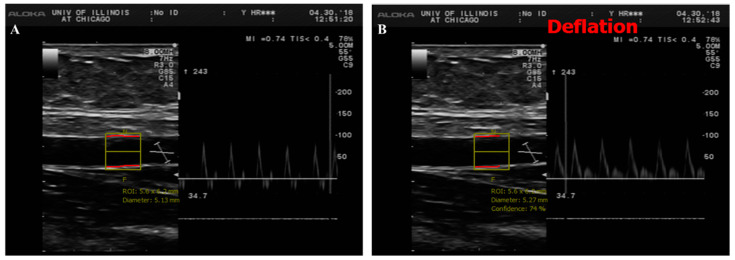
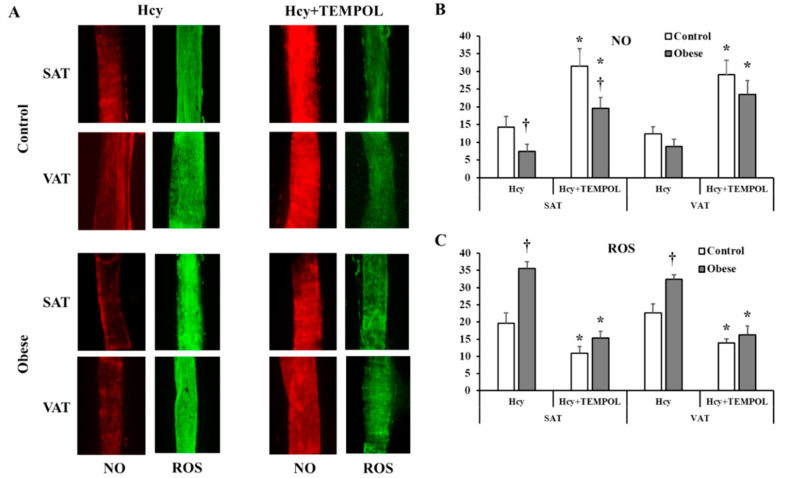
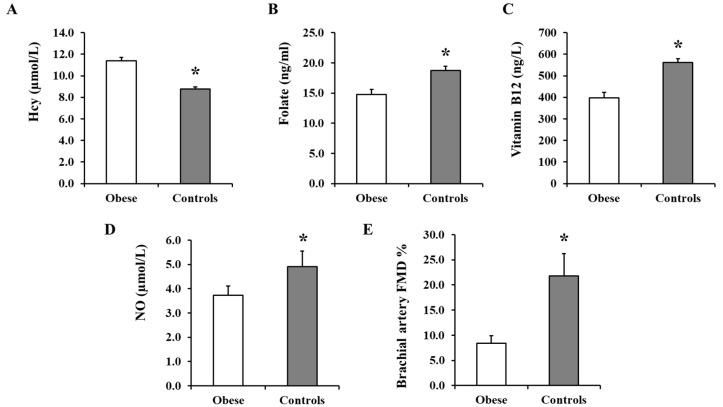
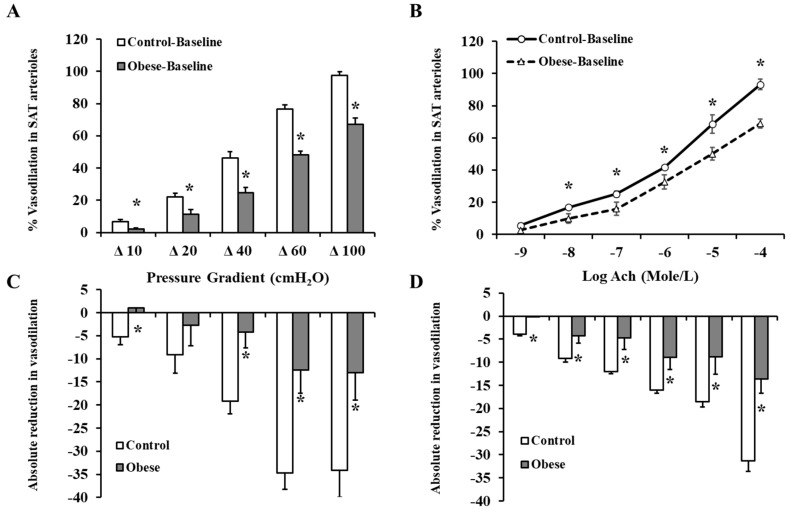
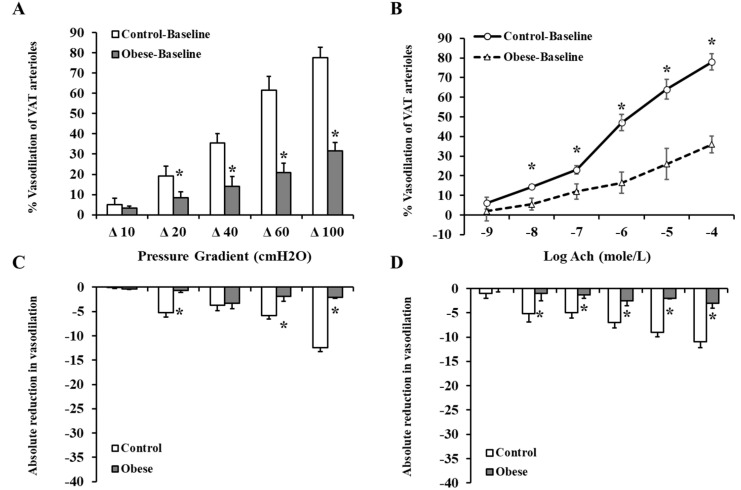
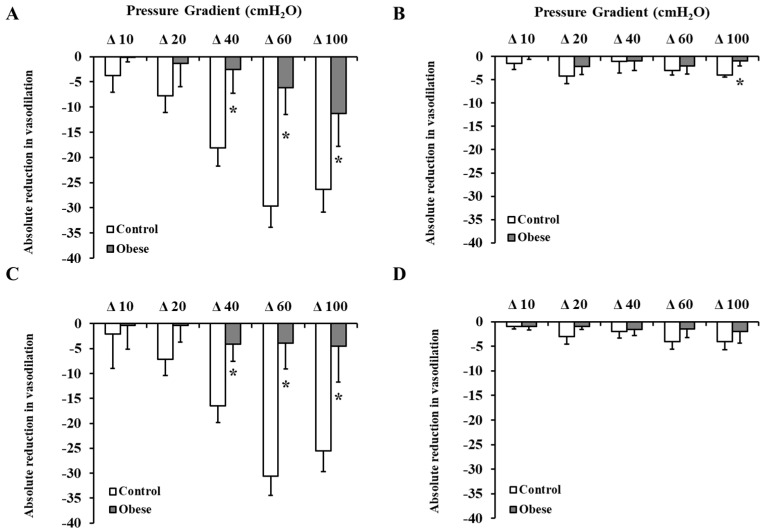
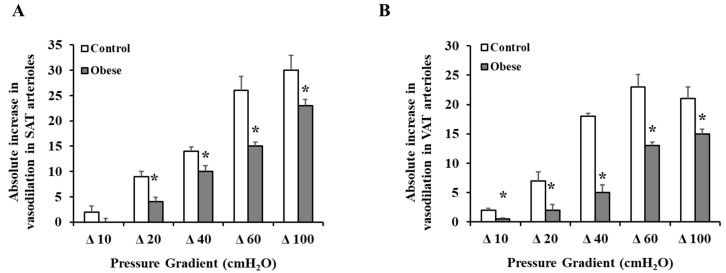
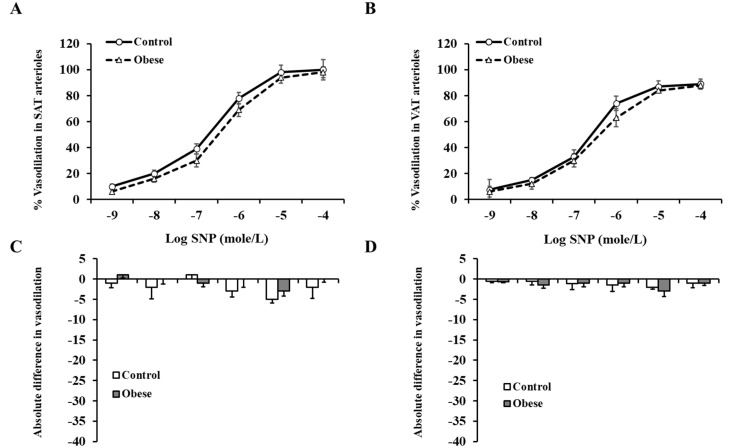
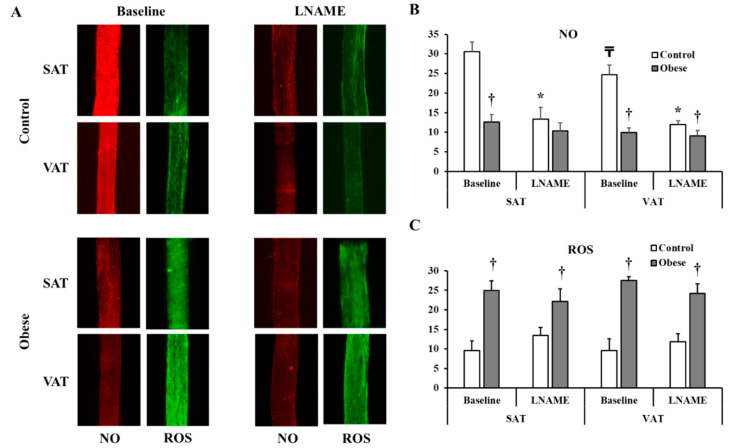
There is a high prevalence of hyperhomocysteinemia that has been linked to high cardiovascular risk in obese individuals and could be attributed to poor nutritional status of folate and vitamin B12. We sought to examine the association between blood homocysteine (Hcy) folate, and vitamin B12 levels and vascular dysfunction in morbidly obese adults using novel ex vivo flow-induced dilation (FID) measurements of isolated adipose tissue arterioles. Brachial artery flow-mediated dilation (FMD) was also measured. Subcutaneous and visceral adipose tissue biopsies were obtained from morbidly obese individuals and non-obese controls. Resistance arterioles were isolated in which FID, acetylcholine-induced dilation (AChID), and nitric oxide (NO) production were measured in the absence or presence of the NO synthase inhibitor, L-NAME, Hcy, or the superoxide dismutase mimetic, TEMPOL. Our results demonstrated that plasma Hcy concentrations were significantly higher, while folate, vitamin B12, and NO were significantly lower in obese subjects compared to controls. Hcy concentrations correlated positively with BMI, fat %, and insulin levels but not with folate or vitamin B12. Brachial and arteriolar vasodilation were lower in obese subjects, positively correlated with folate and vitamin B12, and inversely correlated with Hcy. Arteriolar NO measurements and sensitivity to L-NAME were lower in obese subjects compared to controls. Finally, Hcy incubation reduced arteriolar FID and NO sensitivity, an effect that was abolished by TEMPOL. In conclusion, these data suggest that high concentrations of plasma Hcy and low concentrations of folate and vitamin B12 could be independent predictors of vascular dysfunction in morbidly obese individuals.
存在高同型半胱氨酸血症的高发率,这种情况与肥胖个体的心血管风险增加有关,可能归因于叶酸和维生素 B12 的营养状况不佳。我们试图通过对肥胖个体和非肥胖个体进行新型离体血流诱导扩张(FID)测量,研究血液同型半胱氨酸(Hcy)、叶酸和维生素 B12 水平与血管功能障碍之间的关联。还测量了肱动脉血流介导的扩张(FMD)。从病态肥胖个体和非肥胖对照者中获取皮下和内脏脂肪组织活检。分离阻力小动脉,在不存在或存在一氧化氮合酶抑制剂、Hcy、超氧化物歧化酶模拟物 TEMPOL 的情况下,测量 FID、乙酰胆碱诱导的扩张(AChID)和一氧化氮(NO)的产生。我们的结果表明,与对照组相比,肥胖个体的血浆 Hcy 浓度显著升高,而叶酸、维生素 B12 和 NO 水平显著降低。Hcy 浓度与 BMI、脂肪百分比和胰岛素水平呈正相关,但与叶酸或维生素 B12 无关。肥胖者的肱动脉和小动脉扩张功能降低,与叶酸和维生素 B12 呈正相关,与 Hcy 呈负相关。与对照组相比,肥胖者的小动脉 NO 测量值和对 L-NAME 的敏感性较低。最后,Hcy 孵育降低了小动脉的 FID 和 NO 敏感性,而 TEMPOL 则消除了这种作用。总之,这些数据表明,血浆 Hcy 浓度升高和叶酸及维生素 B12 浓度降低可能是病态肥胖个体血管功能障碍的独立预测因子。