Division of Cardiovascular Sciences, University of Manchester, 46 Grafton Street, Manchester, M13 9NT, UK.
Physiology and Cell Biology, Ohio State University Wexner Medical Center, Columbus, OH, 43210, USA.
Sci Rep. 2020 Jul 9;10(1):11279. doi: 10.1038/s41598-020-67790-0.
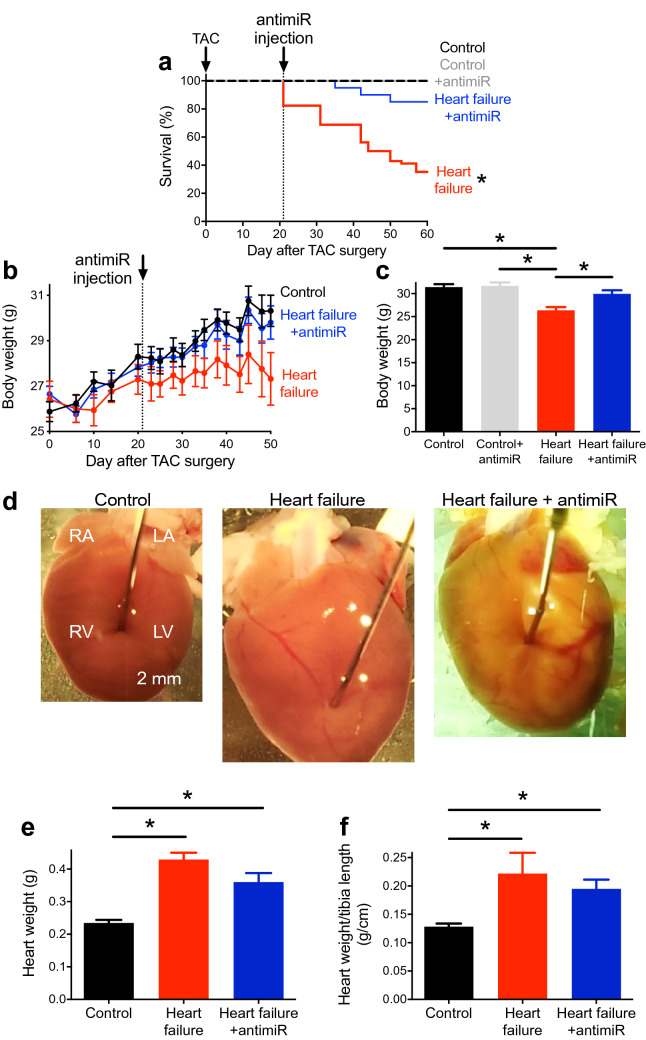
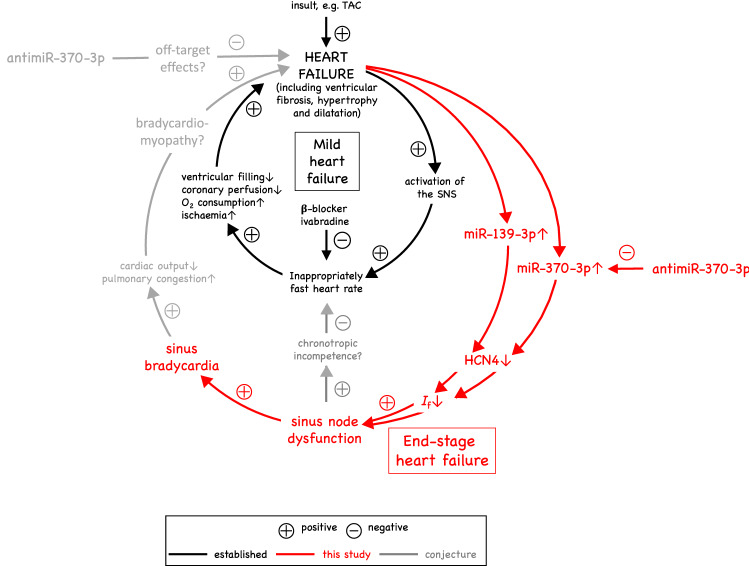
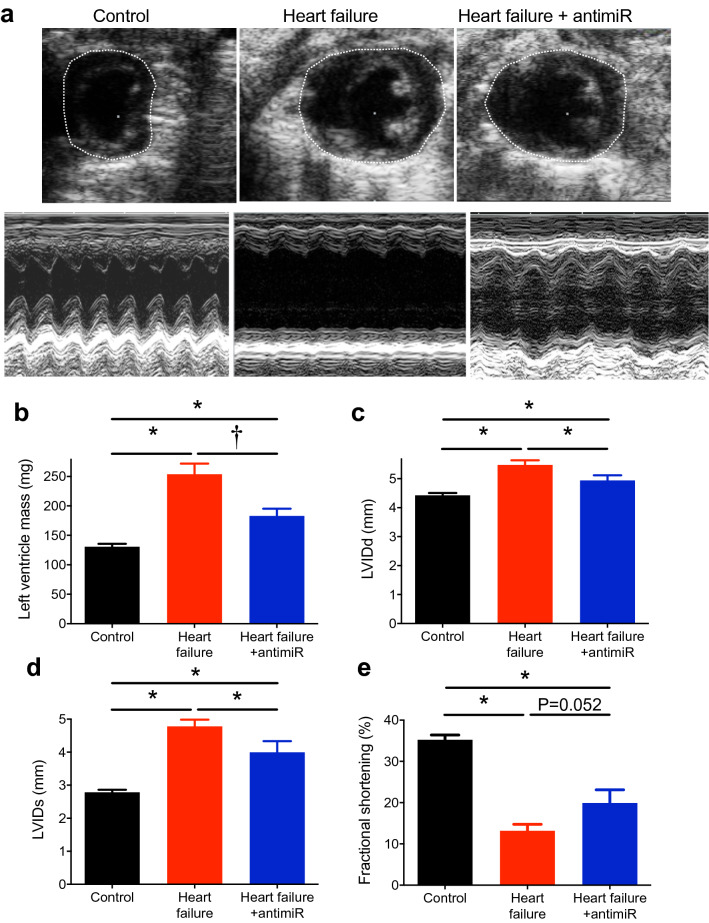
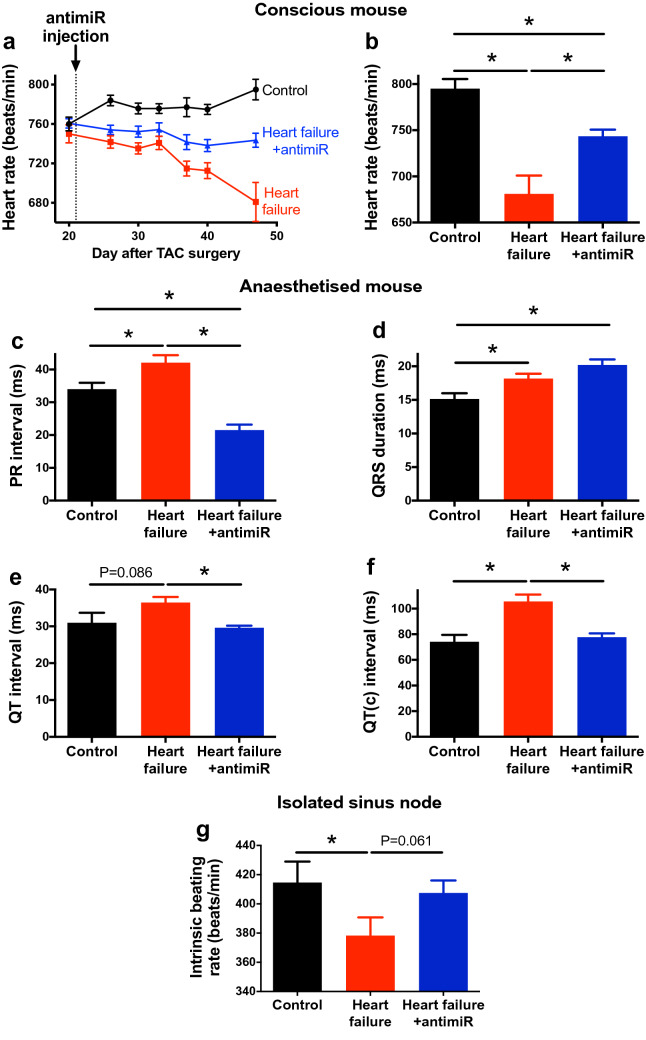
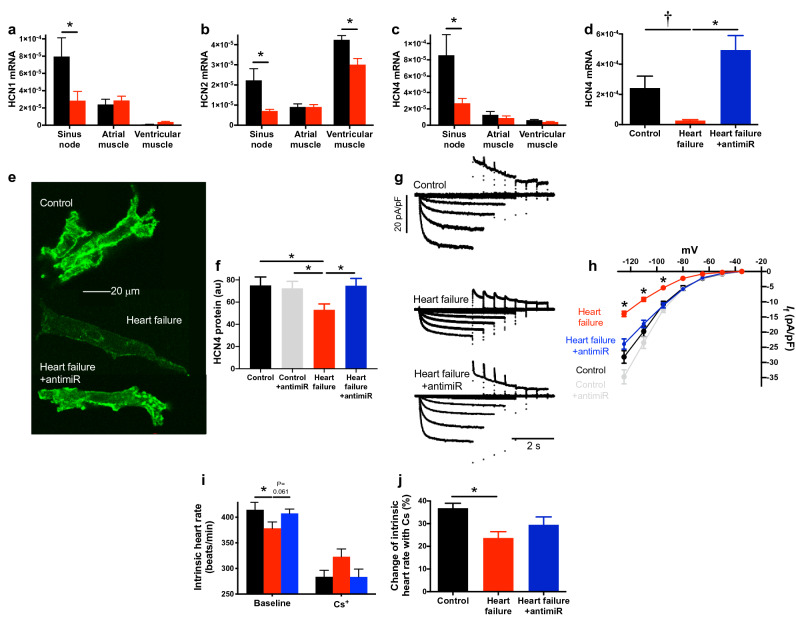
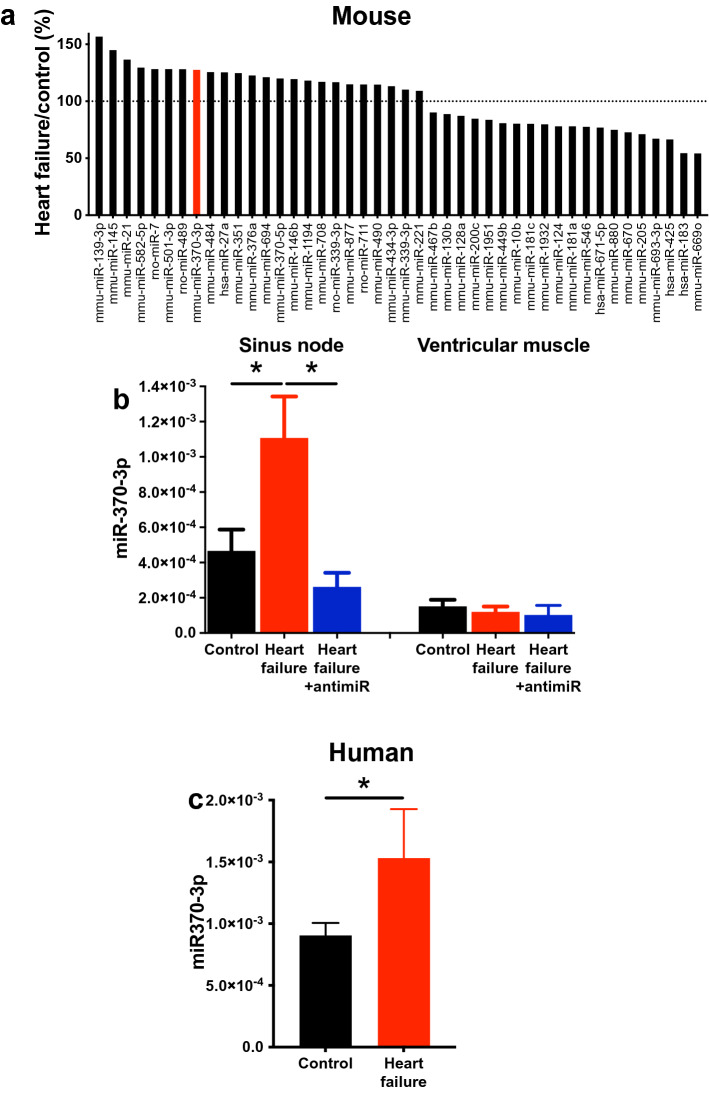
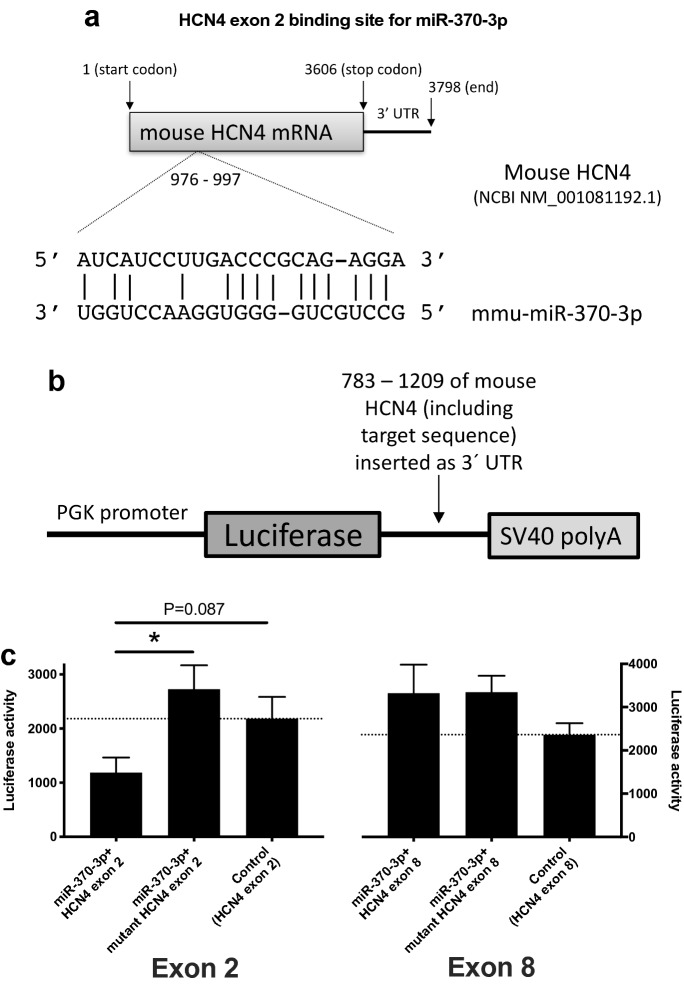
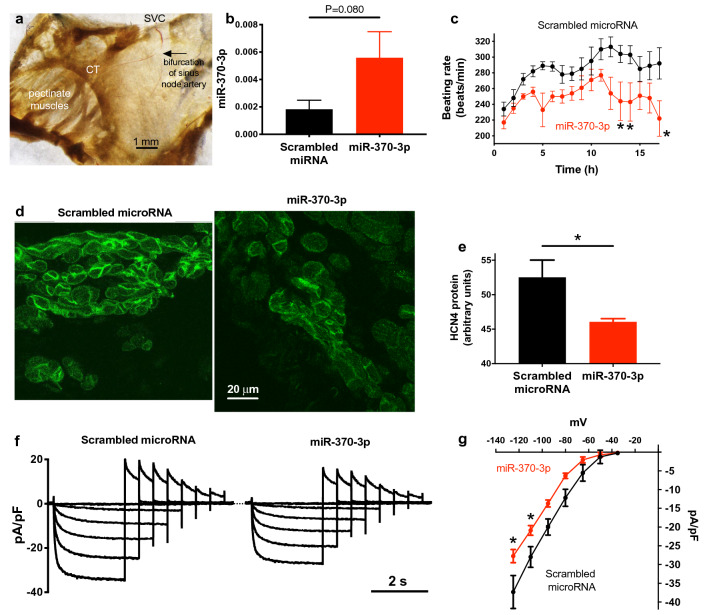
Bradyarrhythmias are an important cause of mortality in heart failure and previous studies indicate a mechanistic role for electrical remodelling of the key pacemaking ion channel HCN4 in this process. Here we show that, in a mouse model of heart failure in which there is sinus bradycardia, there is upregulation of a microRNA (miR-370-3p), downregulation of the pacemaker ion channel, HCN4, and downregulation of the corresponding ionic current, I, in the sinus node. In vitro, exogenous miR-370-3p inhibits HCN4 mRNA and causes downregulation of HCN4 protein, downregulation of I, and bradycardia in the isolated sinus node. In vivo, intraperitoneal injection of an antimiR to miR-370-3p into heart failure mice silences miR-370-3p and restores HCN4 mRNA and protein and I in the sinus node and blunts the sinus bradycardia. In addition, it partially restores ventricular function and reduces mortality. This represents a novel approach to heart failure treatment.
缓心律失常是心力衰竭患者死亡的一个重要原因,先前的研究表明,心脏关键起搏离子通道 HCN4 的电重构在这一过程中起作用。在这里,我们发现,在窦性心动过缓的心力衰竭小鼠模型中,存在 microRNA (miR-370-3p) 的上调、起搏离子通道 HCN4 的下调和窦房结中相应离子电流 I 的下调。在体外,外源性 miR-370-3p 抑制 HCN4 mRNA 并导致 HCN4 蛋白下调、I 下调以及窦房结心动过缓。在体内,将抗 miR-370-3p 腹腔注射到心力衰竭小鼠中可沉默 miR-370-3p,并恢复窦房结中的 HCN4 mRNA 和蛋白以及 I,减弱窦性心动过缓。此外,它还部分恢复了心室功能并降低了死亡率。这代表了心力衰竭治疗的一种新方法。