Huang Yi-Wen, Echeveste Carla Elena, Oshima Kiyoko, Zhang Jianying, Yearsley Martha, Yu Jianhua, Wang Li-Shu
Department of Obstetrics and Gynecology, MD, USA.
Division of Hematology and Oncology, Department of Medicine, Medical College of Wisconsin, Milwaukee, WI.
J Cancer Prev. 2020 Jun 30;25(2):119-125. doi: 10.15430/JCP.2020.25.2.119.
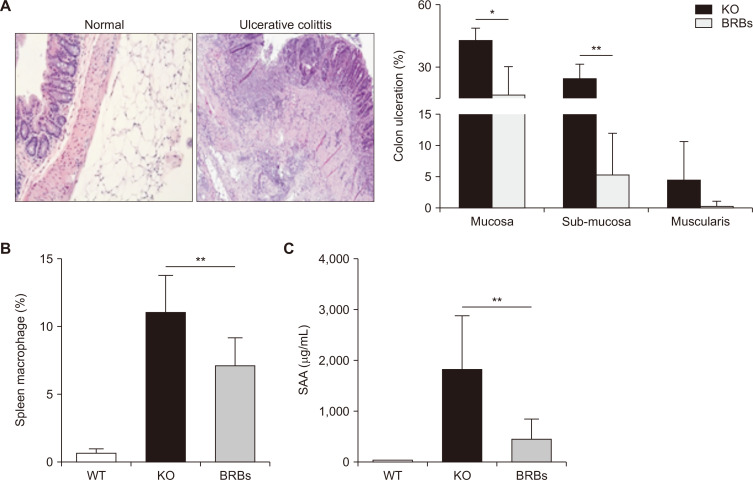
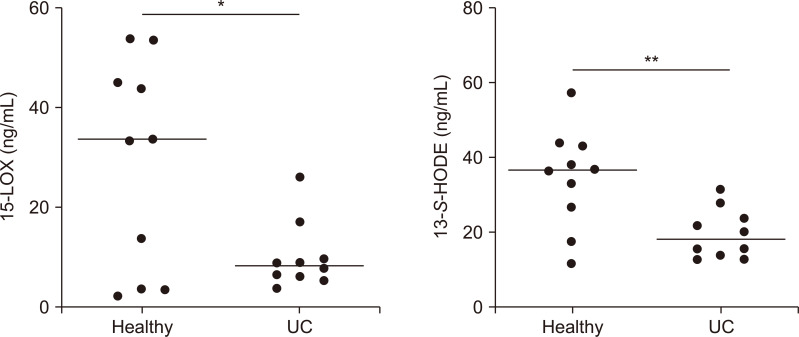
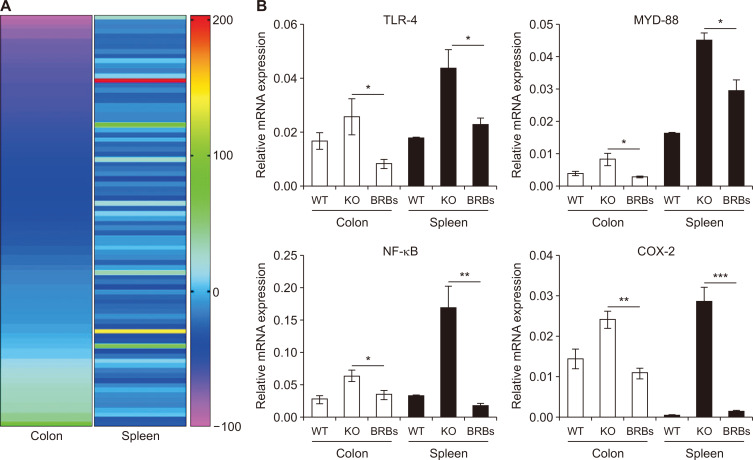
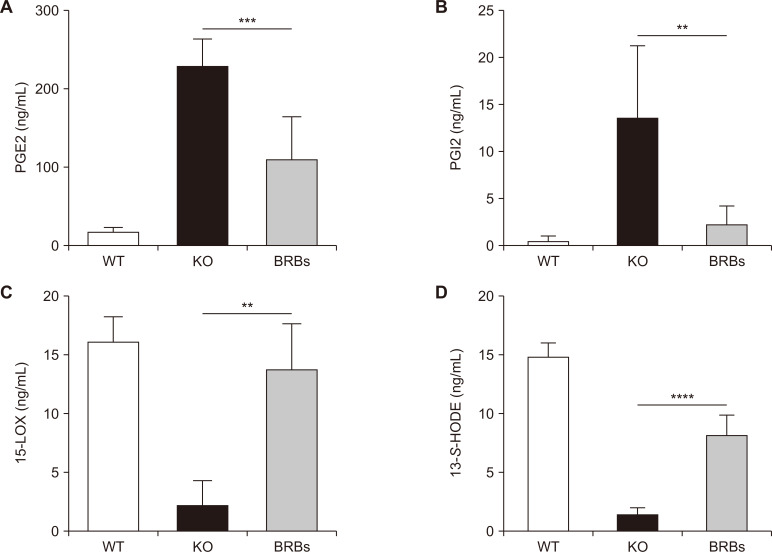
Ulcerative colitis (UC) is a chronic inflammatory disease of the colon, with a steadily rising prevalence in Western and newly industrialized countries. UC patients have a cancer incidence as high as 10% after 20 years of the disease. Although the importance of fruits and vegetables in defense against UC is beginning to be appreciated, the mechanisms remain largely unclear. In the current study, we reported that dietary black raspberries (BRBs) decreased colonic inflammation in the mucosa and submucosa of interleukin (IL)-10 knockout (KO) mice. We then used colon, spleen, and plasma from those mice to investigate whether BRBs exert their anti-inflammatory effects by correcting dysregulated toll-like receptor (TLR)-4 signaling to downregulate prostaglandin E2 (PGE2). Other studies reported that spleen is the reservoir of macrophages and depletion of macrophages in IL-10 KO mice prevents the development of colitis. Our results showed that BRBs decreased the percentages of macrophages in spleens of IL-10 KO mice. Moreover, mechanistically, the BRB diet corrected dysregulated TLR-4 signaling in cells from the colon and spleen, decreased PGE2 and prostaglandin I2, and increased 15-lipoxygenase and its product, 13-S-hydroxyoctadecadienoic acid, in plasma of IL-10 KO mice. Therefore, we have elucidated one of the anti-inflammatory mechanisms of BRBs, and have identified biomarkers that could be indicators of response in UC patients treated with them. Our findings with BRBs could well apply to many other commonly consumed fruits and vegetables.
溃疡性结肠炎(UC)是一种结肠慢性炎症性疾病,在西方和新兴工业化国家的患病率呈稳步上升趋势。UC患者在患病20年后的癌症发病率高达10%。尽管水果和蔬菜在抵御UC方面的重要性已开始得到认可,但其机制仍 largely不清楚。在本研究中,我们报告了膳食黑莓(BRB)可减轻白细胞介素(IL)-10基因敲除(KO)小鼠结肠黏膜和黏膜下层的炎症。然后,我们使用这些小鼠的结肠、脾脏和血浆来研究BRB是否通过纠正失调的Toll样受体(TLR)-4信号传导来下调前列腺素E2(PGE2)发挥其抗炎作用。其他研究报告称,脾脏是巨噬细胞的储存库,IL-10 KO小鼠中巨噬细胞的耗竭可预防结肠炎的发展。我们的结果表明,BRB可降低IL-10 KO小鼠脾脏中巨噬细胞的百分比。此外,从机制上讲,BRB饮食可纠正结肠和脾脏细胞中失调的TLR-4信号传导,降低PGE2和前列腺素I2,并增加IL-10 KO小鼠血浆中的15-脂氧合酶及其产物13-S-羟基十八碳二烯酸。因此,我们阐明了BRB的一种抗炎机制,并确定了可作为接受其治疗的UC患者反应指标的生物标志物。我们关于BRB的研究结果很可能适用于许多其他常见的食用水果和蔬菜。