Koch Institute for Integrative Cancer Research and the Department of Biology at Massachusetts Institute of Technology, Cambridge, United States.
Department of Biochemistry and Molecular Biology, University of Massachusetts, Amherst, Amherst, United States.
Elife. 2020 Jul 10;9:e56782. doi: 10.7554/eLife.56782.
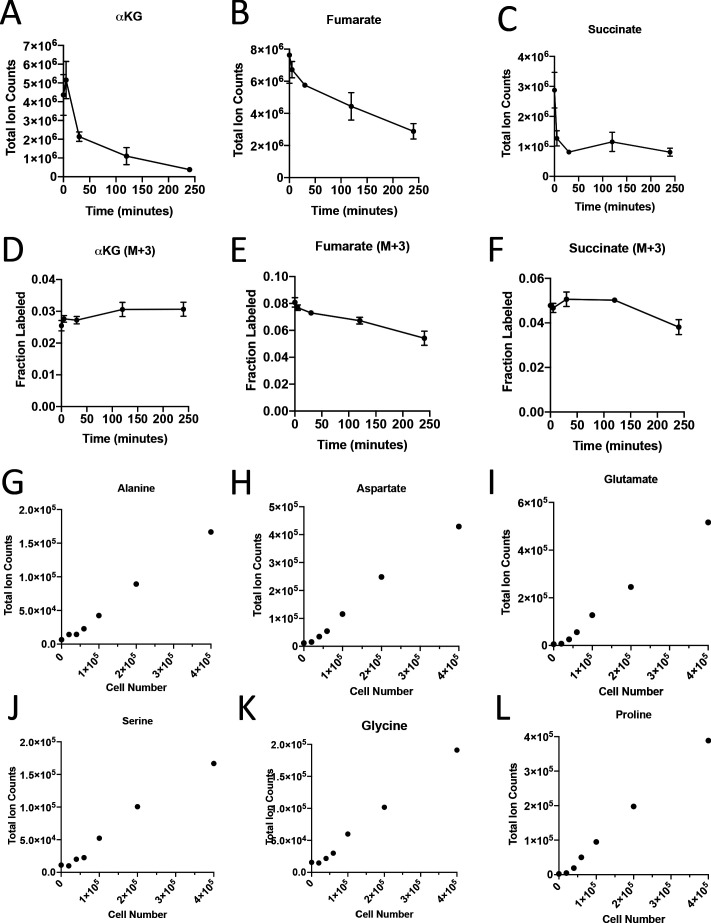
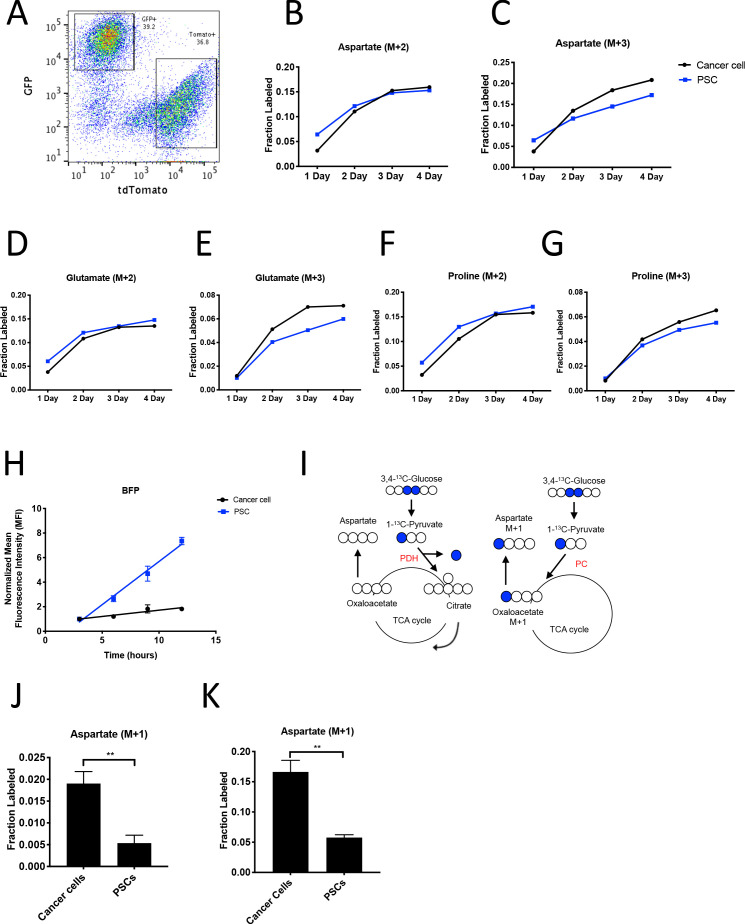
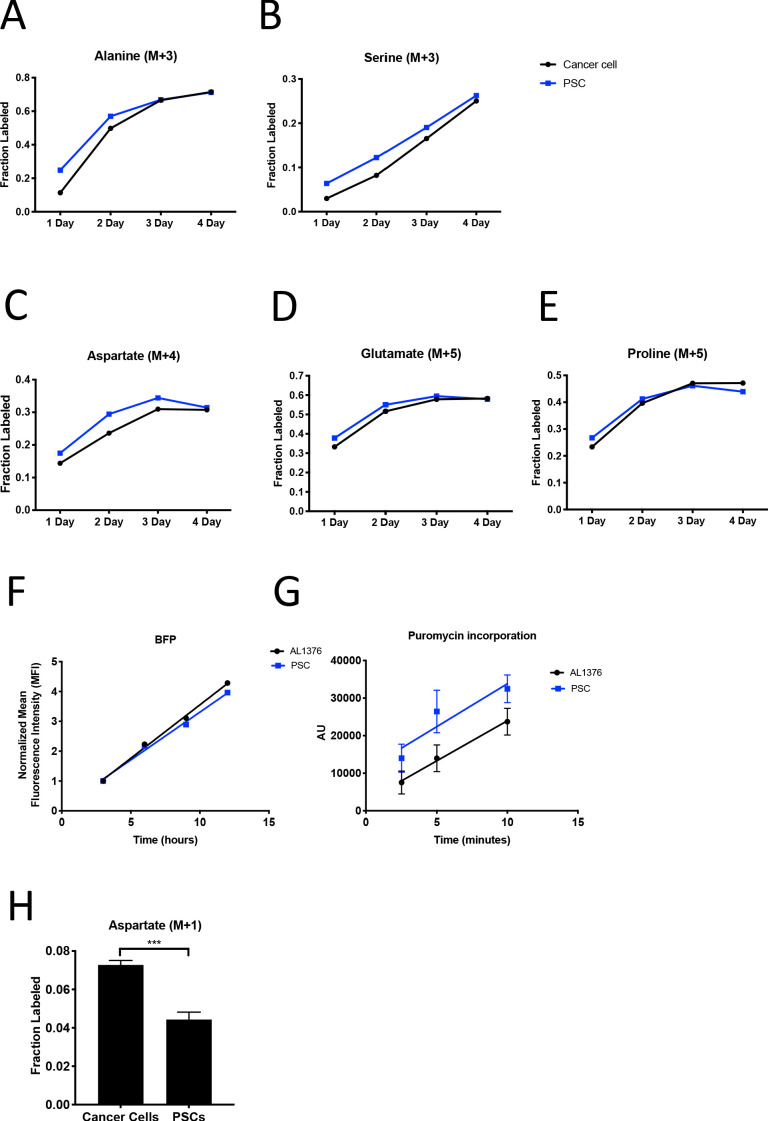
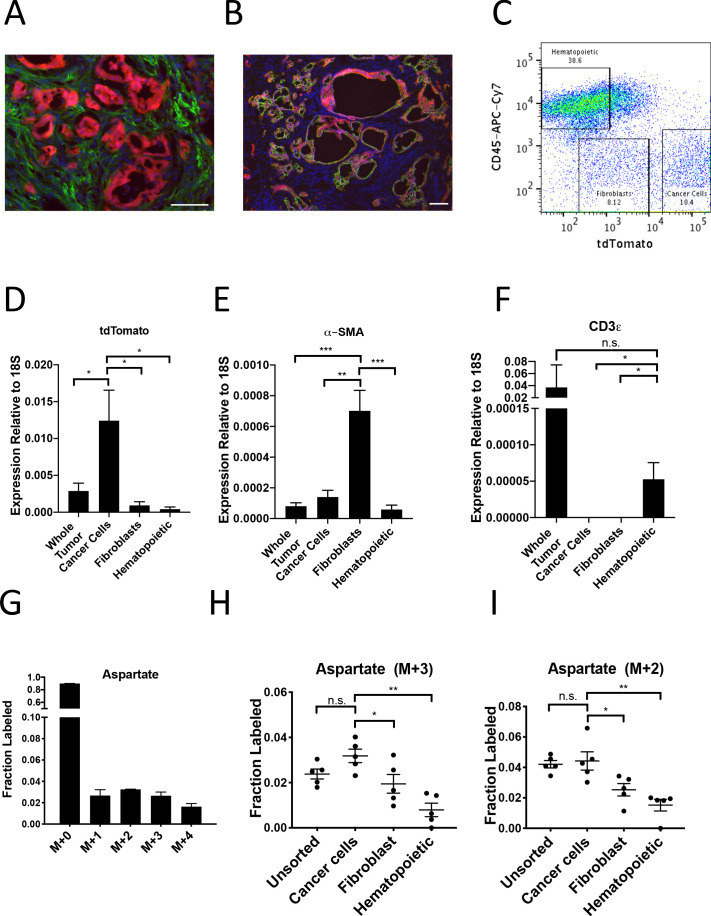
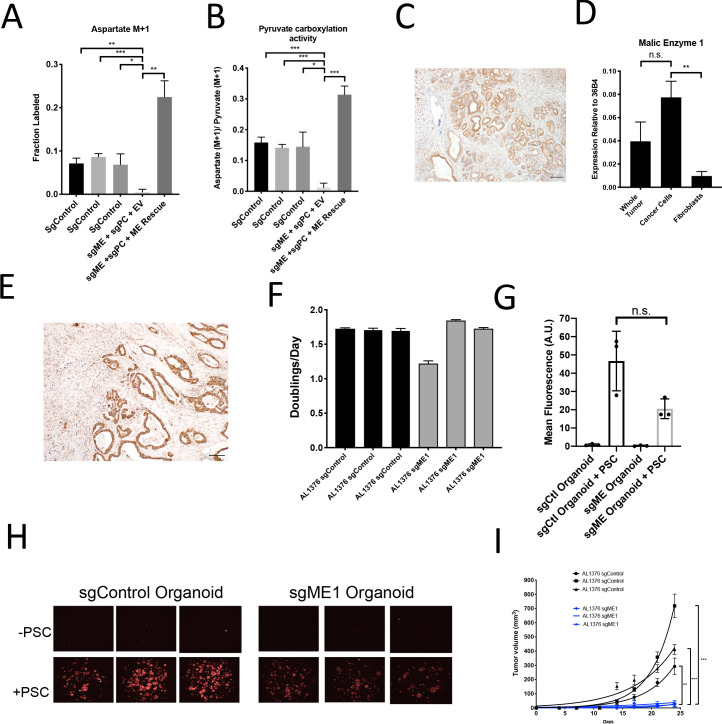
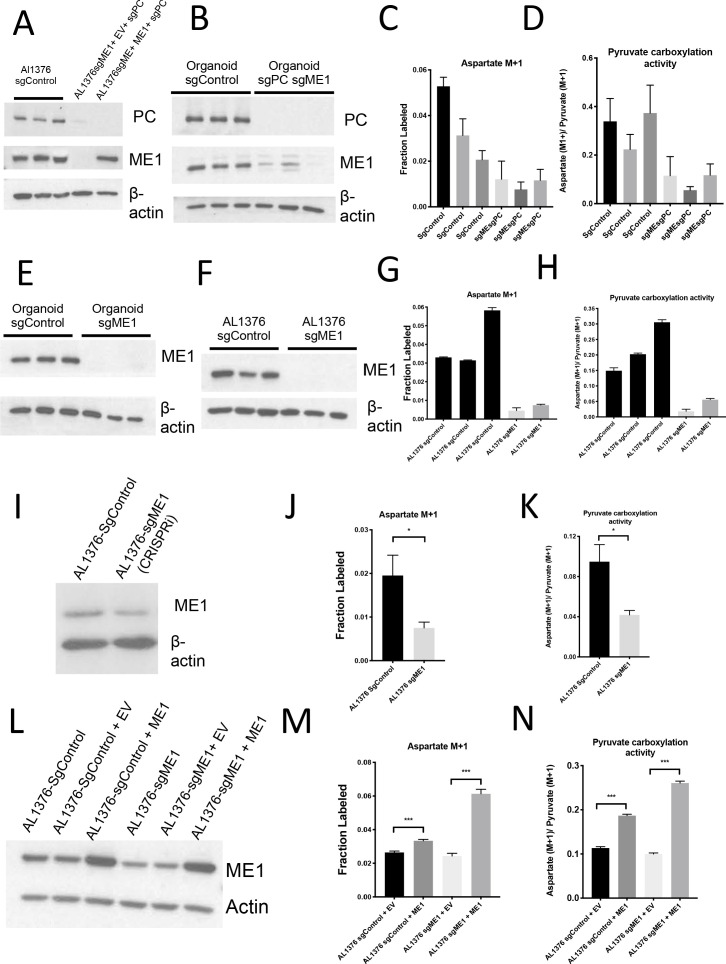
Tumors are composed of many different cell types including cancer cells, fibroblasts, and immune cells. Dissecting functional metabolic differences between cell types within a mixed population can be challenging due to the rapid turnover of metabolites relative to the time needed to isolate cells. To overcome this challenge, we traced isotope-labeled nutrients into macromolecules that turn over more slowly than metabolites. This approach was used to assess differences between cancer cell and fibroblast metabolism in murine pancreatic cancer organoid-fibroblast co-cultures and tumors. Pancreatic cancer cells exhibited increased pyruvate carboxylation relative to fibroblasts, and this flux depended on both pyruvate carboxylase and malic enzyme 1 activity. Consequently, expression of both enzymes in cancer cells was necessary for organoid and tumor growth, demonstrating that dissecting the metabolism of specific cell populations within heterogeneous systems can identify dependencies that may not be evident from studying isolated cells in culture or bulk tissue.
肿瘤由许多不同的细胞类型组成,包括癌细胞、成纤维细胞和免疫细胞。由于代谢物的快速周转相对于分离细胞所需的时间而言相对较快,因此在混合细胞群体中解析细胞类型之间的功能代谢差异具有挑战性。为了克服这一挑战,我们将同位素标记的营养物质追踪到比代谢物周转更慢的大分子中。这种方法用于评估小鼠胰腺癌类器官-成纤维细胞共培养物和肿瘤中癌细胞和成纤维细胞代谢之间的差异。与成纤维细胞相比,胰腺癌细胞表现出更高的丙酮酸羧化作用,并且这种通量取决于丙酮酸羧化酶和苹果酸酶 1 的活性。因此,这两种酶在癌细胞中的表达对于类器官和肿瘤的生长都是必需的,这表明在异质系统中解析特定细胞群体的代谢可以确定在培养的分离细胞或组织块中研究可能不明显的依赖性。