Abbott Geoffrey W
Bioelectricity Laboratory, Department of Physiology and Biophysics, School of Medicine, University of California, Irvine, Irvine, CA, United States.
Front Physiol. 2020 Jun 23;11:583. doi: 10.3389/fphys.2020.00583. eCollection 2020.
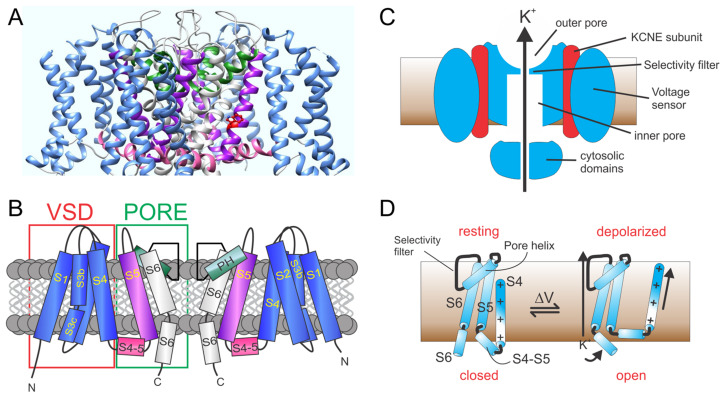
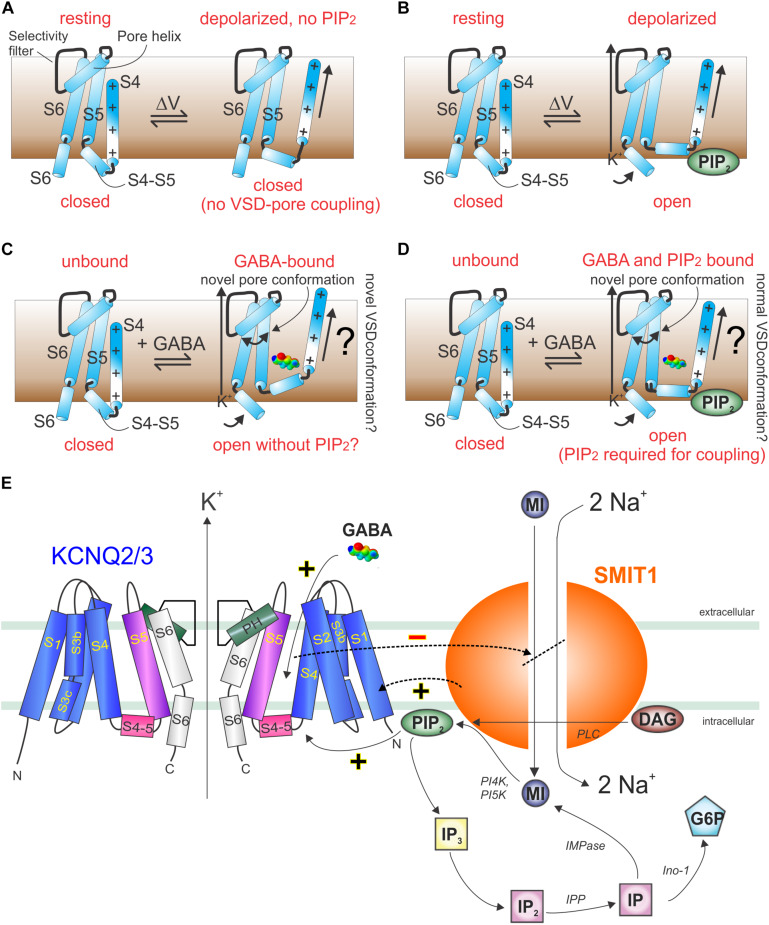
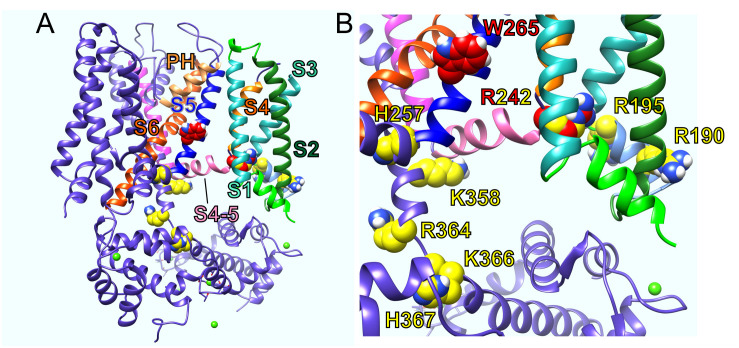
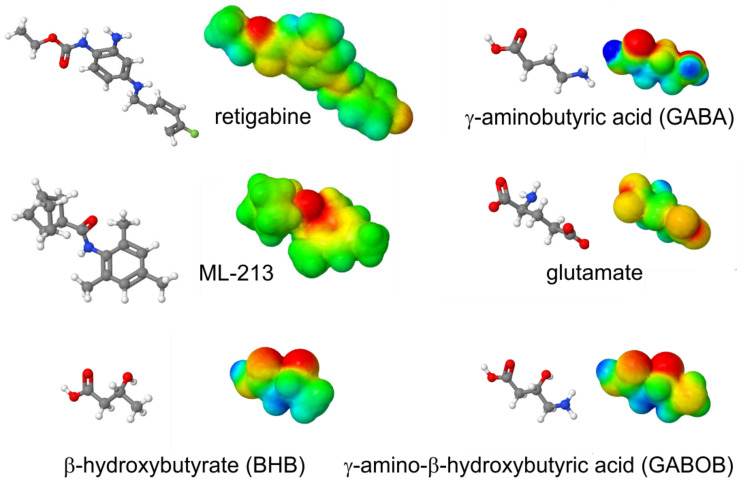
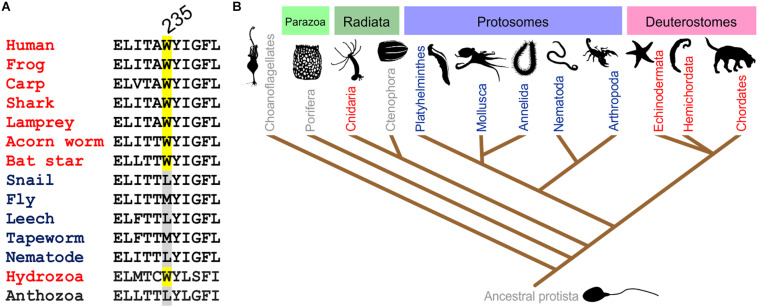
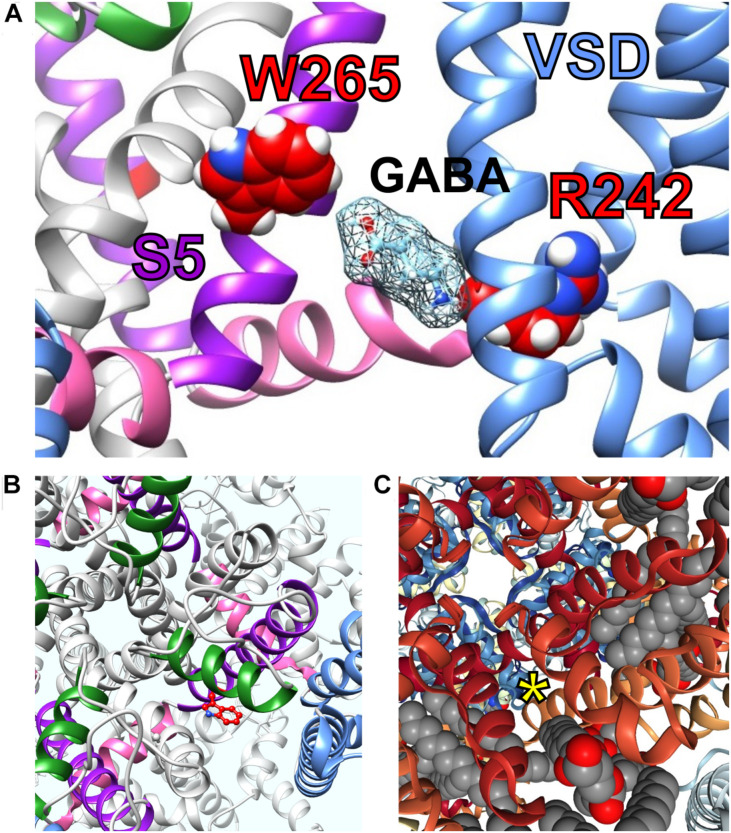
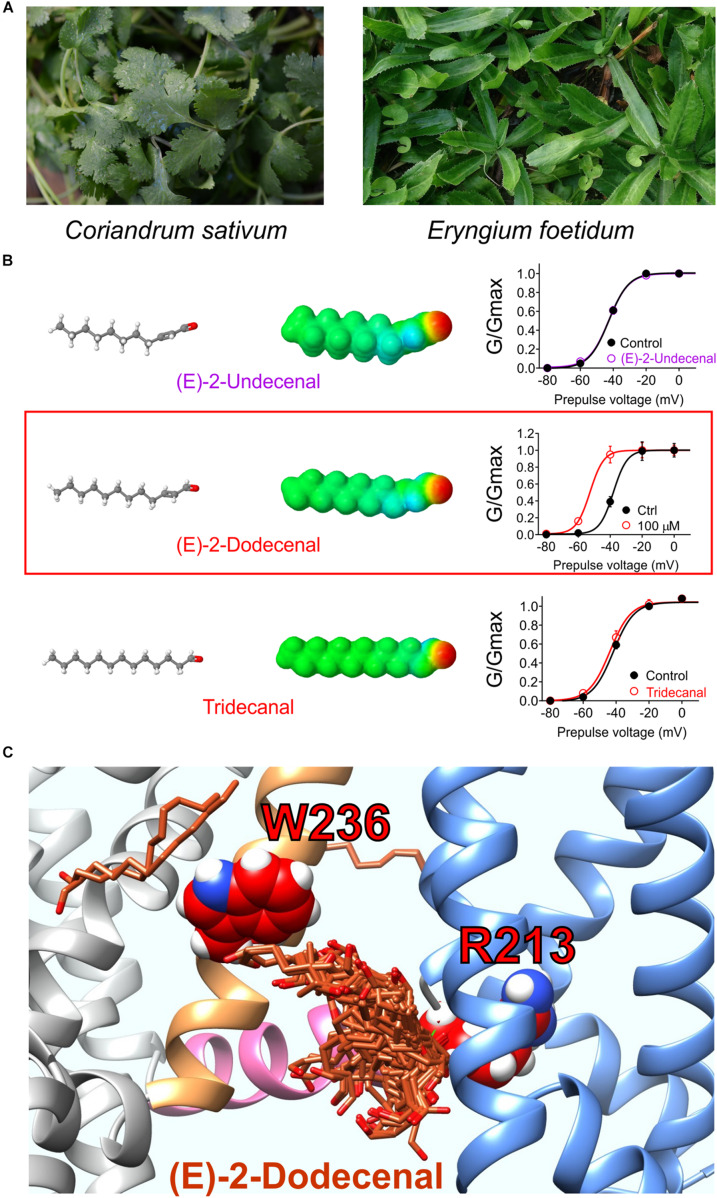
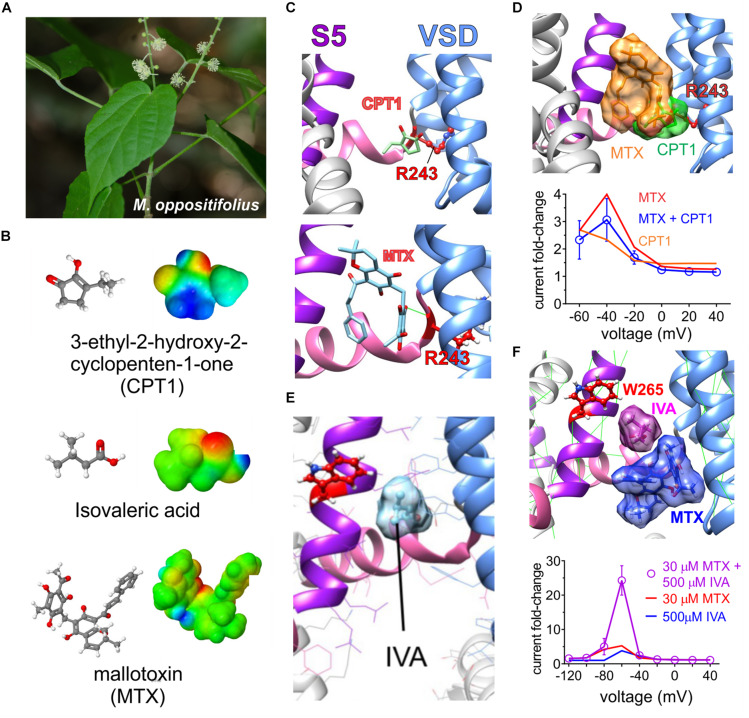
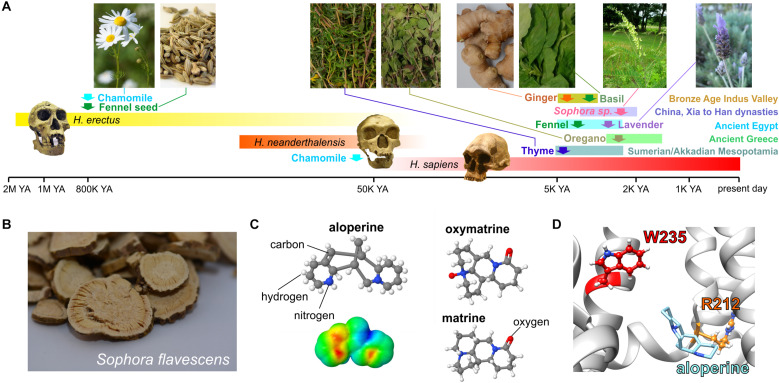
Voltage-gated potassium (Kv) channels in the KCNQ (Kv7) family are essential features of a broad range of excitable and non-excitable cell types and are found in organisms ranging from to . Although they are firmly in the superfamily of S4 domain-bearing voltage-sensing ion channels, KCNQ channels are highly sensitive to a range of endogenous and exogenous small molecules that act directly on the pore, the voltage-sensing domain, or the interface between the two. The focus of this review is regulation of KCNQs by direct binding of neurotransmitters and metabolites from both animals and plants and the role of the latter in the effects of plants consumed for food and as traditional folk medicines. The conceptual question arises: Are KCNQs voltage-gated channels that are also sensitive to ligands or ligand-gated channels that are also sensitive to voltage?
KCNQ(Kv7)家族中的电压门控钾(Kv)通道是多种可兴奋和不可兴奋细胞类型的基本特征,存在于从……到……的生物体中。尽管它们明确属于带有S4结构域的电压感应离子通道超家族,但KCNQ通道对一系列直接作用于孔道、电压感应结构域或两者之间界面的内源性和外源性小分子高度敏感。本综述的重点是动物和植物中的神经递质和代谢物通过直接结合对KCNQ通道的调节,以及后者在食用植物和传统民间药物作用中的作用。由此产生了一个概念性问题:KCNQ通道是对配体也敏感的电压门控通道,还是对电压也敏感的配体门控通道?