Jing Jia, Wang Yingjin, Quan Yanmei, Wang Zhijie, Liu Yue, Ding Zhide
Department of Histology, Embryology, Genetics and Developmental Biology, Shanghai Key Laboratory for Reproductive Medicine, Shanghai Jiao Tong University School of Medicine, Shanghai, 200025 China.
Department of Obstetrics and Gynecology, Shanghai Eighth People's Hospital, Shanghai, 200235 China.
Nutr Metab (Lond). 2020 Jul 6;17:52. doi: 10.1186/s12986-020-00475-7. eCollection 2020.
To determine if overweight/obese pregnant women have altered microRNA expression patterns in fetal umbilical cord blood that may affect the development of offspring.
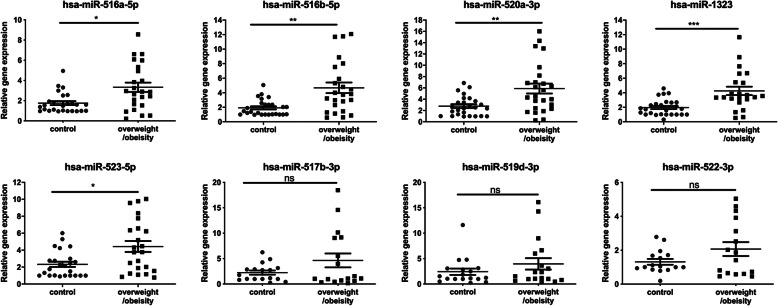
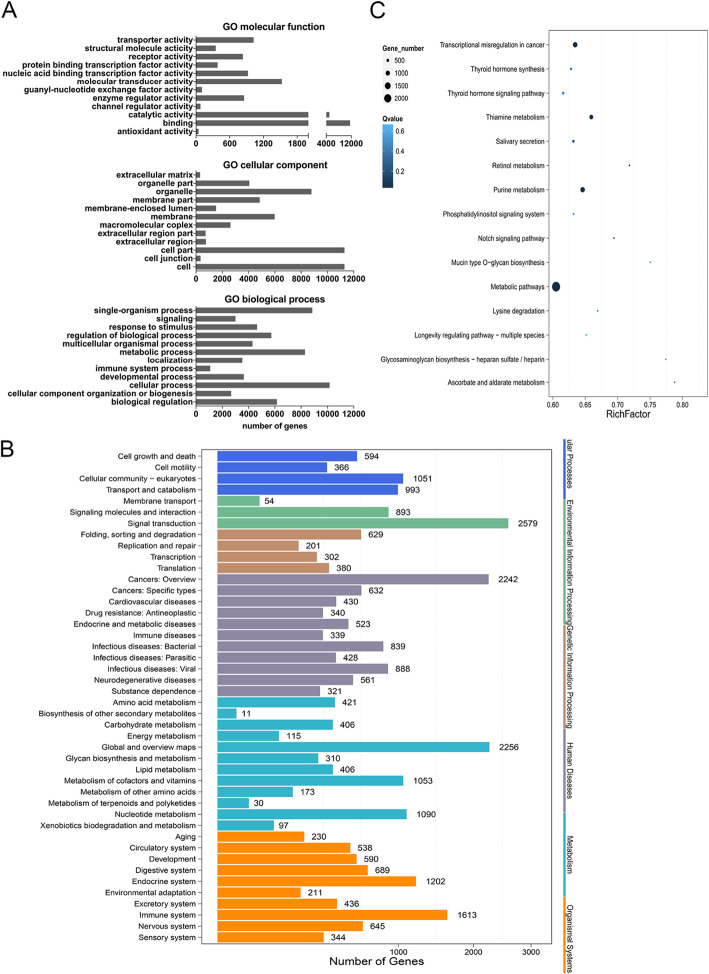
Umbilical cord blood samples were obtained from the fetuses of 34 overweight/obese and 32 normal-weight women after delivery. Next generation sequencing (NGS) analyzed their miRNA expression patterns. miRanda and TargetScan databases were used to predict the miRNAs' target genes followed by analyses of Gene ontology (GO) and Kyoto Encyclopedia of Genes and Genomes (KEGG) to perform function grouping and pathway analyses. qRT-PCR verified the identity of differentially expressed miRNAs that were revealed in the NGS results.
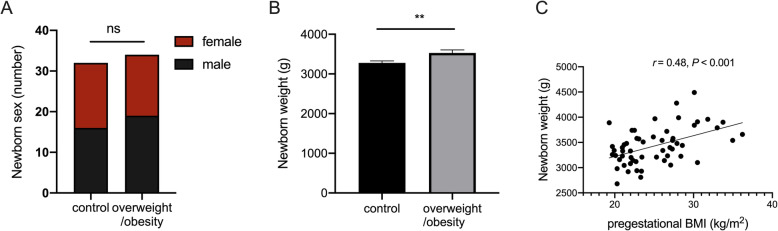
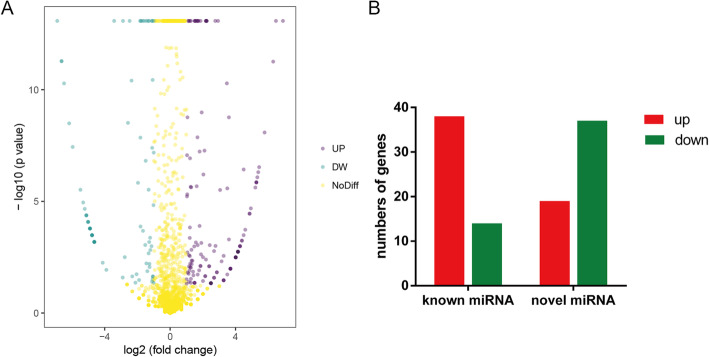
There was a positive correlation between newborn body weight and pregestational BMI of pregnant individuals ( = 0.48, < 0.001). One hundred and eight miRNAs were differentially expressed between the normal and overweight/obese groups, which target genes were enriched in the metabolic pathway. Five C19MC miRNAs (miR-516a-5p, miR-516b-5p, miR-520a-3p, miR-1323, miR-523-5p) were upregulated in the overweight/obese group. Target enrichment analysis suggests their involvement in post-embryonic development, lipid and glucose homeostasis, T cell differentiation and nervous system development.
C19MC miRNA expression upregulation in the fetal circulation during the gestation of overweight/obese pregnant women may contribute to altered multisystem metabolic pathway development in their offspring.
确定超重/肥胖孕妇的胎儿脐带血中微小RNA表达模式是否发生改变,这可能会影响后代的发育。
分娩后从34名超重/肥胖妇女和32名体重正常妇女的胎儿中获取脐带血样本。采用下一代测序(NGS)分析其微小RNA表达模式。利用miRanda和TargetScan数据库预测微小RNA的靶基因,随后进行基因本体论(GO)分析和京都基因与基因组百科全书(KEGG)分析,以进行功能分组和通路分析。qRT-PCR验证了NGS结果中显示的差异表达微小RNA的身份。
新生儿体重与孕妇孕前BMI呈正相关(r = 0.48,P < 0.001)。正常组与超重/肥胖组之间有108种微小RNA差异表达,其靶基因在代谢途径中富集。超重/肥胖组中5种C19MC微小RNA(miR-516a-5p、miR-516b-5p、miR-520a-3p、miR-1323、miR-523-5p)上调。靶标富集分析表明它们参与胚胎后期发育、脂质和葡萄糖稳态、T细胞分化和神经系统发育。
超重/肥胖孕妇孕期胎儿循环中C19MC微小RNA表达上调可能导致其后代多系统代谢途径发育改变。