Fuentes Sigfredo, Wong Yin Y, Gonzalez Viejo Claudia
Digital Agriculture, Food and Wine Sciences Group, School of Agriculture and Food, Faculty of Veterinary and Agricultural Sciences, University of Melbourne, Parkville, VIC 3010, Australia.
Foods. 2020 Jul 9;9(7):903. doi: 10.3390/foods9070903.
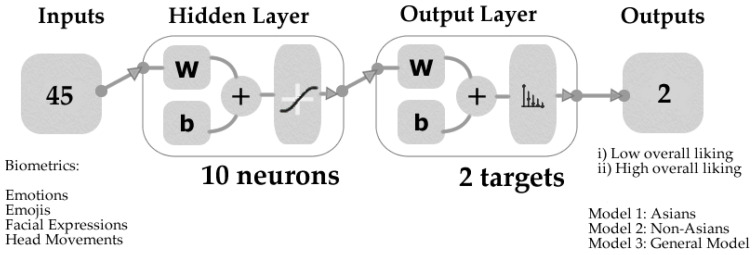
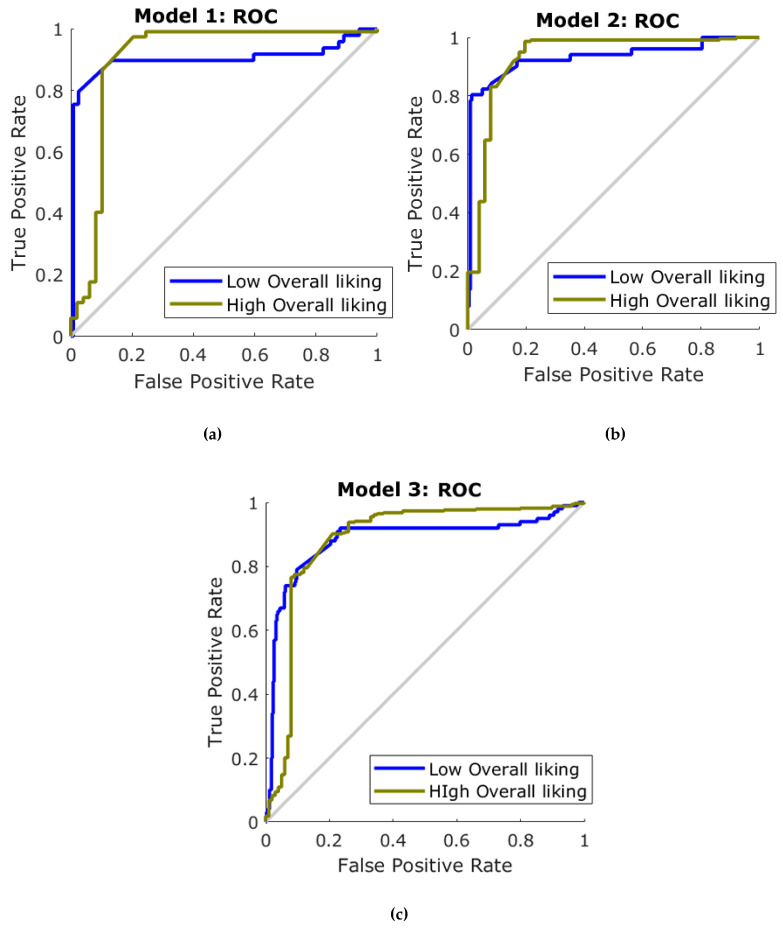
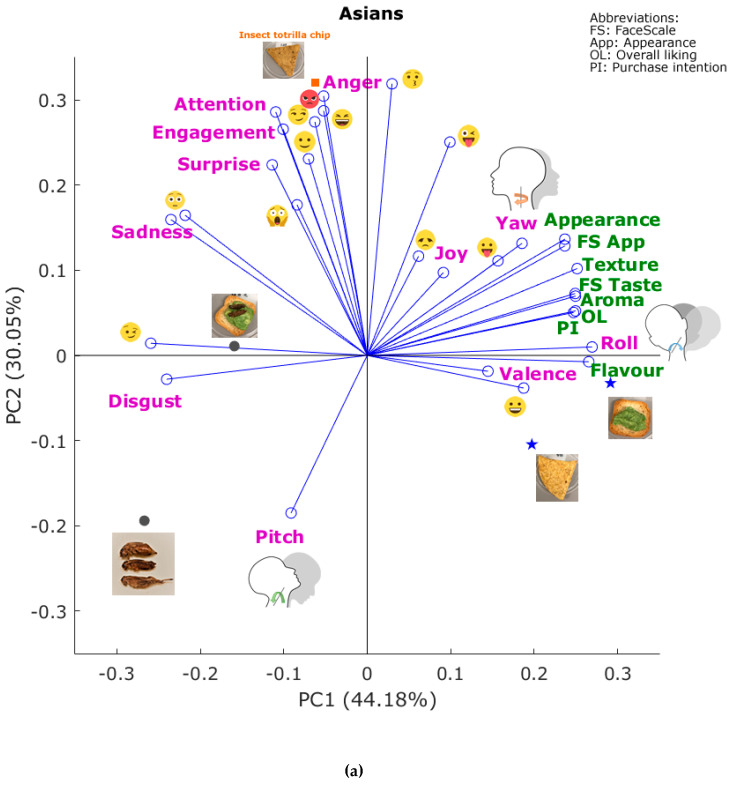
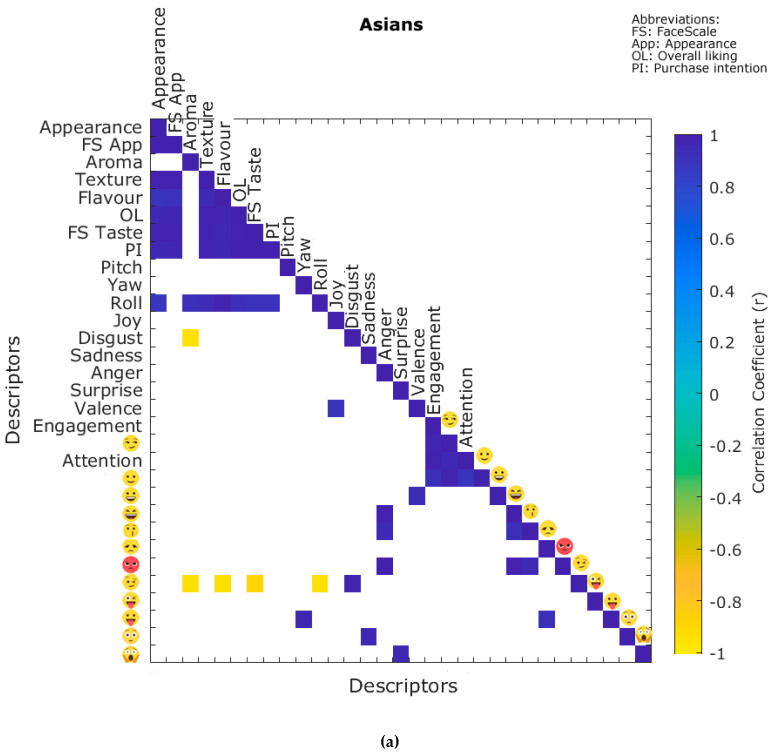
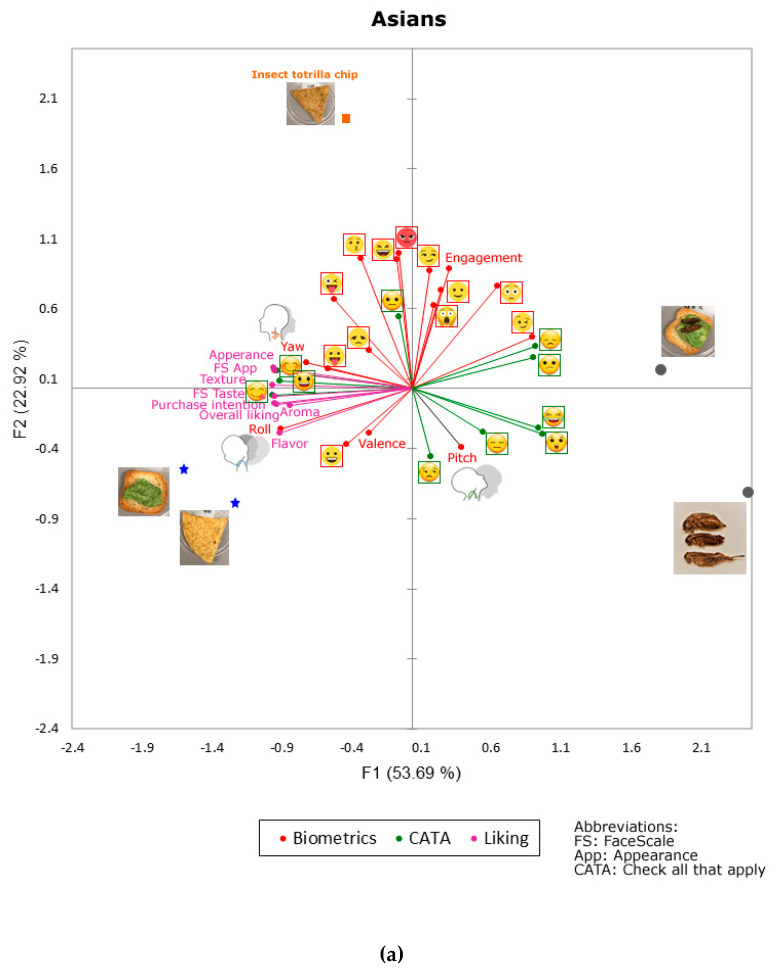
Insect-based food products offer a more sustainable and environmentally friendly source of protein compared to plant and animal proteins. Entomophagy is less familiar for Non-Asian cultural backgrounds and is associated with emotions such as disgust and anger, which is the basis of neophobia towards these products. Tradicional sensory evaluation may offer some insights about the liking, visual, aroma, and tasting appreciation, and purchase intention of insect-based food products. However, more robust methods are required to assess these complex interactions with the emotional and subconscious responses related to cultural background. This study focused on the sensory and biometric responses of consumers towards insect-based food snacks and machine learning modeling. Results showed higher liking and emotional responses for those samples containing insects as ingredients (not visible) and with no insects. A lower liking and negative emotional responses were related to samples showing the insects. Artificial neural network models to assess liking based on biometric responses showed high accuracy for different cultures (>92%). A general model for all cultures with an 89% accuracy was also achieved.
与植物蛋白和动物蛋白相比,昆虫基食品提供了一种更具可持续性和环境友好型的蛋白质来源。对于非亚洲文化背景的人来说,食用昆虫并不常见,并且与厌恶和愤怒等情绪相关,这也是对这些产品存在新恐惧症的基础。传统的感官评价可能会提供一些关于昆虫基食品的喜好程度、视觉、香气、味觉评价以及购买意愿的见解。然而,需要更强大的方法来评估与文化背景相关的情感和潜意识反应之间的这些复杂相互作用。本研究聚焦于消费者对昆虫基食品零食的感官和生物特征反应以及机器学习建模。结果显示,对于那些含有昆虫作为成分(不可见)和不含昆虫的样品,消费者的喜好程度和情感反应更高。与展示昆虫的样品相关的是较低的喜好程度和负面情绪反应。基于生物特征反应评估喜好程度的人工神经网络模型对不同文化显示出较高的准确性(>92%)。还实现了一个适用于所有文化的通用模型,准确率为89%。