André Séverine, Larbanoix Lionel, Verteneuil Sébastien, Stanicki Dimitri, Nonclercq Denis, Vander Elst Luce, Laurent Sophie, Muller Robert N, Burtea Carmen
NMR and Molecular Imaging Laboratory, Department of General, Organic and Biomedical Chemistry, University of Mons, Avenue Maistriau 19, Mendeleïev Building, B-7000 Mons, Belgium.
Center for Microscopy and Molecular Imaging, rue Adrienne Bolland 8, B-6041 Gosselies, Belgium.
Biology (Basel). 2020 Jul 11;9(7):161. doi: 10.3390/biology9070161.
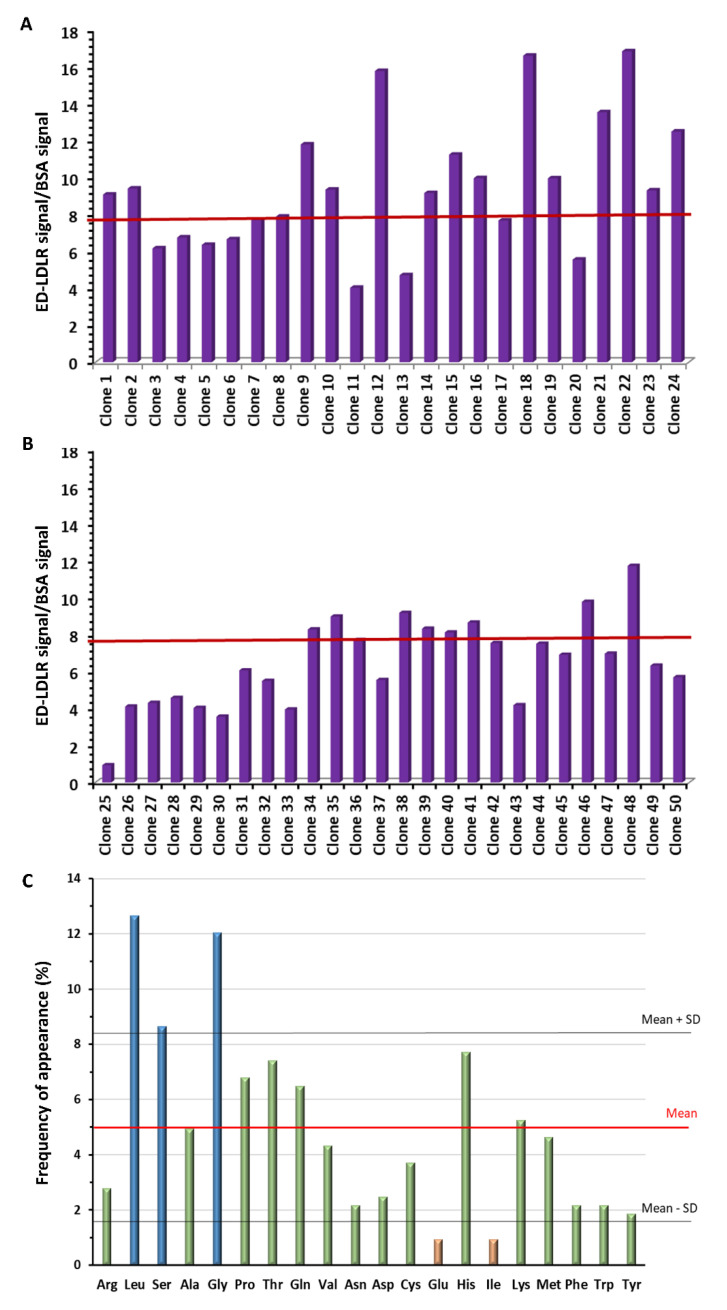
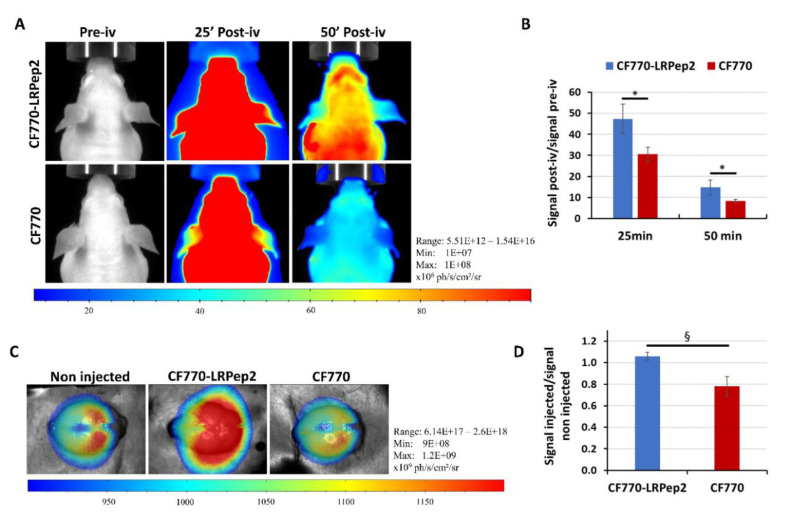
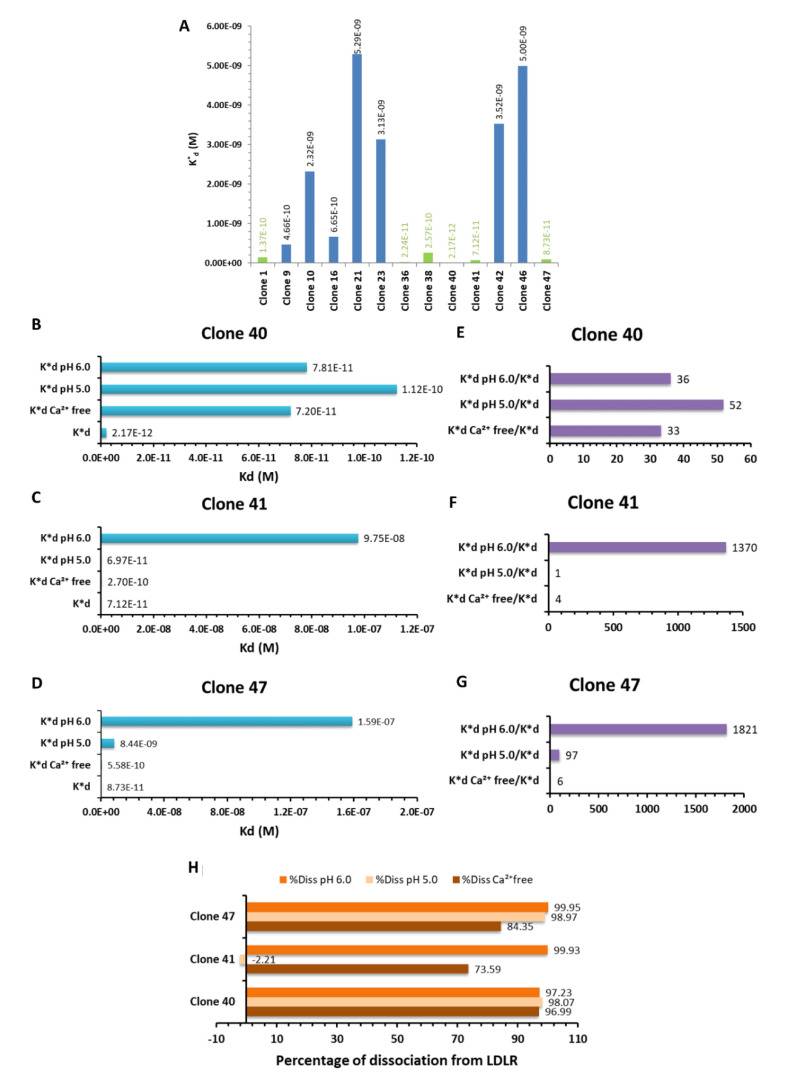
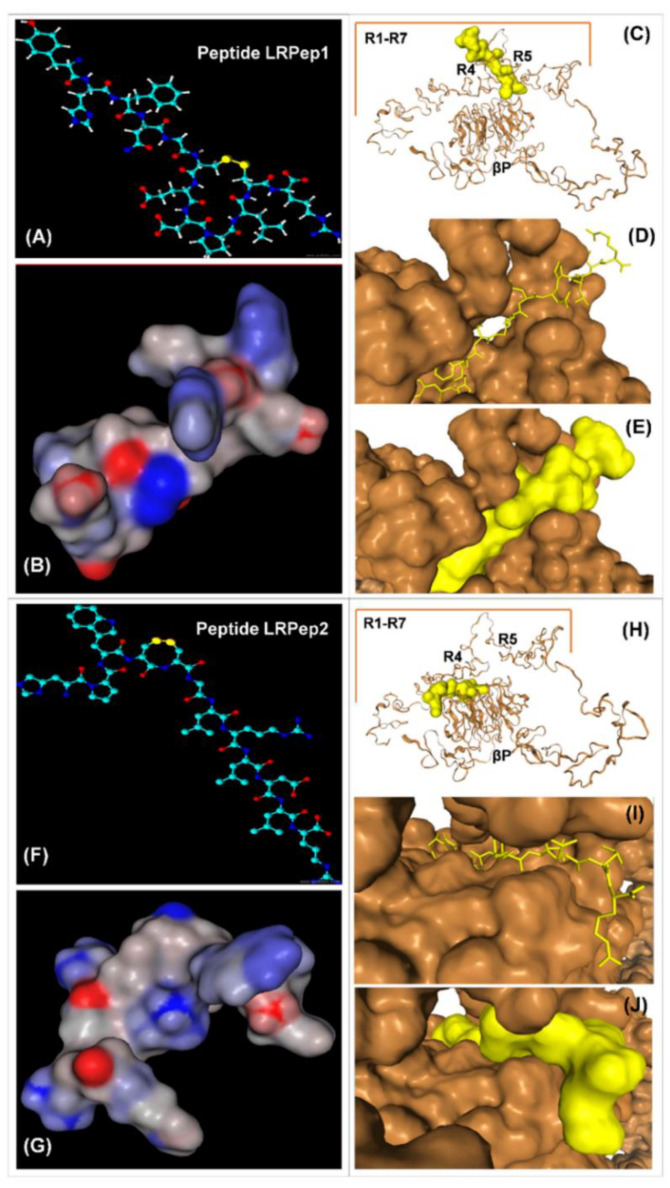
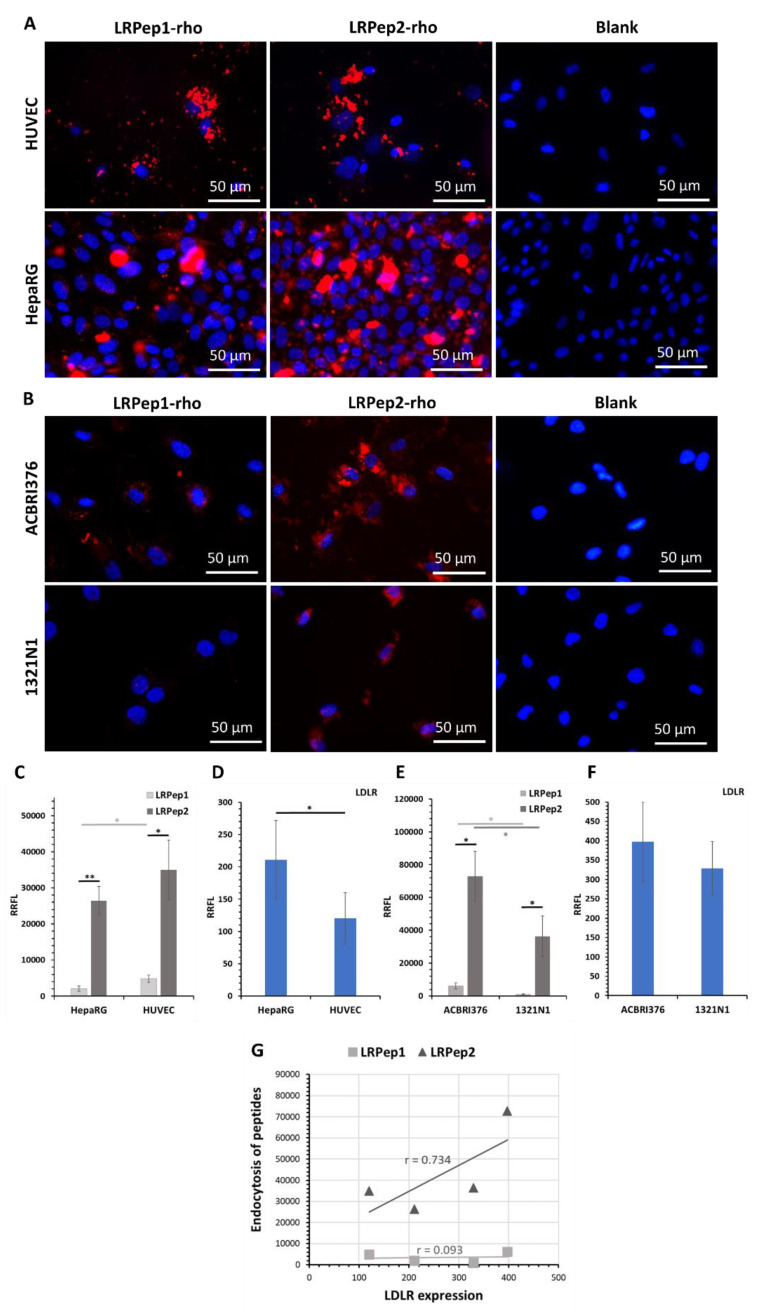
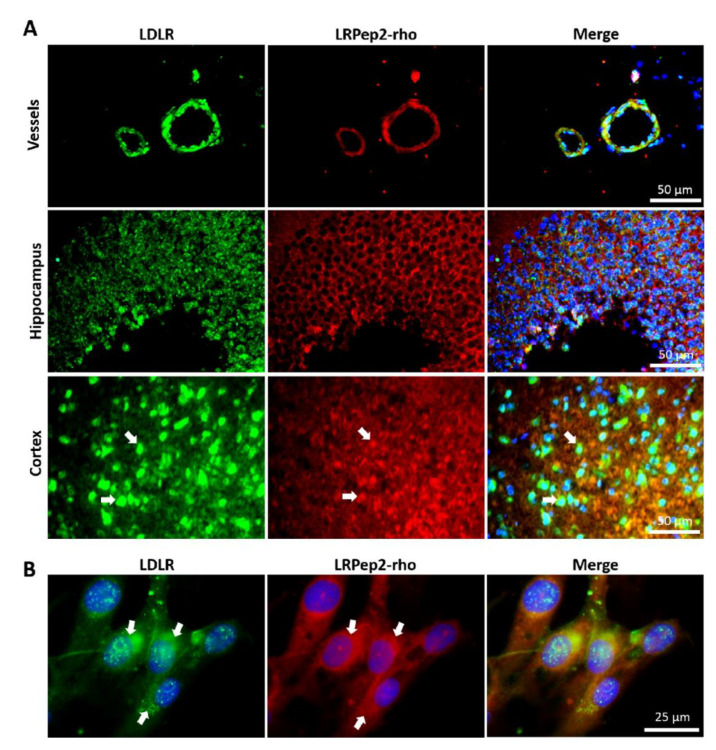
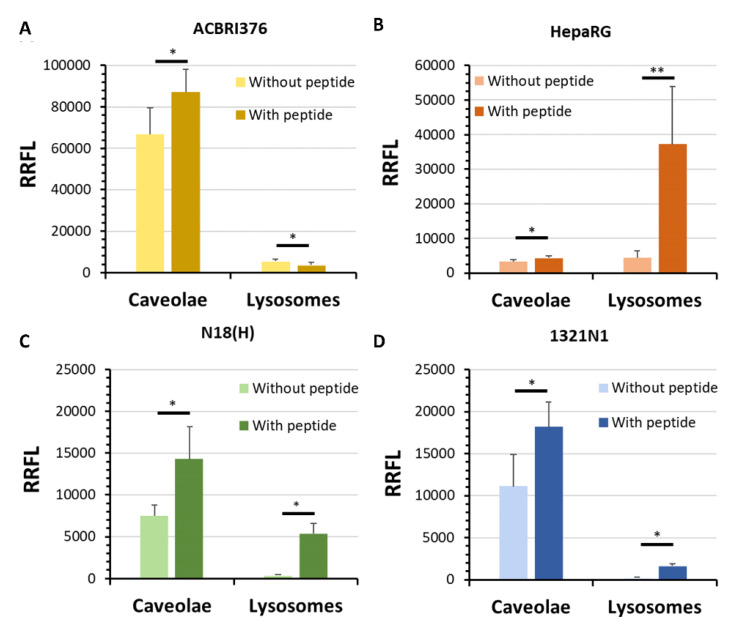
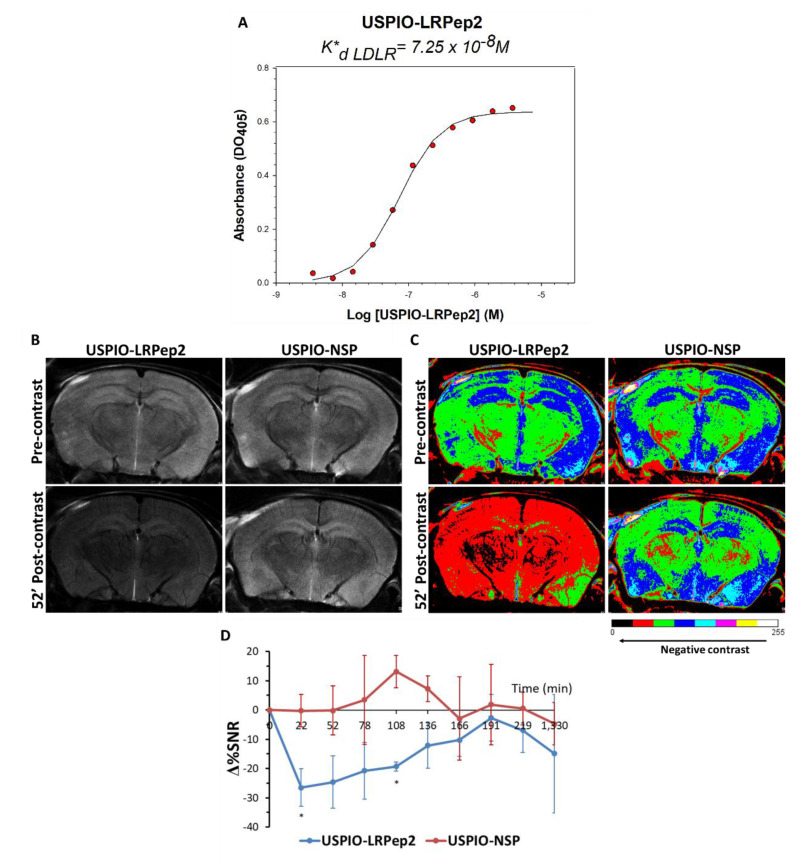
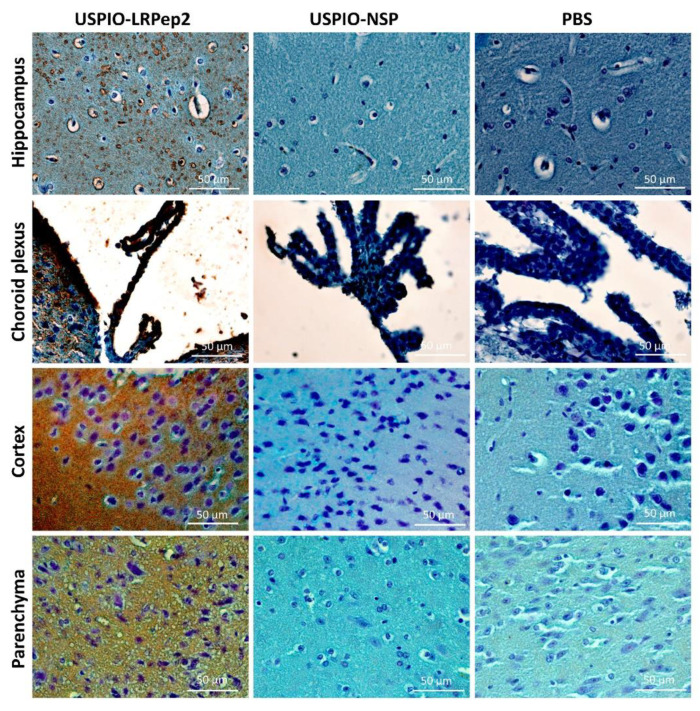
Blood-brain barrier (BBB) crossing and brain penetration are really challenging for the delivery of therapeutic agents and imaging probes. The development of new crossing strategies is needed, and a wide range of approaches (invasive or not) have been proposed so far. The receptor-mediated transcytosis is an attractive mechanism, allowing the non-invasive penetration of the BBB. Among available targets, the low-density lipoprotein (LDL) receptor (LDLR) shows favorable characteristics mainly because of the lysosome-bypassed pathway of LDL delivery to the brain, allowing an intact discharge of the carried ligand to the brain targets. The phage display technology was employed to identify a dodecapeptide targeted to the extracellular domain of LDLR (ED-LDLR). This peptide was able to bind the ED-LDLR in the presence of natural ligands and dissociated at acidic pH and in the absence of calcium, in a similar manner as the LDL. In vitro, our peptide was endocytosed by endothelial cells through the caveolae-dependent pathway, proper to the LDLR route in BBB, suggesting the prevention of its lysosomal degradation. The in vivo studies performed by magnetic resonance imaging and fluorescent lifetime imaging suggested the brain penetration of this ED-LDLR-targeted peptide.
血脑屏障(BBB)的穿越和脑内渗透对于治疗药物和成像探针的递送而言极具挑战性。因此需要开发新的穿越策略,迄今为止已经提出了多种方法(无论是否具有侵入性)。受体介导的转胞吞作用是一种有吸引力的机制,可实现血脑屏障的非侵入性渗透。在可用的靶点中,低密度脂蛋白(LDL)受体(LDLR)表现出良好的特性,主要是因为LDL向脑内递送的途径绕过了溶酶体,使得所携带的配体能够完整地释放到脑靶点。采用噬菌体展示技术鉴定了一种靶向LDL受体细胞外结构域(ED-LDLR)的十二肽。该肽能够在天然配体存在的情况下与ED-LDLR结合,并在酸性pH值和无钙条件下解离,其方式与LDL类似。在体外,我们的肽通过小窝依赖途径被内皮细胞内吞,这与血脑屏障中LDLR的途径相符,表明其可防止溶酶体降解。通过磁共振成像和荧光寿命成像进行的体内研究表明,这种靶向ED-LDLR的肽能够穿透脑内。