Poma Anello Marcello, Genoni Angelo, Broccolo Francesco, Denaro Maria, Pugliese Alberto, Basolo Fulvio, Toniolo Antonio
Department of Surgical, Medical, Molecular Pathology and Clinical Area, University of Pisa, 56126 Pisa, Italy.
Medical Microbiology, Department of Biotechnology and Life Sciences, University of Insubria, 21100 Varese, Italy.
Microorganisms. 2020 Jul 12;8(7):1031. doi: 10.3390/microorganisms8071031.
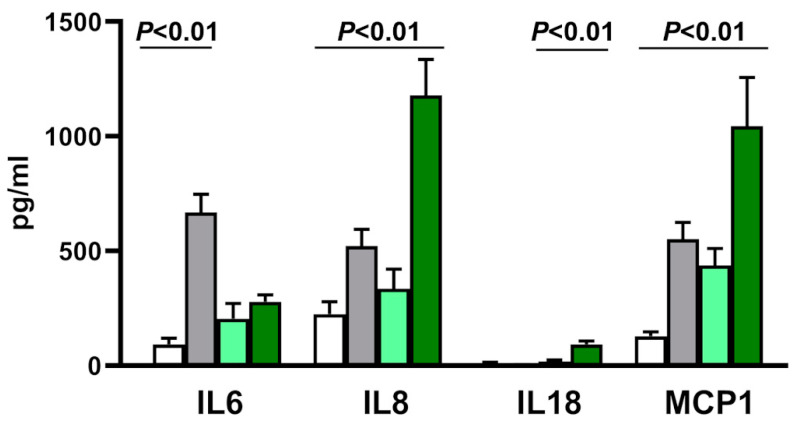
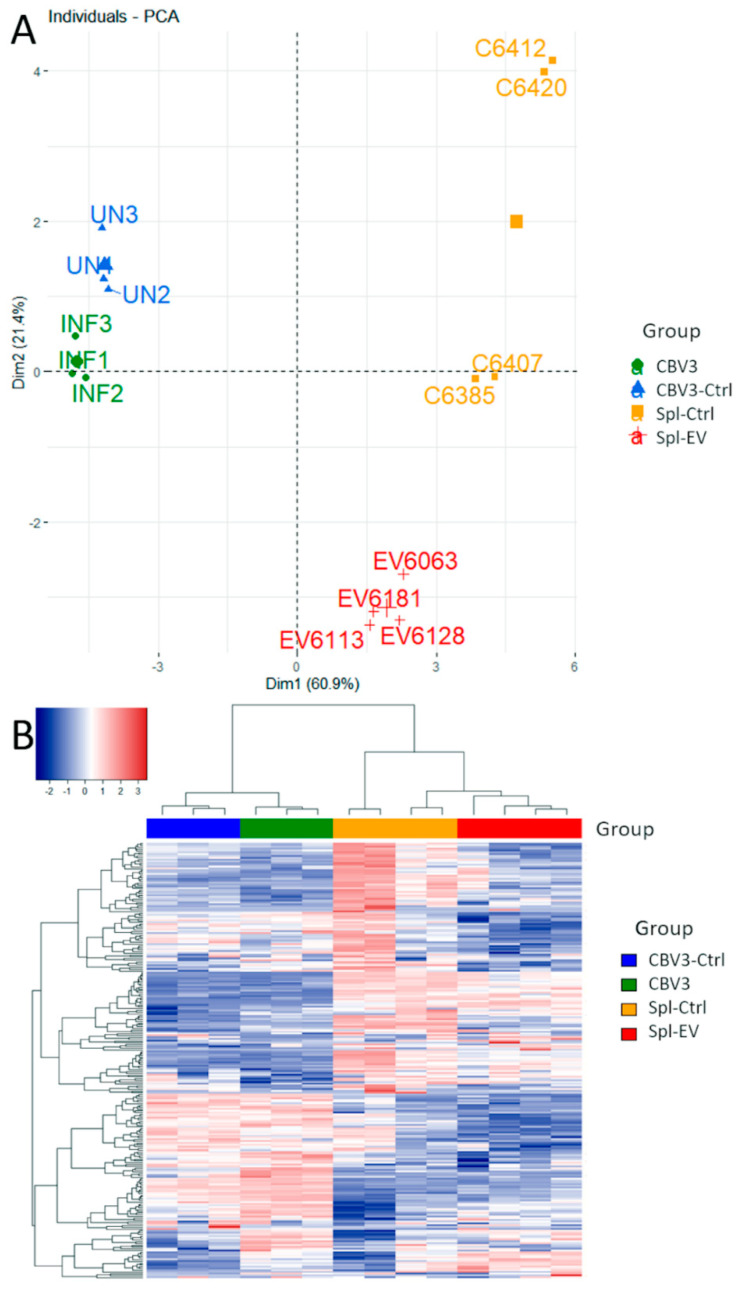
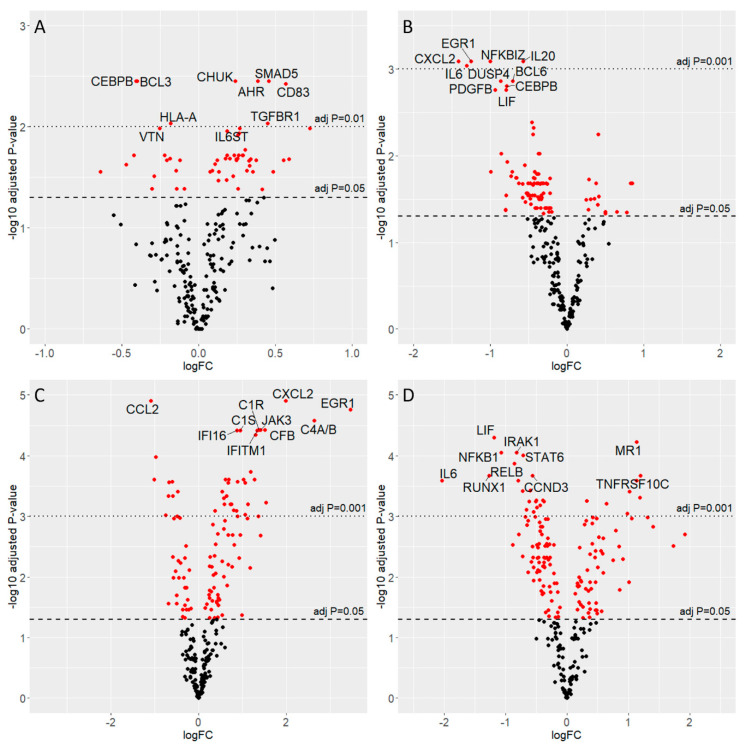
Enterovirus (EV) infection of insulin-producing pancreatic beta cells is associated with type 1 diabetes (T1D), but little is known about the mechanisms that lead the virus to cause a persistent infection and, possibly, to induce beta cell autoimmunity. A cell line susceptible to most enterovirus types was infected with EV isolates from cases of T1D and, for comparison, with a replication-competent strain of coxsackievirus B3. The transcription of immune-related genes and secretion of cytokines was evaluated in infected vs. uninfected cells. Acutely infected cells showed the preserved transcription of type I interferon (IFN) pathways and the enhanced transcription/secretion of , and . On the other hand, infection by defective EV strains obtained from diabetic subjects suppressed IFN pathways and the transcription of most cytokines, while enhancing the expression of , and . IL18 and IL32 are known for their pathogenic role in autoimmune diabetes. Thus, the cytokine profile of AV3 cells infected by diabetes-derived EV strains closely matches that observed in patients at the early stages of T1D. The concordance of our results with clinically verified information reinforces the hypothesis that the immune changes observed in type 1 diabetic patients are due to a hardly noticeable virus infection.
胰岛素分泌性胰腺β细胞的肠道病毒(EV)感染与1型糖尿病(T1D)相关,但对于导致该病毒引发持续感染并可能诱发β细胞自身免疫的机制知之甚少。用来自T1D病例的EV分离株感染对大多数肠道病毒类型敏感的细胞系,并作为对照,用具有复制能力的柯萨奇病毒B3株进行感染。在感染细胞与未感染细胞中评估免疫相关基因的转录和细胞因子的分泌。急性感染的细胞显示I型干扰素(IFN)途径的转录得以保留,且 、 和 的转录/分泌增强。另一方面,从糖尿病患者获得的缺陷型EV毒株感染会抑制IFN途径和大多数细胞因子的转录,同时增强 、 和 的表达。IL18和IL32因其在自身免疫性糖尿病中的致病作用而闻名。因此,由糖尿病来源的EV毒株感染的AV3细胞的细胞因子谱与T1D早期患者中观察到的情况密切匹配。我们的结果与临床验证信息的一致性强化了这样一种假设,即1型糖尿病患者中观察到的免疫变化是由于一种难以察觉的病毒感染所致。