Department of Biological Sciences, Dartmouth College, Hanover, New Hampshire, USA.
National Center of Biotechnology Information, National Institutes of Health, Bethesda, Maryland, USA.
mBio. 2020 Jul 14;11(4):e01206-20. doi: 10.1128/mBio.01206-20.
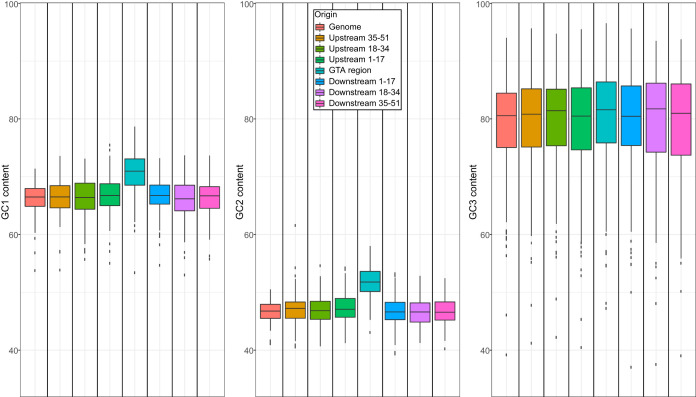
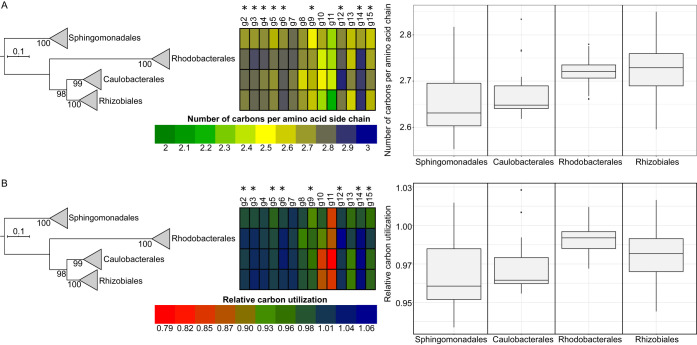
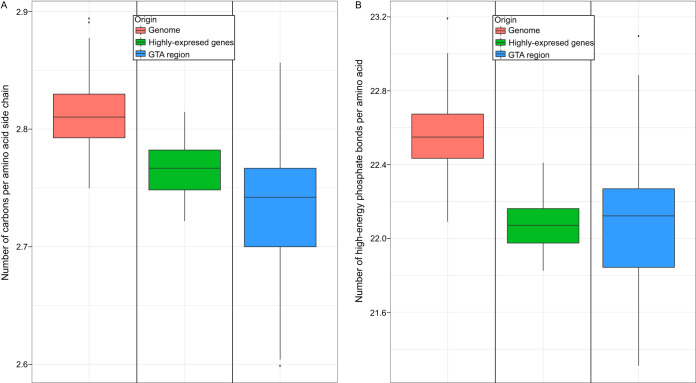
Gene transfer agents (GTAs) are virus-like elements integrated into bacterial genomes, particularly, those of The GTAs can be induced under conditions of nutritional stress, incorporate random fragments of bacterial DNA into miniphage particles, lyse the host cells, and infect neighboring bacteria, thus enhancing horizontal gene transfer. We show that GTA genes evolve under conditions of pronounced positive selection for the reduction of the energy cost of protein production as shown by comparison of the amino acid compositions with those of both homologous viral genes and host genes. The energy saving in GTA genes is comparable to or even more pronounced than that in the genes encoding the most abundant, essential bacterial proteins. In cases in which viruses acquire genes from GTAs, the bias in amino acid composition disappears in the course of evolution, showing that reduction of the energy cost of protein production is an important factor of evolution of GTAs but not bacterial viruses. These findings strongly suggest that GTAs represent bacterial adaptations rather than selfish, virus-like elements. Because GTA production kills the host cell and does not propagate the GTA genome, it appears likely that the GTAs are retained in the course of evolution via kin or group selection. Therefore, we hypothesize that GTAs facilitate the survival of bacterial populations under energy-limiting conditions through the spread of metabolic and transport capabilities via horizontal gene transfer and increases in nutrient availability resulting from the altruistic suicide of GTA-producing cells. Kin selection and group selection remain controversial topics in evolutionary biology. We argue that these types of selection are likely to operate in bacterial populations by showing that bacterial gene transfer agents (GTAs), but not related viruses, evolve under conditions of positive selection for the reduction of the energy cost of GTA particle production. We hypothesize that GTAs are dedicated devices mediating the survival of bacteria under conditions of nutrient limitation. The benefits conferred by GTAs under nutritional stress conditions appear to include horizontal dissemination of genes that could provide bacteria with enhanced capabilities for nutrient utilization and increases of nutrient availability occurring through the lysis of GTA-producing bacteria.
基因转移因子 (GTA) 是整合到细菌基因组中的病毒样元件,特别是那些在营养压力条件下可以被诱导的细菌基因组。GTA 可以将细菌 DNA 的随机片段整合到小型噬菌体颗粒中,裂解宿主细胞并感染邻近的细菌,从而增强水平基因转移。我们表明,GTA 基因在蛋白质生产能量成本降低的显著正选择条件下进化,这可以通过比较氨基酸组成与同源病毒基因和宿主基因的氨基酸组成来证明。GTA 基因的节能作用可与编码最丰富、必需的细菌蛋白的基因相当,甚至更为明显。在病毒从 GTAs 获得基因的情况下,在进化过程中氨基酸组成的偏向消失,表明蛋白质生产能量成本的降低是 GTA 进化的一个重要因素,但不是细菌病毒的进化因素。这些发现强烈表明,GTA 代表细菌的适应,而不是自私的、类似病毒的元件。由于 GTA 的产生会杀死宿主细胞,并且不会传播 GTA 基因组,因此 GTA 似乎很可能通过亲缘选择或群体选择在进化过程中保留下来。因此,我们假设 GTA 通过水平基因转移传播代谢和运输能力,并通过 GTA 产生细胞的利他自杀增加营养物质的可用性,从而促进细菌种群在能量限制条件下的生存。亲缘选择和群体选择仍然是进化生物学中的争议话题。我们通过表明细菌基因转移因子 (GTA),而不是相关病毒,在降低 GTA 颗粒生产能量成本的正选择条件下进化,证明了这些类型的选择可能在细菌种群中起作用。我们假设 GTA 是专门用于介导细菌在营养限制条件下生存的设备。在营养压力条件下,GTA 提供的好处似乎包括可以为细菌提供增强的营养利用能力的基因的水平传播,以及通过 GTA 产生细菌的裂解而增加的营养物质可用性。