Antunes Bianca Brandão de Paula, Peres Igor Tona, Baião Fernanda Araújo, Ranzani Otavio Tavares, Bastos Leonardo Dos Santos Lourenço, Silva Amanda de Araújo Batista da, Souza Guilherme Faveret Garcia de, Marchesi Janaina Figueira, Dantas Leila Figueiredo, Vargas Soraida Aguilar, Maçaira Paula, Hamacher Silvio, Bozza Fernando Augusto
Departamento de Engenharia Industrial, Pontifícia Universidade Católica, Rio de Janeiro, RJ, Brasil.
Hospital das Clínicas, Faculdade de Medicina, Universidade de São Paulo, São Paulo, SP, Brasil.
Rev Bras Ter Intensiva. 2020 Jun;32(2):213-223. doi: 10.5935/0103-507x.20200028. Epub 2020 May 22.
To analyse the measures adopted by countries that have shown control over the transmission of coronavirus disease 2019 (COVID-19) and how each curve of accumulated cases behaved after the implementation of those measures.
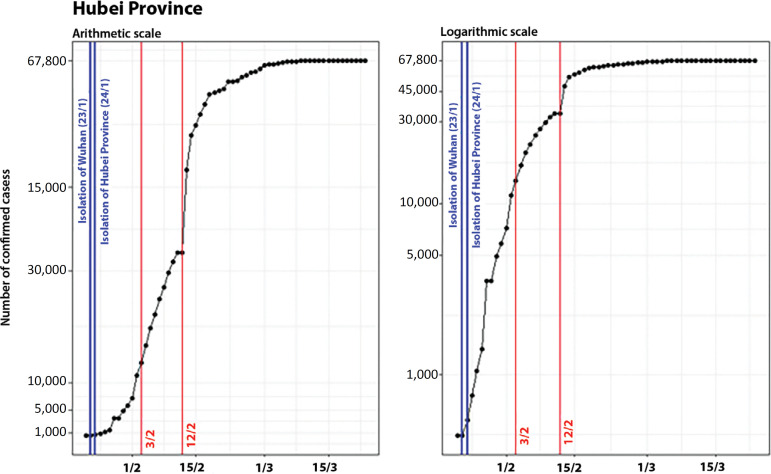
The methodology adopted for this study comprises three phases: systemizing control measures adopted by different countries, identifying structural breaks in the growth of the number of cases for those countries, and analyzing Brazilian data in particular.
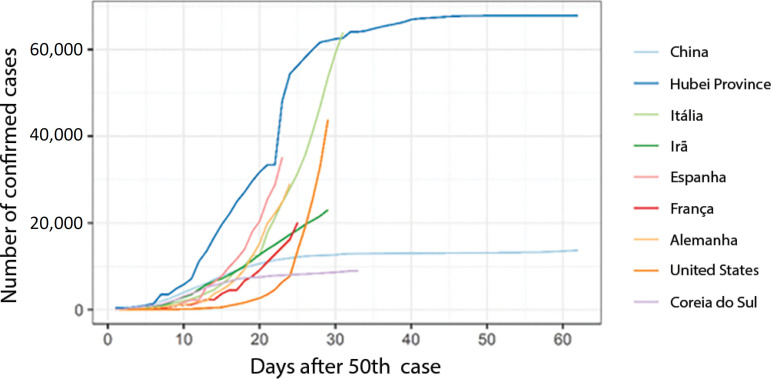
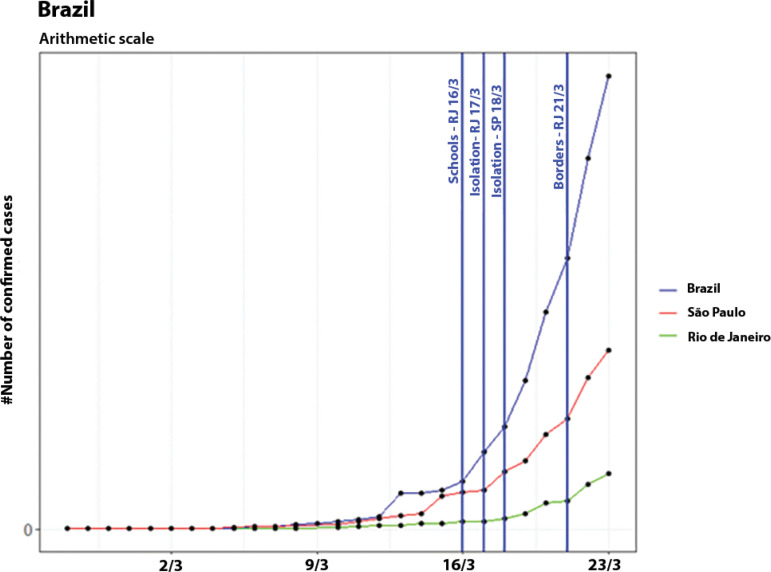
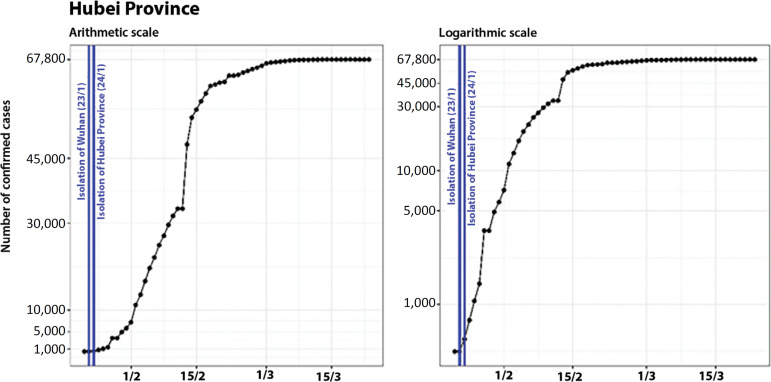
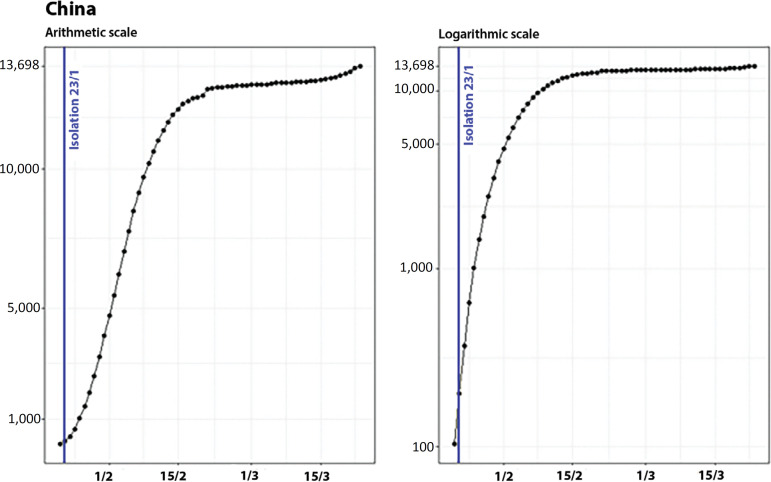
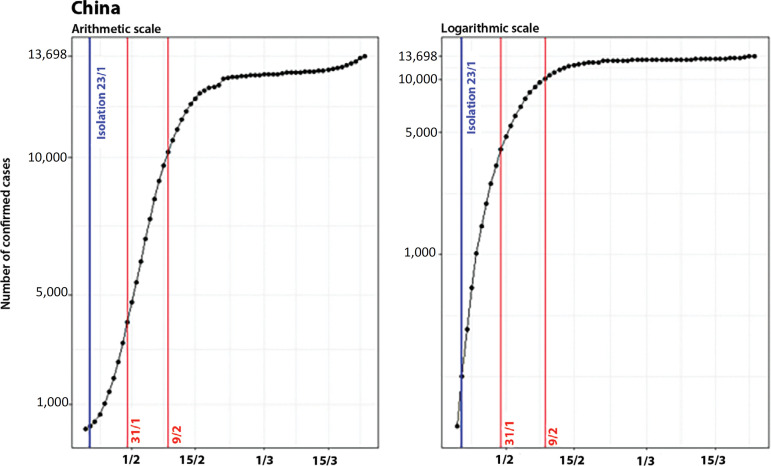
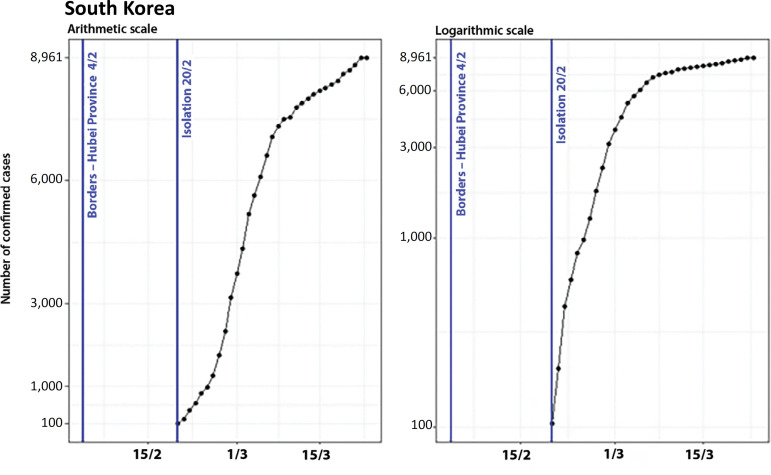
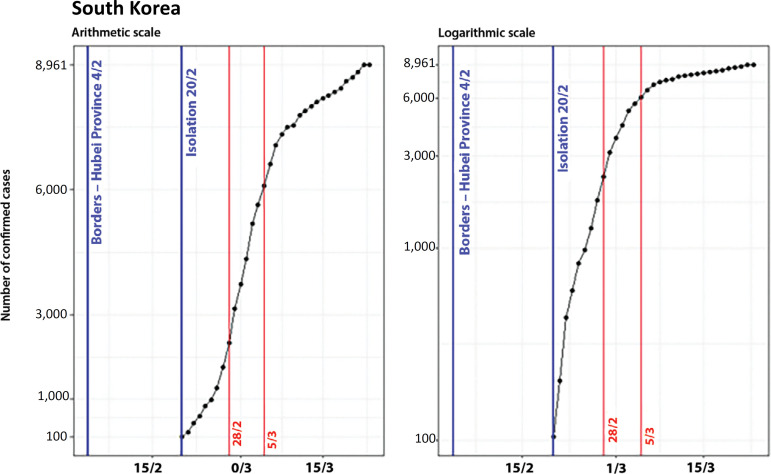
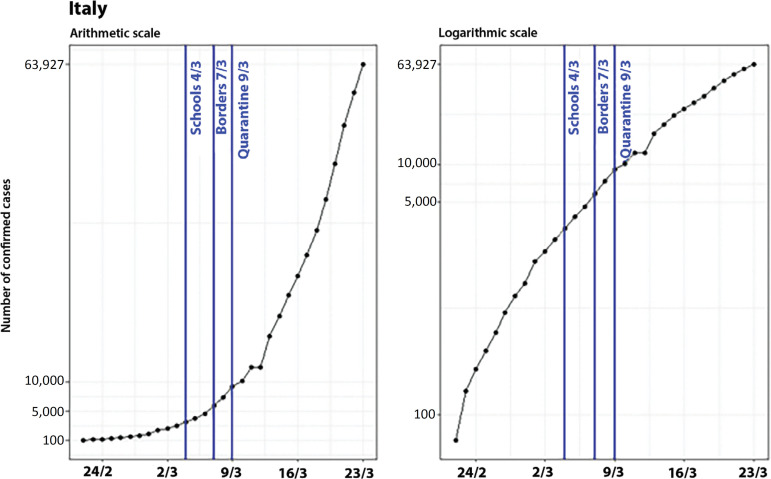
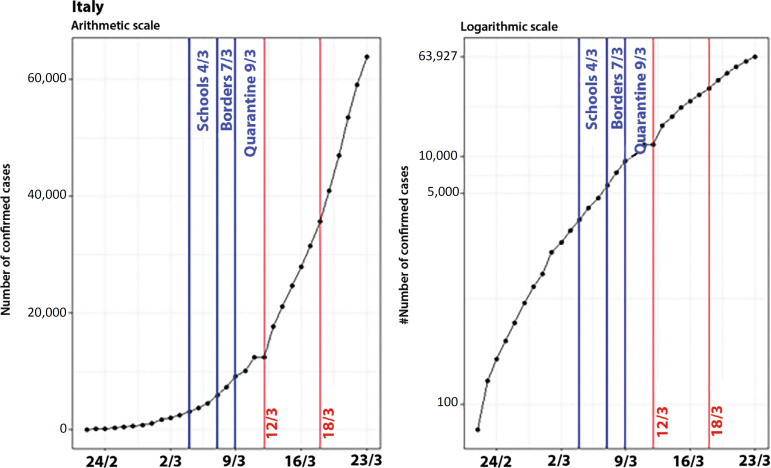
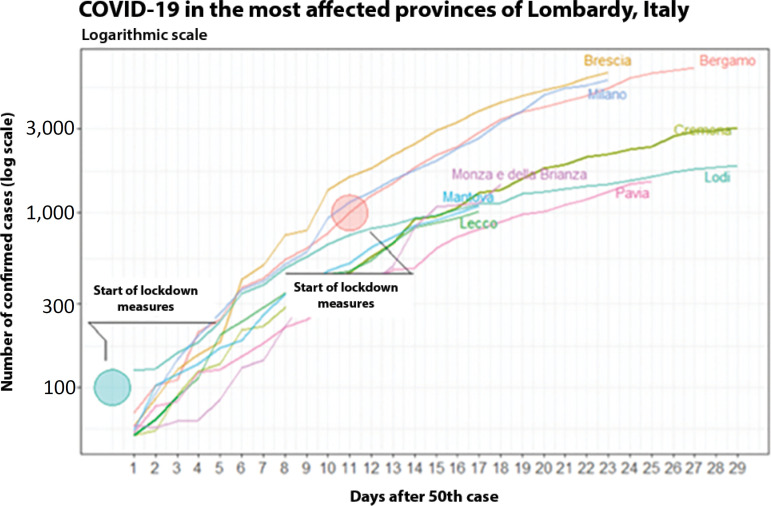
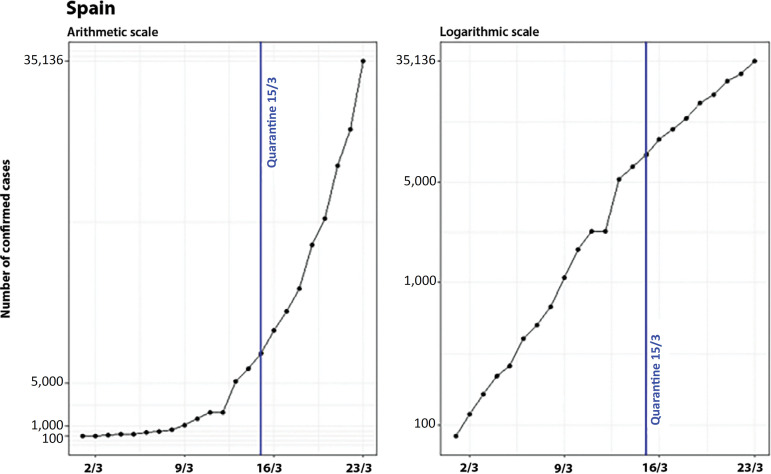
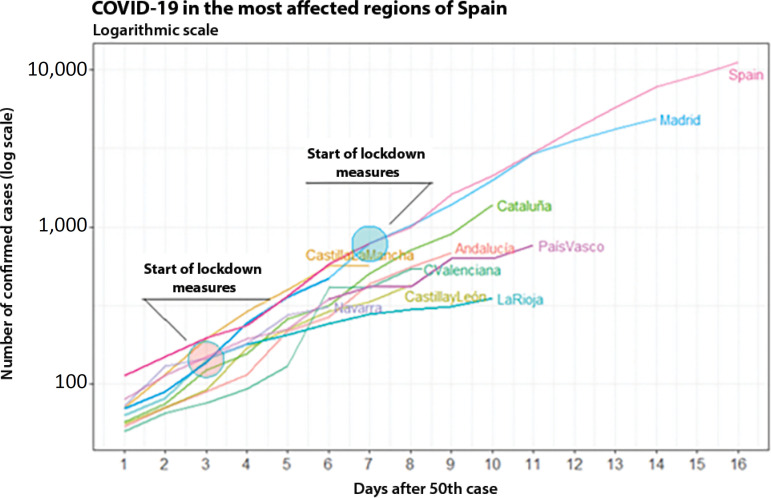
We noted that China (excluding Hubei Province), Hubei Province, and South Korea have been effective in their deceleration of the growth rates of COVID-19 cases. The effectiveness of the measures taken by these countries could be seen after 1 to 2 weeks of their application. In Italy and Spain, control measures at the national level were taken at a late stage of the epidemic, which could have contributed to the high propagation of COVID-19. In Brazil, Rio de Janeiro and São Paulo adopted measures that could be effective in slowing the propagation of the virus. However, we only expect to see their effects on the growth of the curve in the coming days.
Our results may help decisionmakers in countries in relatively early stages of the epidemic, especially Brazil, understand the importance of control measures in decelerating the growth curve of confirmed cases.
分析已对2019冠状病毒病(COVID-19)传播实现控制的国家所采取的措施,以及实施这些措施后累计病例曲线的变化情况。
本研究采用的方法包括三个阶段:梳理不同国家采取的控制措施,确定这些国家病例数增长中的结构断点,特别是分析巴西的数据。
我们注意到中国(不包括湖北省)、湖北省和韩国在减缓COVID-19病例增长率方面取得了成效。这些国家采取的措施在实施1至2周后便可看出效果。在意大利和西班牙,国家层面的控制措施在疫情后期才实施,这可能促使了COVID-19的高度传播。在巴西,里约热内卢和圣保罗采取了可能有效减缓病毒传播的措施。然而,我们预计在未来几天才能看到这些措施对病例曲线增长的影响。
我们的研究结果可能有助于处于疫情相对早期阶段的国家(尤其是巴西)的决策者理解控制措施在减缓确诊病例增长曲线方面的重要性。