John Innes Centre, Norwich Research Park, Norwich, UK.
Department of Biology, University of York, York, UK.
Nature. 2020 Jul;583(7818):825-829. doi: 10.1038/s41586-020-2485-4. Epub 2020 Jul 15.
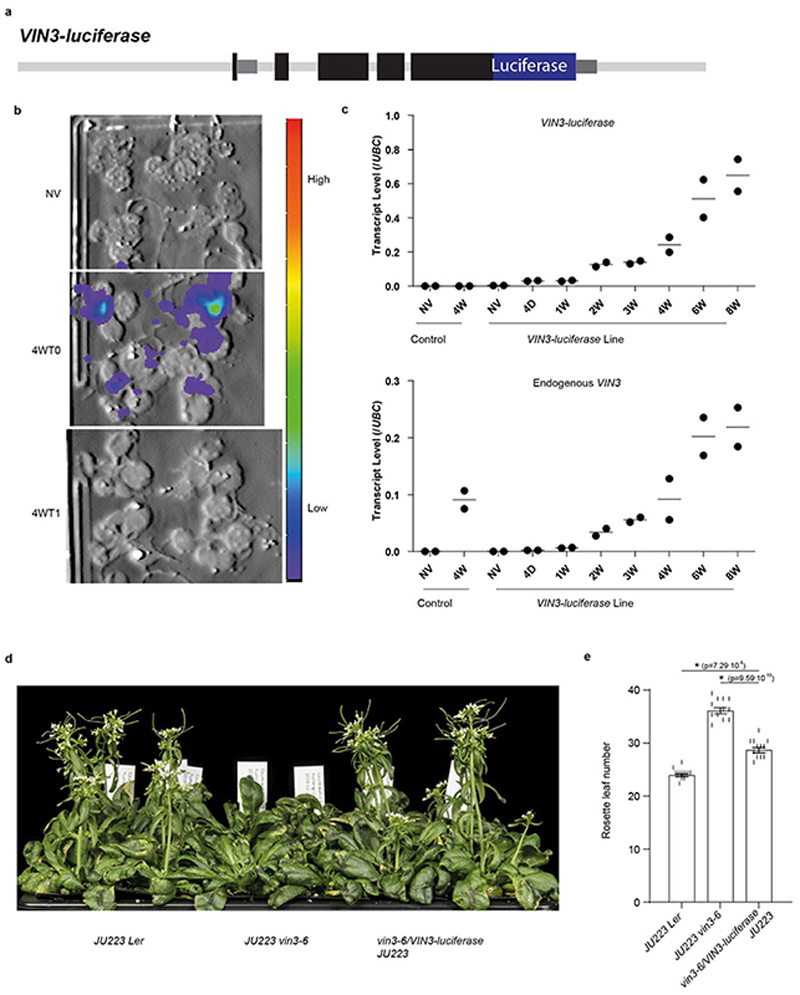
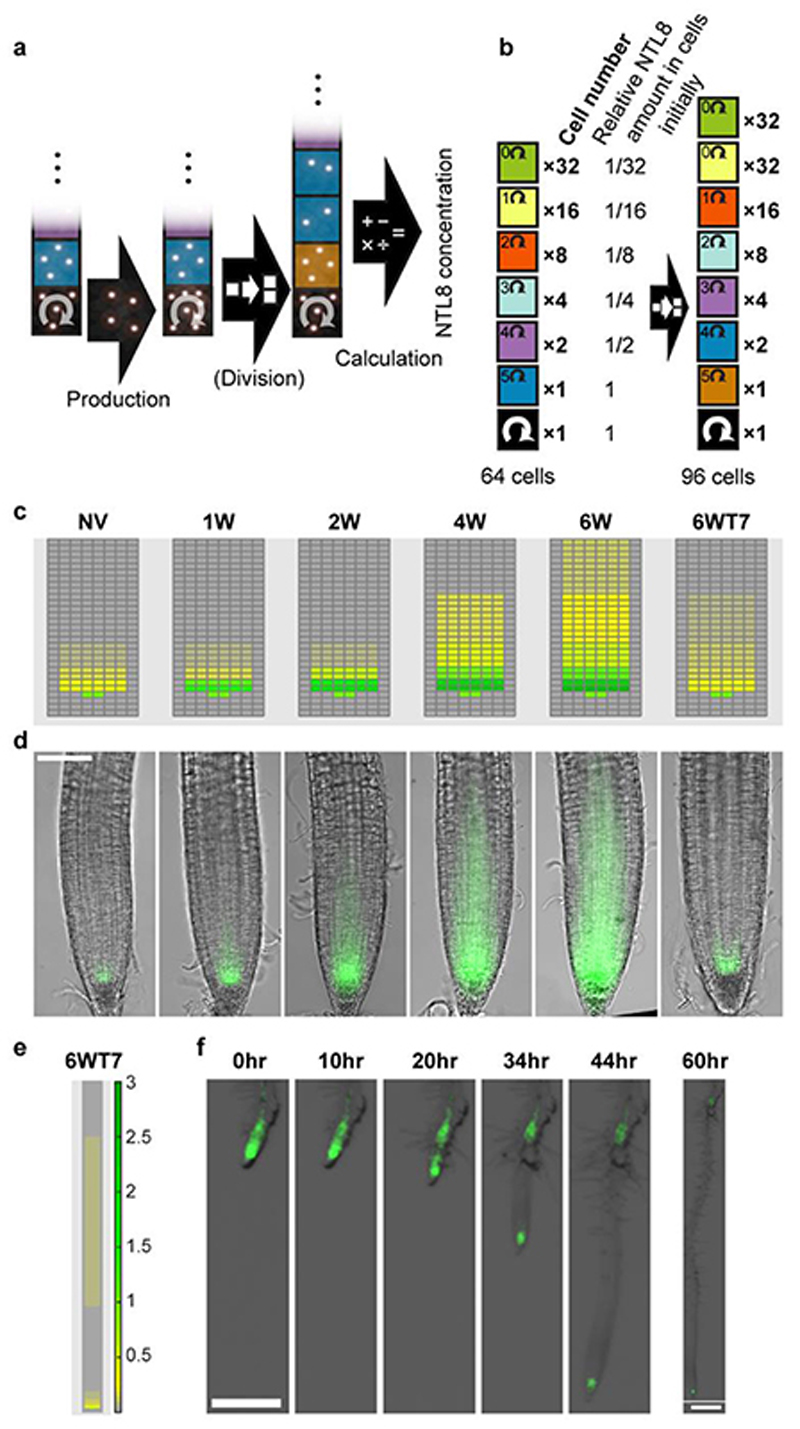
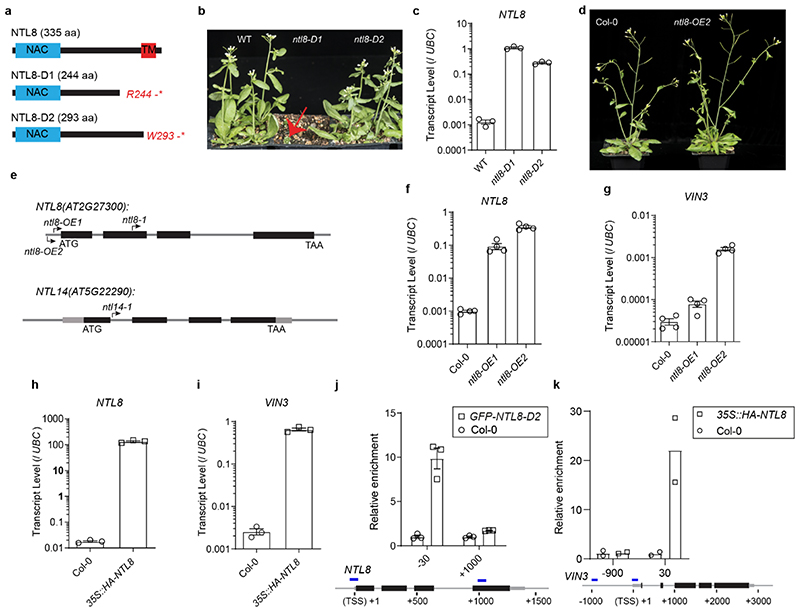
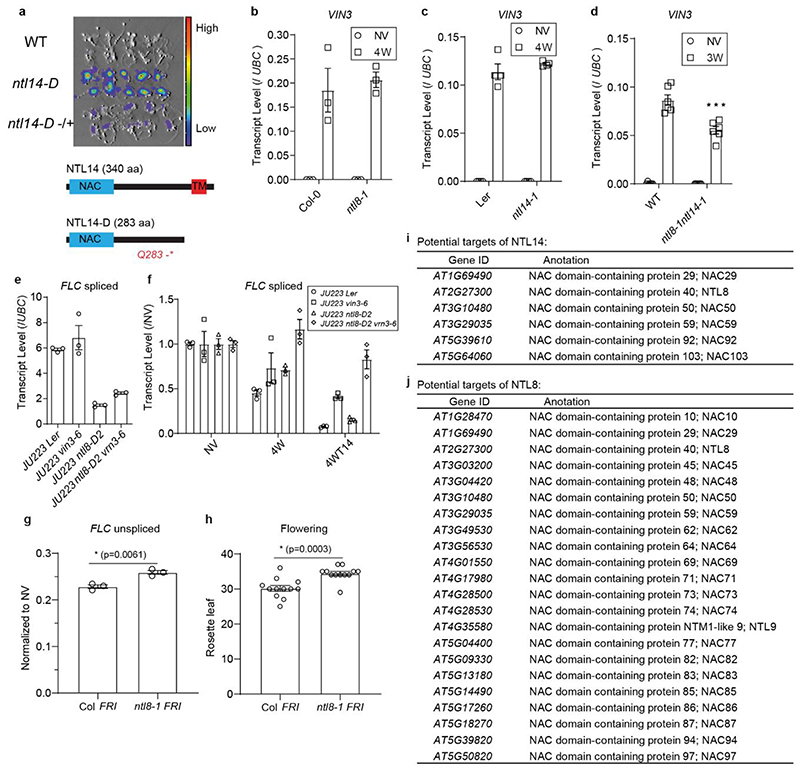
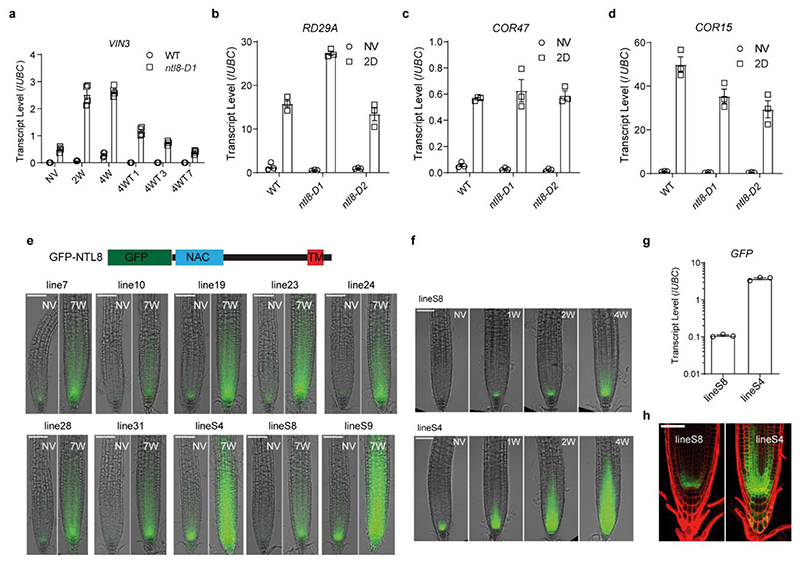
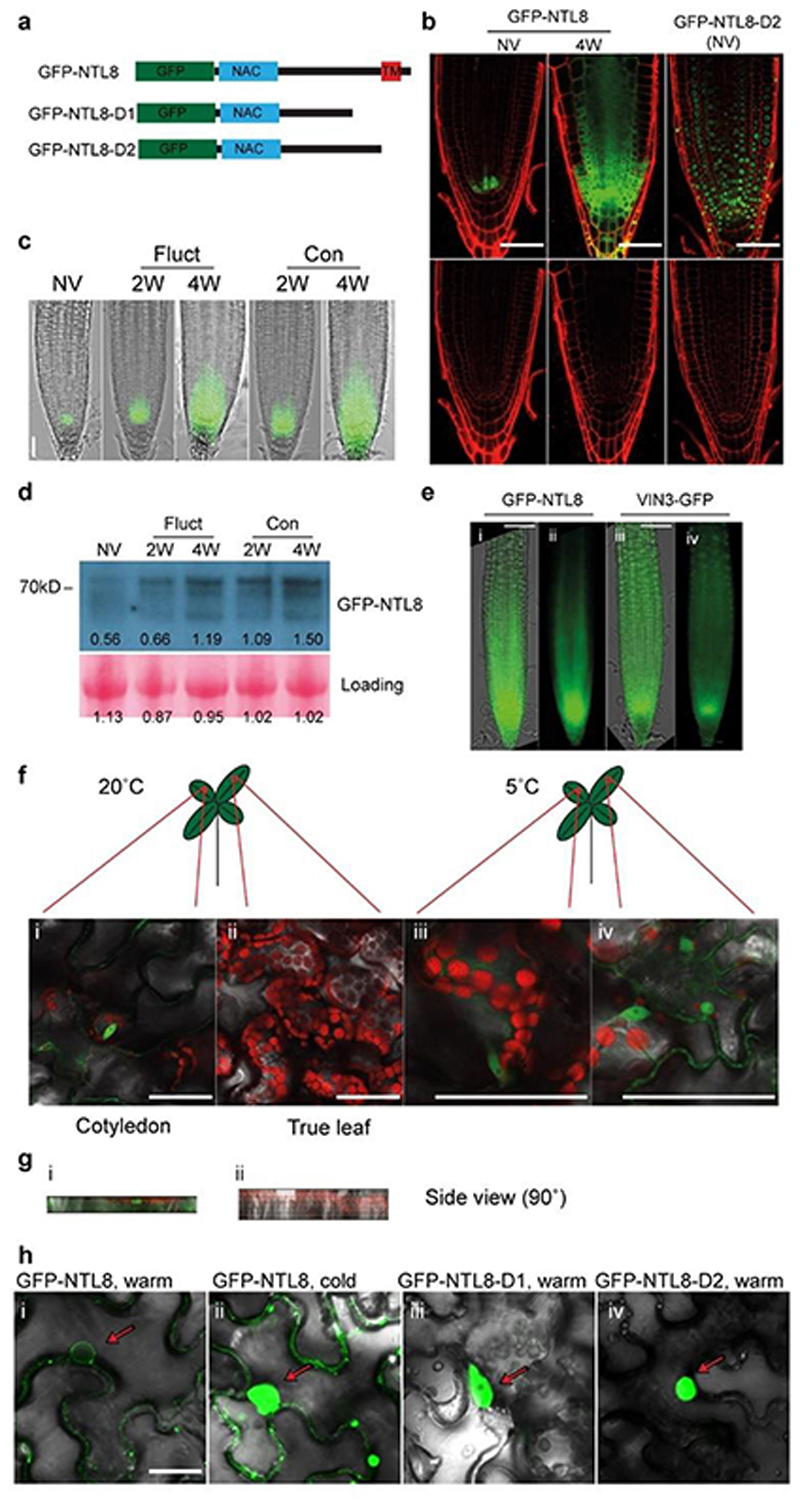
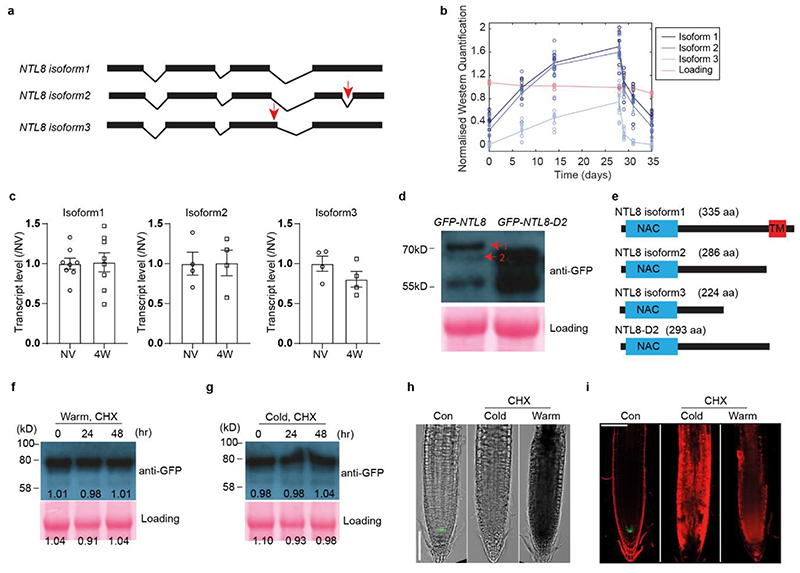
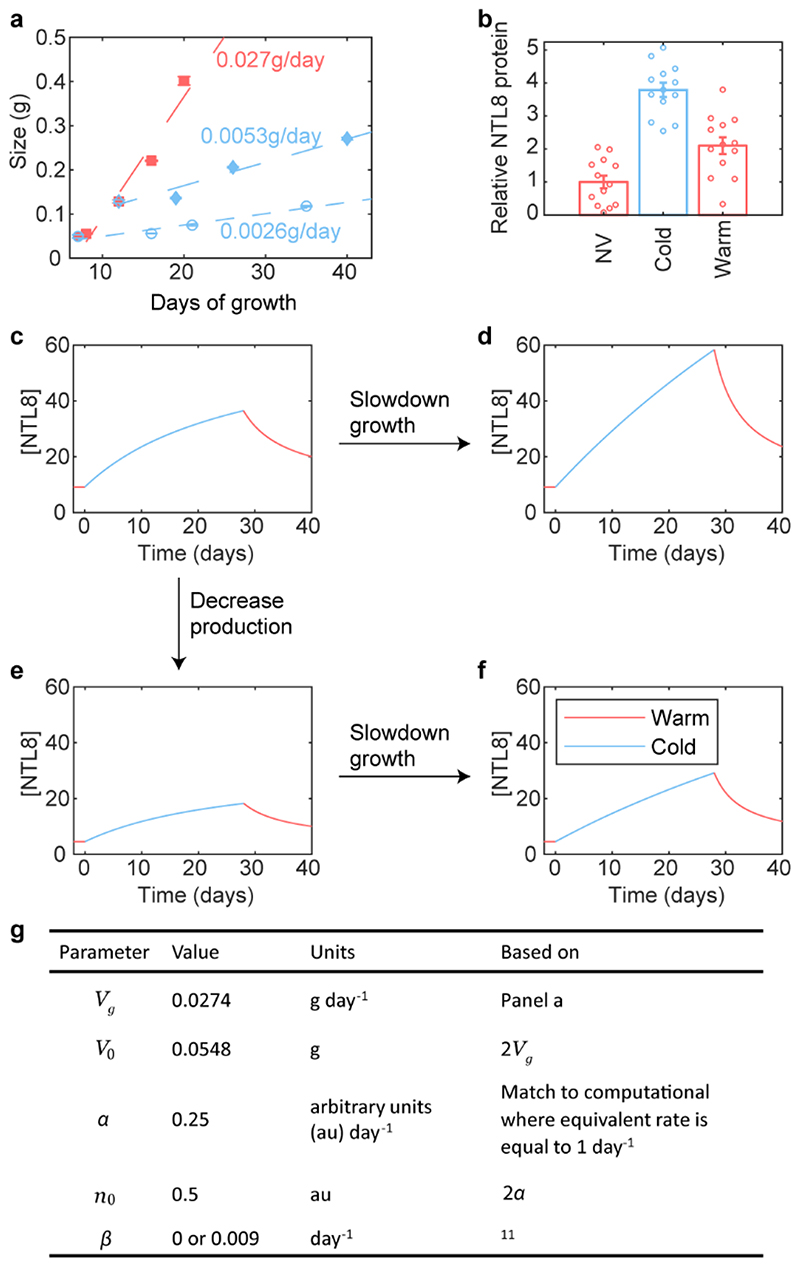
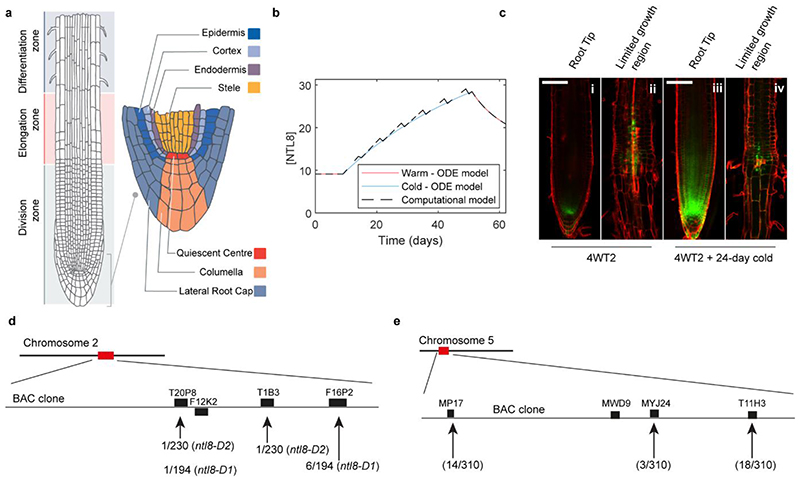
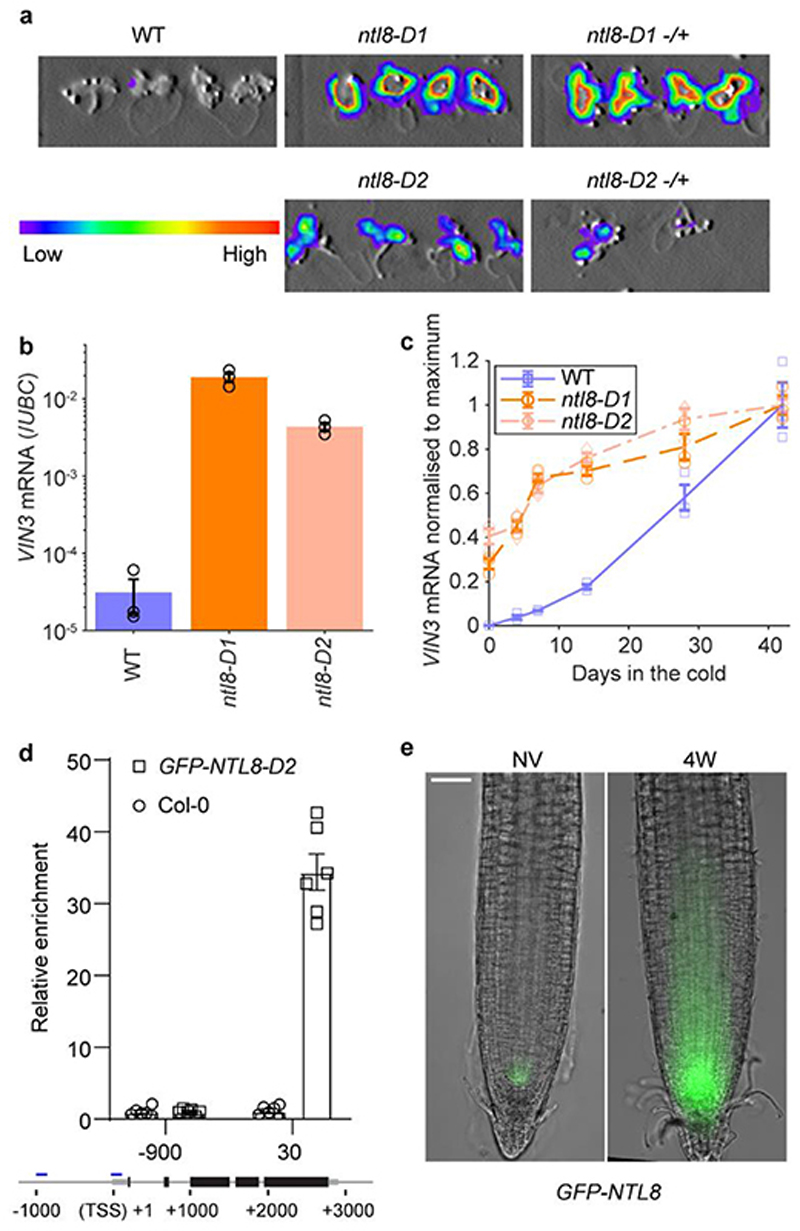
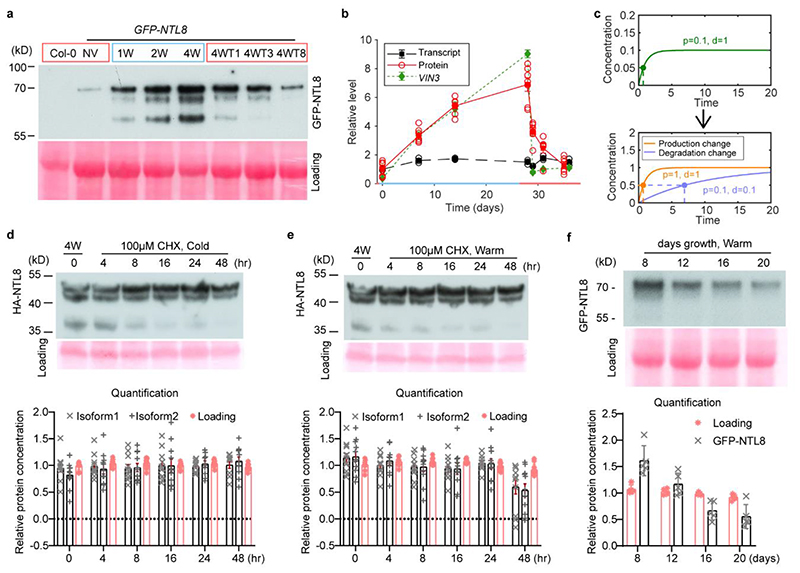
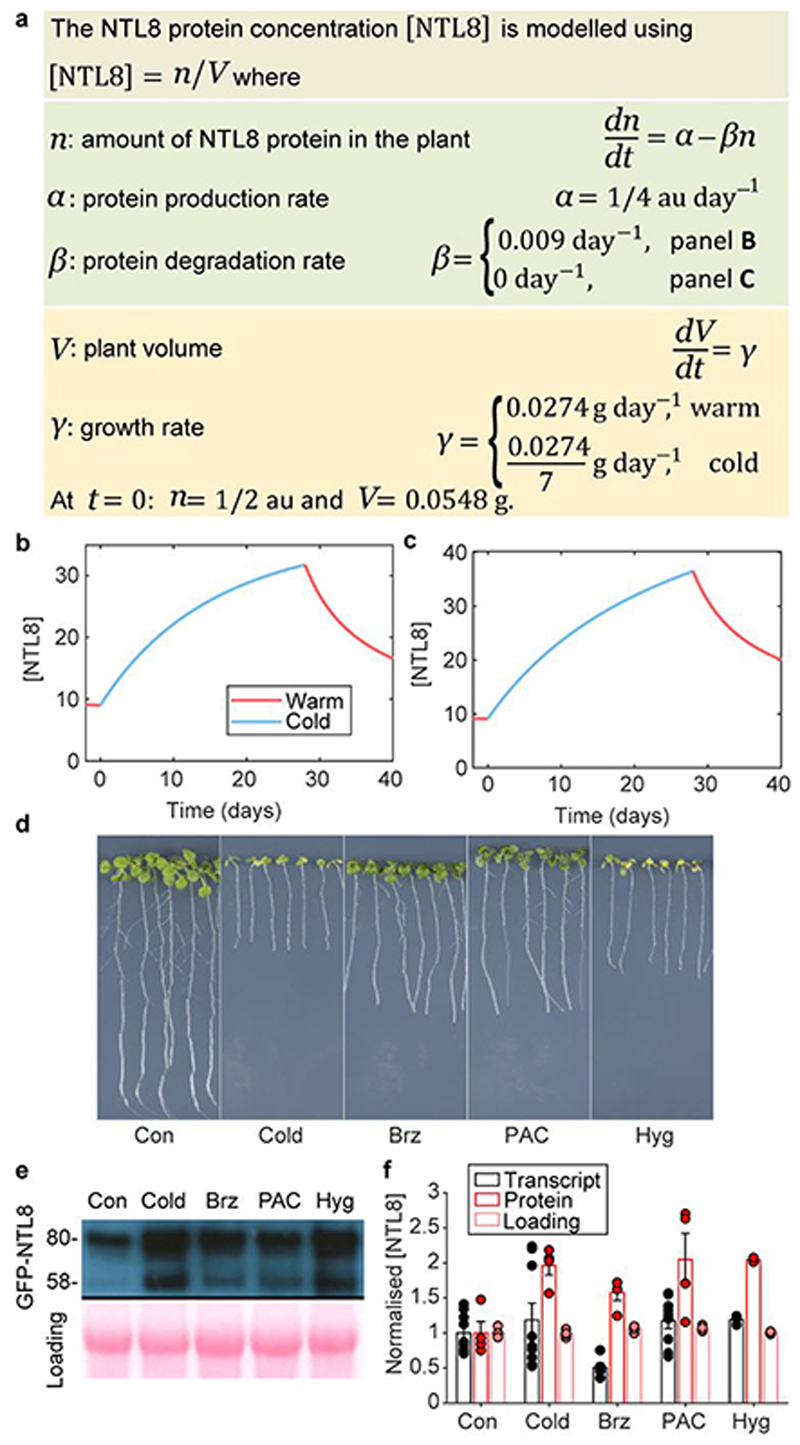
Temperature is a key factor in the growth and development of all organisms. Plants have to interpret temperature fluctuations, over hourly to monthly timescales, to align their growth and development with the seasons. Much is known about how plants respond to acute thermal stresses, but the mechanisms that integrate long-term temperature exposure remain unknown. The slow, winter-long upregulation of VERNALIZATION INSENSITIVE 3 (VIN3), a PHD protein that functions with Polycomb repressive complex 2 to epigenetically silence FLOWERING LOCUS C (FLC) during vernalization, is central to plants interpreting winter progression. Here, by a forward genetic screen, we identify two dominant mutations of the transcription factor NTL8 that constitutively activate VIN3 expression and alter the slow VIN3 cold induction profile. In the wild type, the NTL8 protein accumulates slowly in the cold, and directly upregulates VIN3 transcription. Through combining computational simulation and experimental validation, we show that a major contributor to this slow accumulation is reduced NTL8 dilution due to slow growth at low temperatures. Temperature-dependent growth is thus exploited through protein dilution to provide the long-term thermosensory information for VIN3 upregulation. Indirect mechanisms involving temperature-dependent growth, in addition to direct thermosensing, may be widely relevant in long-term biological sensing of naturally fluctuating temperatures.
温度是所有生物生长和发育的关键因素。植物必须解释小时到月的时间尺度上的温度波动,以使其生长和发育与季节同步。人们已经了解了植物如何应对急性热应激,但整合长期温度暴露的机制仍不清楚。在冬季, vernalization insensitive 3(VIN3)的表达缓慢上调,VIN3 是一种 PHD 蛋白,与 Polycomb 抑制复合物 2 一起作用,在 vernalization 期间表观遗传沉默开花位点 C(FLC),这是植物解释冬季进程的核心。在这里,通过正向遗传筛选,我们鉴定了转录因子 NTL8 的两个显性突变,该突变持续激活 VIN3 的表达并改变了 VIN3 的缓慢冷诱导特征。在野生型中,NTL8 蛋白在低温下缓慢积累,并直接上调 VIN3 的转录。通过结合计算模拟和实验验证,我们表明,这种缓慢积累的一个主要原因是由于低温下生长缓慢导致的 NTL8 稀释减少。因此,通过蛋白质稀释来利用温度依赖性生长,为 VIN3 的上调提供了长期的温度感应信息。除了直接感温外,间接的温度依赖性生长机制可能在长期的自然温度波动的生物感应中具有广泛的相关性。