Experimental and Clinical Research Center, Charité Universitätsmedizin Berlin and Max-Delbrück-Center for Molecular Medicine in the Helmholtz Association, Berlin, Germany.
German Cancer Consortium (DKTK), Partner Site Berlin, and German Cancer Research Center (DKFZ), Heidelberg, Germany.
Front Immunol. 2020 May 27;11:980. doi: 10.3389/fimmu.2020.00980. eCollection 2020.
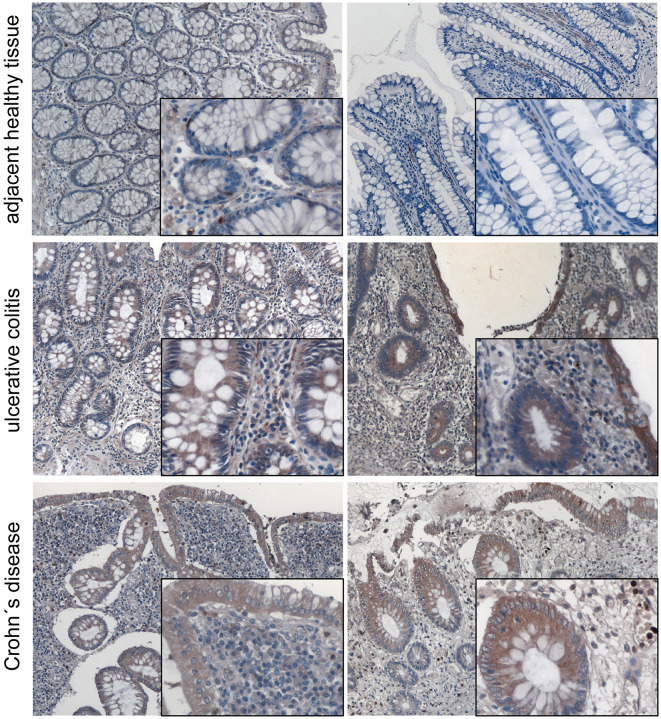
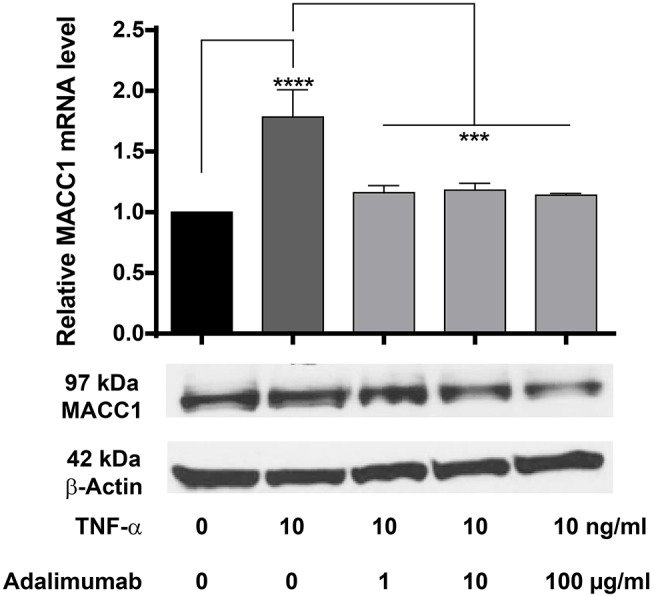
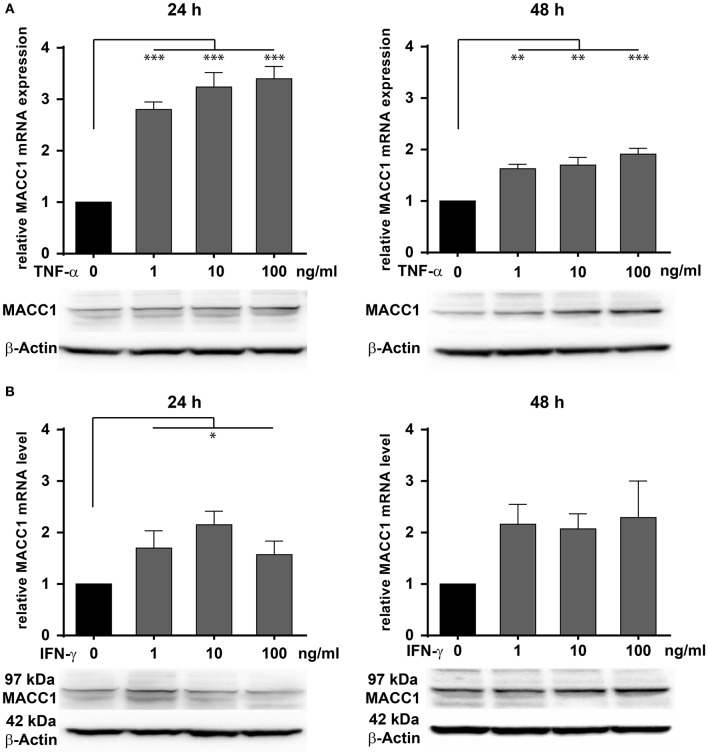
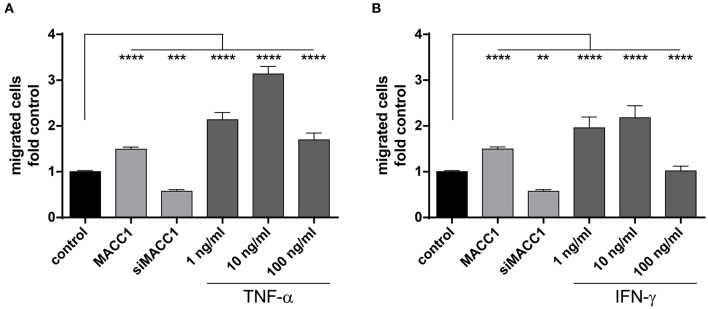
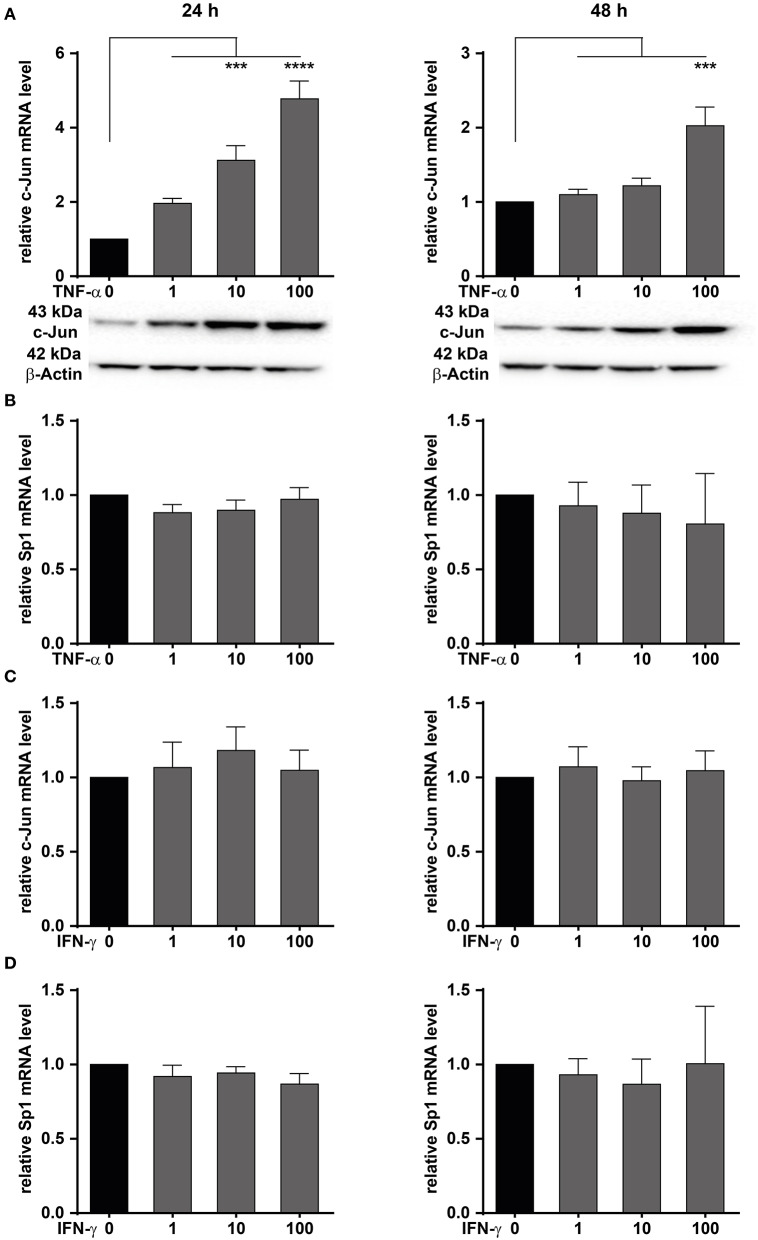
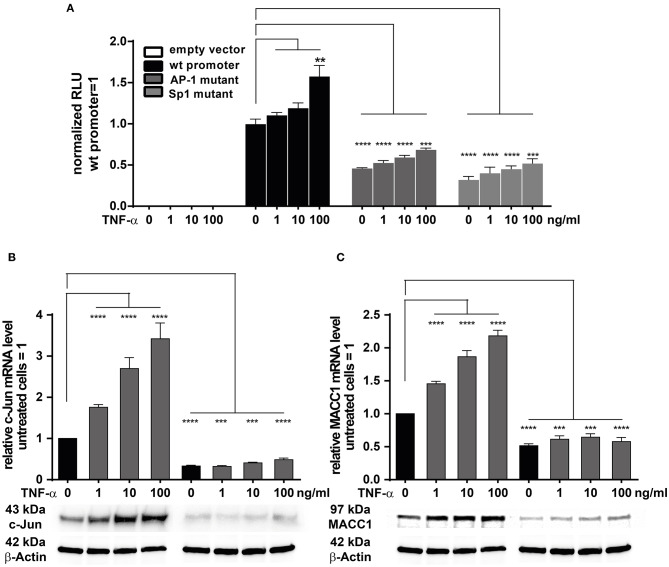
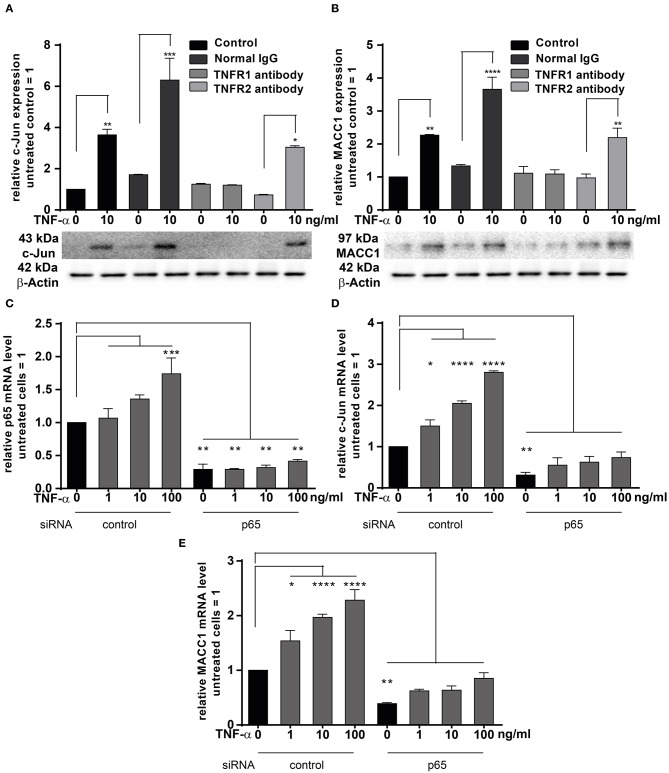
Colorectal cancer (CRC) is one of the most common malignancies worldwide. Early stage CRC patients have a good prognosis. If distant metastasis occurs, the 5-year survival drops below 10%. Despite treatment success over the last decades, treatment options for metastatic disease are still limited. Therefore, novel targets are needed to foster therapy of advanced stage CRC patients and hinder progression of early stage patients into metastasis. A novel target is the crucial oncogene Metastasis-Associated in Colon Cancer 1 (MACC1) involved in molecular pathogenesis of CRC metastasis. MACC1 induces cell proliferation and motility, supports cellular survival and rewires metabolism resulting in increased metastasis . MACC1 is a prognostic biomarker not only for CRC but for more than 20 solid cancer entities. Inflammation plays a pivotal role in tumorigenesis, tumor progression and metastasis. For CRC, inflammatory bowel disease and ulcerative colitis are important inflammation associated risk factors. Certain cytokines, such as TNF-α and IFN-γ, are key factors in determining the contribution of the inflammatory process to CRC. Knowledge of the connection between inflammation and MACC1 driven tumors remains unclear. Gene expression analysis of CRC cells after cytokine stimulation was analyzed by qRT-PCR and Western blot. Cellular motility was assessed by Boyden chamber assays. MACC1 promoter activity after stimulation with pro-inflammatory cytokines was measured using promoter-luciferase constructs. To investigate signal transduction from receptor to effector molecules, blocking experiments using neutralizing antibodies and knockdown experiments were performed. Following TNF-α stimulation, MACC1 and c-Jun expression were significantly increased at the mRNA and protein level. Knockdown of c-Jun reduced MACC1 inducibility following TNF-α stimulation. TNF-α promoted MACC1-induced cell migration that was reverted following MACC1 knockdown. Moreover, MACC1 and c-Jun expression were downregulated by blocking TNFR1, but not TNFR2. Knock down of the NF-κB subunit, p65, reduced basal MACC1 and c-Jun mRNA expression levels. Adalimumab, a clinically approved monoclonal anti-TNF-α antibody, hindered MACC1 induction. The present study highlights that TNF-α regulates the induction of MACC1 via the NF-κB subunit p65 and the transcription factor c-Jun in CRC cells. This finding unravels a novel signaling pathway upstream of MACC1 and provides a potential therapeutic target for the treatment of CRC patients with an associated inflammation.
结直肠癌(CRC)是全球最常见的恶性肿瘤之一。早期 CRC 患者预后良好。如果发生远处转移,5 年生存率低于 10%。尽管在过去几十年中治疗取得了成功,但转移性疾病的治疗选择仍然有限。因此,需要新的靶点来促进晚期 CRC 患者的治疗,并阻止早期患者向转移进展。一个新的靶点是关键致癌基因结肠癌转移相关基因 1(MACC1),它参与了结直肠癌转移的分子发病机制。MACC1 诱导细胞增殖和运动,支持细胞存活并重新布线代谢,导致转移增加。MACC1 不仅是 CRC 的预后生物标志物,也是 20 多种实体癌的预后生物标志物。炎症在肿瘤发生、肿瘤进展和转移中起着关键作用。对于 CRC,炎症性肠病和溃疡性结肠炎是重要的炎症相关危险因素。某些细胞因子,如 TNF-α 和 IFN-γ,是决定炎症过程对 CRC 贡献的关键因素。炎症与 MACC1 驱动的肿瘤之间的联系的知识尚不清楚。通过 qRT-PCR 和 Western blot 分析细胞因子刺激后 CRC 细胞的基因表达。通过 Boyden 室测定评估细胞迁移率。使用启动子荧光素酶构建体测量促炎细胞因子刺激后 MACC1 启动子活性。为了研究从受体到效应分子的信号转导,使用中和抗体和敲低实验进行阻断实验。在 TNF-α 刺激后,MACC1 和 c-Jun 的表达在 mRNA 和蛋白质水平上均显著增加。在 TNF-α 刺激后,c-Jun 的敲低降低了 MACC1 的诱导能力。TNF-α 促进了 MACC1 诱导的细胞迁移,而 MACC1 的敲低则逆转了这种迁移。此外,阻断 TNFR1 可下调 MACC1 和 c-Jun 的表达,但阻断 TNFR2 则不能。NF-κB 亚基 p65 的敲低降低了基础 MACC1 和 c-Jun mRNA 表达水平。一种临床批准的单克隆抗 TNF-α 抗体阿达木单抗可抑制 MACC1 的诱导。本研究强调,TNF-α 通过 CRC 细胞中的 NF-κB 亚基 p65 和转录因子 c-Jun 调节 MACC1 的诱导。这一发现揭示了 MACC1 上游的新信号通路,并为治疗伴有炎症的 CRC 患者提供了一个潜在的治疗靶点。