Sanchez Fernandez Pablo, Kodjo Angeli, Medkour Hacène, Laidoudi Younes, Dubourg Grègory, Eldin Carole, Parola Philippe, Davoust Bernard, Lagier Jean-Christophe
Aix Marseille Univ, IRD, AP-HM, MEPHI, Marseille, France.
Leptospirosis Laboratory, VetAgro Sup, Veterinary Campus of Lyon, Marcy l'Etoile, France.
IDCases. 2020 Jul 1;21:e00899. doi: 10.1016/j.idcr.2020.e00899. eCollection 2020.
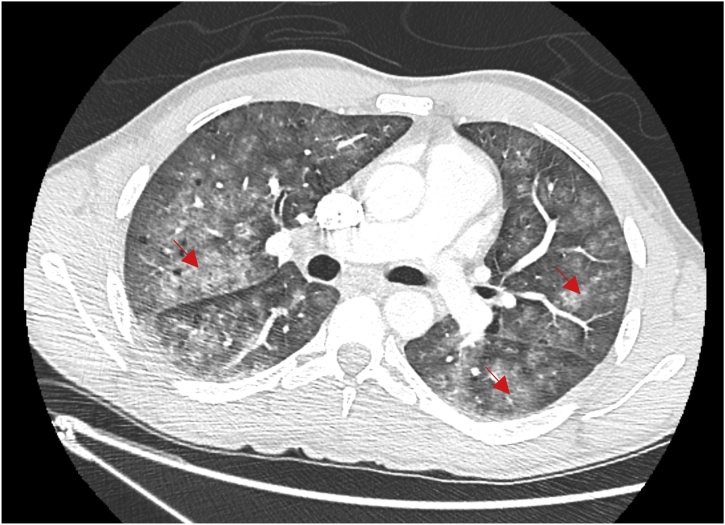
Autochtonous leptospirosis is an emerging zoonotic disease in Europe, particularly in France. We report a case of leptospirosis in a 36 year-old man, who is a recently arrived migrant from Tunisia and lives in a squat. He suffered from pulmonary and neurological involvement as well as hepatitis. Seven rats () were trapped in the squat where the patient lived. spp. DNA was detected in the kidney of one rat, highlighting the most likely source of contamination. In addition to the classic recreational or professional exposure to fresh water and practice of outdoor sports as a source of leptospirosis contamination, unhealthy living conditions (homeless or squatting) and therefore frequent exposure to rats, are another risk factor for leptospirosis in Europe.
本地感染型钩端螺旋体病是欧洲一种新出现的人畜共患病,在法国尤为如此。我们报告了一例36岁男性的钩端螺旋体病病例,该男子是一名刚从突尼斯来的移民,居住在一个 squat 里。他出现了肺部和神经系统受累以及肝炎症状。在患者居住的 squat 里捕获了7只大鼠()。在其中一只大鼠的肾脏中检测到了 spp. DNA,这突出了最可能的污染源。除了作为钩端螺旋体病污染源的典型的娱乐性或职业性接触淡水及进行户外运动外,不健康的生活条件(无家可归或居住在 squat 里)以及因此频繁接触大鼠,是欧洲钩端螺旋体病的另一个危险因素。