Medically Associated Science and Technology (MAST) Program, Cedars-Sinai Medical Center, Los Angeles, California, United States of America.
Inflammatory Bowel and Immunobiology Research Institute, Cedars-Sinai, Los Angeles, California, United States of America.
PLoS One. 2020 Jul 16;15(7):e0236199. doi: 10.1371/journal.pone.0236199. eCollection 2020.
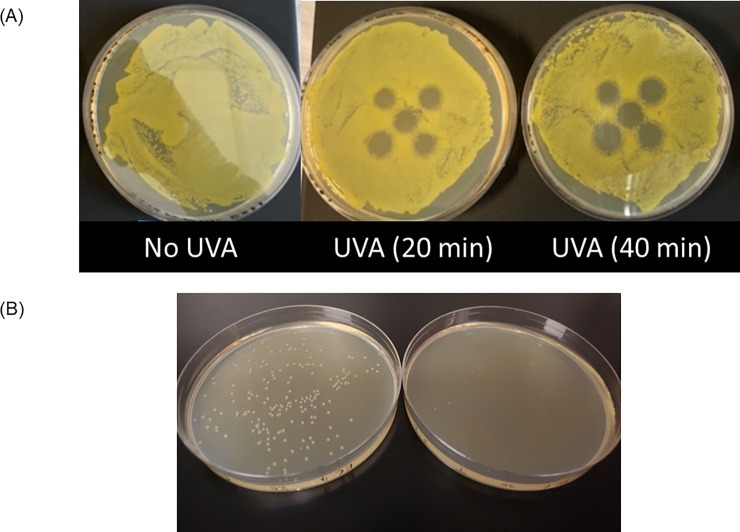
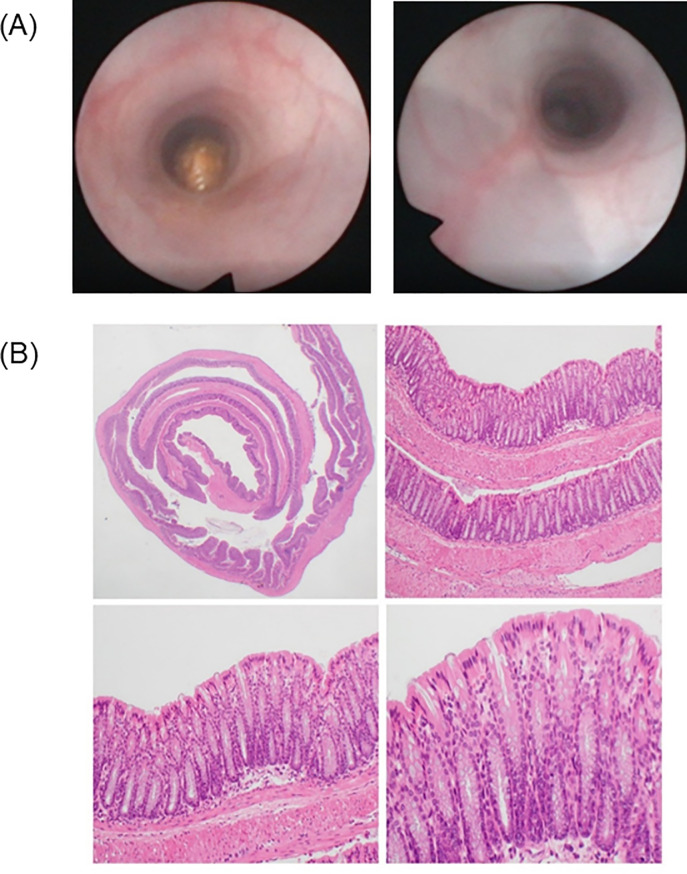
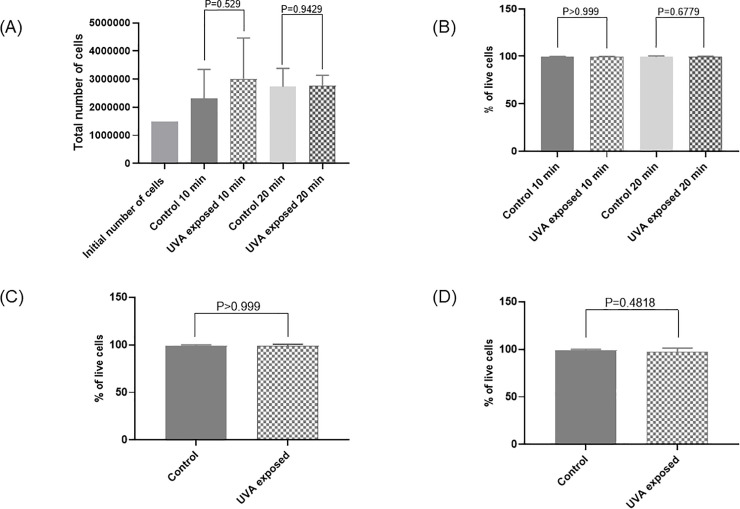
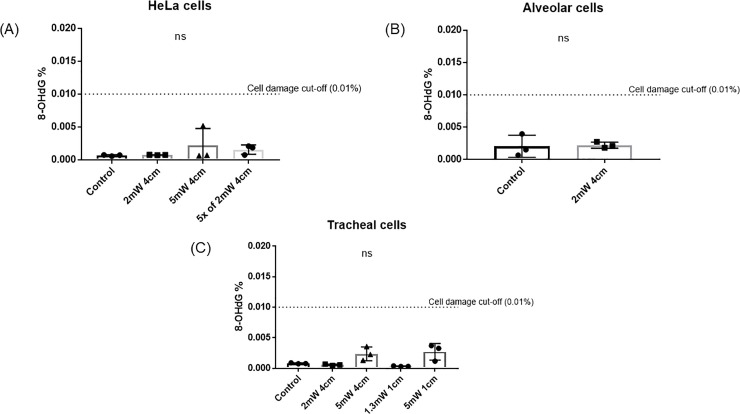
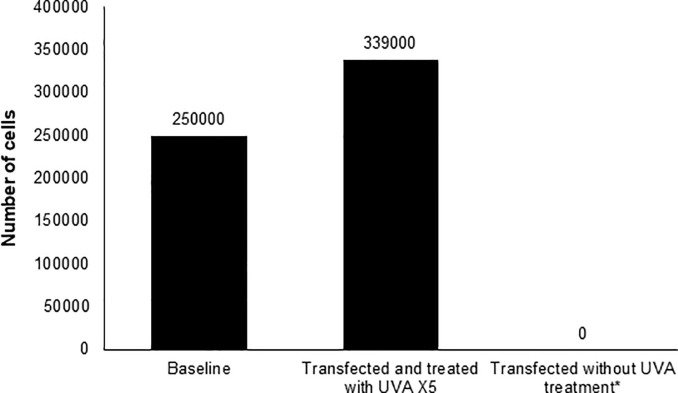
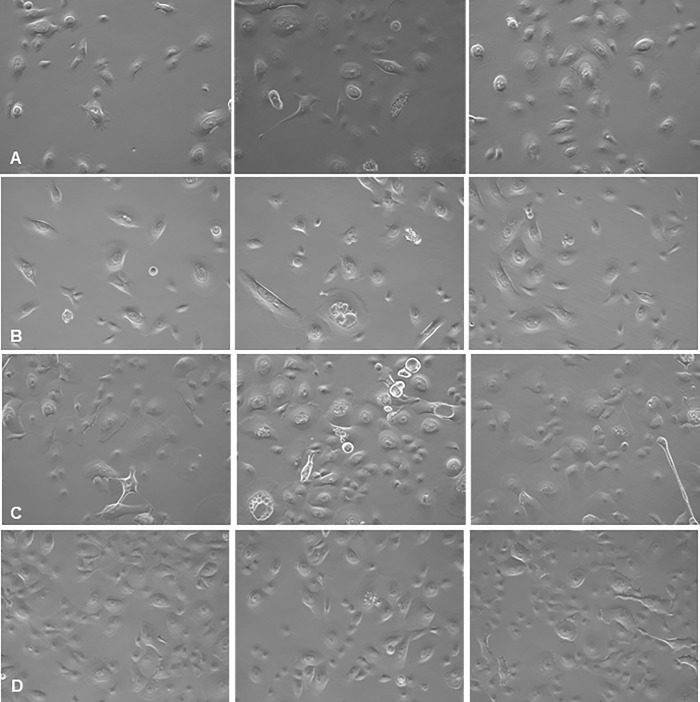
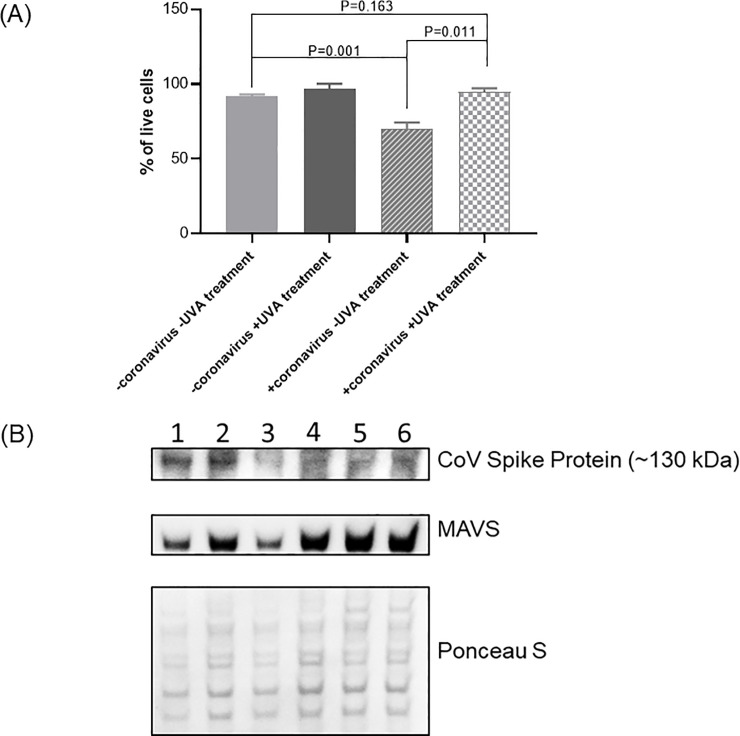
Antimicrobial-resistant and novel pathogens continue to emerge, outpacing efforts to contain and treat them. Therefore, there is a crucial need for safe and effective therapies. Ultraviolet-A (UVA) phototherapy is FDA-approved for several dermatological diseases but not for internal applications. We investigated UVA effects on human cells in vitro, mouse colonic tissue in vivo, and UVA efficacy against bacteria, yeast, coxsackievirus group B and coronavirus-229E. Several pathogens and virally transfected human cells were exposed to a series of specific UVA exposure regimens. HeLa, alveolar and primary human tracheal epithelial cell viability was assessed after UVA exposure, and 8-Oxo-2'-deoxyguanosine was measured as an oxidative DNA damage marker. Furthermore, wild-type mice were exposed to intracolonic UVA as an in vivo model to assess safety of internal UVA exposure. Controlled UVA exposure yielded significant reductions in Pseudomonas aeruginosa, Klebsiella pneumoniae, Escherichia coli, Enterococcus faecalis, Clostridioides difficile, Streptococcus pyogenes, Staphylococcus epidermidis, Proteus mirabilis and Candida albicans. UVA-treated coxsackievirus-transfected HeLa cells exhibited significantly increased cell survival compared to controls. UVA-treated coronavirus-229E-transfected tracheal cells exhibited significant coronavirus spike protein reduction, increased mitochondrial antiviral-signaling protein and decreased coronavirus-229E-induced cell death. Specific controlled UVA exposure had no significant effect on growth or 8-Oxo-2'-deoxyguanosine levels in three types of human cells. Single or repeated in vivo intraluminal UVA exposure produced no discernible endoscopic, histologic or dysplastic changes in mice. These findings suggest that, under specific conditions, UVA reduces various pathogens including coronavirus-229E, and may provide a safe and effective treatment for infectious diseases of internal viscera. Clinical studies are warranted to further elucidate the safety and efficacy of UVA in humans.
抗微生物药物耐药性和新型病原体不断出现,超过了控制和治疗它们的努力。因此,迫切需要安全有效的治疗方法。紫外线 A(UVA)光疗已获得美国食品和药物管理局(FDA)批准,可用于治疗几种皮肤病,但不能用于内部应用。我们在体外研究了 UVA 对人类细胞、体内小鼠结肠组织以及 UVA 对细菌、酵母、柯萨奇病毒 B 组和冠状病毒-229E 的疗效。将几种病原体和病毒转染的人类细胞暴露于一系列特定的 UVA 暴露方案中。在暴露于 UVA 后评估 HeLa、肺泡和原代人气管上皮细胞的活力,并测量 8-氧代-2'-脱氧鸟苷作为氧化 DNA 损伤标志物。此外,野生型小鼠被暴露于结肠内 UVA 作为体内模型,以评估内部 UVA 暴露的安全性。受控 UVA 暴露导致铜绿假单胞菌、肺炎克雷伯菌、大肠杆菌、粪肠球菌、艰难梭菌、酿脓链球菌、表皮葡萄球菌、奇异变形杆菌和白色念珠菌显著减少。与对照组相比,UVA 处理的柯萨奇病毒转染的 HeLa 细胞的细胞存活率显著增加。UVA 处理的冠状病毒-229E 转染的气管细胞显示出显著减少的冠状病毒刺突蛋白,增加的线粒体抗病毒信号蛋白和减少的冠状病毒-229E 诱导的细胞死亡。在三种类型的人类细胞中,特定的受控 UVA 暴露对生长或 8-氧代-2'-脱氧鸟苷水平没有显著影响。单次或重复的体内管腔内 UVA 暴露在小鼠中没有产生可辨别的内镜、组织学或发育不良变化。这些发现表明,在特定条件下,UVA 可减少各种病原体,包括冠状病毒-229E,并可能为内脏传染病提供安全有效的治疗方法。需要进行临床研究以进一步阐明 UVA 在人类中的安全性和有效性。