Department of Emergency, Shengjing Affiliated Hospital of China Medical University, 36 Sanhao Street, Heping District, Shenyang, 110004, Liaoning Province, China.
BMC Pulm Med. 2020 Jul 17;20(1):195. doi: 10.1186/s12890-020-01232-5.
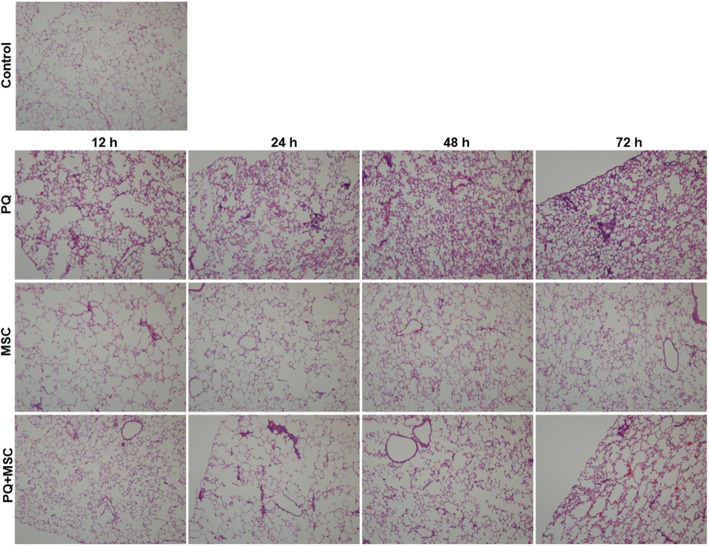
Paraquat (PQ) is an herbicide widely used in the world. PQ can cause pulmonary toxicity and even acute lung injury. Treatment for PQ poisoning in a timely manner is still a challenge for clinicians. Mesenchymal stem cell (MSC) transplantation has hold potentials for the treatment of several lung diseases including PQ poisoning. The aim of this study is to examine the mechanisms mediated by MSC transplantation to protect PQ-induced lung injury.
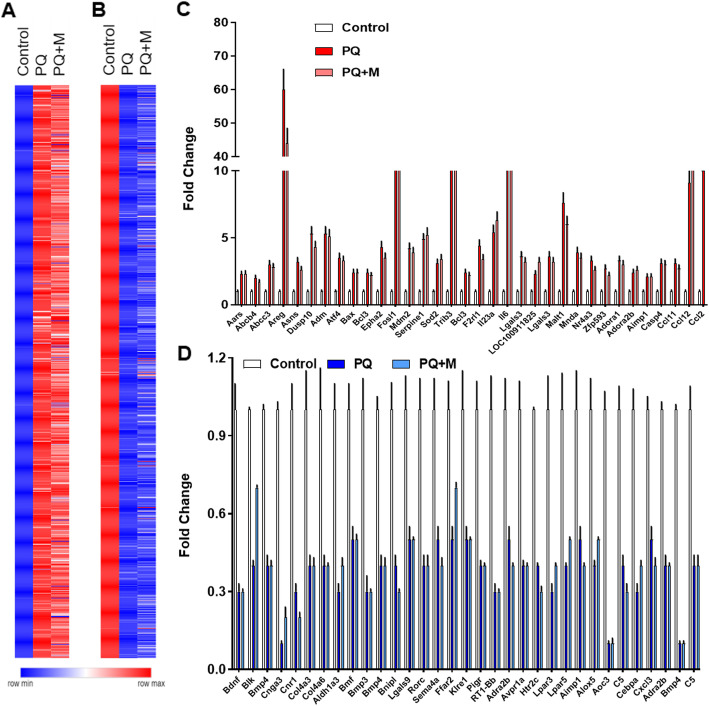
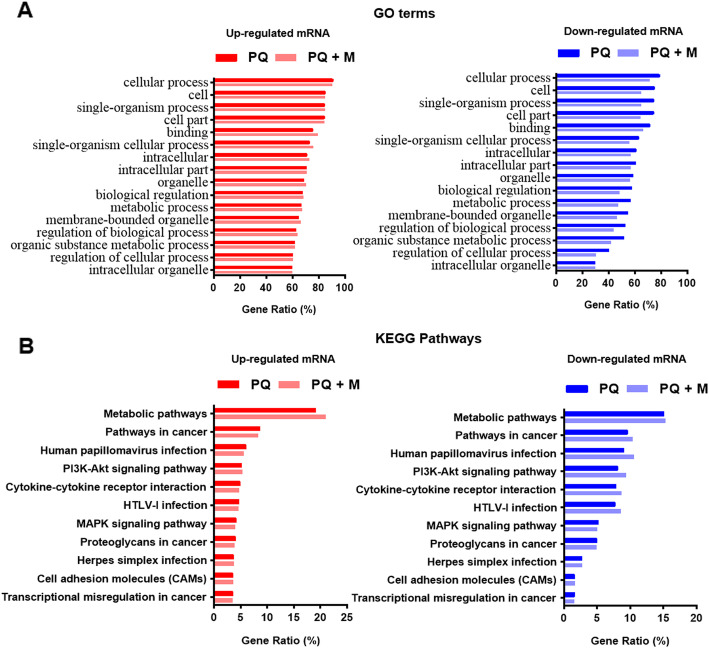
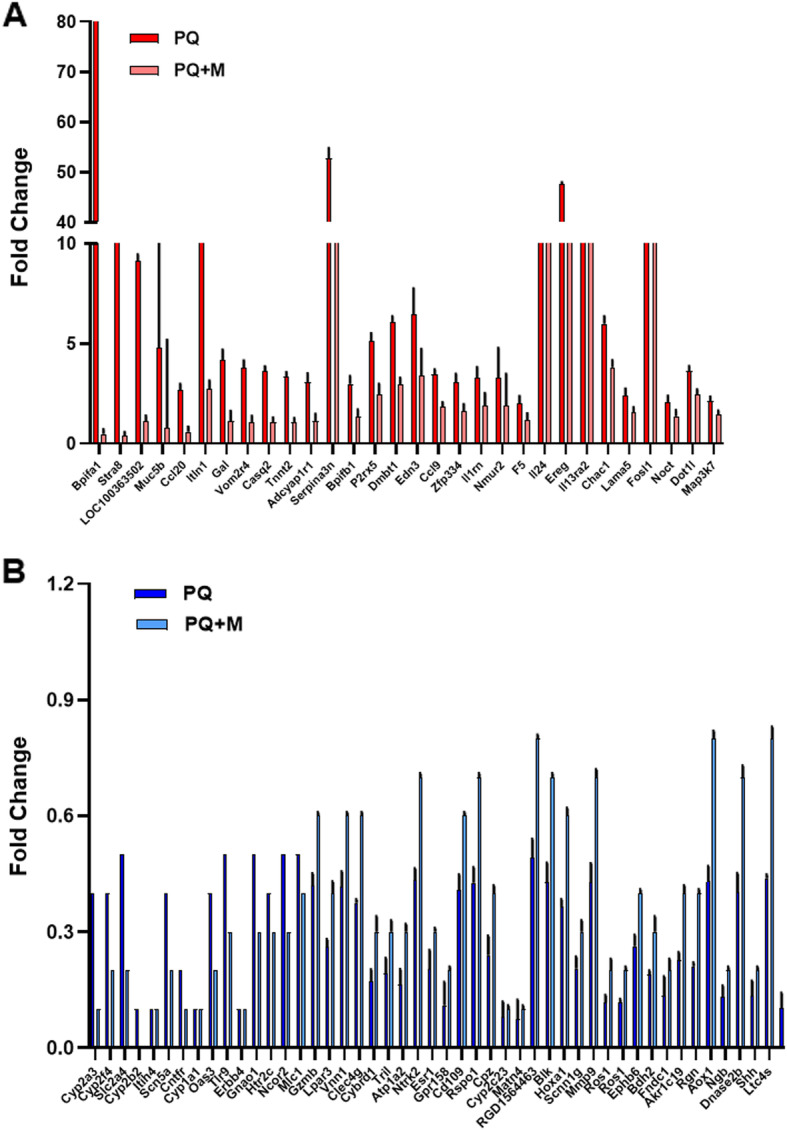
Here we performed the whole genome sequencing and compared the genes and pathways in the lung that were altered by PQ or PQ together with MSC treatment.
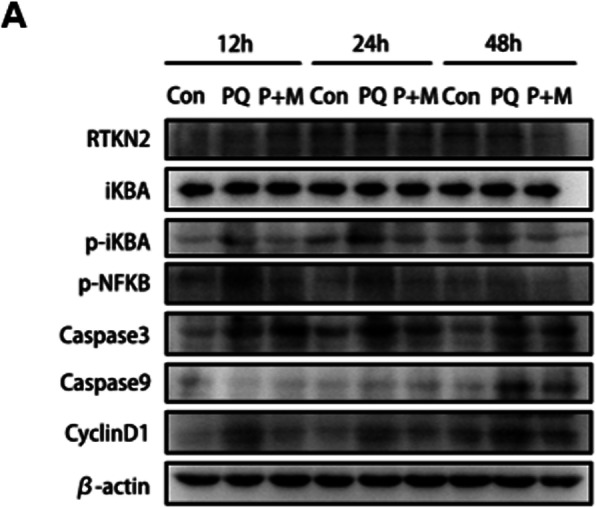
The comparison in transcriptome identified a combined mitigation in NF-kappaB signaling and IL-17 signaling in MSC transplanted samples.
This study not only reiterates the important role of NF-kappaB signaling and IL-17 signaling in the pathogenesis of PQ-induced toxicity, but also provides insight into a molecular basis of MSC administration for the treatment of PQ-induced toxicity.
百草枯(PQ)是一种在世界范围内广泛使用的除草剂。PQ 可引起肺毒性,甚至急性肺损伤。及时治疗 PQ 中毒仍然是临床医生面临的挑战。间充质干细胞(MSC)移植在治疗包括 PQ 中毒在内的多种肺部疾病方面具有潜力。本研究旨在探讨 MSC 移植介导的保护 PQ 诱导肺损伤的机制。
我们进行了全基因组测序,并比较了 PQ 或 PQ 联合 MSC 治疗后肺中改变的基因和途径。
转录组比较鉴定出 MSC 移植样本中 NF-kappaB 信号和 IL-17 信号的综合缓解。
本研究不仅重申了 NF-kappaB 信号和 IL-17 信号在 PQ 诱导毒性发病机制中的重要作用,还为 MSC 给药治疗 PQ 诱导毒性提供了分子基础。