Departments of Biochemistry and Internal Medicine, Cardiovascular Research Institute Maastricht (CARIM), Maastricht University Medical Centre+, P.O. Box 616, 6200 MD, Maastricht, The Netherlands.
Department of Medicine, University of Padua Medical School, Padua, Italy.
Sci Rep. 2020 Jul 17;10(1):11910. doi: 10.1038/s41598-020-68438-9.
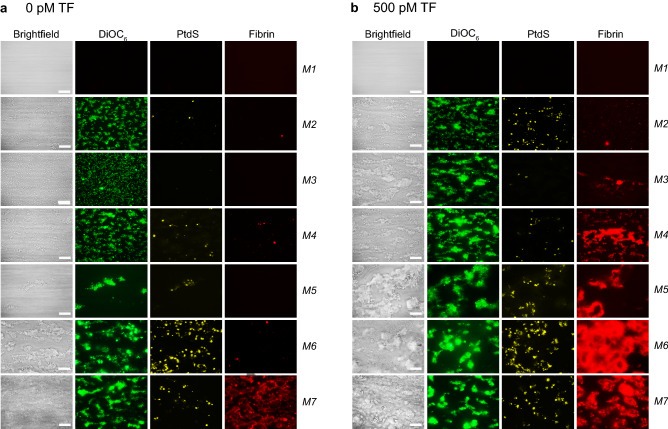
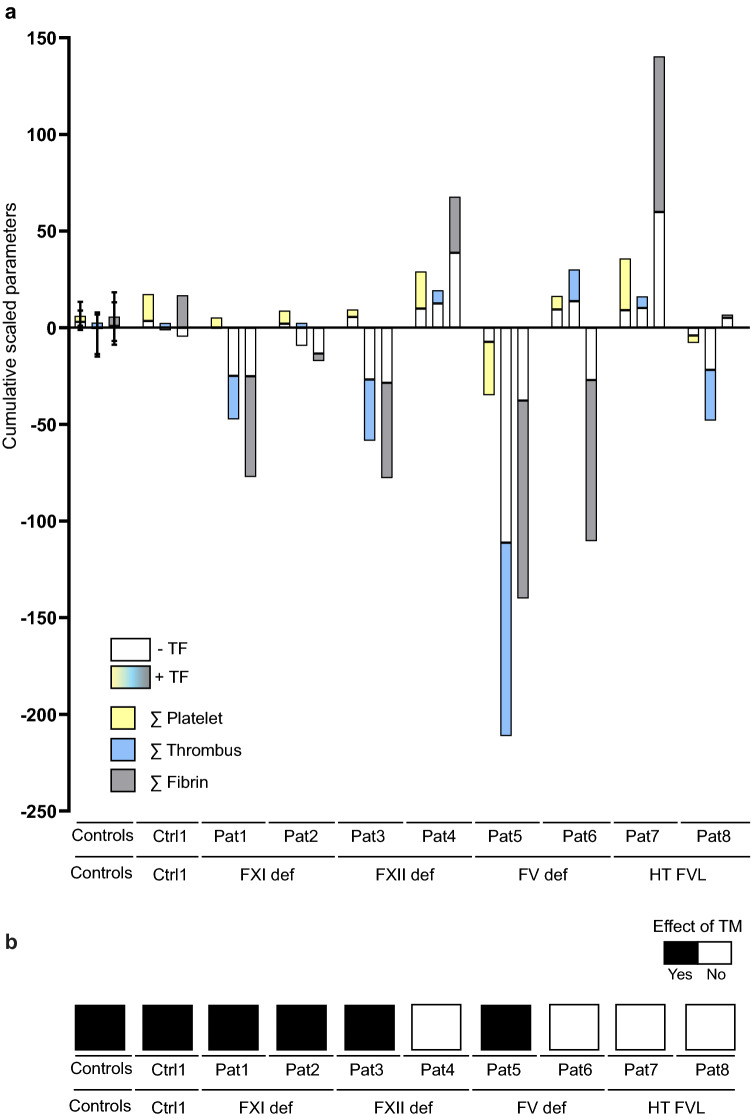
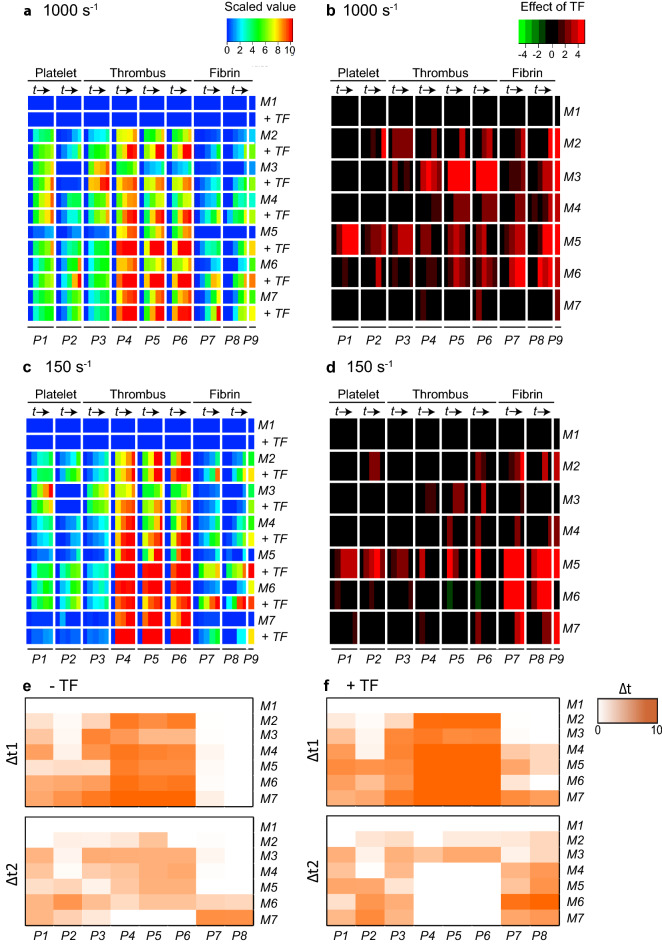
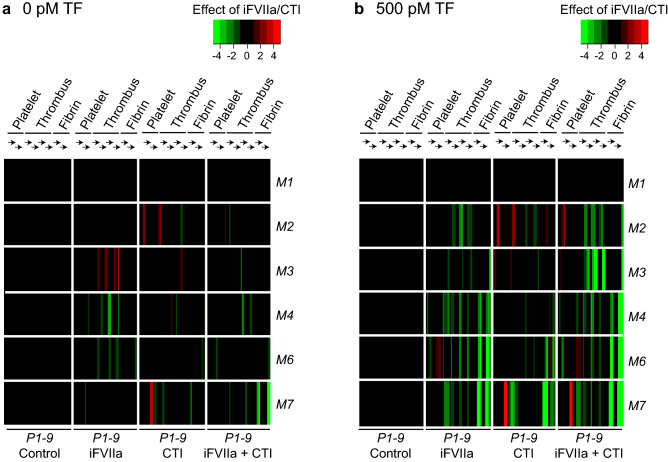
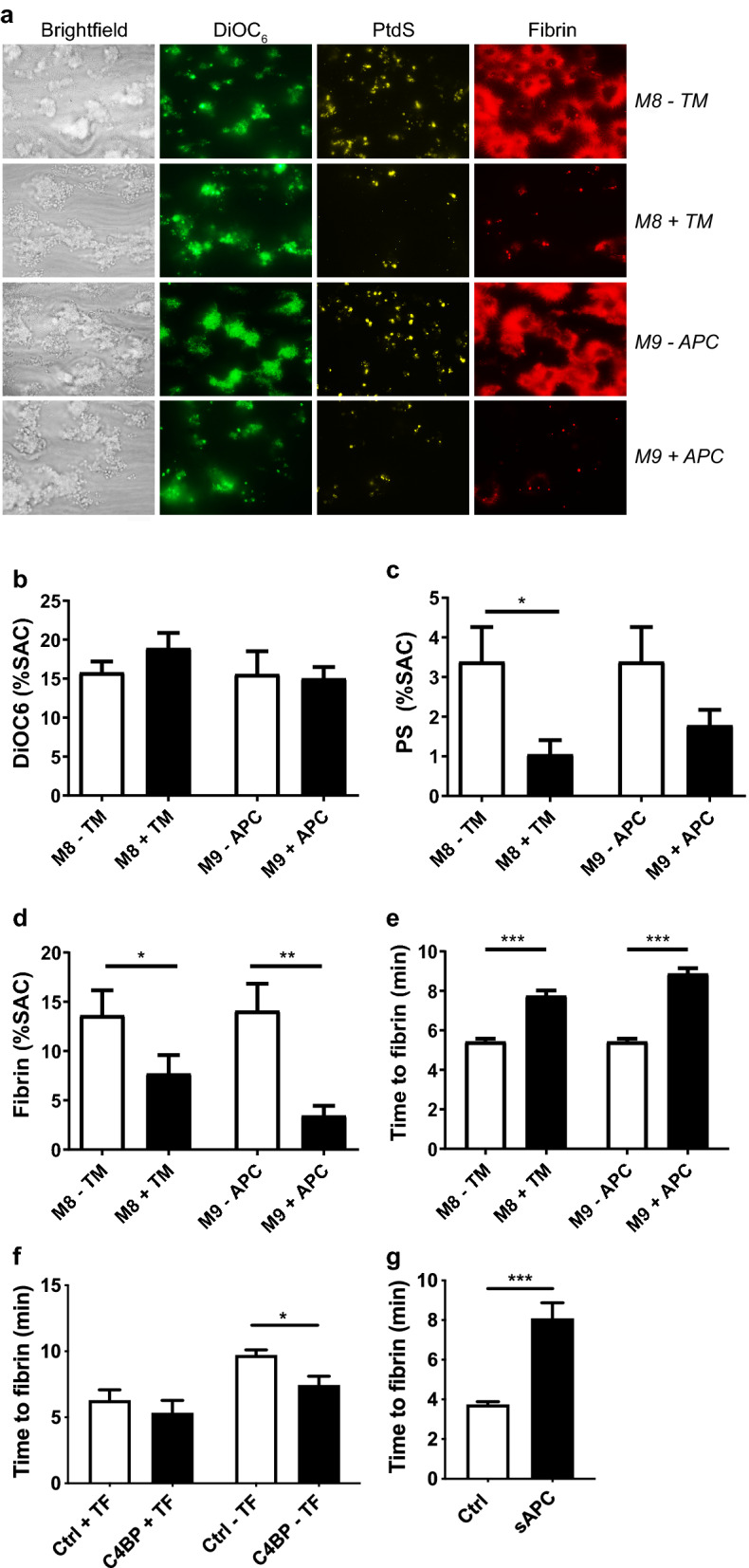
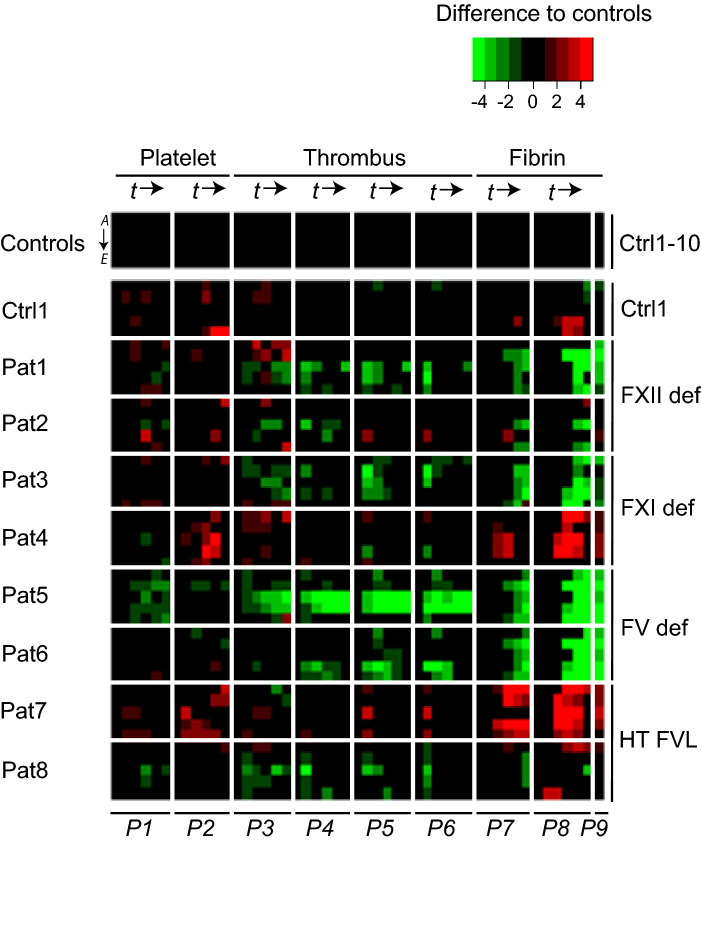
In haemostasis and thrombosis, platelet, coagulation and anticoagulation pathways act together to produce fibrin-containing thrombi. We developed a microspot-based technique, in which we assessed platelet adhesion, platelet activation, thrombus structure and fibrin clot formation in real time using flowing whole blood. Microspots were made from distinct platelet-adhesive surfaces in the absence or presence of tissue factor, thrombomodulin or activated protein C. Kinetics of platelet activation, thrombus structure and fibrin formation were assessed by fluorescence microscopy. This work revealed: (1) a priming role of platelet adhesion in thrombus contraction and subsequent fibrin formation; (2) a surface-independent role of tissue factor, independent of the shear rate; (3) a mechanism of tissue factor-enhanced activation of the intrinsic coagulation pathway; (4) a local, suppressive role of the anticoagulant thrombomodulin/protein C pathway under flow. Multiparameter analysis using blood samples from patients with (anti)coagulation disorders indicated characteristic defects in thrombus formation, in cases of factor V, XI or XII deficiency; and in contrast, thrombogenic effects in patients with factor V-Leiden. Taken together, this integrative phenotyping approach of platelet-fibrin thrombus formation has revealed interaction mechanisms of platelet-primed key haemostatic pathways with alterations in patients with (anti)coagulation defects. It can help as an important functional add-on whole-blood phenotyping.
在止血和血栓形成中,血小板、凝血和抗凝途径协同作用产生含有纤维蛋白的血栓。我们开发了一种基于微点的技术,使用流动全血实时评估血小板黏附、血小板激活、血栓结构和纤维蛋白凝块形成。微点由血小板黏附表面的不同部位组成,存在或不存在组织因子、血栓调节蛋白或激活蛋白 C。通过荧光显微镜评估血小板激活、血栓结构和纤维蛋白形成的动力学。这项工作揭示了:(1)血小板黏附在血栓收缩和随后的纤维蛋白形成中的启动作用;(2)组织因子在剪切率独立的情况下具有表面非依赖性作用;(3)组织因子增强内源性凝血途径激活的机制;(4)在流动条件下抗凝血栓调节蛋白/蛋白 C 途径的局部抑制作用。使用来自抗凝(抗)凝障碍患者的血液样本进行的多参数分析表明,在因子 V、XI 或 XII 缺乏的情况下,血栓形成存在特征性缺陷;相反,在因子 V-Leiden 患者中存在血栓形成作用。总之,这种血小板-纤维蛋白血栓形成的综合表型分析方法揭示了血小板启动的关键止血途径与抗凝(抗)凝缺陷患者的相互作用机制。它可以作为一种重要的全血表型功能附加物。