Cardiovascular Division, Department of Medicine, Brigham and Women's Hospital, Harvard Medical School.
Boston University School of Medicine.
Curr Opin Cardiol. 2020 Sep;35(5):524-530. doi: 10.1097/HCO.0000000000000781.
In recent decades, the incidence of myocardial infarction (MI) has declined among the general population. However, MI rates in the young have not decreased as much as has been observed among older individuals. This review will focus on recent trends of MI in young patients, factors that may account for these trends, and implications for future prevention.
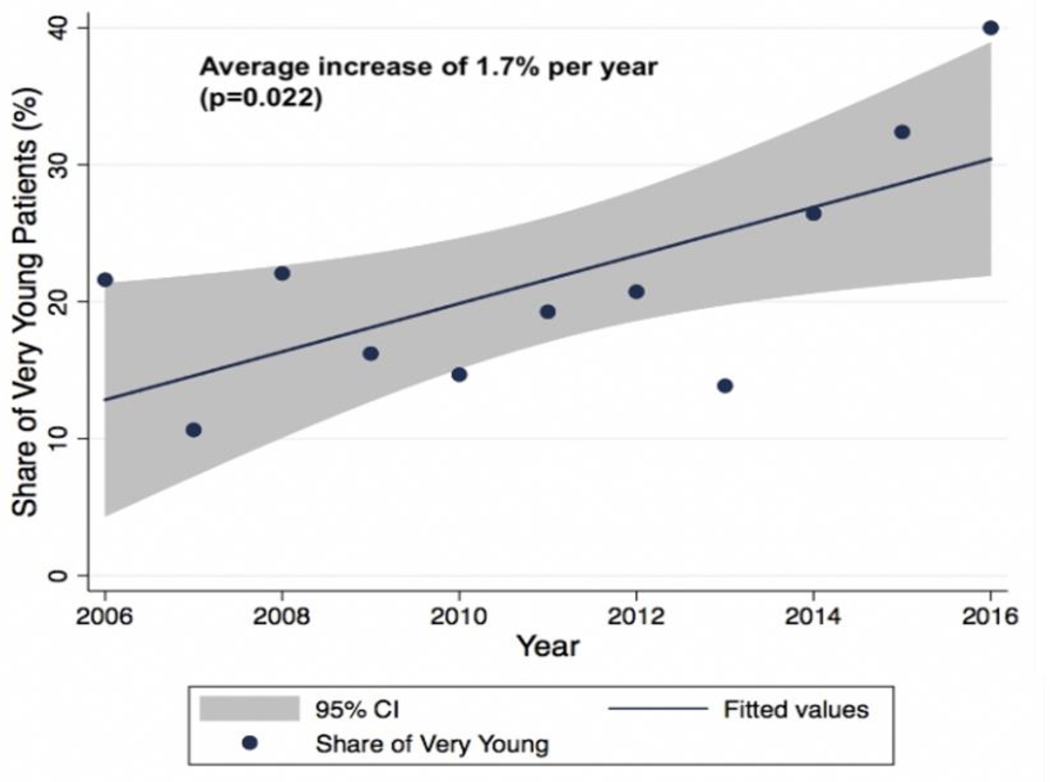
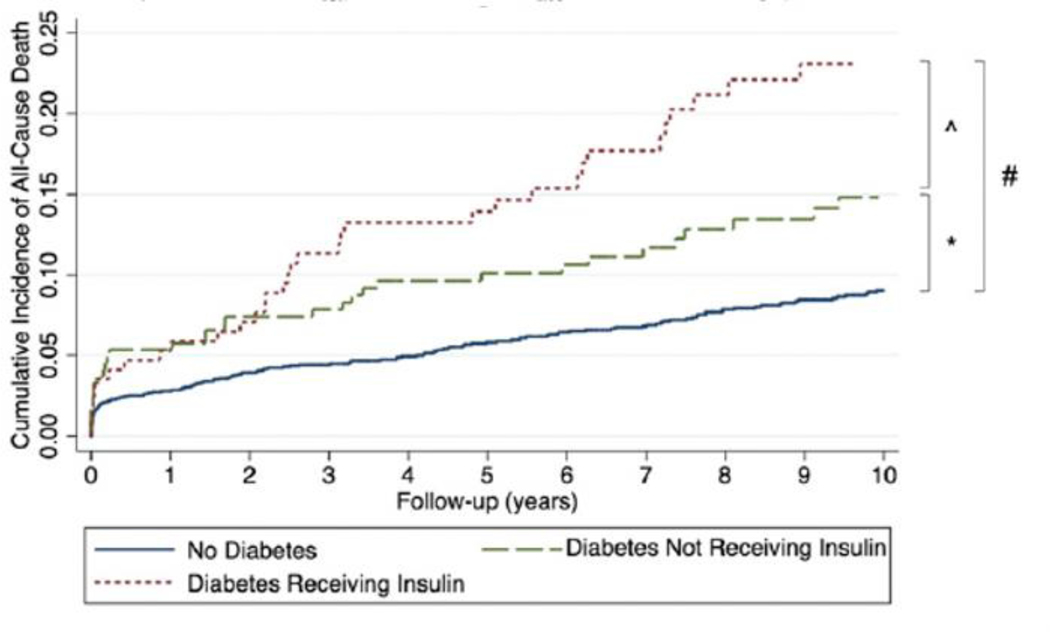
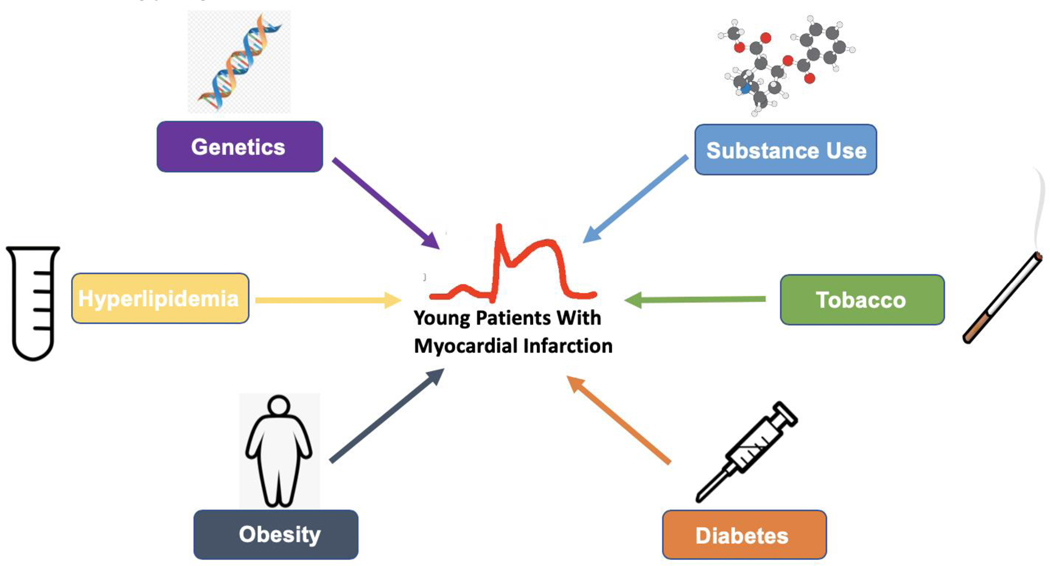
MI rates in young patients, particularly in women, have not decreased in the same fashion as they have for their older counterparts, with some studies reporting an increase. The reasons for these findings include underestimation of cardiovascular risk, and accordingly treatment, in the young, as well as an increasing prevalence of risk factors such as obesity and diabetes.
Better recognition and treatment of cardiovascular risk factors among young adults may improve outcomes. There is a need for improved methods to assess and treat cardiovascular risk in young individuals.
近几十年来,心肌梗死(MI)的发病率在普通人群中有所下降。然而,年轻人的 MI 发病率并没有像老年人那样下降那么多。这篇综述将重点关注年轻患者的 MI 近期趋势、可能导致这些趋势的因素,以及对未来预防的影响。
年轻患者,特别是女性,的 MI 发病率并没有像他们的老年患者那样下降,一些研究报告发病率有所上升。这些发现的原因包括对年轻人的心血管风险估计不足,因此治疗也不足,以及肥胖症和糖尿病等危险因素的患病率不断上升。
更好地识别和治疗年轻人的心血管危险因素可能会改善预后。需要改进方法来评估和治疗年轻人的心血管风险。