Katayama Takayuki, Sawada Jun, Takahashi Kae, Yahara Osamu
Department of Neurology, Asahikawa City Hospital, 1-1-65 Kinseicho, Asahikawa 070-8610, Japan.
Department of Neurology, Asahikawa Medical University Hospital, Asahikawa 078-8510, Japan.
Brain Sci. 2020 Jul 20;10(7):466. doi: 10.3390/brainsci10070466.
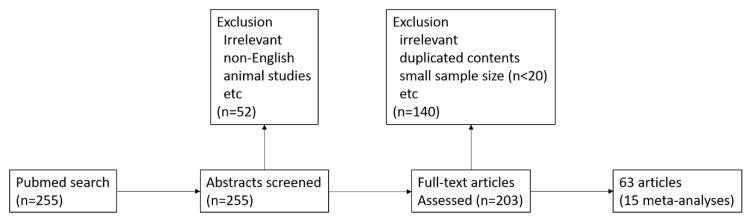
Parkinson's disease (PD) is a common neurodegenerative disorder; however, well-established biochemical markers have not yet been identified. This review article covers several candidate cerebrospinal fluid (CSF) biomarkers for PD based on the recent literature and meta-analysis data. The decrease of α-synuclein in PD is supported by meta-analyses with modest reproducibility, and a decrease of amyloid β42 is seen as a prognostic marker for cognitive decline. Tau, phosphorylated tau (p-tau), and neurofilament light chains have been used to discriminate PD from other neurodegenerative disorders. This article also describes more hopeful biochemical markers, such as neurotransmitters, oxidative stress markers, and other candidate biomarkers.
帕金森病(PD)是一种常见的神经退行性疾病;然而,尚未确定成熟的生化标志物。这篇综述文章基于近期文献和荟萃分析数据,涵盖了几种用于帕金森病的脑脊液(CSF)候选生物标志物。α-突触核蛋白在帕金森病中的减少得到了具有适度可重复性的荟萃分析的支持,淀粉样β42的减少被视为认知衰退的预后标志物。 Tau、磷酸化tau(p-tau)和神经丝轻链已被用于区分帕金森病与其他神经退行性疾病。本文还描述了更有前景的生化标志物,如神经递质、氧化应激标志物和其他候选生物标志物。