1American Committee on Arthropod-Borne Viruses, American Society of Tropical Medicine and Hygiene, Arlington, Virginia.
2National Institute of Allergy and Infectious Diseases, National Institutes of Health, Bethesda, Maryland.
Am J Trop Med Hyg. 2020 Sep;103(3):955-959. doi: 10.4269/ajtmh.20-0849.
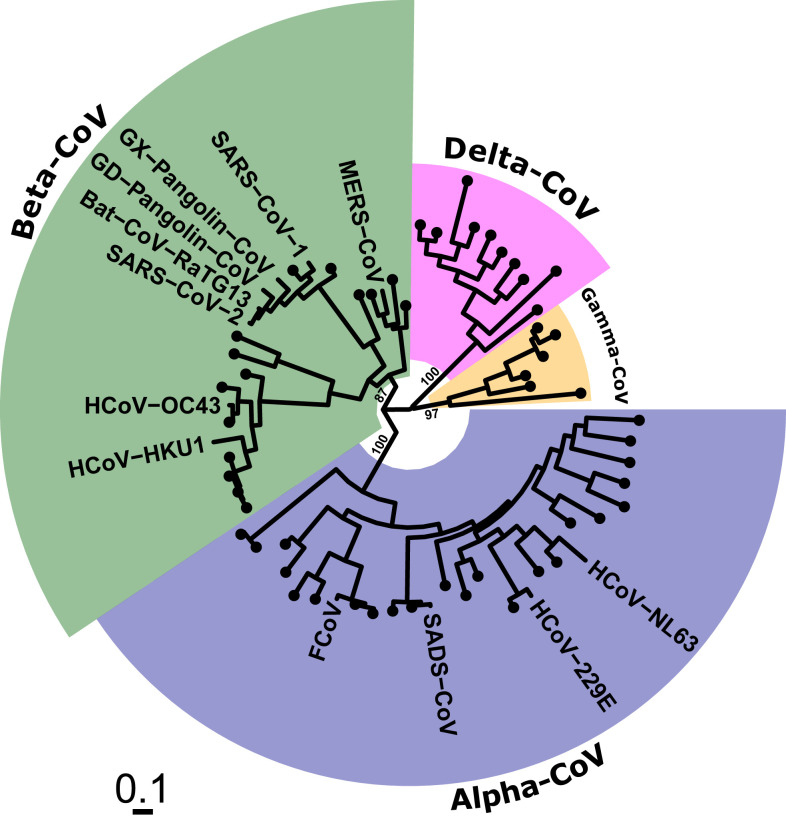
The COVID-19 pandemic is among the deadliest infectious diseases to have emerged in recent history. As with all past pandemics, the specific mechanism of its emergence in humans remains unknown. Nevertheless, a large body of virologic, epidemiologic, veterinary, and ecologic data establishes that the new virus, SARS-CoV-2, evolved directly or indirectly from a β-coronavirus in the sarbecovirus (SARS-like virus) group that naturally infect bats and pangolins in Asia and Southeast Asia. Scientists have warned for decades that such sarbecoviruses are poised to emerge again and again, identified risk factors, and argued for enhanced pandemic prevention and control efforts. Unfortunately, few such preventive actions were taken resulting in the latest coronavirus emergence detected in late 2019 which quickly spread pandemically. The risk of similar coronavirus outbreaks in the future remains high. In addition to controlling the COVID-19 pandemic, we must undertake vigorous scientific, public health, and societal actions, including significantly increased funding for basic and applied research addressing disease emergence, to prevent this tragic history from repeating itself.
新型冠状病毒肺炎(COVID-19)疫情是近代历史上出现的最致命传染病之一。与所有过去的大流行一样,其在人类中出现的确切机制仍不清楚。然而,大量病毒学、流行病学、兽医和生态学数据表明,新型病毒 SARS-CoV-2 直接或间接来源于在亚洲和东南亚自然感染蝙蝠和穿山甲的贝塔冠状病毒(类 SARS 病毒)组中的一种冠状病毒。几十年来,科学家们一直警告称,此类贝塔冠状病毒随时可能再次出现,确定了风险因素,并主张加强大流行的预防和控制工作。不幸的是,几乎没有采取此类预防措施,导致 2019 年底最新检测到的冠状病毒迅速传播并引发大流行。未来发生类似冠状病毒爆发的风险仍然很高。除了控制 COVID-19 大流行之外,我们还必须采取强有力的科学、公共卫生和社会行动,包括大幅增加针对疾病出现的基础和应用研究的资金,以防止重蹈覆辙。