Department of Biomedical Engineering, The University of Texas at Austin, Austin, TX 78712, USA.
McKetta Department of Chemical Engineering, The University of Texas at Austin, Austin, TX 78712, USA.
Adv Drug Deliv Rev. 2020;158:17-35. doi: 10.1016/j.addr.2020.07.015. Epub 2020 Jul 21.
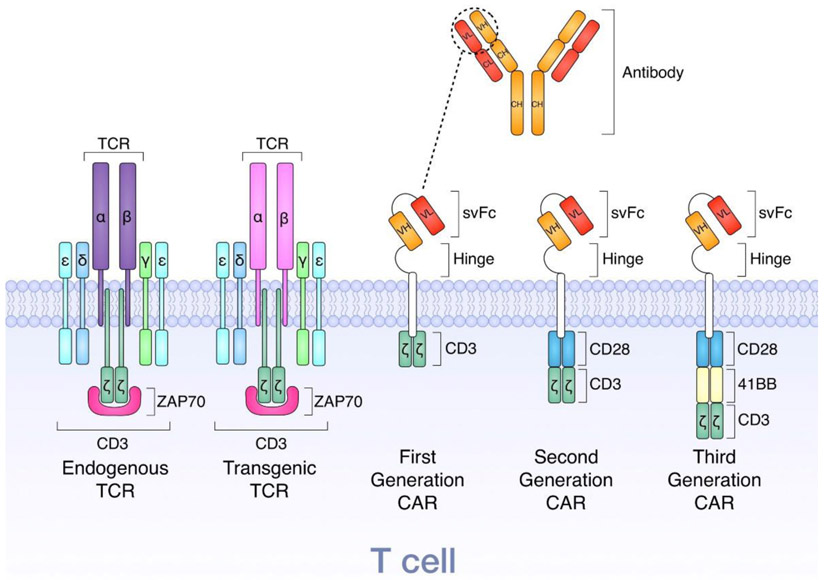
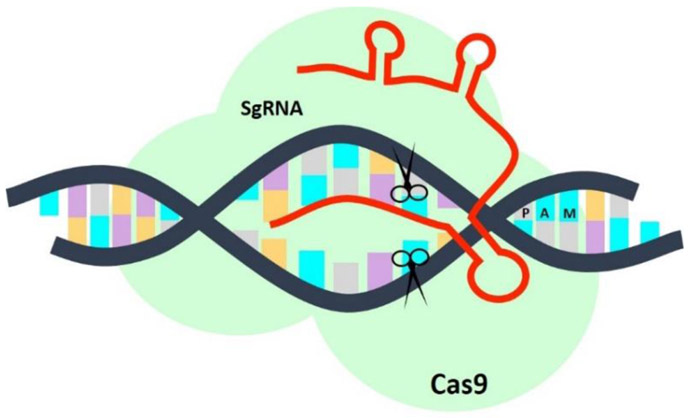
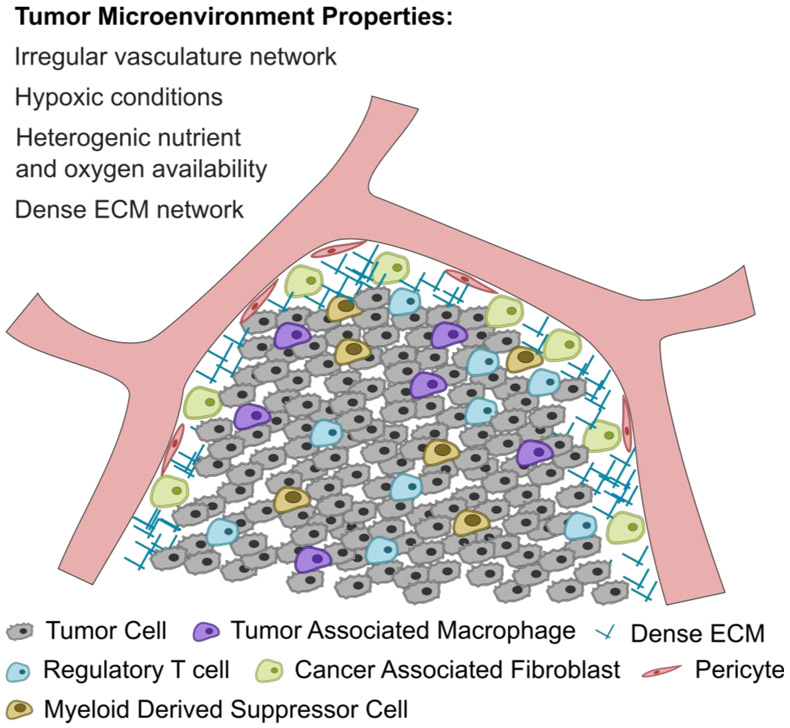
Genetically engineered immune cells with chimeric antigen receptors (CAR) or modified T cell receptors (TCR) have demonstrated their potential as a potent class of new cancer therapeutic strategy. Despite the clinical success of autologous CD19 CAR T cells in hematological malignancies, allogeneic T cells exhibit many advantages over their autologous counterparts and have recently gathered widespread attention due to the emergence of multiplex genome editing techniques, particularly CRISPR/Cas systems. Furthermore, genetically engineered T cells face a host of major challenges in solid tumors that are not as significant for blood cancers such as T cell targeted delivery, target specificity, proliferation, persistence, and the immunosuppressive tumor microenvironment. We take this opportunity to analyze recent strategies to develop allogeneic T cells, specifically in consideration of CRISPR/Cas and its delivery systems for multiplex gene editing. Additionally, we discuss the current methods used to delivery CRISPR/Cas systems for immunotherapeutic applications, and the challenges to continued development of novel delivery systems. We also provide a comprehensive analysis of the major challenges that genetically engineered T cells face in solid tumors along with the most recent strategies to overcome these barriers, with an emphasis on CRISPR-based approaches. We illustrate the synergistic prospects for how the combination of synthetic biology and immune-oncology could pave the way for designing the next generation of precision cancer therapy.
基因工程免疫细胞嵌合抗原受体 (CAR) 或修饰的 T 细胞受体 (TCR) 已证明它们是一类新的癌症治疗策略的强大潜力。尽管自体 CD19 CAR T 细胞在血液恶性肿瘤中的临床成功,但同种异体 T 细胞具有许多优于自体 T 细胞的优势,并且由于多重基因组编辑技术的出现,特别是 CRISPR/Cas 系统,最近引起了广泛关注。此外,基因工程 T 细胞在实体瘤中面临许多重大挑战,而这些挑战在血液癌(如 T 细胞靶向递送、靶标特异性、增殖、持久性和免疫抑制肿瘤微环境)中并不明显。我们借此机会分析了开发同种异体 T 细胞的最新策略,特别是考虑了 CRISPR/Cas 及其用于多重基因编辑的递送系统。此外,我们还讨论了用于免疫治疗应用的 CRISPR/Cas 系统的当前递送方法,以及对新型递送系统持续发展的挑战。我们还全面分析了基因工程 T 细胞在实体瘤中面临的主要挑战,以及克服这些障碍的最新策略,重点是基于 CRISPR 的方法。我们说明了合成生物学和免疫肿瘤学的结合如何为设计下一代精准癌症治疗铺平道路的协同前景。