Department of Laboratory Medicine, Yale University School of Medicine, New Haven, Conn; Department of Immunobiology, Yale University School of Medicine, New Haven, Conn.
Jackson Laboratory for Genomic Medicine, Farmington, Conn.
J Allergy Clin Immunol. 2021 Feb;147(2):470-483. doi: 10.1016/j.jaci.2020.04.063. Epub 2020 Jul 21.
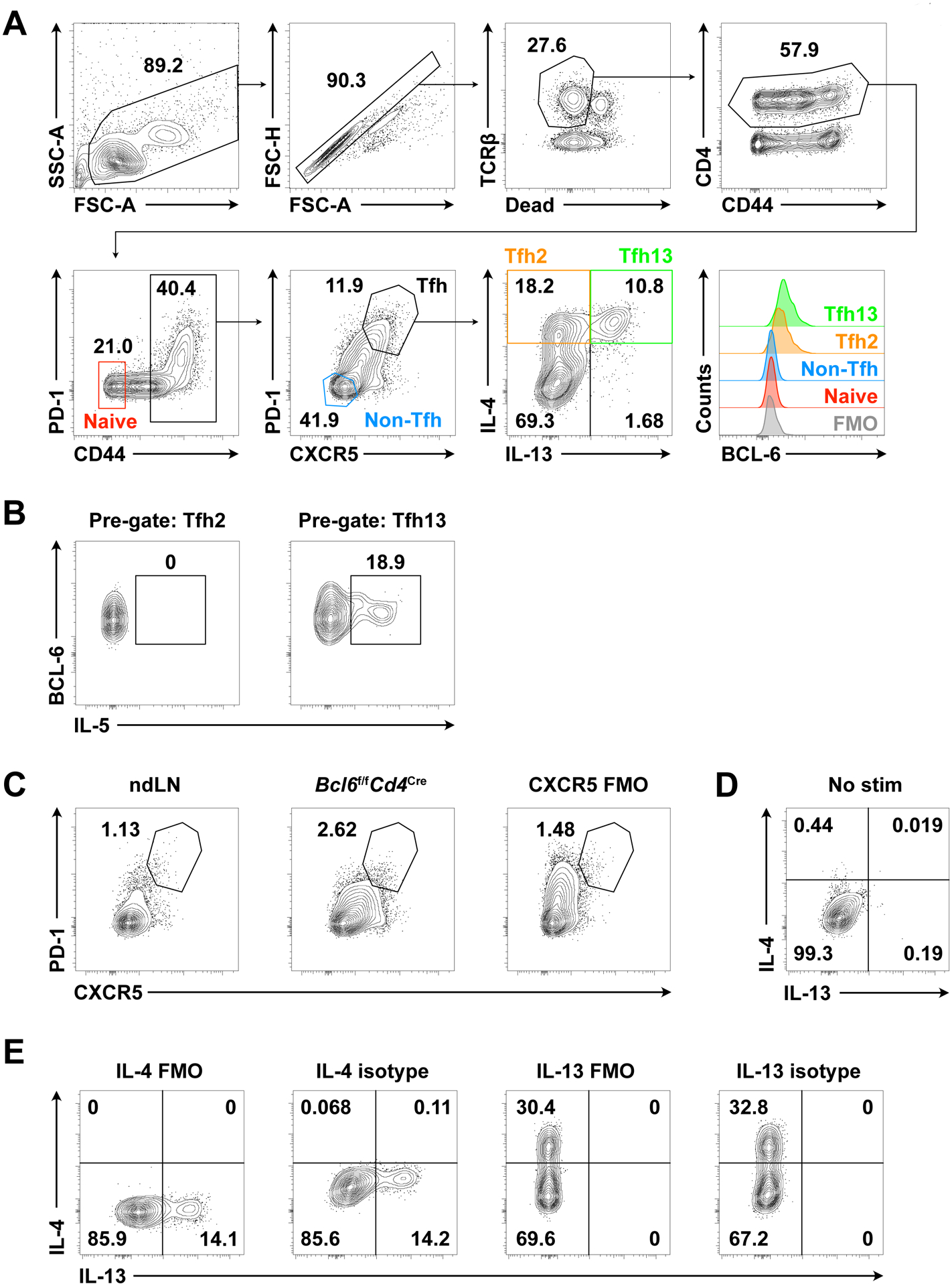
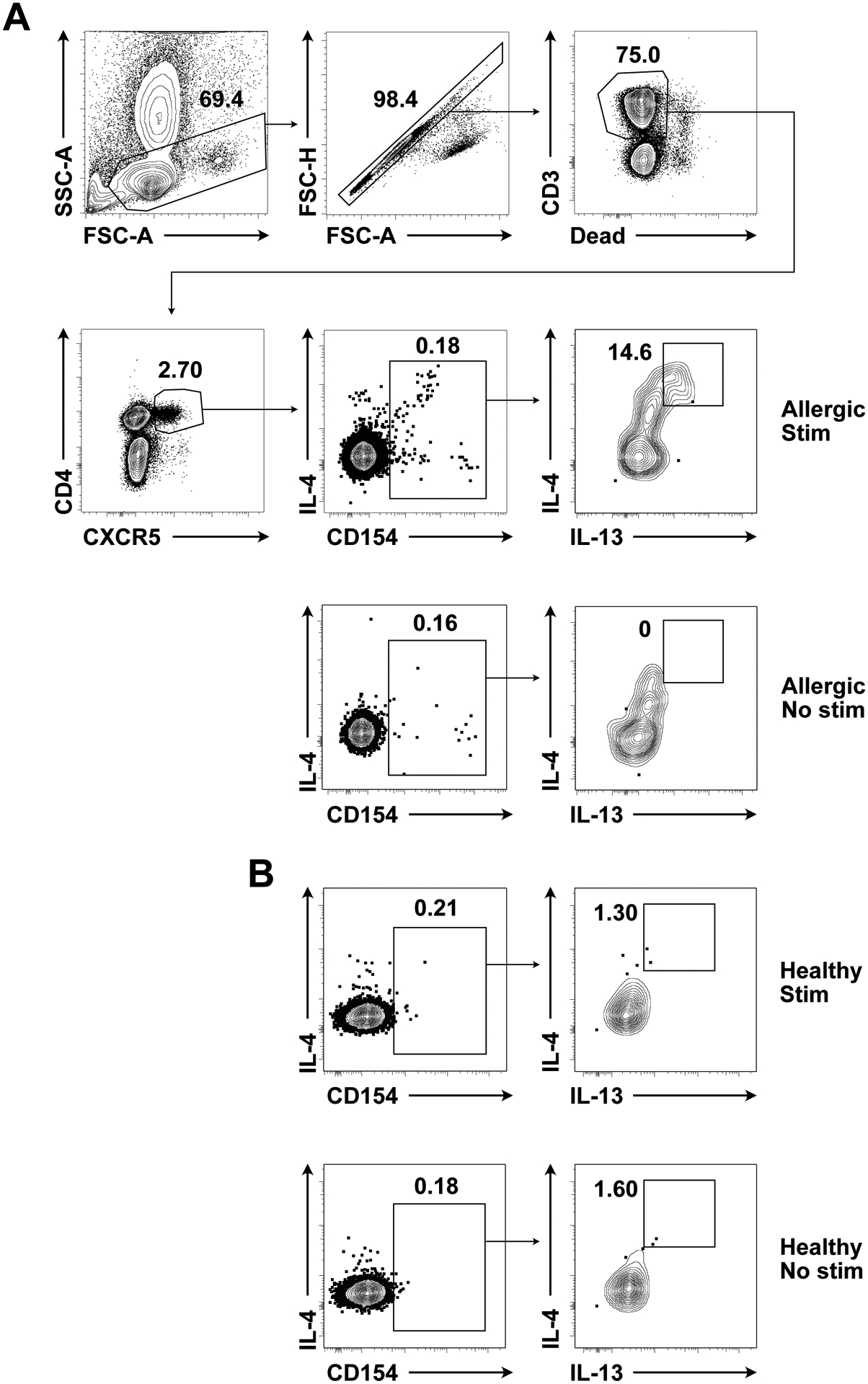
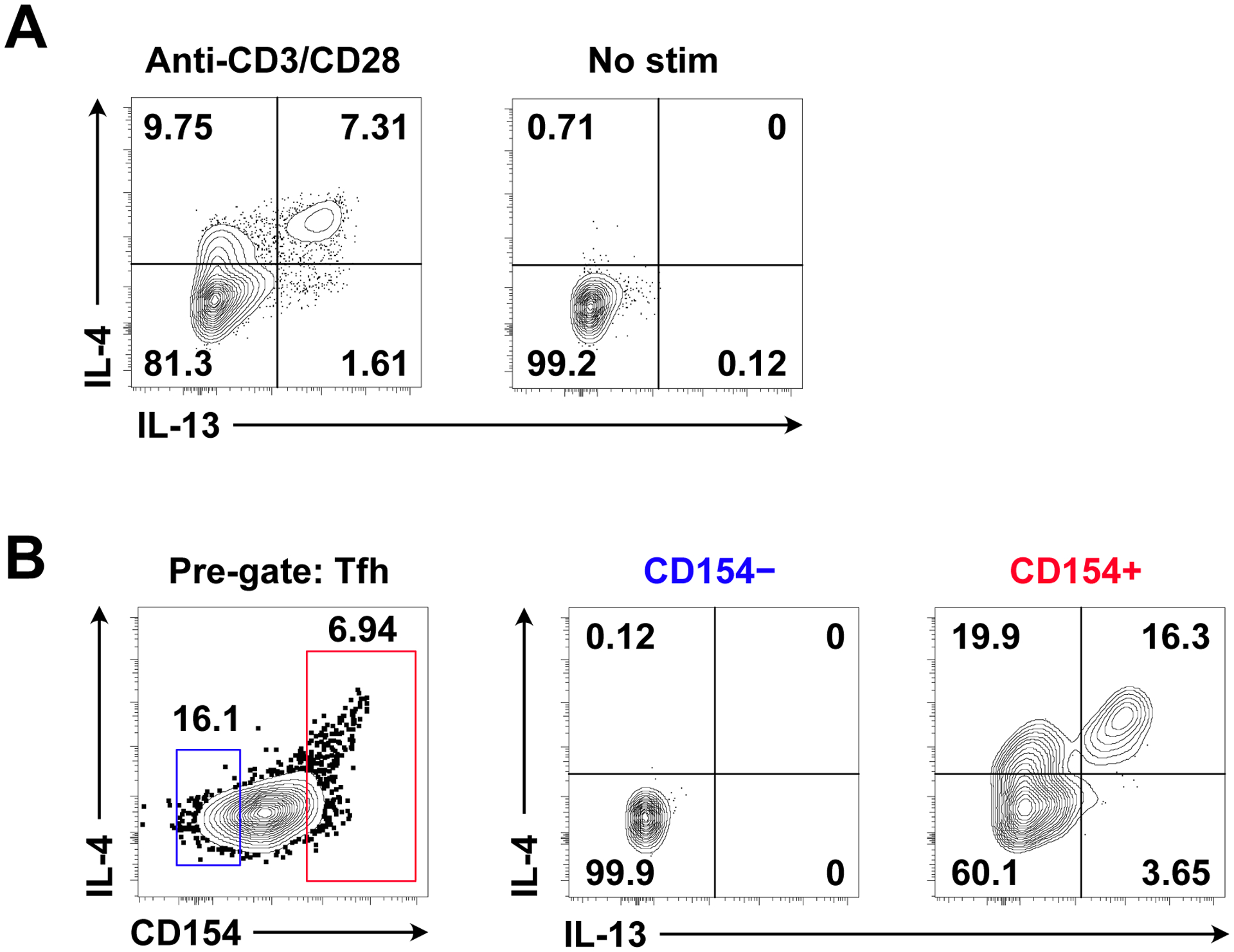
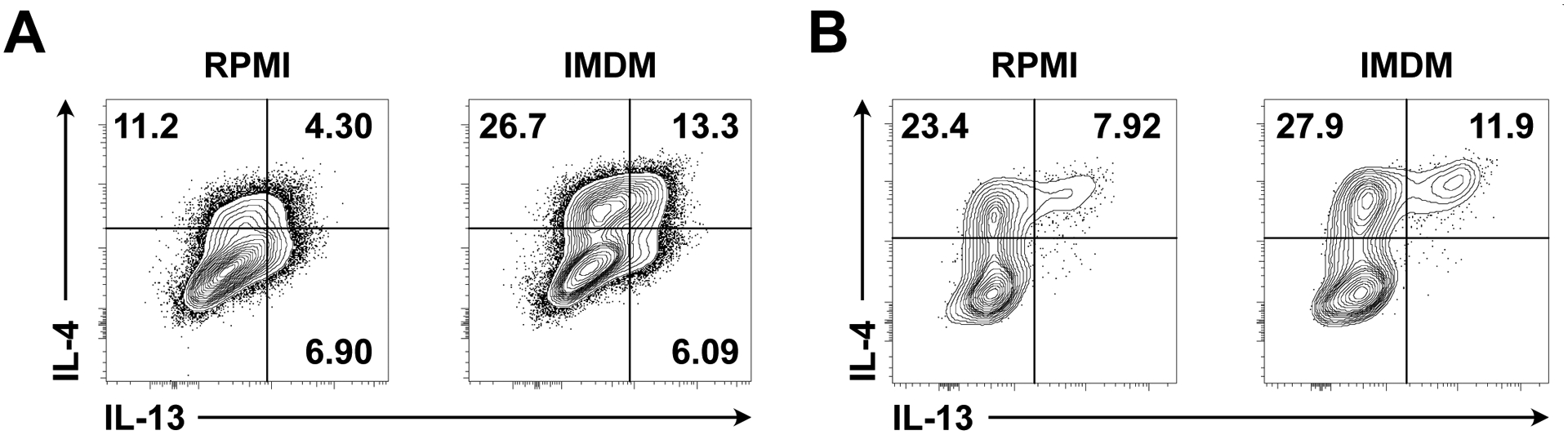
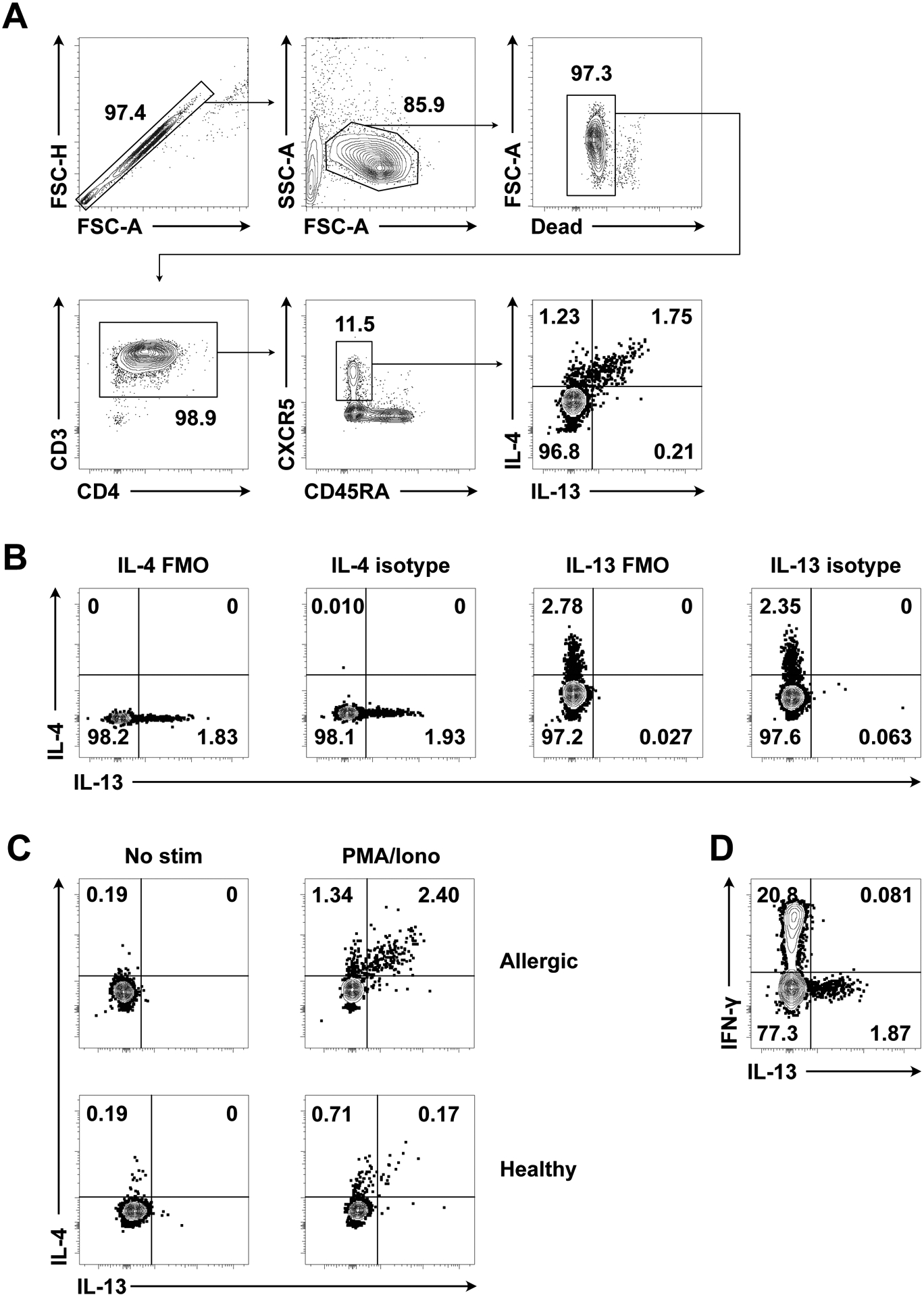
Anaphylaxis is a life-threatening allergic reaction caused by cross-linking of high-affinity IgE antibodies on the surface of mast cells and basophils. Understanding the cellular mechanisms that lead to high-affinity IgE production is required to develop better therapeutics for preventing this severe reaction. A recently discovered population of T follicular helper T13 cells regulates the production of high-affinity IgE in mouse models of allergy and can also be found in patients with allergies with IgE antibodies against food or aeroallergens. Here we describe optimized protocols for identifying T13 cells in both mice and humans.
过敏反应是一种危及生命的过敏反应,由肥大细胞和嗜碱性粒细胞表面高亲和力 IgE 抗体的交联引起。为了开发更好的治疗方法来预防这种严重反应,需要了解导致高亲和力 IgE 产生的细胞机制。最近发现的一群 T 滤泡辅助 T13 细胞调节过敏小鼠模型中高亲和力 IgE 的产生,也可以在对食物或空气过敏原 IgE 抗体过敏的患者中找到。在这里,我们描述了在小鼠和人类中鉴定 T13 细胞的优化方案。