Nervous System Development and Plasticity Section, The Eunice Kennedy Shriver National Institute of Child Health and Human Development, Bethesda, MD, USA.
Neuroscientist. 2021 Aug;27(4):355-366. doi: 10.1177/1073858420943515. Epub 2020 Jul 30.
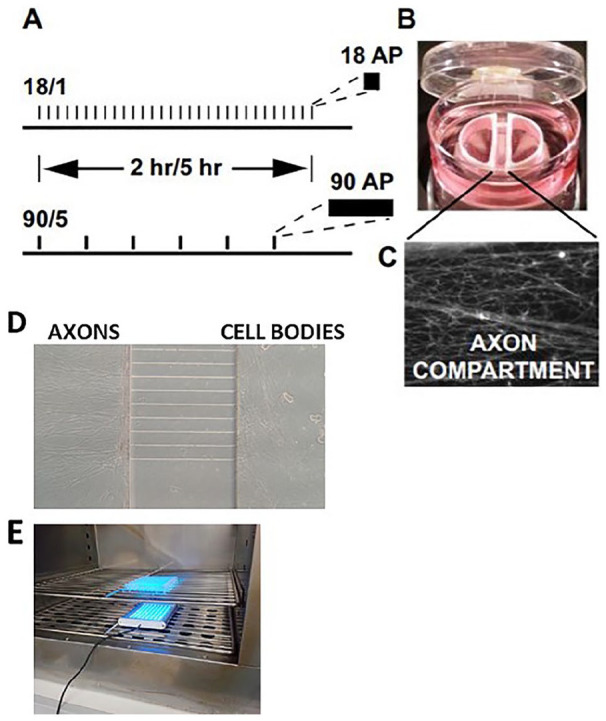
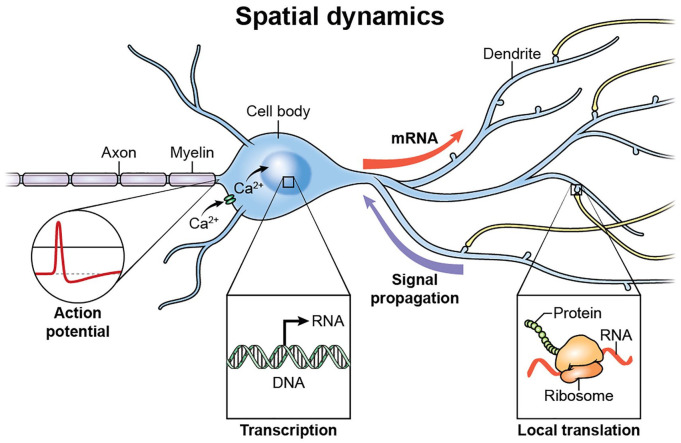
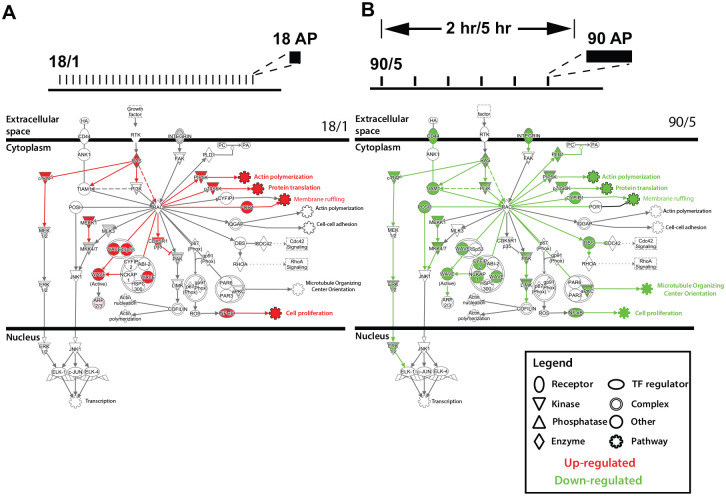
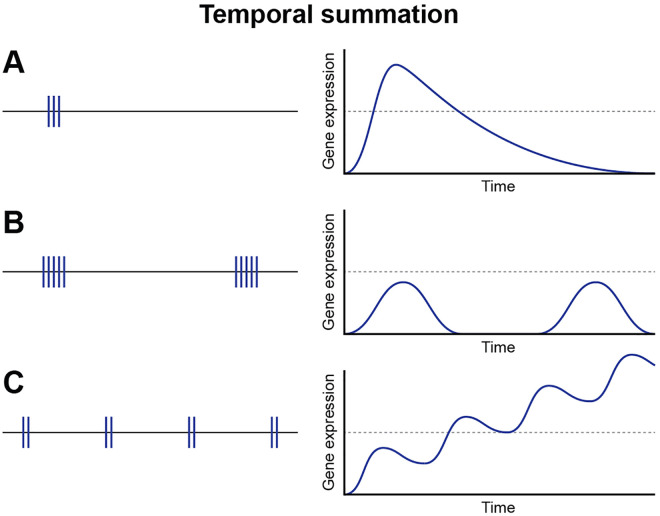
The function of the nervous system in conveying and processing information necessary to interact with the environment confers unique aspects on how the expression of genes in neurons is regulated. Three salient factors are that (1) neurons are the largest and among the most morphologically complex of all cells, with strict polarity, subcellular compartmentation, and long-distant transport of gene products, signaling molecules, and other materials; (2) information is coded in the temporal firing pattern of membrane depolarization; and (3) neurons must maintain a stable homeostatic level of activation to function so stimuli do not normally drive intracellular signaling to steady state. Each of these factors can require special methods of analysis differing from approaches used in non-neuronal cells. This review considers these three aspects of neuronal gene expression and the current approaches being used to analyze these special features of how the neuronal transcriptome is modulated by action potential firing.
神经系统在传递和处理与环境相互作用所需的信息方面的功能赋予了神经元中基因表达调控的独特方面。三个显著因素是:(1)神经元是所有细胞中最大和形态最复杂的细胞之一,具有严格的极性、亚细胞区室化和基因产物、信号分子和其他物质的远距离运输;(2)信息是在膜去极化的时间放电模式中编码的;(3)神经元必须保持稳定的激活的稳态水平才能发挥功能,因此刺激通常不会将细胞内信号驱动到稳定状态。这些因素中的每一个都可能需要特殊的分析方法,这些方法与非神经元细胞中使用的方法不同。本综述考虑了神经元基因表达的这三个方面,以及当前用于分析动作电位激发如何调节神经元转录组的这些特殊特征的方法。