Plant-Microbe Systems, Leibniz Institute of Vegetable and Ornamental Crops (IGZ) e.V., Theodor-Echtermeyer-Weg 1, 14979, Großbeeren, Germany.
Institut für Biologie, Freie Universität Berlin, Altensteinstr. 6, 14195, Berlin, Germany.
Sci Rep. 2020 Jul 29;10(1):12704. doi: 10.1038/s41598-020-69468-z.
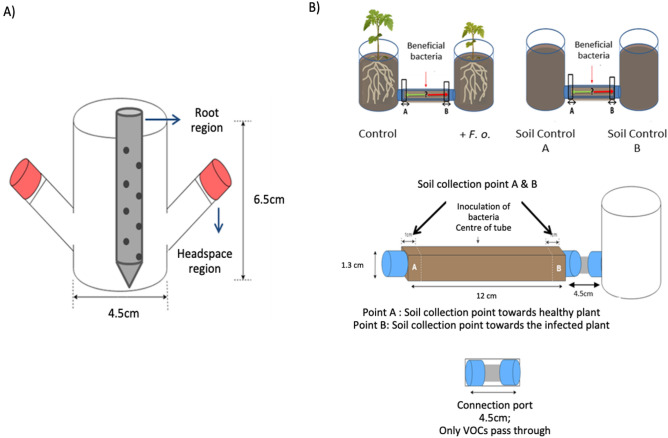
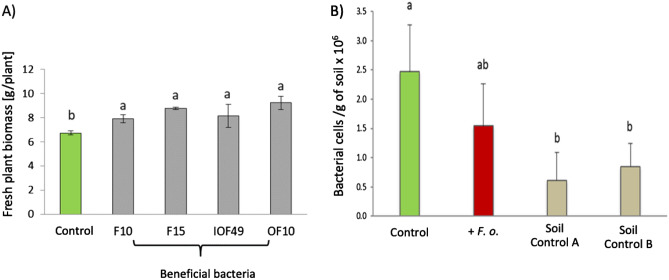
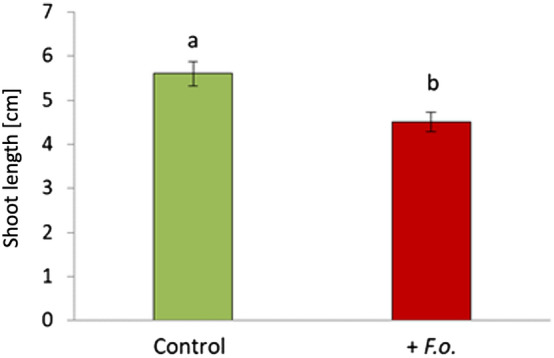
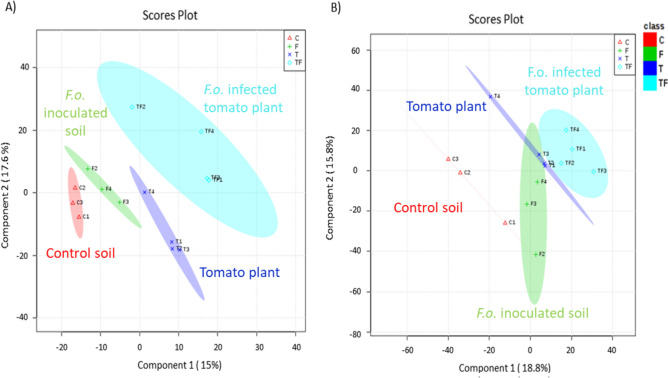
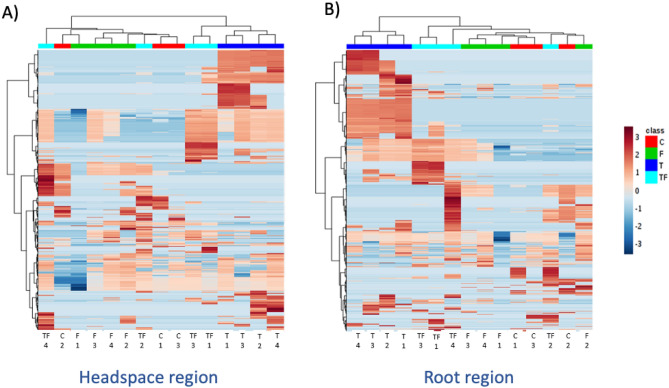
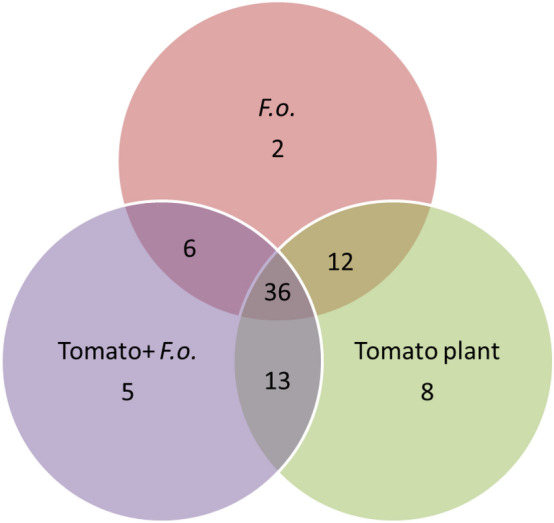
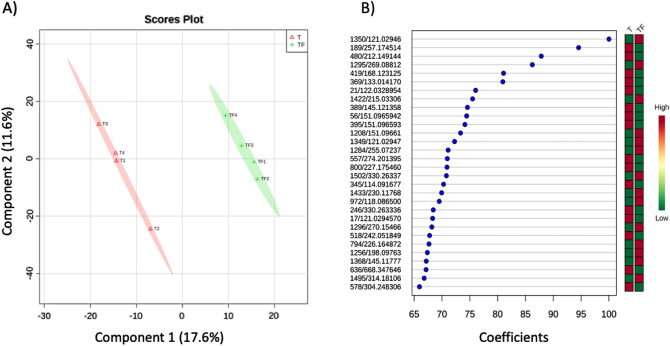
The role of root exudates in mediating plant-microbe interactions has been well documented. However, the function of volatile organic compounds (VOCs) emitted by plant roots has only recently begun to attract attention. This newly recognized relevance of belowground VOCs has so far mostly been tested using systems limited to a two-compartment Petri-dish design. Furthermore, many of the plant-microbe interaction studies have only investigated the effects of microbial VOCs on plant growth. Here, we go two steps further. First we investigated the volatile profile of healthy and pathogen (Fusarium oxysporum) infected tomato roots grown in soil. We then used a unique soil-based olfactometer-choice assay to compare the migration pattern of four beneficial bacteria (Bacillus spp.) towards the roots of the tomato plants. We demonstrate that the blend of root-emitted VOCs differs between healthy and diseased plants. Our results show that VOCs are involved in attracting bacteria to plant roots.
根分泌物在介导植物-微生物相互作用方面的作用已经得到了充分的证明。然而,植物根系释放的挥发性有机化合物(VOCs)的功能最近才开始引起关注。到目前为止,这种新发现的地下 VOCs 的相关性主要是通过使用仅限于两室 Petri 盘设计的系统来测试的。此外,许多植物-微生物相互作用的研究仅调查了微生物 VOCs 对植物生长的影响。在这里,我们更进一步。首先,我们调查了在土壤中生长的健康和受病原体(尖孢镰刀菌)感染的番茄根的挥发性特征。然后,我们使用独特的基于土壤的嗅觉计选择测定法来比较四种有益细菌(芽孢杆菌属)向番茄植物根部的迁移模式。我们证明了健康和患病植物之间根排放的 VOC 混合物存在差异。我们的结果表明,VOCs 参与了吸引细菌到植物根部的过程。