Department of Gastroenterology, University Hospitals Coventry and Warwickshire, Coventry, United Kingdom.
School of Engineering, University of Warwick, Coventry, United Kingdom.
PLoS One. 2020 Jul 31;15(7):e0236591. doi: 10.1371/journal.pone.0236591. eCollection 2020.
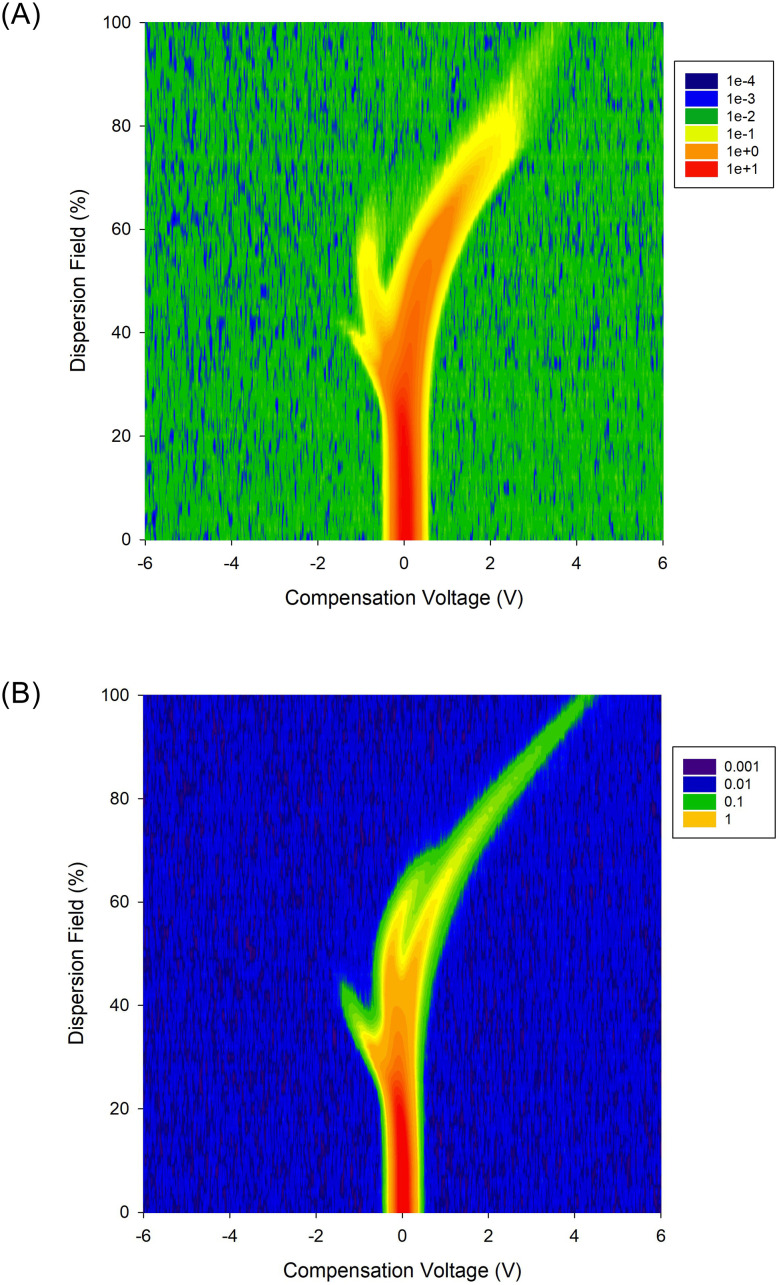
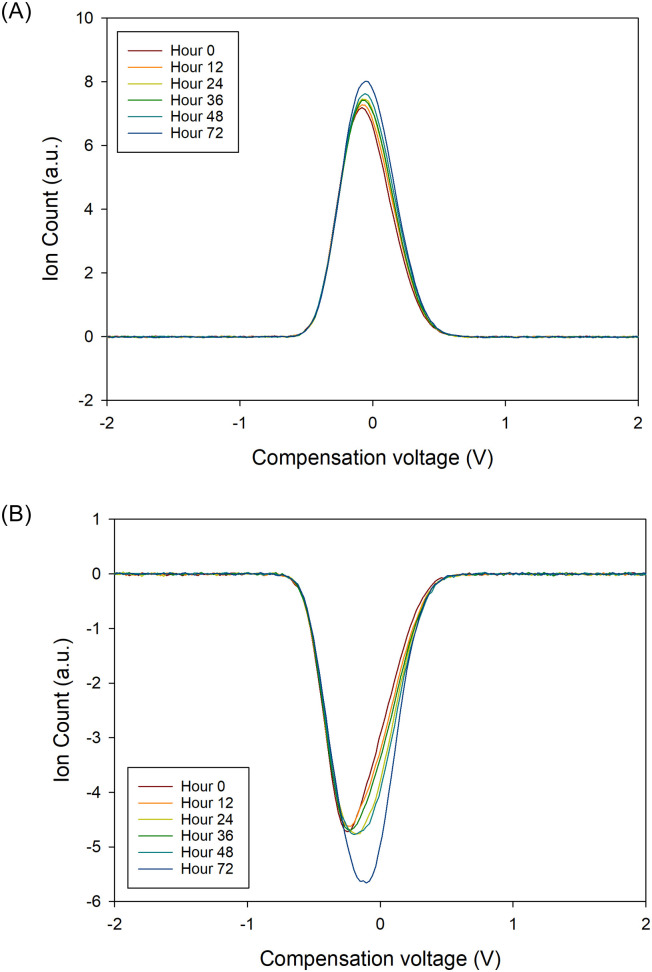
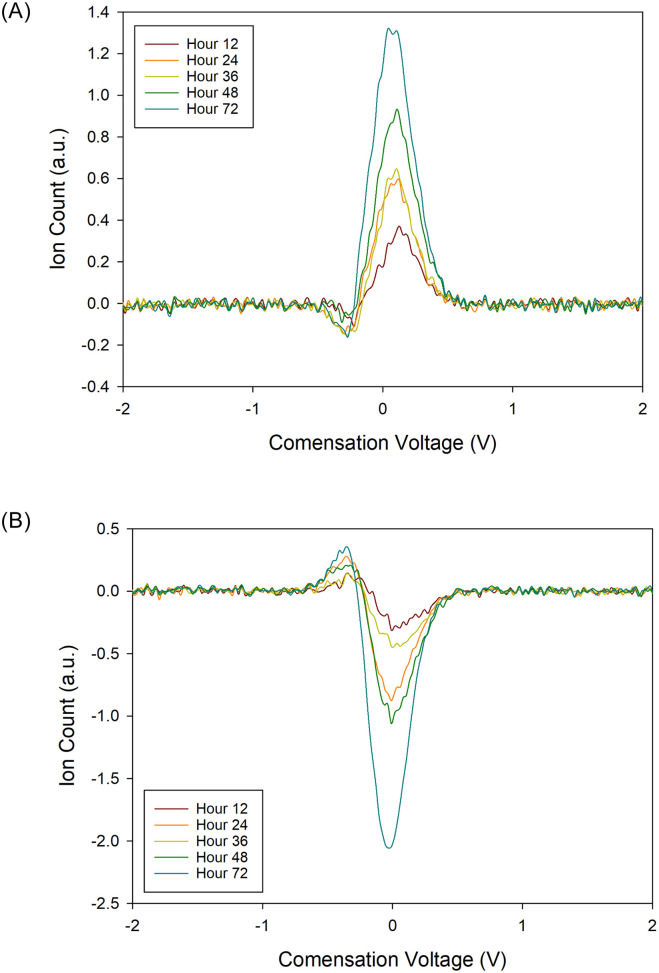
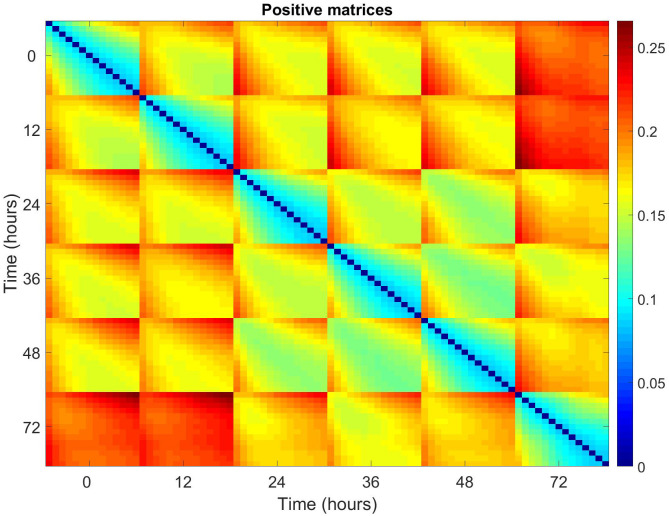
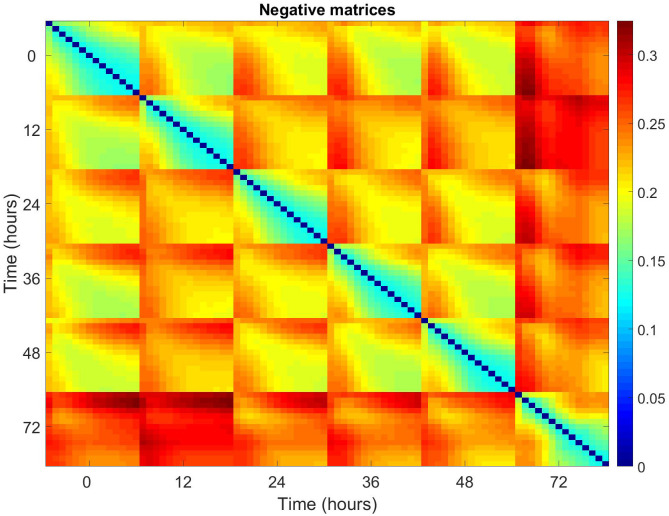
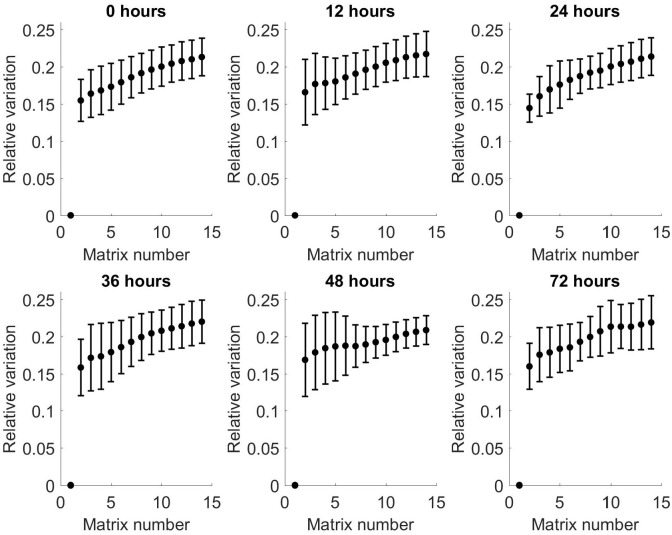
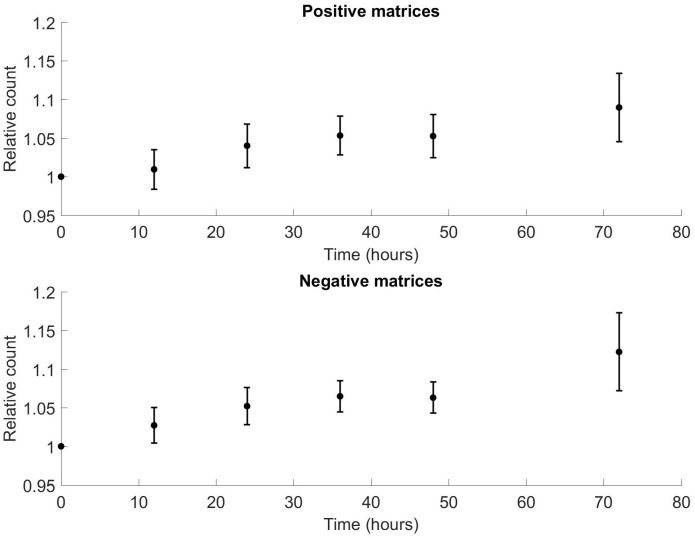
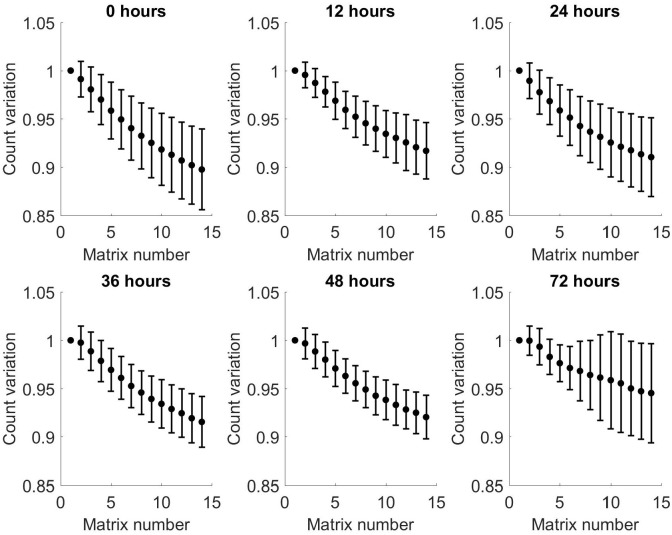
There has been rapidly accelerating interest in the utilization of volatile organic compounds (VOCs) as non-invasive methods for rapid point-of-care medical diagnostics. There is widespread variation in analytical methods and protocols, with little understanding of the effects of sample storage on VOC profiles. This study aimed to determine the effects on VOC profiles of different storage times, at room temperature, prior to freezing, of sealed urine samples from healthy individuals. Analysis using Field Asymmetric Ion Motility Spectrometry (FAIMS) determined the alterations in VOC and total ion count profiles as a result of increasing room temperature storage times. Results indicated that increasing exposure time to room temperature prior to freezing had a threefold effect. Firstly, increased urinary VOC profile variability, with a plateau phase between 12 and 48 hours, before further degradation. Secondly, an increase in total ion count with time exposed to room temperature. Finally, a deterioration in VOCs with each sample run during the analysis process. This provides new insight into the effect of storage of urine samples for VOC analysis using FAIMS technology. Results of this study provide a recommendation for a 12-hour maximum duration at room temperature prior to storage.
人们对利用挥发性有机化合物(VOCs)作为快速现场医疗诊断的非侵入性方法产生了浓厚的兴趣。分析方法和方案存在广泛的差异,而对于样品储存对 VOC 谱的影响知之甚少。本研究旨在确定在冷藏之前,将健康个体的密封尿液样本在室温下储存不同时间对 VOC 谱的影响。使用场不对称离子迁移谱法(FAIMS)分析确定了由于室温储存时间的增加而导致的 VOC 和总离子计数谱的变化。结果表明,在冷藏之前增加室温暴露时间有三重影响。首先,尿液 VOC 谱的变异性增加,在 12 至 48 小时之间达到平台期,然后进一步降解。其次,随着暴露于室温的时间的增加,总离子计数增加。最后,在分析过程中,每个样本的运行都会导致 VOC 恶化。这为使用 FAIMS 技术分析尿液样本时的储存提供了新的见解。本研究的结果为使用 FAIMS 技术分析尿液样本时提供了在冷藏之前在室温下储存的最长 12 小时的建议。