Department of Infection Biology, Faculty of Infectious and Tropical Diseases, London School of Hygiene & Tropical Medicine, Keppel Street, London, WC1E 7HT, UK.
School of Biomedical Sciences, Faculty of Health, Plymouth University, Drake Circus, Plymouth, PL4 8AA, UK.
J Proteomics. 2020 Sep 15;227:103925. doi: 10.1016/j.jprot.2020.103925. Epub 2020 Jul 28.
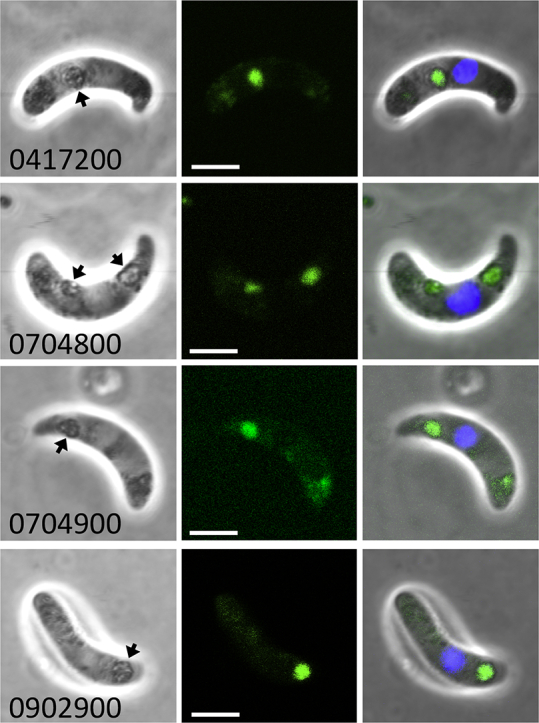
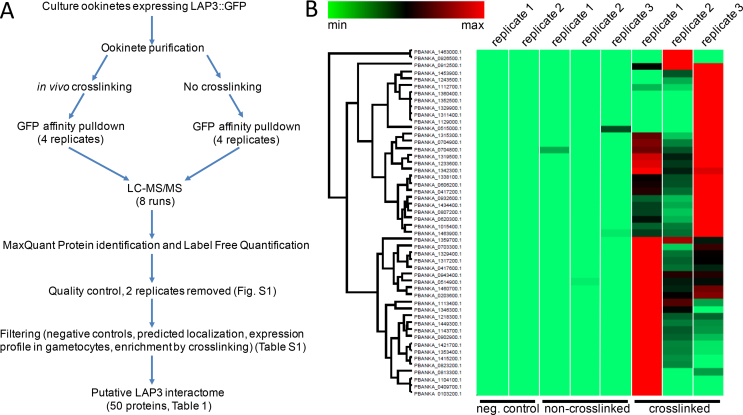
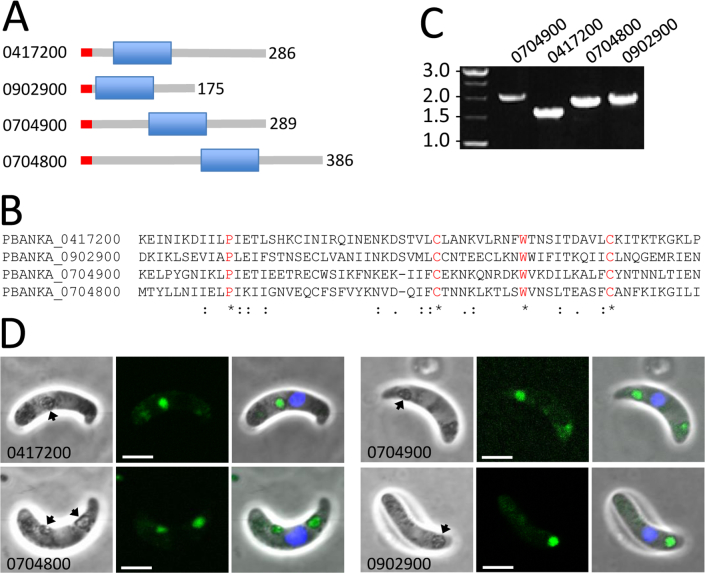
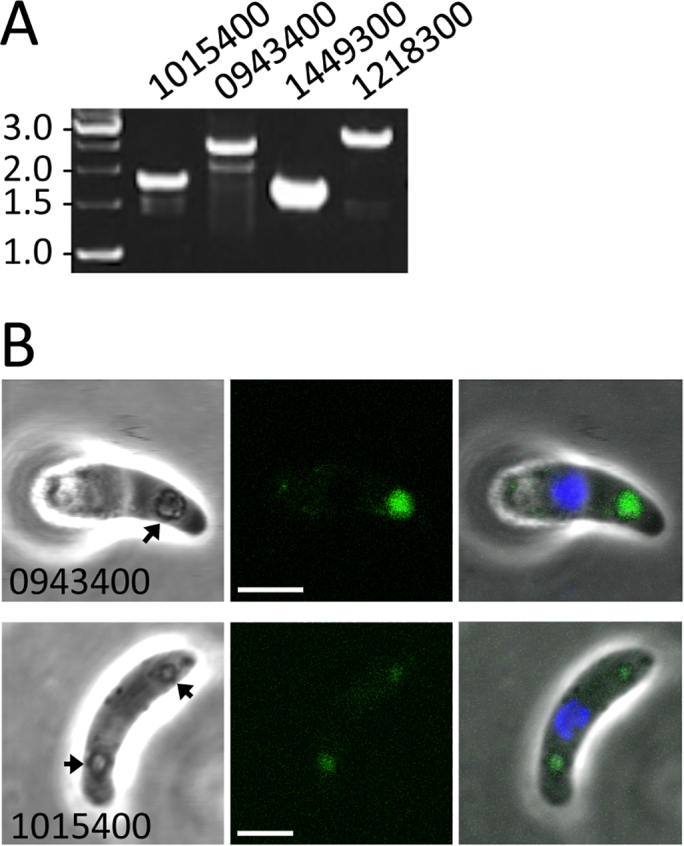
Passage of malaria parasites through mosquitoes involves multiple developmental transitions, from gametocytes that are ingested with the blood meal, through to sporozoites that are transmitted by insect bite to the host. During the transformation from gametocyte to oocyst, the parasite forms a unique transient organelle named the crystalloid, which is involved in sporozoite formation. In Plasmodium berghei, a complex of six LCCL domain-containing proteins (LAPs) reside in the crystalloid and are required for its biogenesis. However, little else is known about the molecular mechanisms that underlie the crystalloid's role in sporogony. In this study, we have used transgenic parasites stably expressing LAP3 fused to GFP, combined with GFP affinity pulldown and high accuracy mass spectrometry, to identify an extended LAP interactome of some fifty proteins. We show that many of these are targeted to the crystalloid, including members of two protein families with CPW-WPC and pleckstrin homology-like domains, respectively. Our findings indicate that the LAPs are part of an intricate protein complex, the formation of which facilitates both crystalloid targeting and biogenesis. SIGNIFICANCE: Reducing malaria parasite transmission by mosquitoes is a key component of malaria eradication and control strategies. This study sheds important new light on the molecular composition of the crystalloid, an enigmatic parasite organelle that is essential for sporozoite formation and transmission from the insect to the vertebrate host. Our findings provide new mechanistic insight into how proteins are delivered to the crystalloid, and indicate that the molecular mechanisms that underlie crystalloid function are complex, involving several protein families unique to Plasmodium and closely related organisms. The new crystalloid proteins identified will form a useful starting point for studies aimed at unravelling how the crystalloid organelle facilitates sporogony and transmission.
疟原虫通过蚊子传播涉及多个发育转变,从被血液摄入的配子体,到通过昆虫叮咬传播给宿主的孢子。在从配子体到卵囊的转变过程中,寄生虫形成一种名为晶状的独特瞬时细胞器,参与孢子形成。在伯氏疟原虫中,一组六个含有 LCCL 结构域的蛋白质(LAPs)位于晶状体内,对于其发生是必需的。然而,对于晶状在孢子发生中的作用的分子机制知之甚少。在这项研究中,我们使用稳定表达 GFP 融合的 LAP3 的转基因寄生虫,结合 GFP 亲和下拉和高精度质谱,鉴定了大约五十种蛋白质的扩展 LAP 相互作用组。我们表明,这些蛋白质中的许多都靶向晶状,包括分别具有 CPW-WPC 和pleckstrin 同源结构域的两个蛋白质家族的成员。我们的发现表明,LAPs 是一个复杂的蛋白质复合物的一部分,其形成促进了晶状的靶向和发生。意义:减少蚊子传播的疟原虫是疟疾根除和控制策略的关键组成部分。这项研究为晶状这一神秘的寄生虫细胞器的分子组成提供了重要的新见解,该细胞器对于孢子形成和从昆虫到脊椎动物宿主的传播是必不可少的。我们的发现为蛋白质递送到晶状提供了新的机制见解,并表明晶状功能的分子机制是复杂的,涉及到几种独特于疟原虫和密切相关生物的蛋白质家族。鉴定的新晶状蛋白将成为研究晶状细胞器如何促进孢子发生和传播的有用起点。