Liang Taotao, Sang Siyao, Shao Qi, Chen Chen, Deng Zhichao, Wang Ting, Kang Qiaozhen
School of Life Sciences, Zhengzhou University, Zhengzhou, China.
Cancer Cell Int. 2020 Jul 30;20:356. doi: 10.1186/s12935-020-01449-8. eCollection 2020.
EPB41L1 gene (erythrocyte membrane protein band 4.1 like 1) encodes the protein 4.1N, a member of 4.1 family, playing a vital role in cell adhesion and migration, which is associated with the malignant progression of various human cancers. However, the expression and prognostic significance of EPB41L1 in kidney renal clear cell carcinoma (KIRC) remain to be investigated.
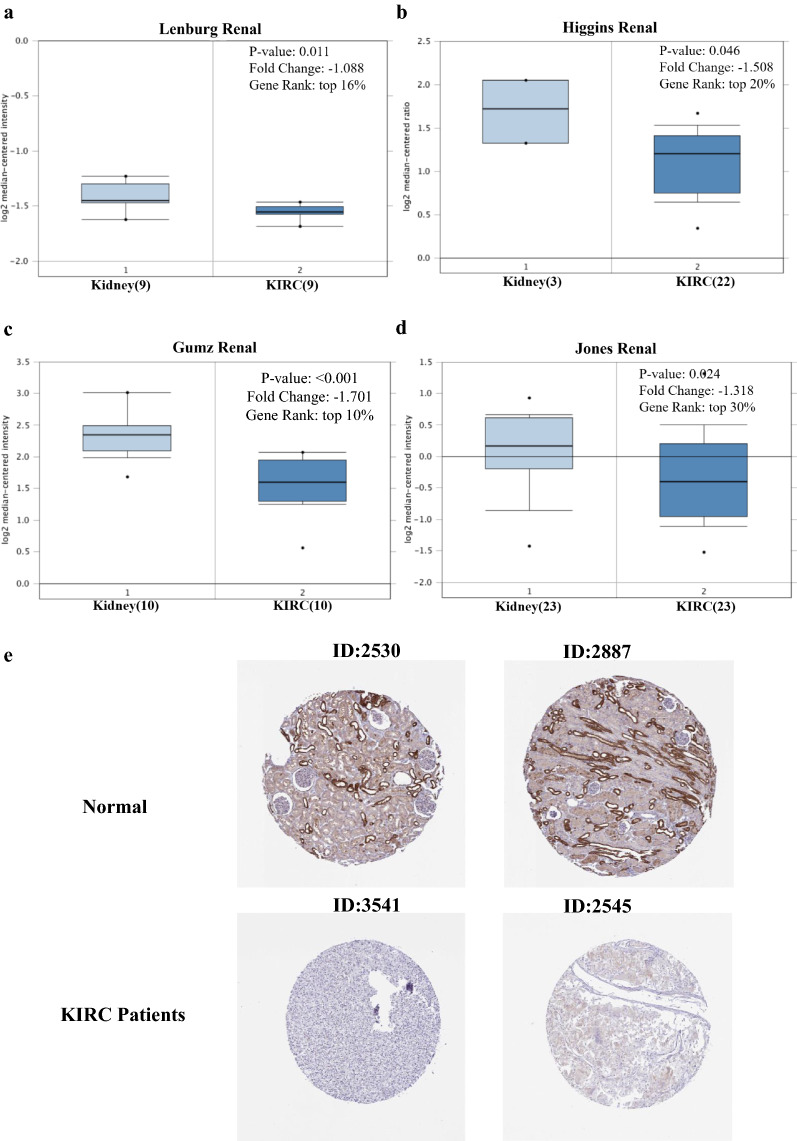
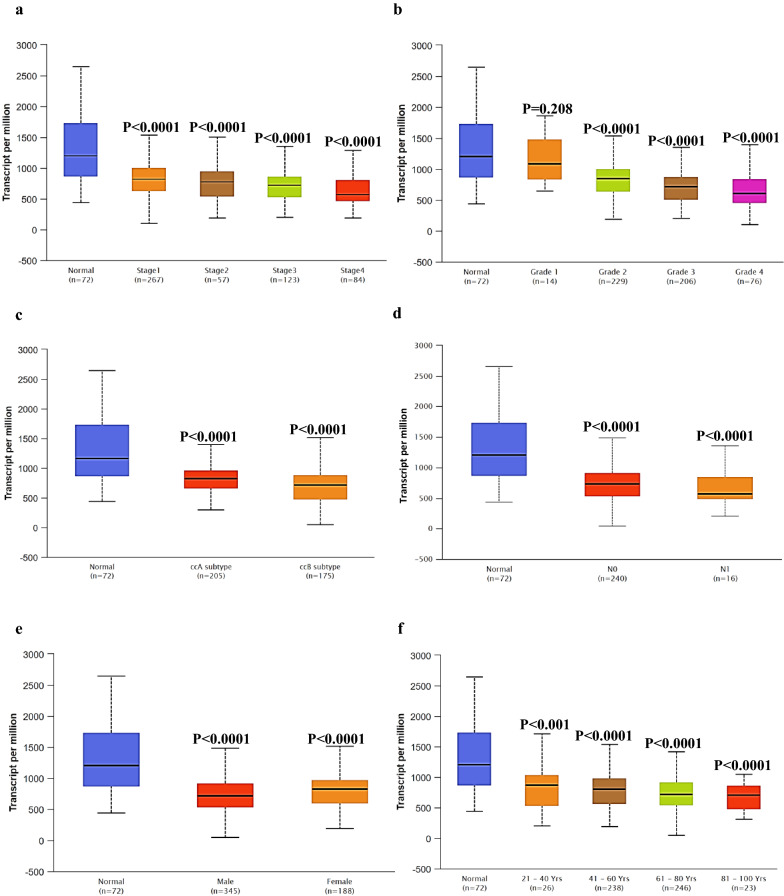
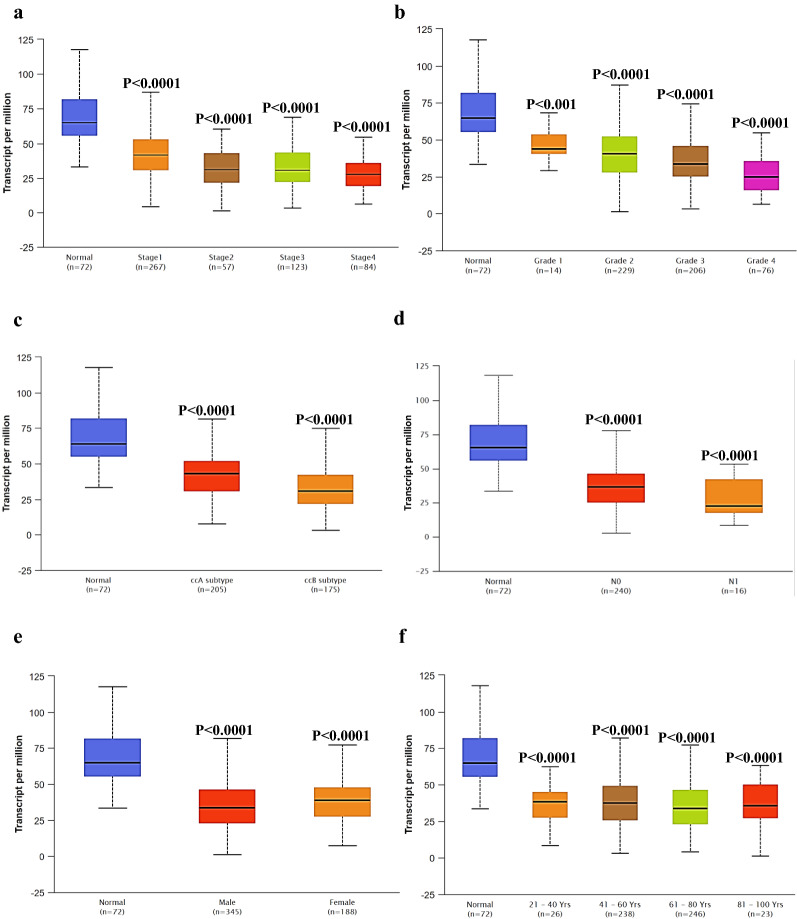
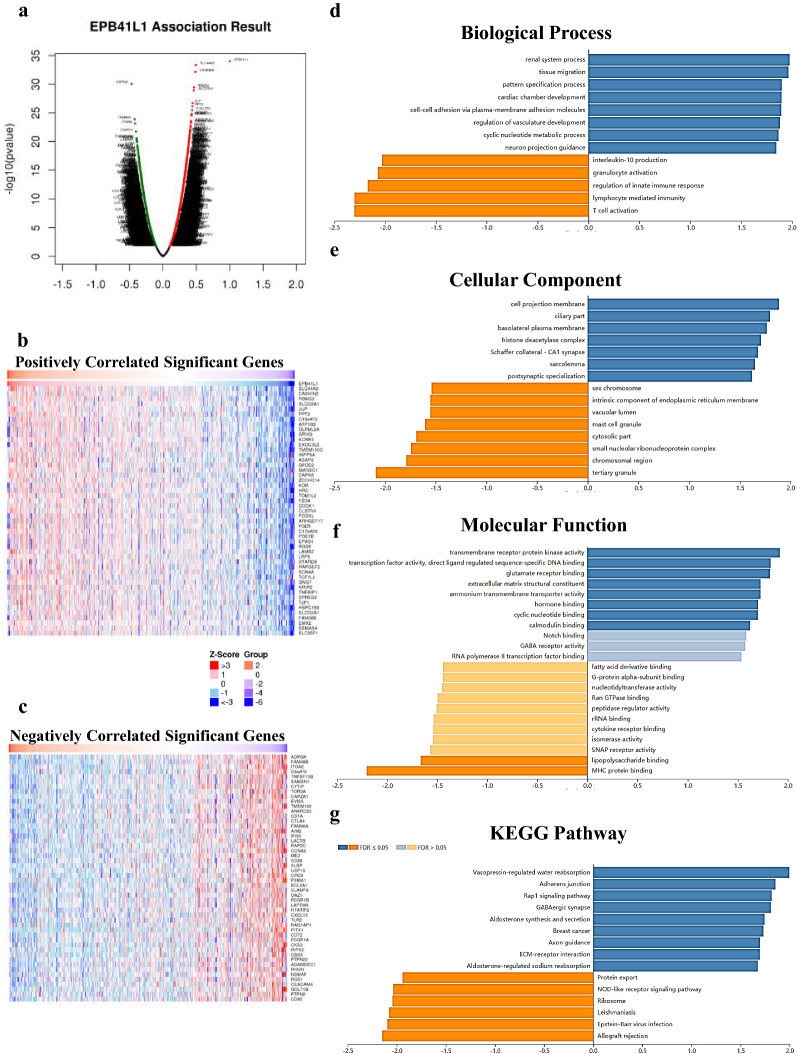
In this study, we collected the mRNA expression of EPB41L1 in KIRC through the Oncomine platform, and used the HPA database to perform the pathological tissue immunohistochemistry in patients. Then, the sub-groups and prognosis of KIRC were performed by UALCAN and GEPIA web-tool, respectively. Further, the mutation of EPB41L1 in KIRC was analyzed by c-Bioportal. The co-expression genes of EPB41L1 in KIRC were displayed from the LinkedOmics database, and function enrichment analysis was used by LinkFinder module in LinkedOmics. The function of EPB41L1 in cell adhesion and migration was confirmed by wound healing assay using 786-O cells in vitro. Co-expression gene network was constructed through the STRING database, and the MCODE plug-in of which was used to build the gene modules, both of them was visualized by Cytoscape software. Finally, the top modular genes in the same patient cohort were constructed through data mining in TCGA by using the UCSC Xena browser.
The results indicated that EPB41L1 was down-expressed in KIRC, leading to a poor prognosis. Moreover, there is a mutation in the FERM domain of EPB41L1, but it has no significant effect on the prognosis of KIRC. The co-expressed genes of EPB41L1 were associated with cell adhesion and confirmed in vitro. Further analysis suggested that EPB41L1 and amyloid beta precursor protein (APP) were coordinated to regulated cancer cell adhesion, thereby increasing the incidence of cancer cell metastasis and tumor invasion.
In summary, EPB41L1 is constantly down-expressed in KIRC tissues, resulting a poor prognosis. Therefore, we suggest that it can be an effective biomarker for the diagnosis of KIRC.
EPB41L1基因(红细胞膜蛋白带4.1样蛋白1)编码蛋白4.1N,它是4.1家族的成员,在细胞黏附和迁移中起关键作用,这与多种人类癌症的恶性进展相关。然而,EPB41L1在肾透明细胞癌(KIRC)中的表达及预后意义仍有待研究。
在本研究中,我们通过Oncomine平台收集KIRC中EPB41L1的mRNA表达情况,并利用HPA数据库对患者进行病理组织免疫组化。然后,分别通过UALCAN和GEPIA网络工具对KIRC进行亚组分析和预后分析。此外,通过c-Bioportal分析KIRC中EPB41L1的突变情况。从LinkedOmics数据库展示KIRC中EPB41L1的共表达基因,并使用LinkedOmics中的LinkFinder模块进行功能富集分析。通过体外使用786-O细胞的伤口愈合试验证实EPB41L1在细胞黏附和迁移中的功能。通过STRING数据库构建共表达基因网络,并使用其MCODE插件构建基因模块,二者均通过Cytoscape软件进行可视化。最后,使用UCSC Xena浏览器通过TCGA中的数据挖掘构建同一患者队列中的顶级模块基因。
结果表明,EPB41L1在KIRC中低表达,导致预后不良。此外,EPB41L1的FERM结构域存在突变,但对KIRC的预后无显著影响。EPB41L1的共表达基因与细胞黏附相关,并在体外得到证实。进一步分析表明,EPB41L1与淀粉样前体蛋白(APP)协同调节癌细胞黏附,从而增加癌细胞转移和肿瘤侵袭的发生率。
综上所述,EPB41L1在KIRC组织中持续低表达,导致预后不良。因此,我们认为它可以作为KIRC诊断的有效生物标志物。