Department of Cardiothoracic and Vascular Surgery, German Heart Center Berlin, Berlin, Germany.
German Centre for Cardiovascular Research, Partner Site Berlin, Berlin, Germany.
Stem Cells Transl Med. 2020 Dec;9(12):1558-1569. doi: 10.1002/sctm.19-0432. Epub 2020 Aug 5.
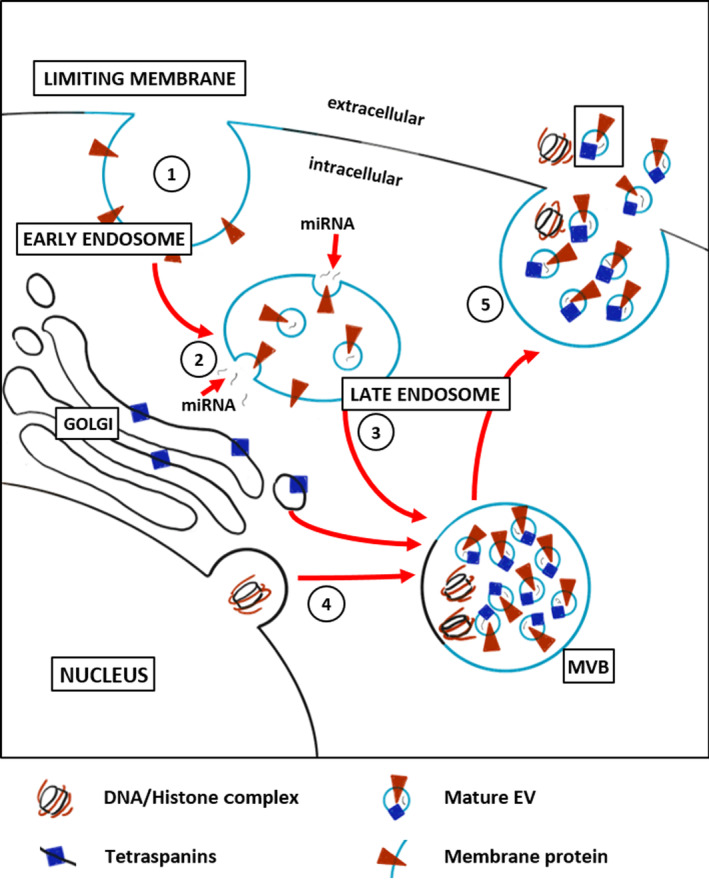
Mesenchymal stromal cells (MSCs) offer great potential for the treatment of cardiovascular diseases (CVDs) such as myocardial infarction and heart failure. Studies have revealed that the efficacy of MSCs is mainly attributed to their capacity to secrete numerous trophic factors that promote angiogenesis, inhibit apoptosis, and modulate the immune response. There is growing evidence that MSC-derived extracellular vesicles (EVs) containing a cargo of lipids, proteins, metabolites, and RNAs play a key role in this paracrine mechanism. In particular, encapsulated microRNAs have been identified as important positive regulators of angiogenesis in pathological settings of insufficient blood supply to the heart, thus opening a new path for the treatment of CVD. In the present review, we discuss the current knowledge related to the proangiogenic potential of MSCs and MSC-derived EVs as well as methods to enhance their biological activities for improved cardiac tissue repair. Increasing our understanding of mechanisms supporting angiogenesis will help optimize future approaches to CVD intervention.
间充质基质细胞 (MSCs) 在治疗心血管疾病 (CVDs) 方面具有巨大的潜力,如心肌梗死和心力衰竭。研究表明,MSCs 的疗效主要归因于它们分泌大量营养因子的能力,这些因子促进血管生成、抑制细胞凋亡和调节免疫反应。越来越多的证据表明,MSC 衍生的含有脂质、蛋白质、代谢物和 RNA 的细胞外囊泡 (EVs) 在这种旁分泌机制中发挥关键作用。特别是,包裹的 microRNAs 已被确定为在心脏供血不足的病理情况下促进血管生成的重要正调节剂,从而为 CVD 的治疗开辟了新途径。在本综述中,我们讨论了与 MSC 和 MSC 衍生的 EVs 的促血管生成潜力以及增强其生物学活性以改善心脏组织修复的相关知识。加深我们对支持血管生成的机制的理解将有助于优化未来 CVD 干预的方法。