JCI Insight. 2020 Sep 3;5(17):137028. doi: 10.1172/jci.insight.137028.
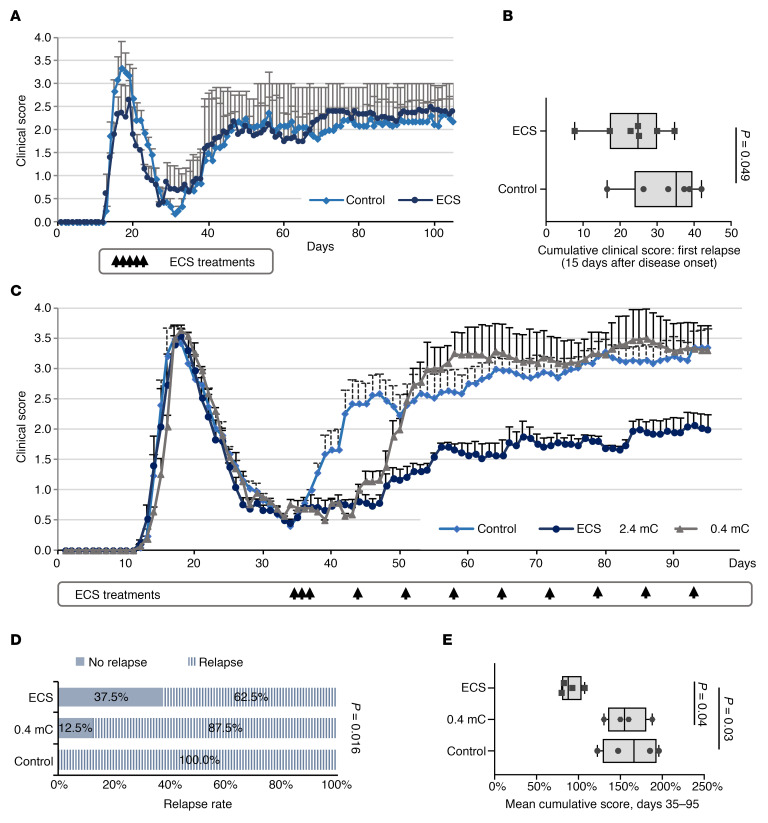
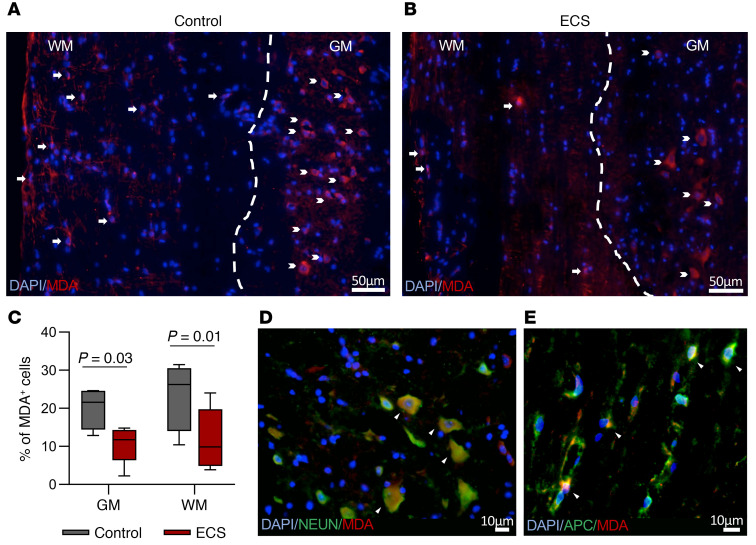
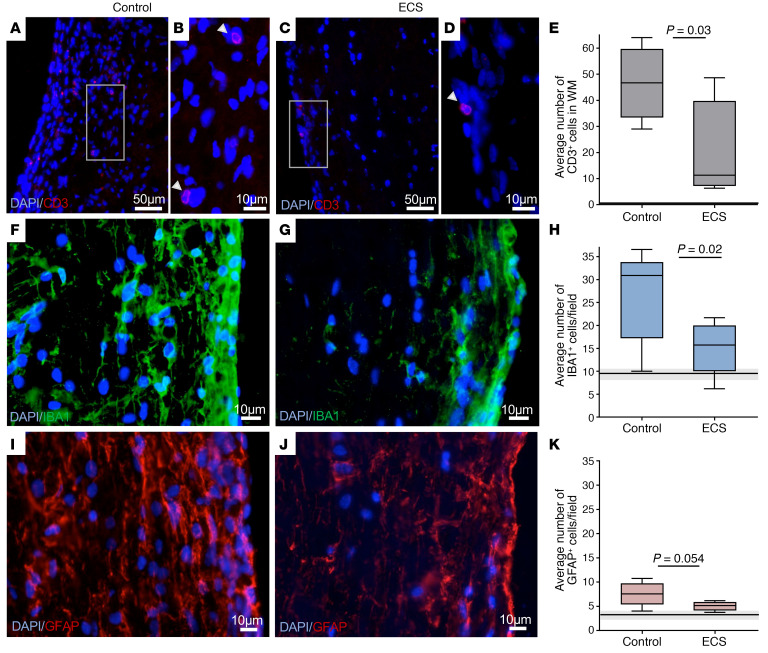
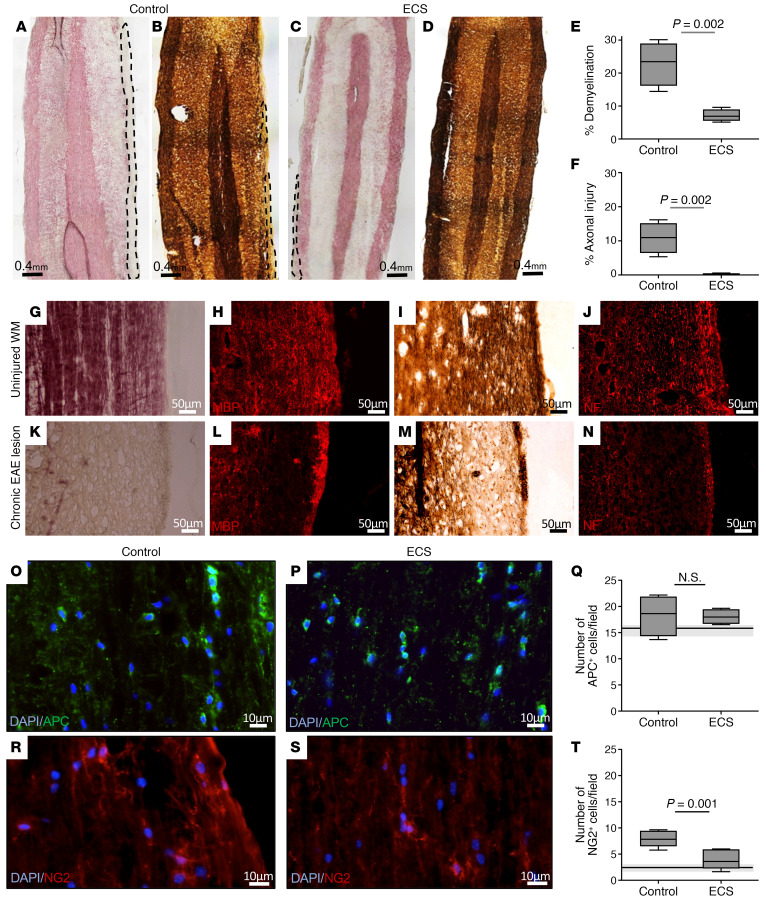
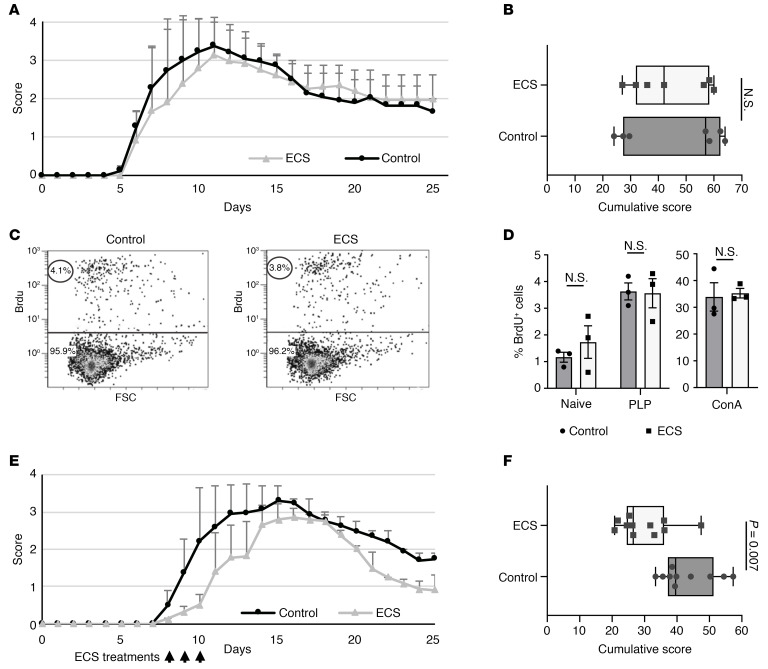
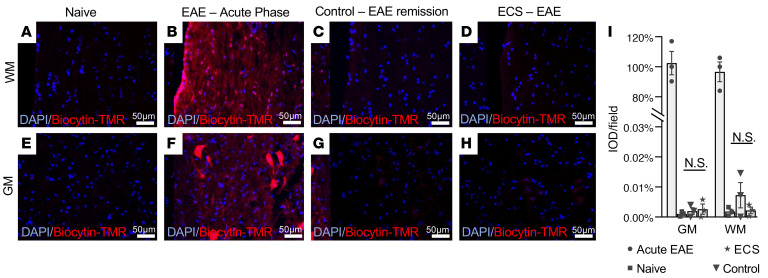
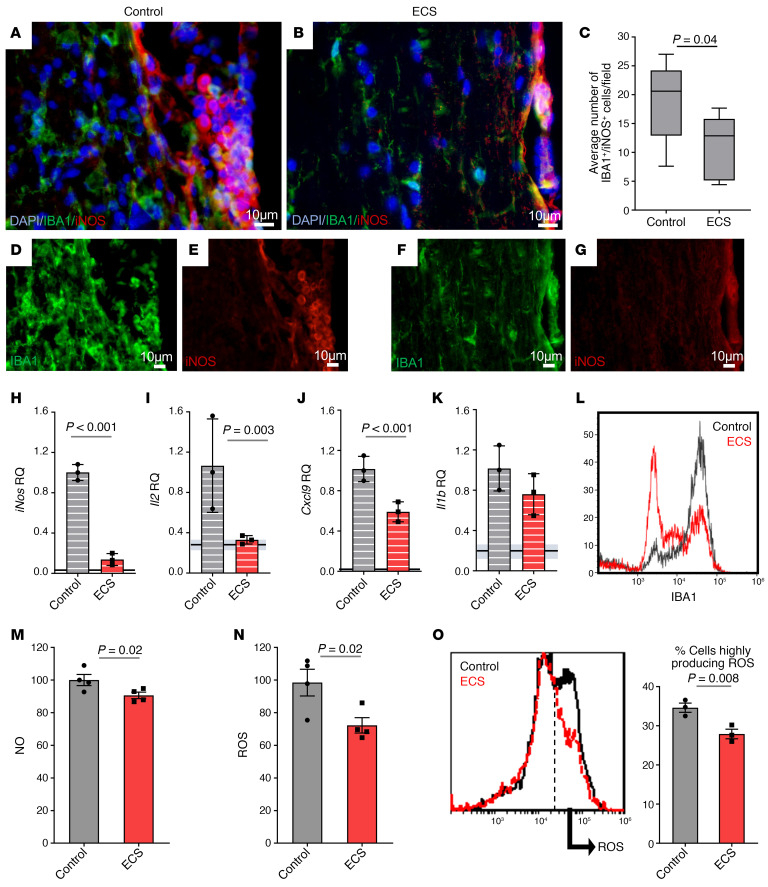
Electroconvulsive therapy is highly effective in resistant depression by unknown mechanisms. Microglial toxicity was suggested to mediate depression and plays key roles in neuroinflammatory and degenerative diseases, where there is critical shortage in therapies. We examined the effects of electroconvulsive seizures (ECS) on chronic neuroinflammation and microglial neurotoxicity. Electric brain stimulation inducing full tonic-clonic seizures during chronic relapsing-progressive experimental autoimmune encephalomyelitis (EAE) reduced spinal immune cell infiltration, reduced myelin and axonal loss, and prevented clinical deterioration. Using the transfer EAE model, we examined the effect of ECS on systemic immune response in donor mice versus ECS effect on CNS innate immune activity in recipient mice. ECS did not affect encephalitogenicity of systemic T cells, but it targeted the CNS directly to inhibit T cell-induced neuroinflammation. In vivo and ex vivo assays indicated that ECS suppressed microglial neurotoxicity by reducing inducible NOS expression, nitric oxide, and reactive oxygen species (ROS) production, and by reducing CNS oxidative stress. Microglia from ECS-treated EAE mice expressed less T cell stimulatory and chemoattractant factors. Our findings indicate that electroconvulsive therapy targets the CNS innate immune system to reduce neuroinflammation by attenuating microglial neurotoxicity. These findings signify a potentially novel therapeutic approach for chronic neuroinflammatory, neuropsychiatric, and neurodegenerative diseases.
电抽搐疗法通过未知机制在抵抗性抑郁症中非常有效。小胶质细胞毒性被认为介导抑郁症,并在神经炎症和退行性疾病中发挥关键作用,而这些疾病的治疗方法严重不足。我们研究了电抽搐发作(ECS)对慢性神经炎症和小胶质细胞神经毒性的影响。在慢性复发性实验性自身免疫性脑脊髓炎(EAE)期间诱导全面强直阵挛性发作的电脑刺激减少了脊髓免疫细胞浸润,减少了髓鞘和轴突丢失,并防止了临床恶化。使用转移 EAE 模型,我们研究了 ECS 对供体小鼠全身免疫反应的影响与 ECS 对受体小鼠中枢神经系统固有免疫活性的影响。ECS 不影响全身 T 细胞的致脑炎性,但它直接针对中枢神经系统,抑制 T 细胞诱导的神经炎症。体内和体外检测表明,ECS 通过降低诱导型一氧化氮合酶表达、一氧化氮和活性氧(ROS)产生以及降低中枢神经系统氧化应激来抑制小胶质细胞神经毒性。来自 ECS 治疗的 EAE 小鼠的小胶质细胞表达较少的 T 细胞刺激和趋化因子因子。我们的研究结果表明,电抽搐疗法通过减轻小胶质细胞神经毒性来靶向中枢神经系统固有免疫系统以减少神经炎症。这些发现标志着一种针对慢性神经炎症、神经精神和神经退行性疾病的潜在新型治疗方法。